

Red Dot juror Kelley Cheng on identity, narrative and representation
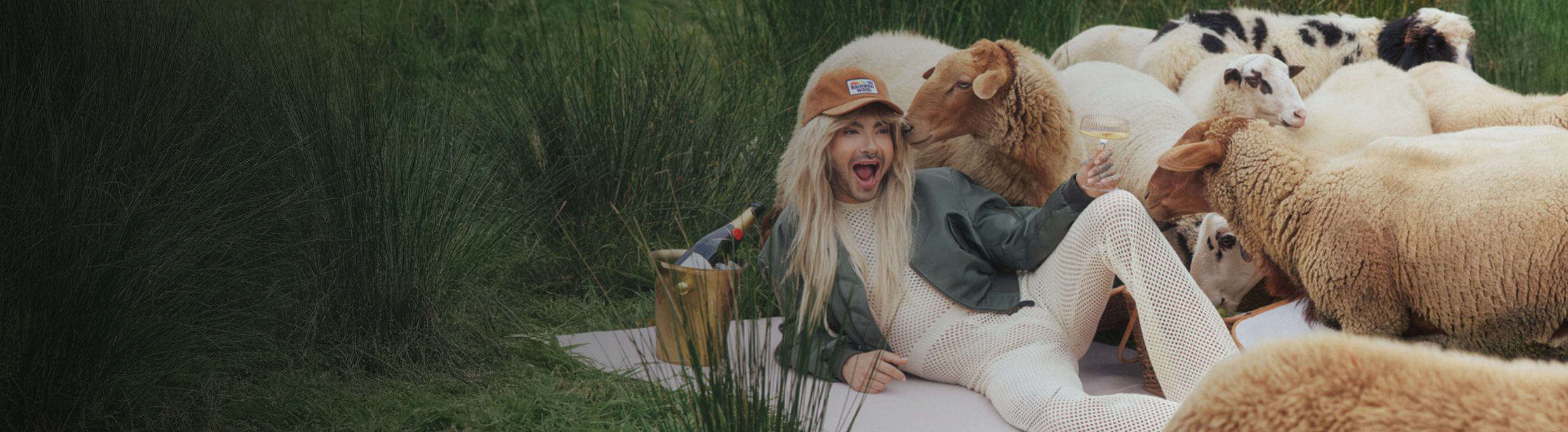
With the distinction “Red Dot: Best of the Best” in the Red Dot Award: Brands & Communication Design 2025, the jury honours a project that shows how powerful design can be when a strong idea, clear stance and excellent communication come together. Rainbow Wool is exactly that: a project that arose from a simple observation and developed into an internationally recognised statement for representation, diversity and social responsibility.
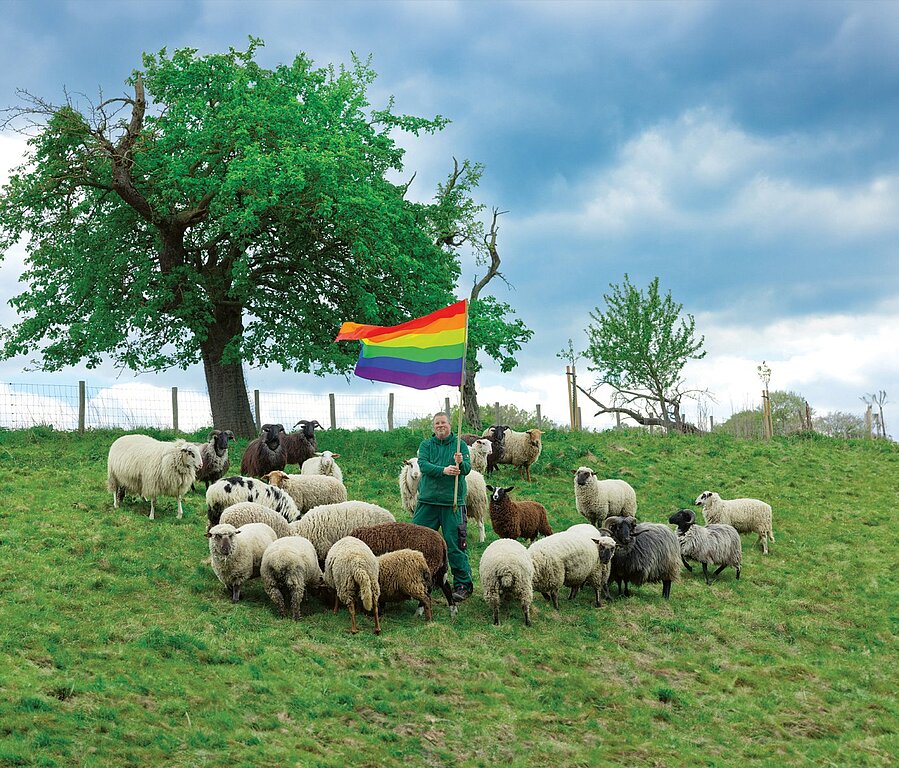
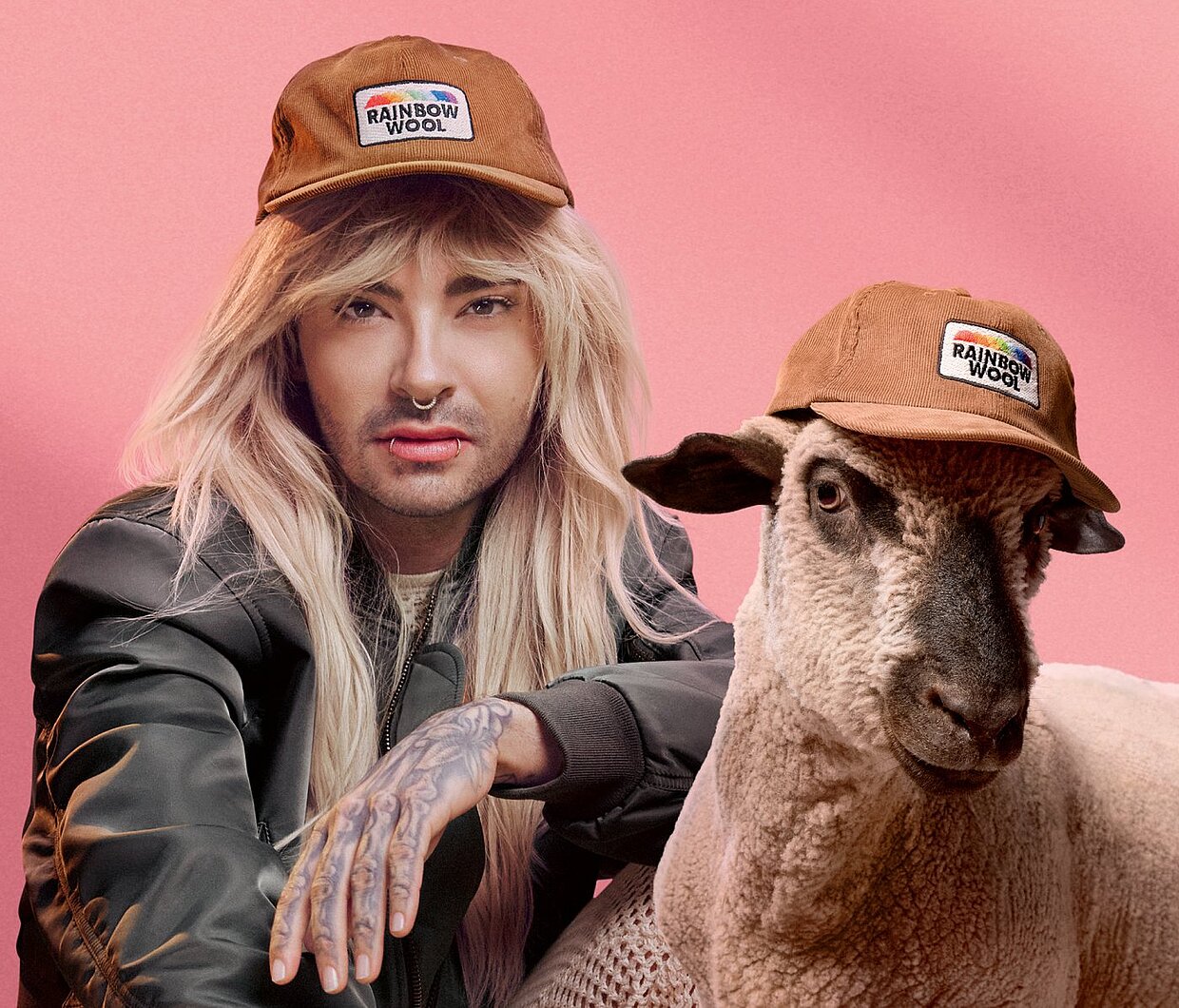
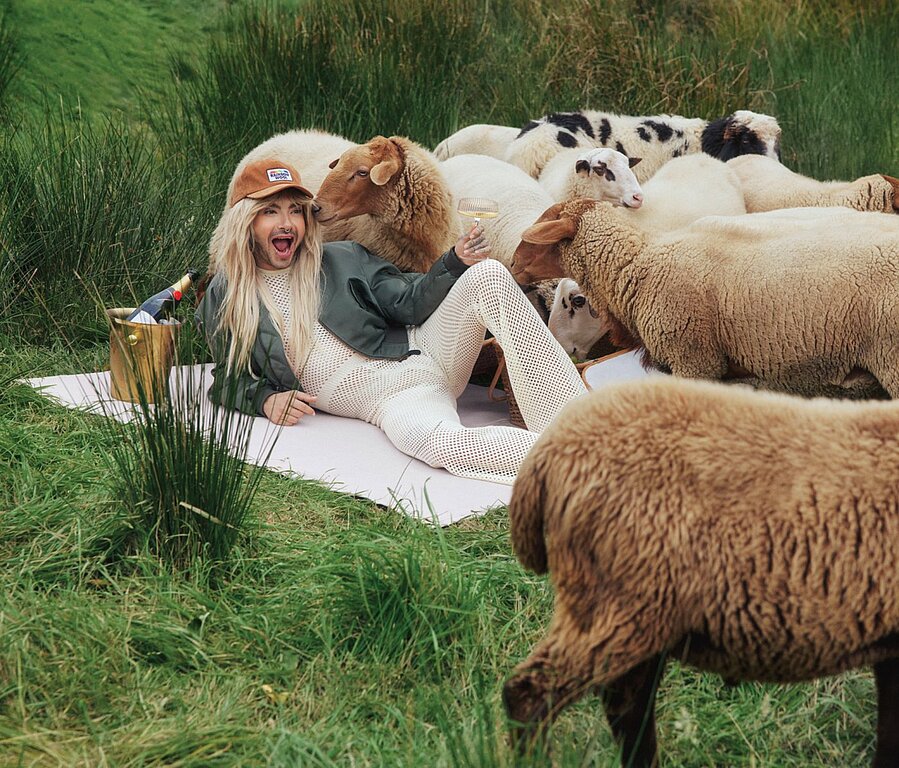
The starting point was a seemingly casual question: “Are there actually gay sheep?” A question that opened up new perspectives and laid the foundation for an extraordinary communication concept. SERVICEPLAN recognised the potential to convey a complex social issue – queer visibility and discrimination – through an unexpected, emotionally accessible narrative. Together with shepherd Michael Stücke, this idea was turned into a real, functioning model: homosexual rams are often considered “useless” in agriculture and killed as a result. The Rainbow Wool project protects these rams and processes their wool to convey a clear message.
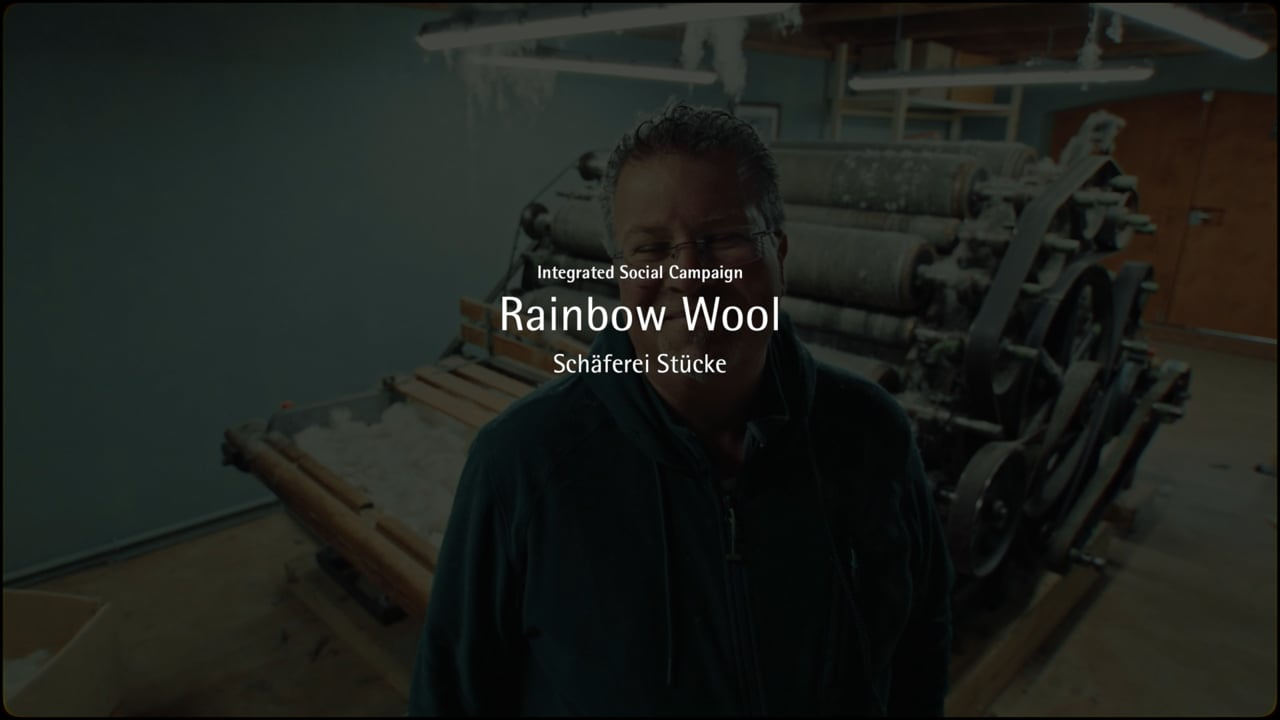
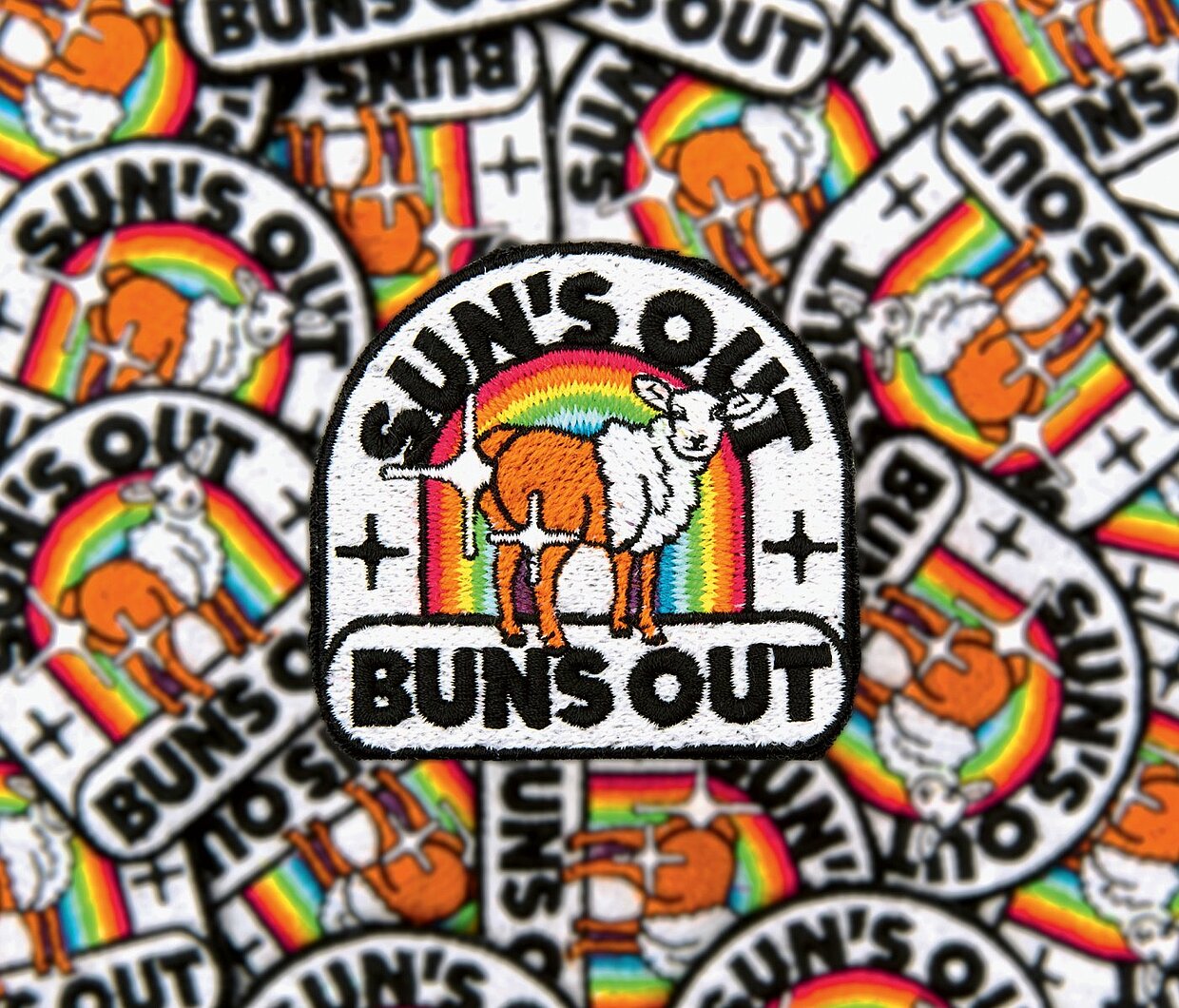
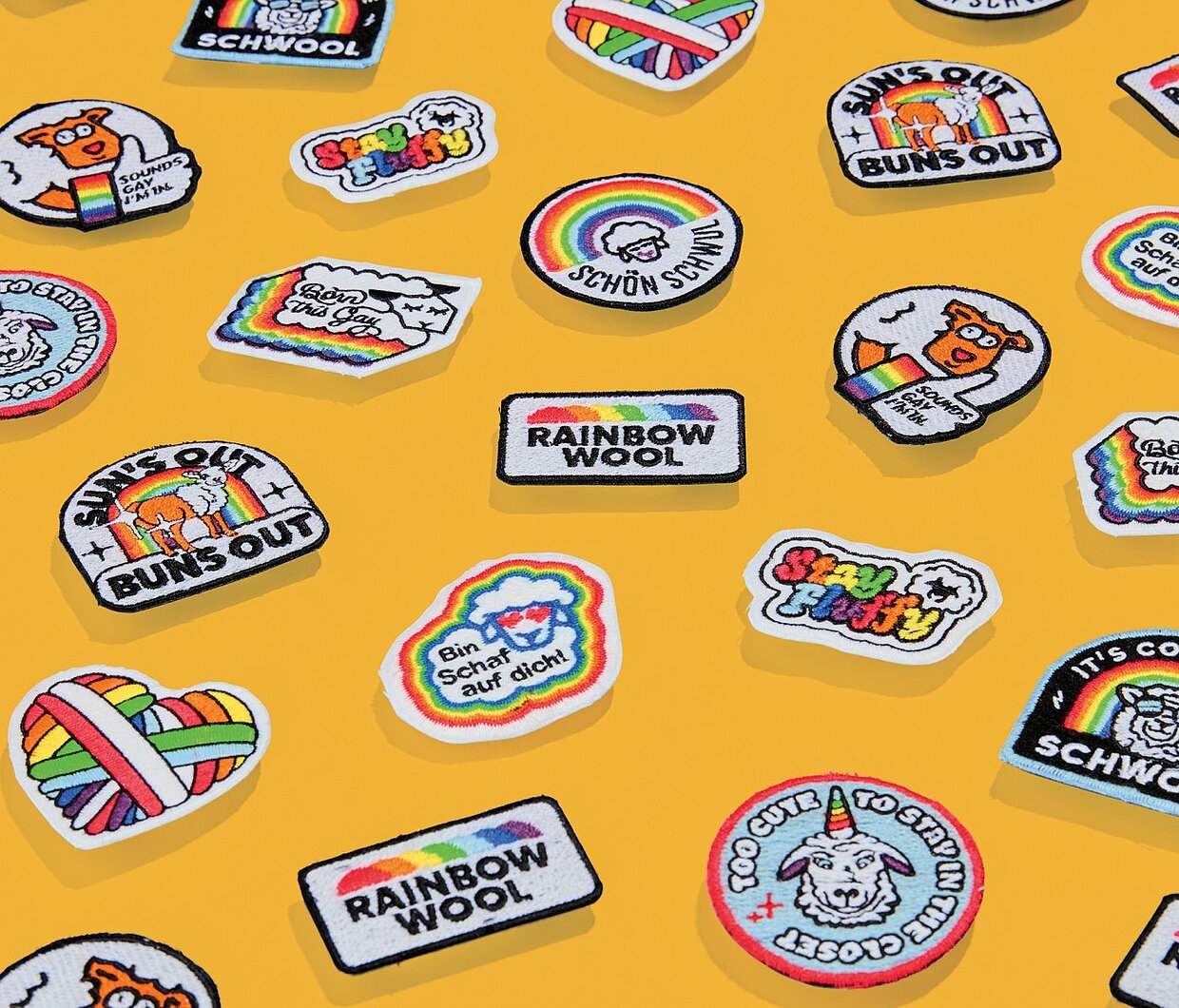
Rainbow Wool is particularly impressive in its consistent translation of attitude into design. The project combines material, message and visual communication into a coherent brand narrative. „They carried that truth through every piece of the brand. From the logo to the communications, which is all very well crafted. It became a real business. It is a remarkable thing that is simple and beautiful and for a great cause”, said the Jury.
The products are not an end in themselves, but part of a larger system: they make a previously unused raw material economically viable, support LGBTQIA+ initiatives and generate global visibility for queer people and queer animals. The protected flock of sheep itself also stands for diversity – it is made up of different breeds of sheep and thus reflects diversity in the truest sense of the word.
The focus is on the aspect of representation. Rainbow Wool makes visible what is often overlooked or suppressed. Visibility is deliberately used here as a communicative tool – because what is visible becomes part of the social discourse. For many queer people, this type of representation means more than just attention: it stands for recognition, belonging and hope. The fact that the project made it into the New York Times underlines its international relevance and communicative impact.
Another decisive factor for the project’s success is the credible collaboration of all those involved. Musician Bill Kaulitz supported the project out of personal conviction and made his reach available for charitable purposes. The dating app Grindr was also so convinced by the idea that it commissioned fashion designer Michael Schmidt – known for his outfits for global pop stars such as Cher, Lady Gaga and Sabrina Carpenter – to present a collection made out of the Rainbow Wool on the catwalk in New York. This authenticity and the creative involvement of prominent partners significantly enhance the impact of the campaign and make it clear that Rainbow Wool is not focused on short-term provocation, but on sustainable impact.
Rainbow Wool shows how design can help make content understandable and emotionally tangible by raising awareness, protecting lives and initiating social change. At the same time, the project impresses with its high social relevance and measurable impact that extends far beyond the context of design – from international media coverage to concrete support for queer initiatives. The Red Dot: Best of the Best award confirms the project as an outstanding example of how communication design can become an effective tool for queer and animal rights and social innovation.