



Strutt ev¹ is the winner of Red Dot: Luminary 2025
Projects by young designers under the age of 30 now have the opportunity to compare themselves with equals. The Red Dot: Next Gen Award ensures a more precise evaluation of their work by considering the unique circumstances of young designers versus professional teams, whether they are students from universities or young professionals in studios and companies.
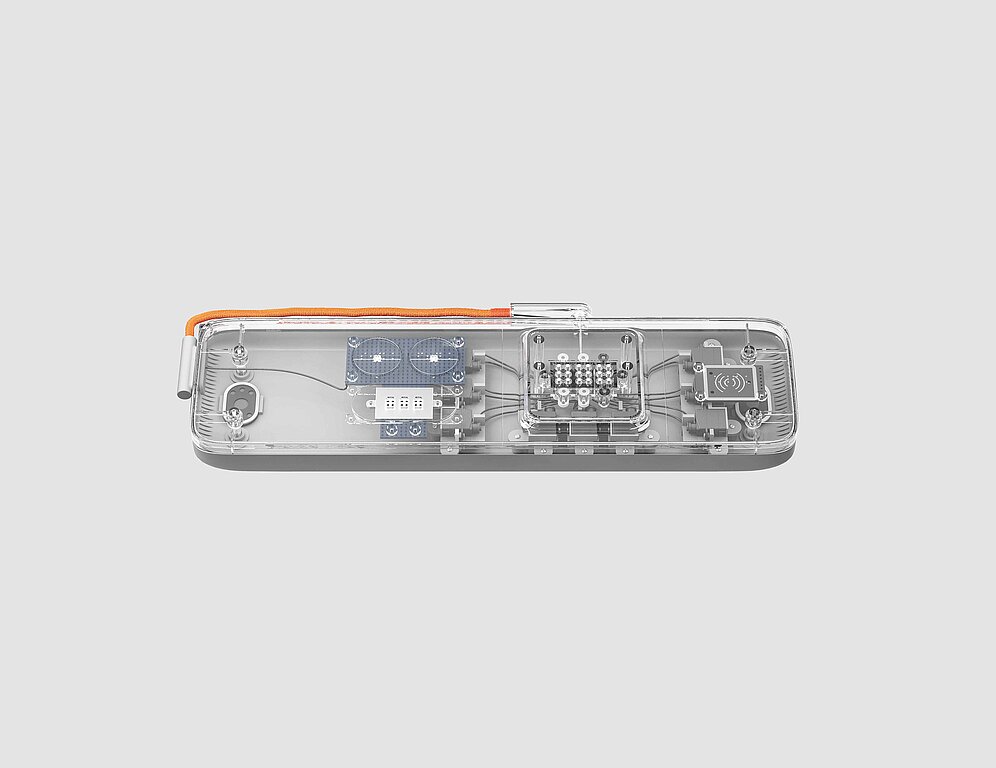
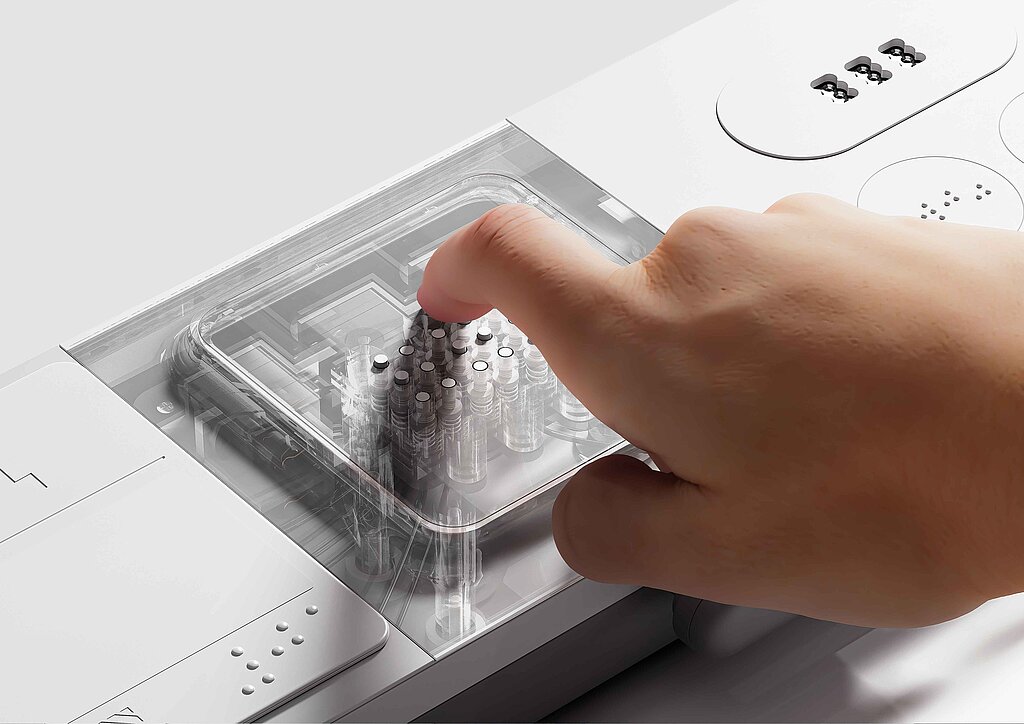
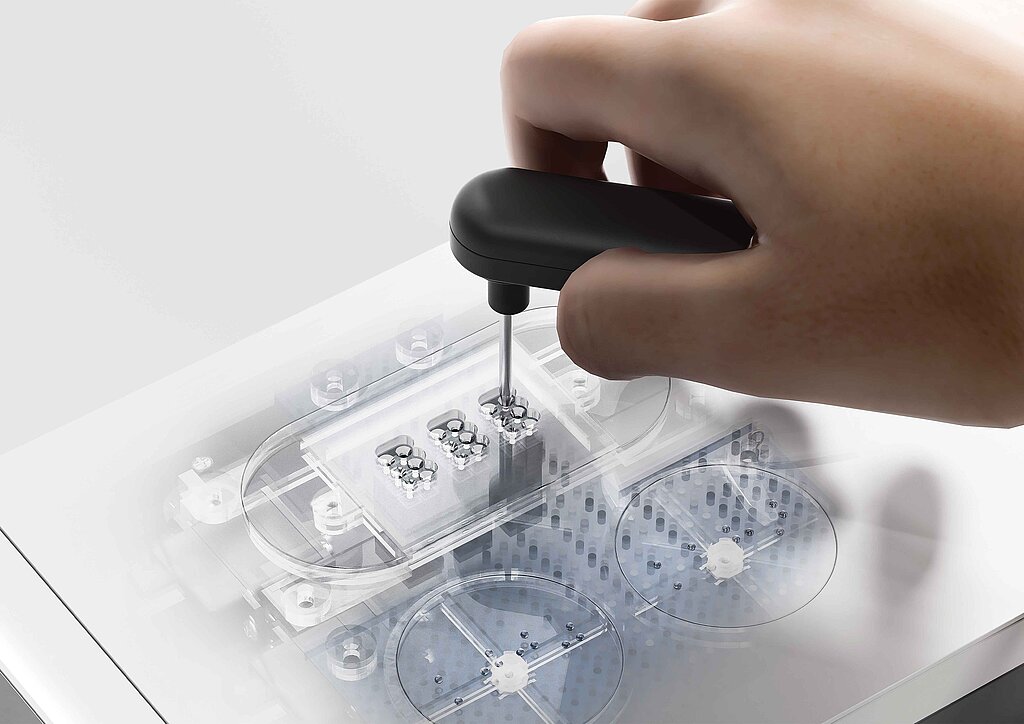
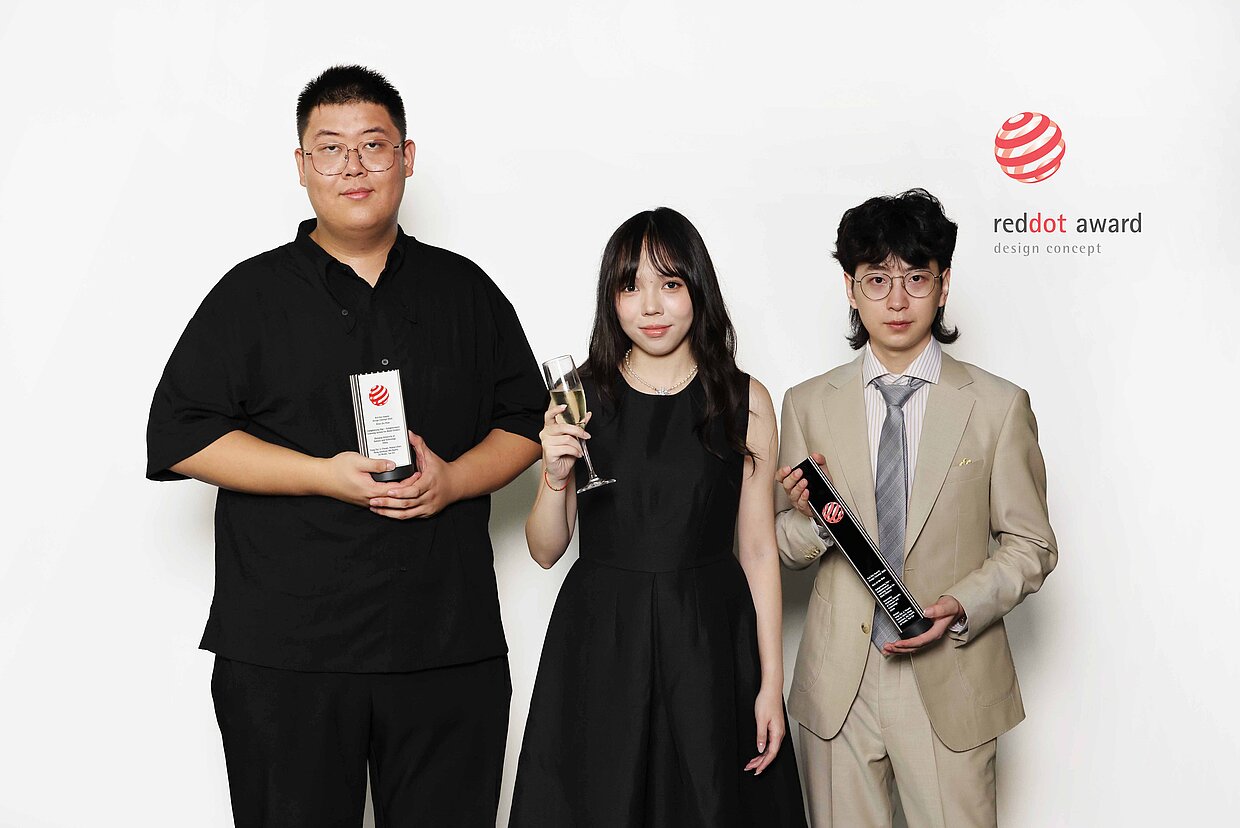
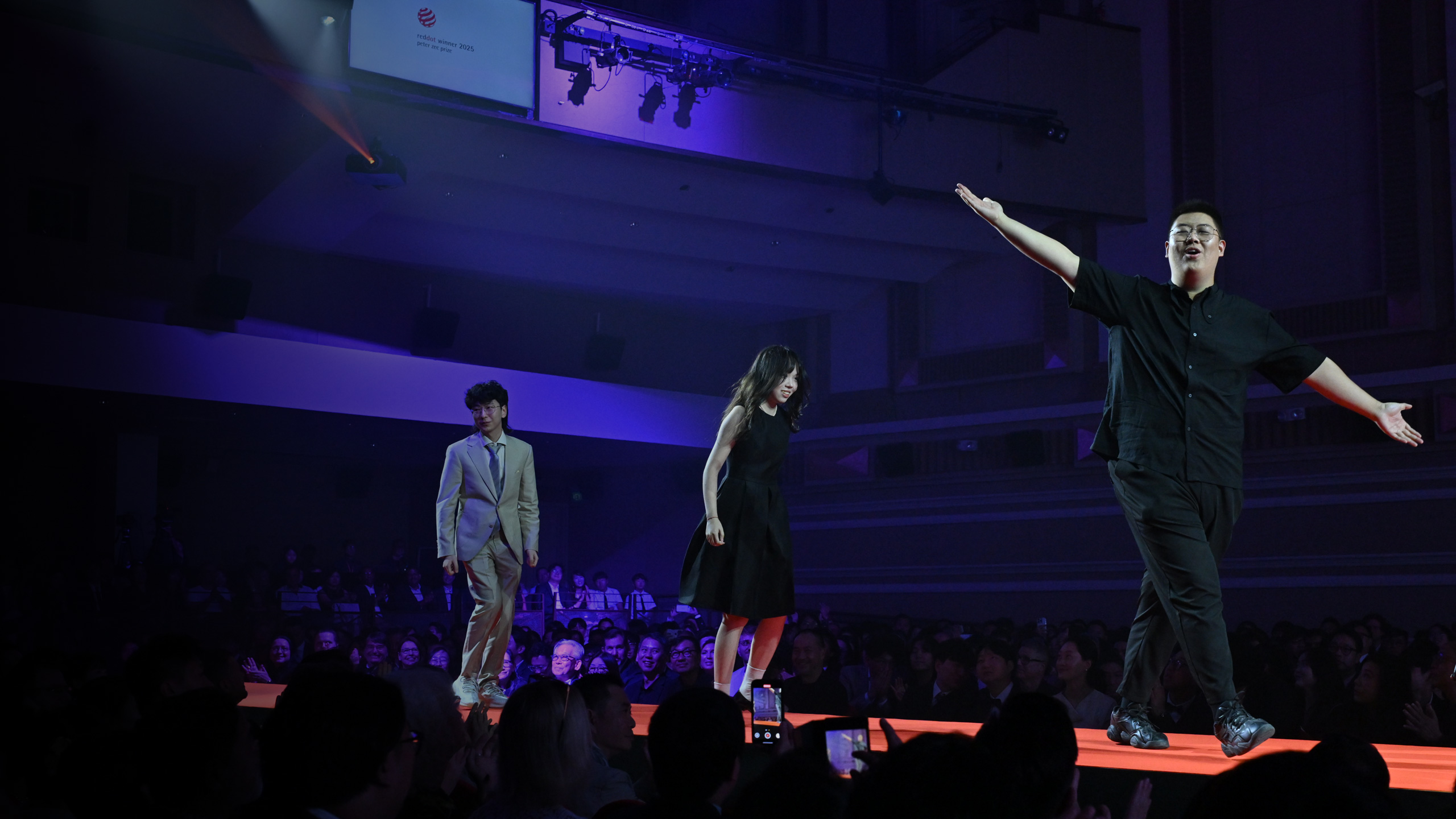
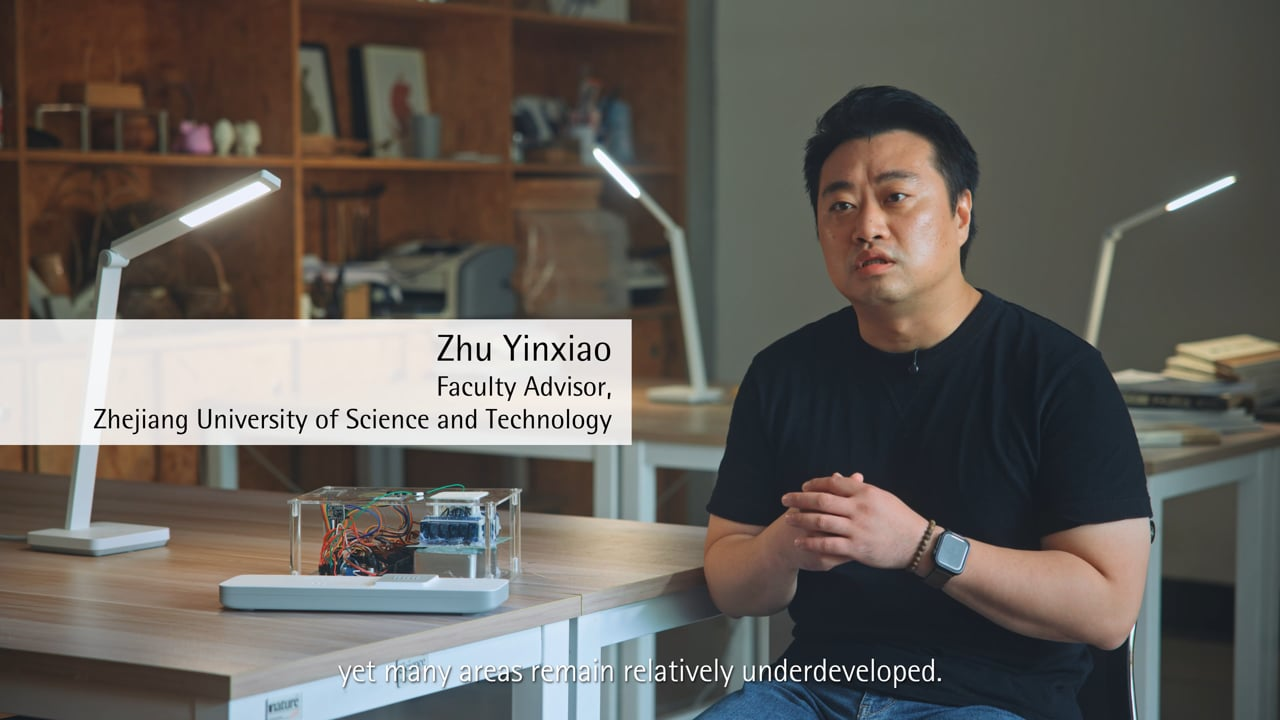
The Red Dot: Peter Zec Prize was awarded to Enlightening Star, a remote braille learning system for blind children in less accessible regions. The system enables teachers to manage courses online and includes a braille display and writing device for students, which improves their learning and independence. This prestigious distinction comes with a prize of S$10,000. Prof. Dr. Peter Zec and Mr. Ken Koo presented the trophy to Li Yixuan, Yang Ziyi and Tao Zui from Zhejiang University of Science and Technology's design team.
“Promoting young talent is extremely important to me, as they are indeed our future. It is my personal mission to support young designers in following their dreams and aspirations." explains Professor Dr. Peter Zec, founder and CEO of Red Dot. “That is why we are awarding the Red Dot: Peter Zec Prize for the second time this year. Once again, the jury has made an excellent decision. Concepts that focus on people and their needs are exactly what we need for a bright tomorrow.”
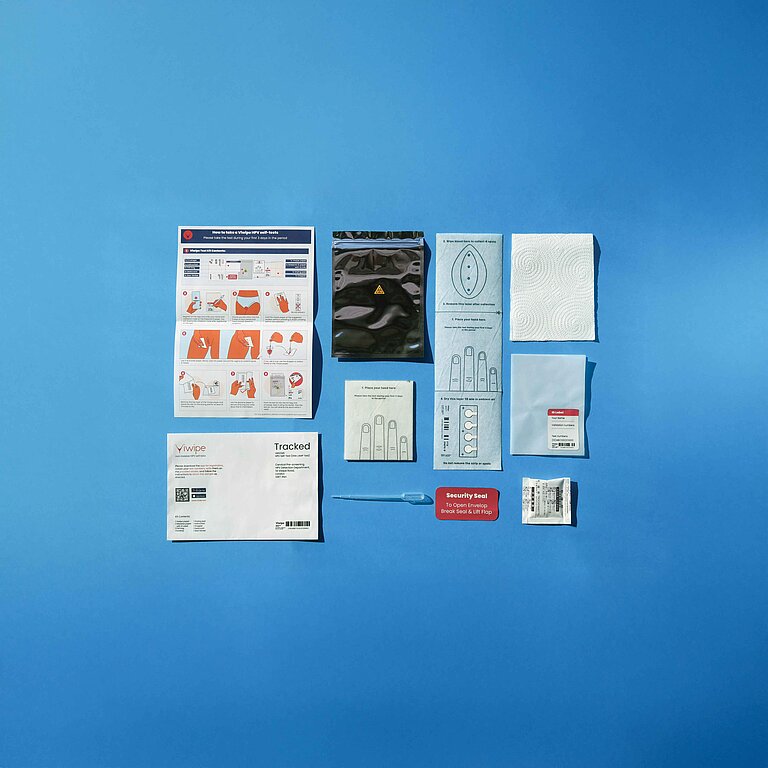
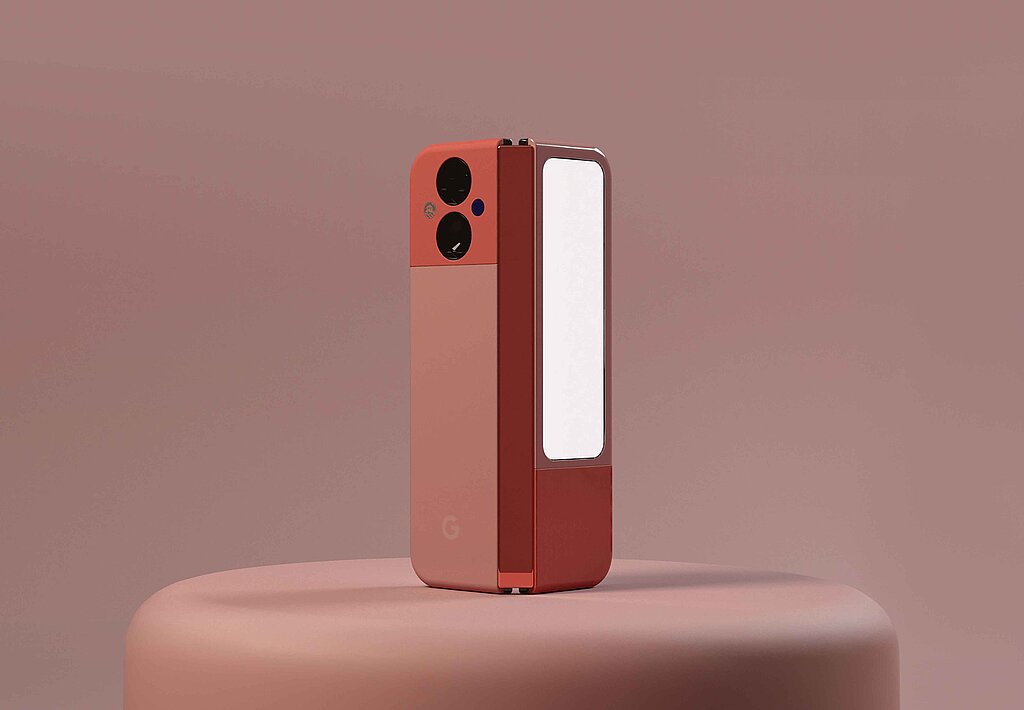
Projects created by young designers demonstrate the innovative potential and creativity of the next generation, marking these young winners as talents to watch in the future. Among the four projects nominated for the Red Dot: Peter Zec Prize are Enlightening Star, from China's Zhejiang University of Science and Technology, which is a remote Braille learning system for blind children that consists of an online learning platform and a hardware display and writing device. ViWipe, from Imperial College London in the United Kingdom, explores the medical potential of menstrual blood and applies advanced biotech to a simple, intuitive format inspired by daily toilet paper use. Young designer Hong Jeongyeon from South Korea's project, Daize, is both a creative tool and a striking interior object that seamlessly merges the tactile charm of analog interfaces with the innovation of generative AI, empowering users to remix, recompose, and personalize music. Finally, The Audion, by Nipun Saxena from India and Thomas Nelson-Smith from Italy, offers a bold alternative: an AI-driven companion that liberates users from traditional smartphone constraints.