

Too cute to stay in the closet
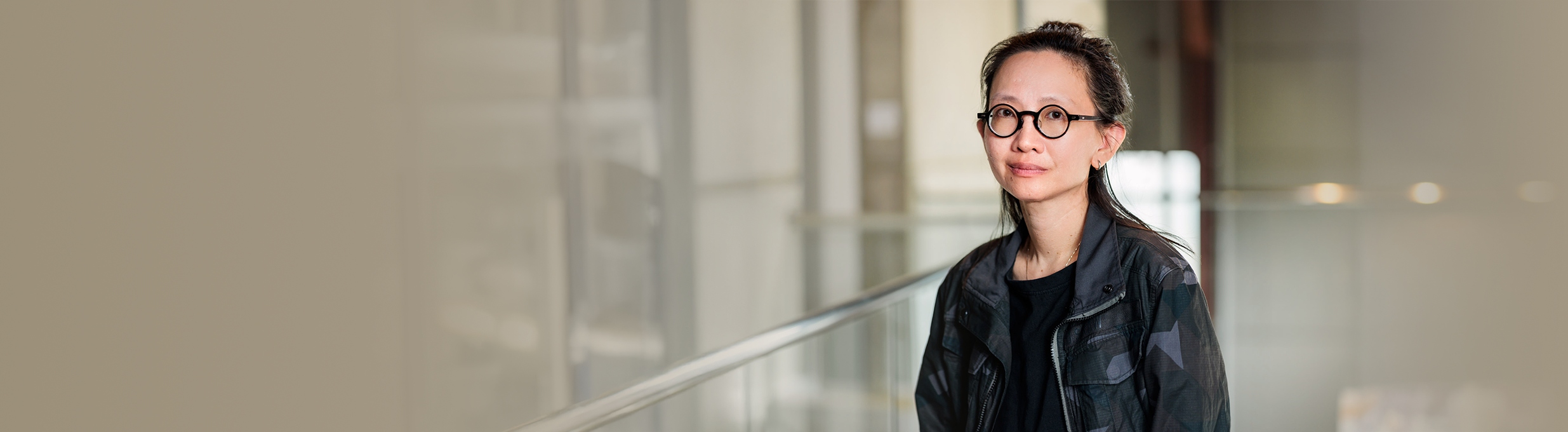
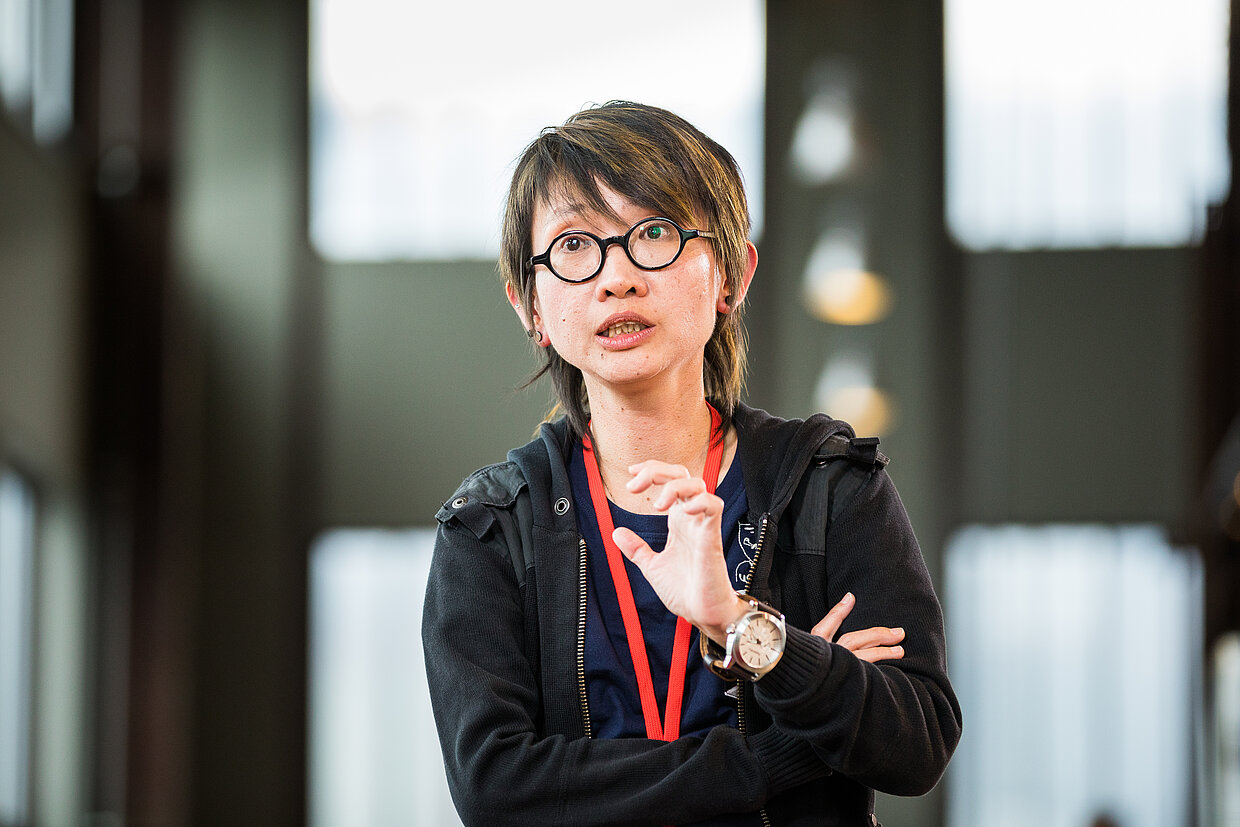
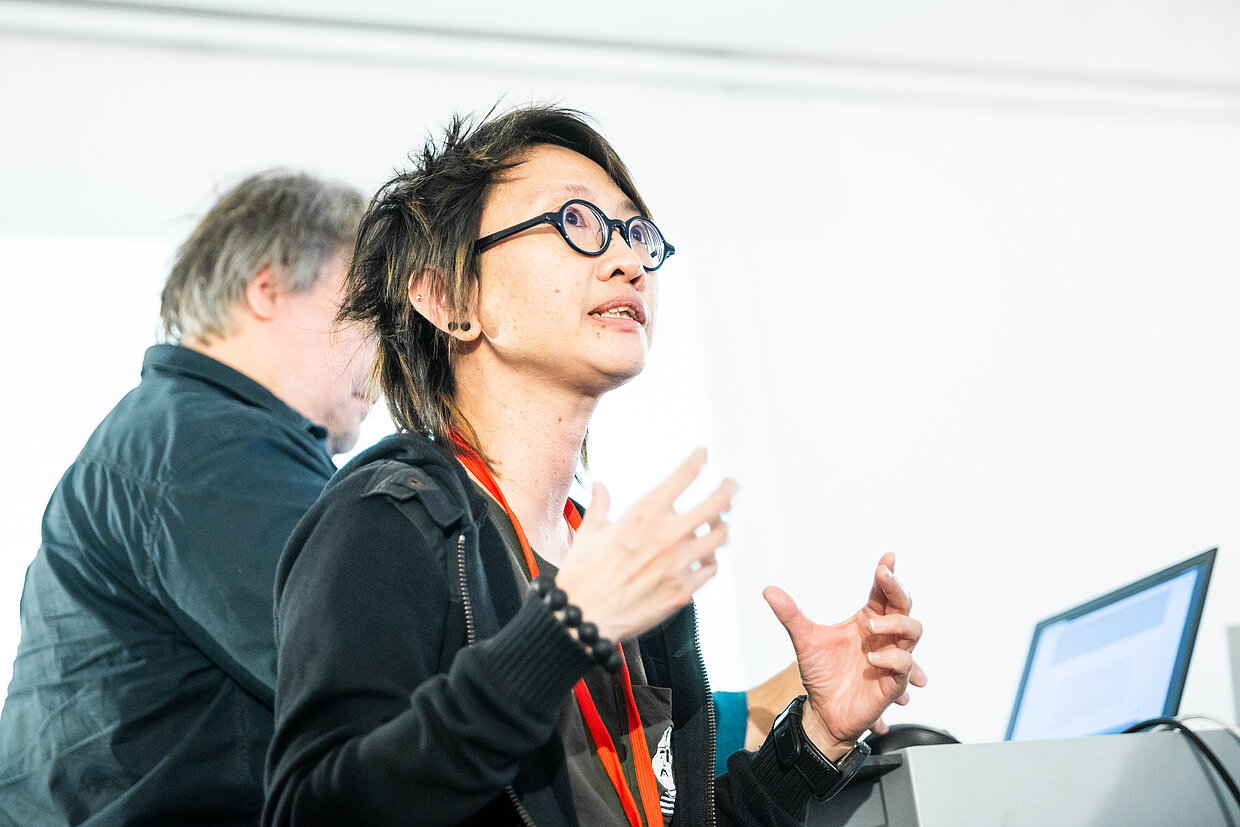
Kelley Cheng is a modern-day polymath – editor, writer, curator, designer, director and educator. Trained as an architect, she is the founder and creative director of The Press Room, a studio designing everything from books and brands to exhibitions, stage sets, and film. Kelley has lectured internationally and serves as a visiting professor and external examiner, while regularly participating on prestigious design juries. Recognised for her impact, she was celebrated as one of the 50 Most Inspirational Women 2010 in Singapore and has received numerous honours, including the President’s Design Award “Designer of the Year 2020”. A pop-culture junkie and Netflix binger, Kelley balances intellect and artistry with a deep belief in giving back – using design to make the world better for everyone. Since 2007, Kelley Cheng has been a permanent member of the Red Dot Jury for the Red Dot Award: Brands & Communication Design and Red Dot Award: Design Concept.
In this candid interview, Kelley Cheng shares how her identity, authenticity, and love of narrative shape her work. She reflects on representation, LGBTQ+ visibility, and the power of design to tell stories that matter.
Last year, you gave a powerful statement on the Lufthansa Pride Campaign. Why do you think representation in design – particularly when it comes to the LGBTQ+ community – matters so deeply?
Kelley Cheng: For me, this is really about representation within the design field. It’s rare, and that makes it precious. The industry, like many others, is still largely male-dominated. Having a voice for the LGBTQ+ community here is important.
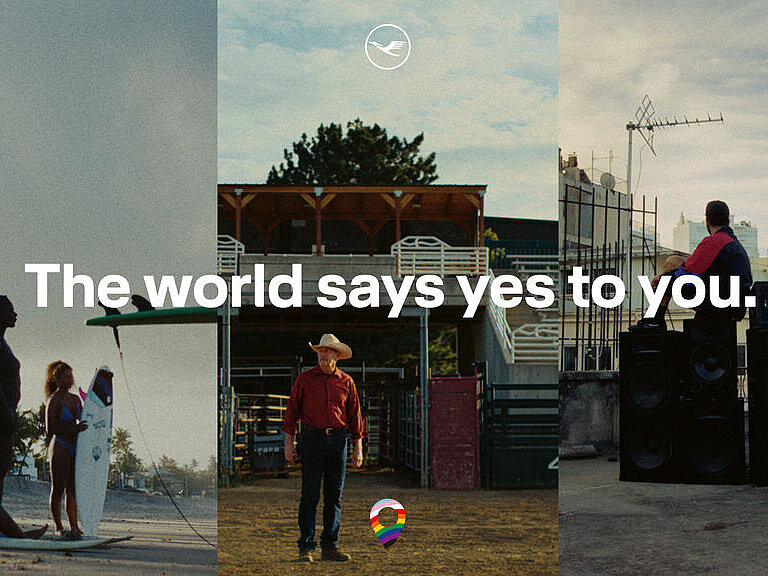
The Lufthansa Pride Campaign moved me because it portrayed queer people in environments where they are not usually welcome. As a gay person, that resonates deeply — these extreme situations reflect what we face in everyday life. Growing up, I’ve encountered homophobia, hostile stares, religious disapproval — things that are invisible to those who don’t experience them. I often tell my straight friends: “What you don’t see doesn’t mean it doesn’t exist.”
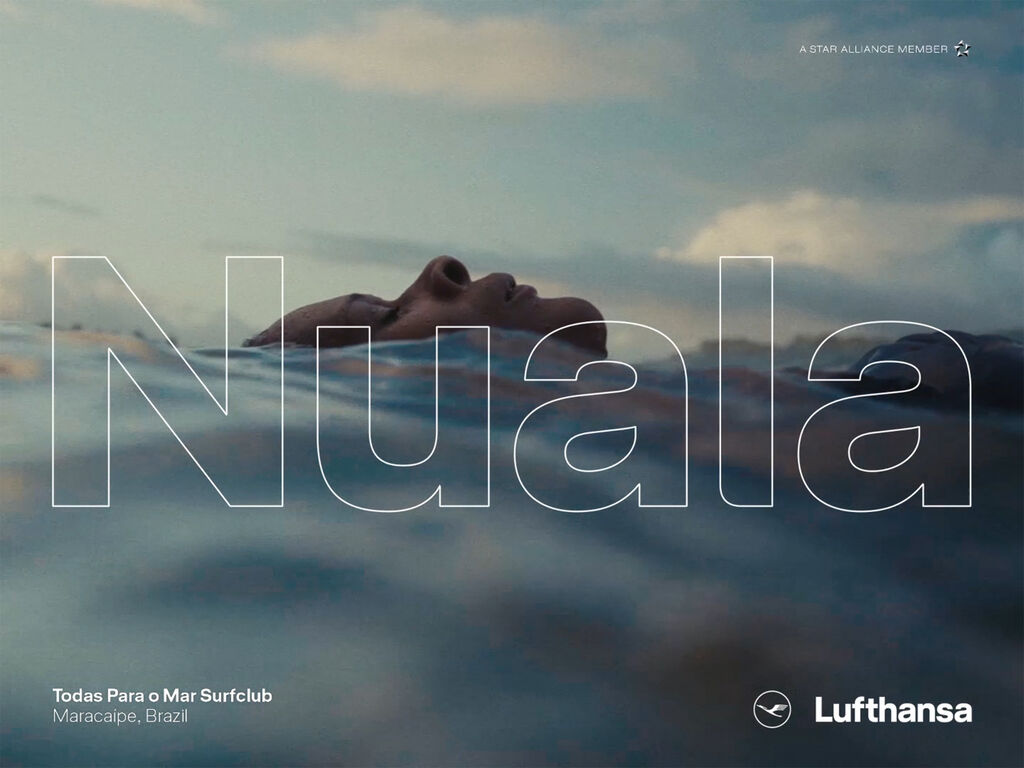
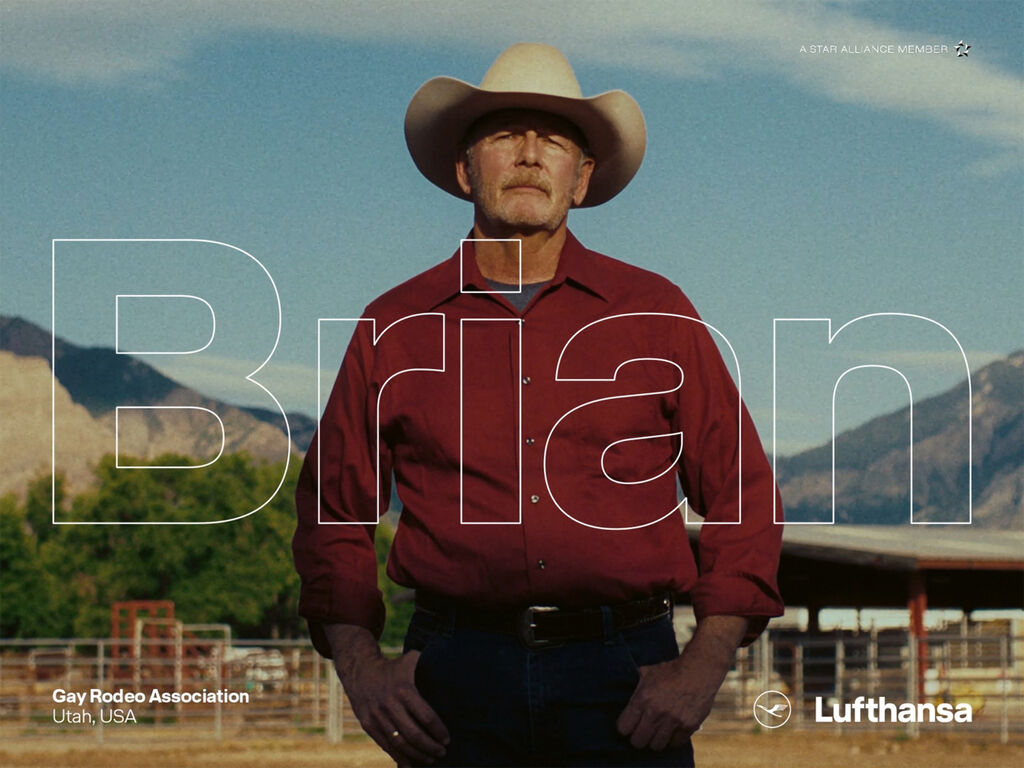
That’s why this ad resonated. It shows people — the Brazilian lesbian surfers, the rodeo riders — in spaces that do not welcome them. Not only do they survive, they thrive, and they excel at what they do. That spirit and strength is empowering for LGBTQ+ people. And when a big brand like Lufthansa supports this, it sends a strong message. Without such backing, these messages can’t travel far, and many queer people will continue to live in silent oppression. Lufthansa really took this on “by the horns,” as the saying goes, and created a beautiful, on-point message: “Say Yes”.

In your view, what distinguishes authentic Pride-related design from work that merely capitalises on the moment?
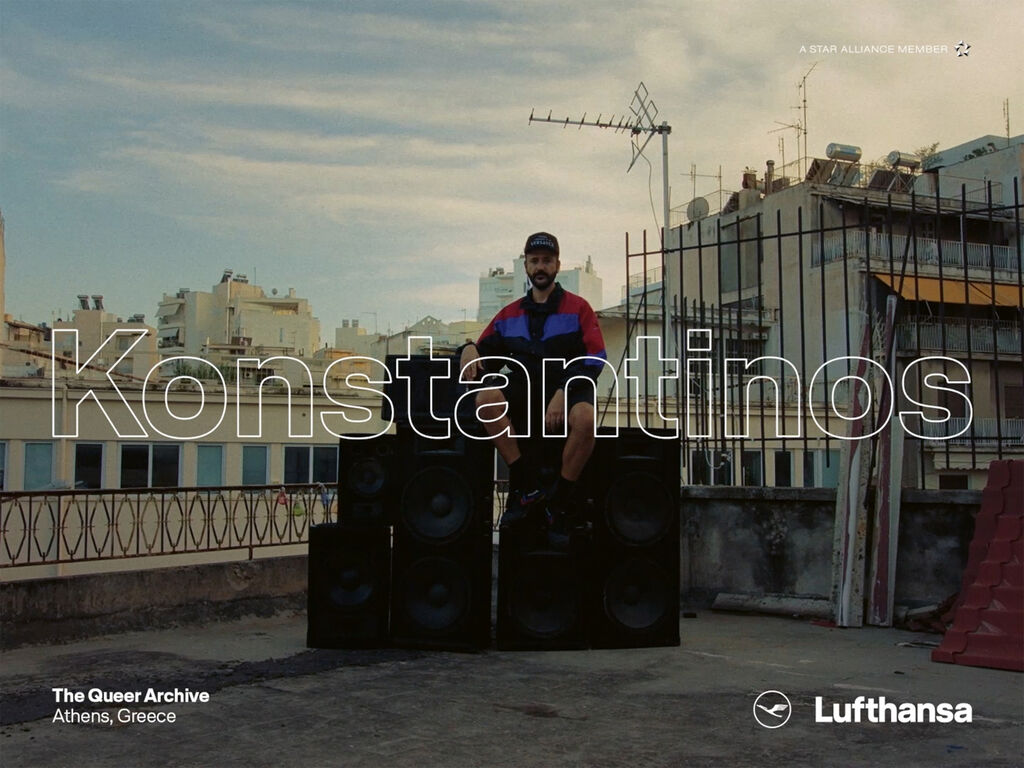
The Lufthansa campaign was powerful because it was a celebration of Pride and a tribute to the gay community — not a sales pitch. Yes, they featured three destinations, but they weren’t really telling you to book a flight there.
I think that works as a metaphor. Some people are afraid to get to know LGBTQ+ people or understand the queer world, just as some are hesitant to visit unfamiliar places. The campaign suggested that, as a straight person, you might also “visit” places that are unknown to you — whether physically or metaphorically.
The authenticity came through not just in the concept but in how it was made. It was filmed beautifully, with moments that felt raw — handheld shots here and there, but still high quality. And they used real people, not actors. You could tell they spoke from the heart.
What role do designers and creatives play in shaping public perception and social progress when it comes to LGBTQ+ visibility?
This is a difficult question. Outside Pride Month, if you push the message too aggressively, you risk irritating people and getting the opposite reaction. I believe the most effective approach — whether you’re a designer or not — is to show through your work and your life that you are just like anyone else.
I’m out in the industry, but I don’t use my identity as a marketing tool or as a constant theme in my work. I want to be respected first as a good designer, regardless of gender or sexuality. Of course, if an opportunity like the Lufthansa Pride Campaign came along, I’d be happy to take it on. But in everyday work, my priority is creating good design and, through that, show that we are all one people.
What advice would you give to younger queer designers or allies who wish to bring more inclusive storytelling into their work?
Before you’re a good designer, you should be a good person. And being a good person is not just about being good to other people. You have to be good to yourself, too – by being honest, authentic, and unafraid to come out.
A lot of young people hide their identity because of family, religion, or fear of how friends will see them. I went through that phase too, but I realised I couldn’t be truly happy — or a good designer — if I wasn’t myself. So I think the first step is to be honest with yourself and to come out and be proud and just show people that you’re good at what you do.
Your personal identity will naturally be reflected in your work – even if the project isn’t explicitly LGBTQ+-themed. Design inherently carries perceived gender cues. Viewers often interpret elements of a piece as masculine or feminine and make assumptions about its creator. For LGBTQ+ designers, this can be both a challenge and an opportunity: to question those assumptions, to explore whether there’s a unique design “language” for androgyny, queerness, or trans identity, and to weave it into their work in subtle yet authentic ways.
Are there any particular areas in the design world where you feel LGBTQ+ voices are still underrepresented or overlooked?
We’re lucky in the creative industry — there are many LGBTQ+ people here. But outside creative fields, it’s harder. Lawyers, politicians — they often face much more hesitation about coming out.
That said, representation in politics is still lacking. We’ve seen openly queer leaders in some countries, but in many places, especially with conservative politics, it’s still unforgiving.
Has your personal journey shaped the themes, values, or narratives you highlight in your design work?
Yes, absolutely. For example, I’ve been tomboyish since young and was never much into pink or Barbie dolls. That naturally influences my work as I don’t see myself designing something that is overly “girly”.
However, if I were working with a women’s fashion brand, I’d probably focus more on the message and build the narrative around universal themes that resonate with me, such as strength, independence, and confidence. For example, I might focus on the idea of a strong working woman. For me, that’s the power of design – it’s always narrative-led. This way, I always find a story that works for the client and also feels authentic to me.
Do you have anything you’d like to add?
I hope the global design industry will see more LGBTQ+ people who are able to stand up and speak for the community. Role models matter, even if it sounds cliché. When I was growing up, I had no lesbian designers to look up to — most examples were from entertainment.
At the same time, I don’t want my sexuality to be the headline. I’d rather people recognise my work first, and then, naturally, also know that I’m gay. To me, that feels like a more authentic path to representation.
I want to see more young LGBTQ+ designers doing well in the industry and stepping forward, even quietly, as representation. If we have more strong, visible LGBTQ+ voices in design, it will help the next generation feel confident, normal, and proud of who they are.

