Chi-Yi Chang
President of the Taiwan Design Research Institute (TDRI) and former Board Member of the World Design Organization (WDO), Chi-Yi Chang is dedicated to advancing design-driven innovation, reinforcing design’s strategic role in national development, industrial transformation, and social progress.
Established in 2020, TDRI is Taiwan’s first national design research institute, focusing on design policy, public services, industrial innovation, social design, and global collaboration. Through interdisciplinary integration, it enhances governance efficiency and strengthens corporate competitiveness.
Chi-Yi Chang holds a master’s degree in design studies from Harvard Graduate School of Design and a master’s degree in architecture from Ohio State University. As a former Deputy Magistrate of Taitung County and Professor at the Graduate Institute of Architecture at National Yang Ming Chiao Tung University, he has continuously fostered Taiwan’s design innovation and global engagement.
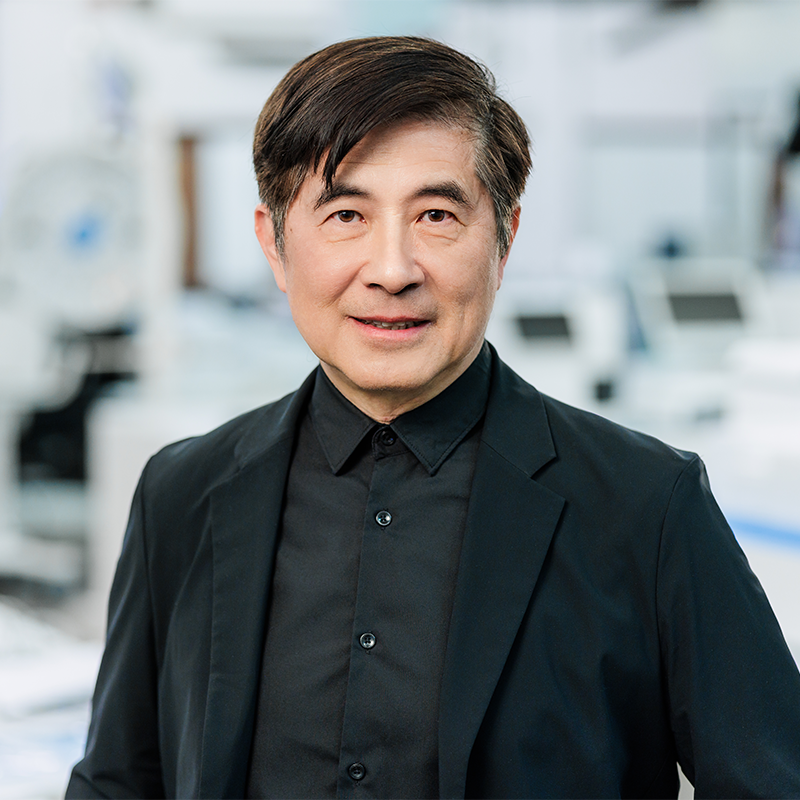
Red Dot in an interview with Chi-Yi Chang
How important is design in Taiwan, your home country, today?
Design has become enormously important for Taiwan’s innovative strength and global competitiveness. Institutions such as TDRI and events like YODEX and the Taiwan Design Expo are all a reflection of this shift. Major corporations have already internalised the immense significance of design, though many small businesses still need support through education and government policy to fully recognise its value.
You have held various positions, including that of deputy district administrator in your home town of Taitung. What role do you attribute to architecture and design in society?
Design shapes how we live, connect and grow. During my time in Taitung, hosting events such as the Taiwan Design Expo and the International Hot Air Balloon Festival revitalised the local economy and strengthened local identity. Architecture and design not only serve functional needs, but also strengthen the sense of community and cultural expression.
How important is sustainability awareness – especially in construction and architecture?
It’s essential. In Taiwan, sustainability awareness is driving innovation in architecture and design. TDRI has been promoting circular design through major exhibitions and public engagement platforms since 2019. This is encouraging environmentally responsible approaches that combine aesthetics, function and lasting value.
You also share your expertise with next-generation designers. Which values in design/architecture do you think are particularly important to convey?
Creating public value, promoting sustainable development and driving innovation through technology and design are key. These values prepare the next generation to tackle real-world challenges with creativity, responsibility and forward-thinking solutions that benefit both people and the planet.
You have written several books about architecture around the world. Is there such a thing as a “global aesthetic”?
Yes, but not in the sense of a single unified style. A global aesthetic is defined by the interpretation of shared values such as harmony, clarity and functionality in the respective local or cultural context. The best examples honour regional identity while engaging in global conversations about design.
This year was your first time as a Red Dot jury member. How would you rate the overall quality of the entries?
The quality was outstanding: very rich in creativity, originality and refined execution. Many of the entries stood out for their bold ideas and thoughtful approaches to design – it was truly inspiring to witness the forefront of global design.
Which building – anywhere in the world – are you most impressed by?
There is more than just one building that inspires me. I am impressed by how contemporary architecture responds to today’s challenges, such as climate change, social transformation and urban complexity. Adaptability and vision are what make contemporary architecture so fascinating.
One last question on a personal note: is there any item you couldn't live without? And if so, why?
My notebook. It’s where I collect my ideas, sketches and reflections. It’s simple, yet indispensable – a daily companion for documenting my creative and strategic thoughts.