
From studio to living room: Kristóf Kovács on designing the Studio Lamp
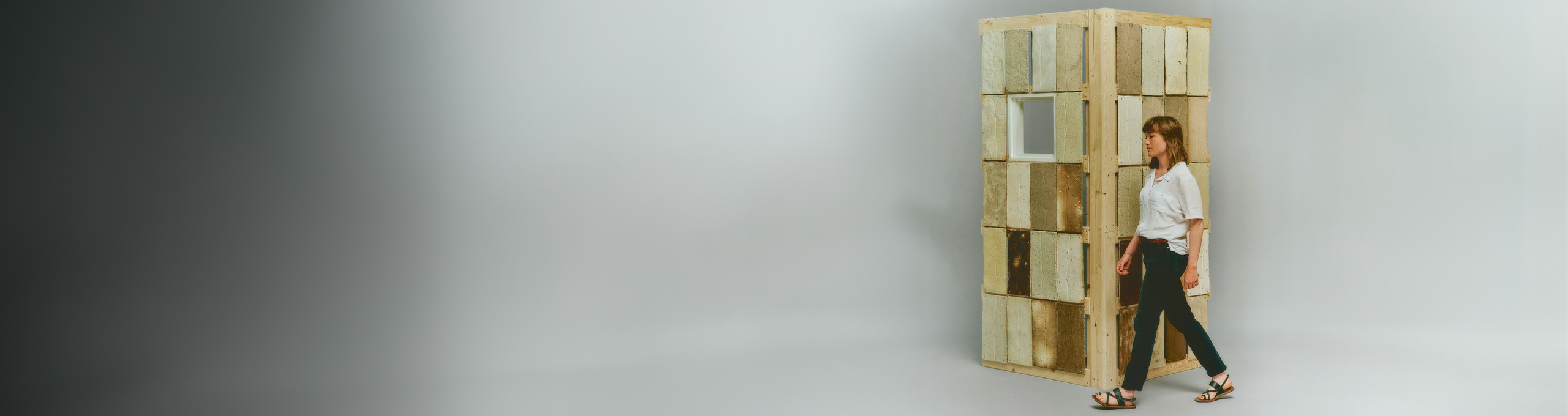
Sustainability is no longer just a trend in design – it is a responsibility. The Red Dot Award: Product Design recognises products that combine innovation, functionality, and environmental consciousness, highlighting solutions that rethink how we interact with materials and resources. In the metacategory “Sustainable Design”, Anna Maria Sand Jensen is redefining ceramics through the transformative potential of everyday waste.
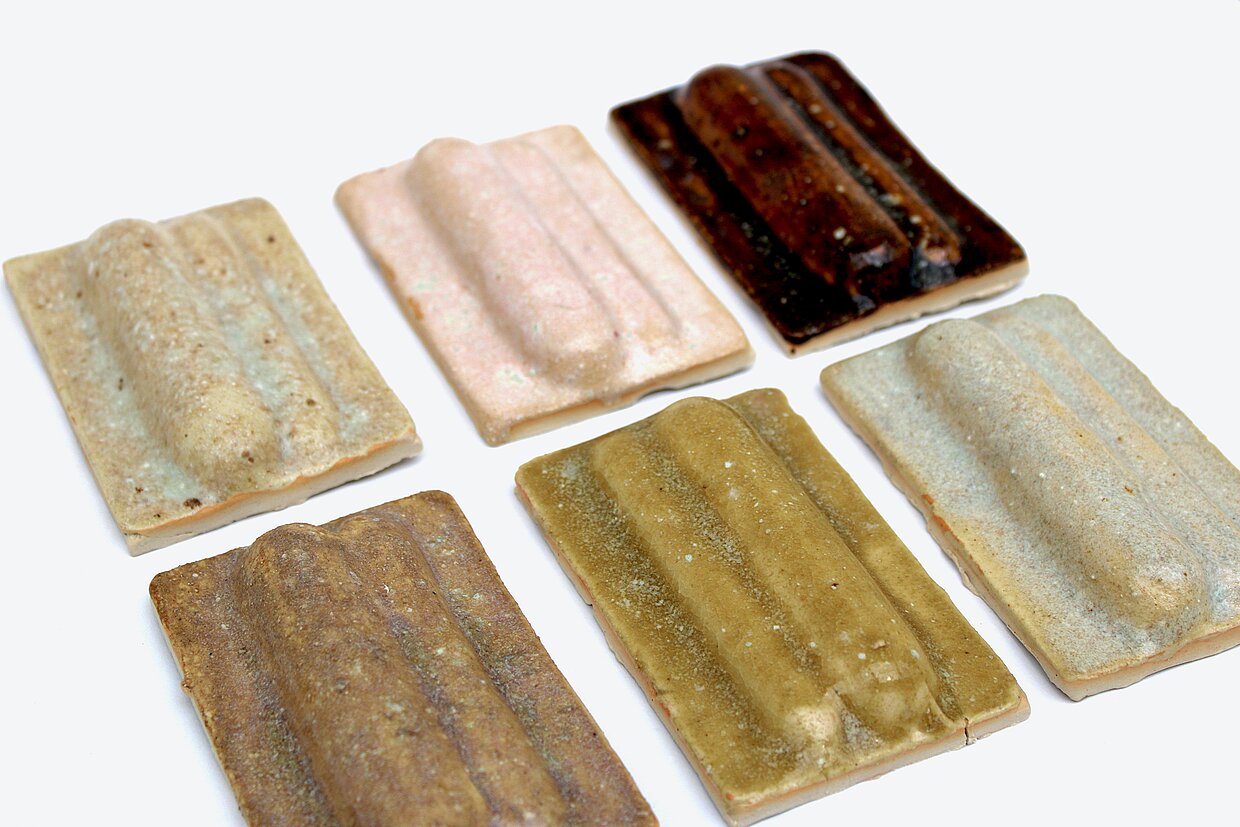
The creator of the Unwasted tiles turns discarded materials into handcrafted tiles that are as functional as they are beautiful. In this interview she shares the inspirations, challenges, and collaborations that have shaped her work, offering insight into designing with sustainability at the core and the mindset of a young professional shaping the future of design.
Red Dot: The Unwasted tiles turn everyday waste into something both functional and beautiful. What was your biggest inspiration for exploring such unconventional materials?
Anna Maria Sand Jensen: My biggest inspiration was to create something meaningful for others with my craft while staying true to my own values about consumption and resources. I wanted to explore how beauty and aesthetics can contribute to new designs and wellbeing in our built environment. We are surrounded by objects, but very few of them are handmade with real attention to the senses. I felt a need to make design that connects more directly to people and the way we live with materials every day.
How did you balance the sustainability goals with achieving the natural look, feel, and texture that make these tiles so distinctive?
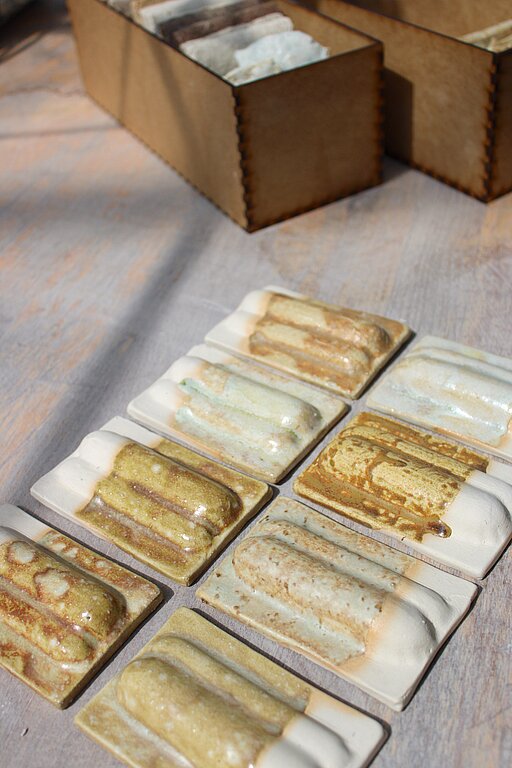
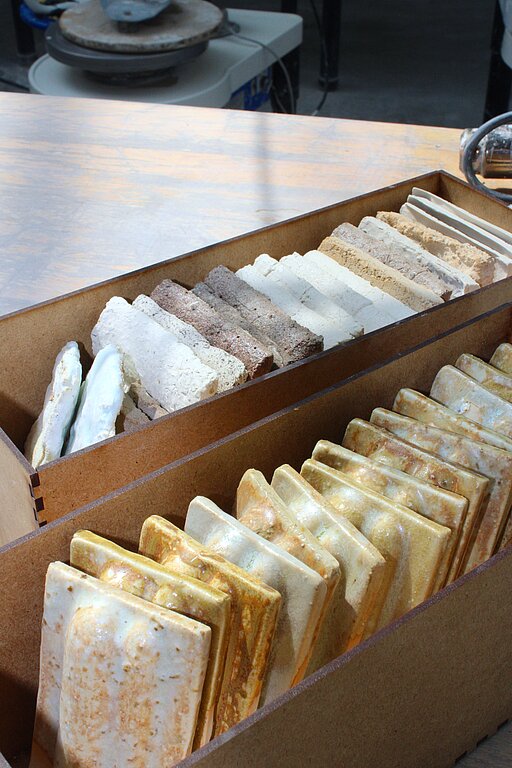
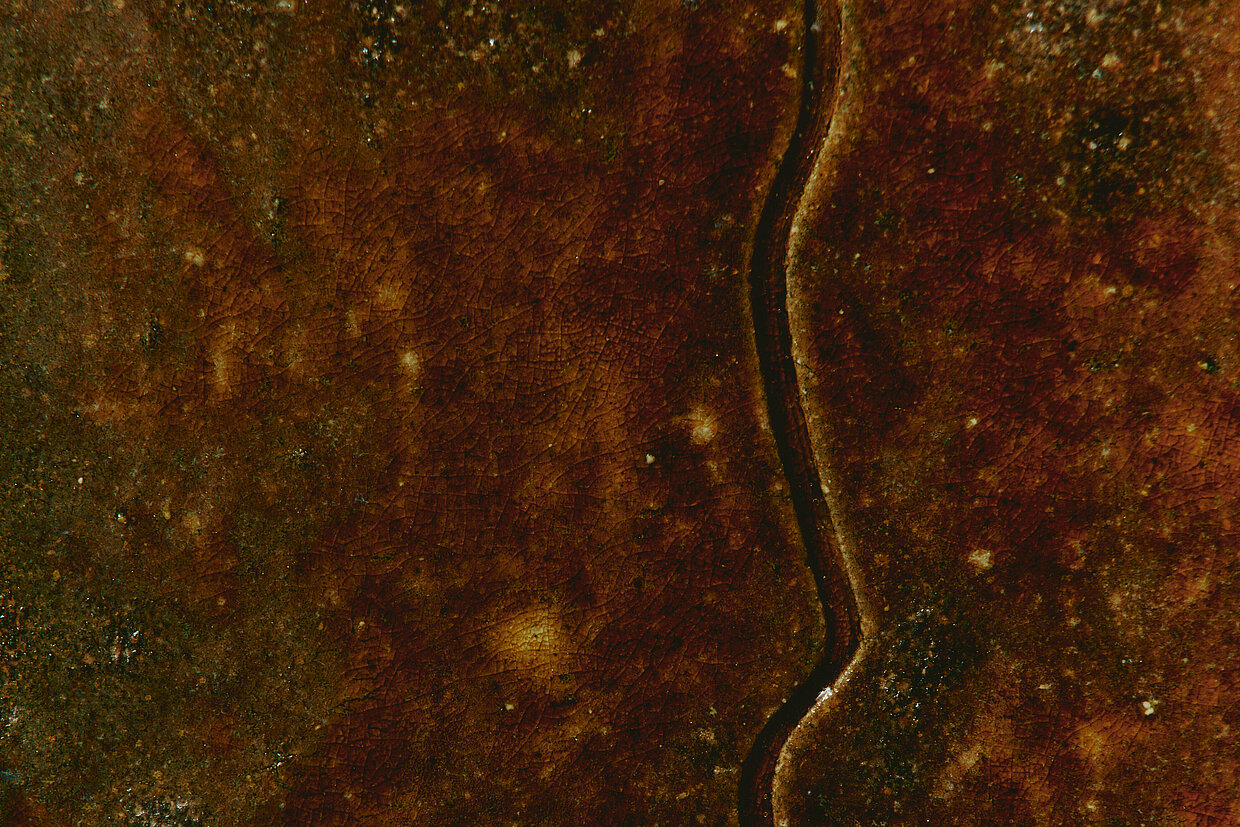
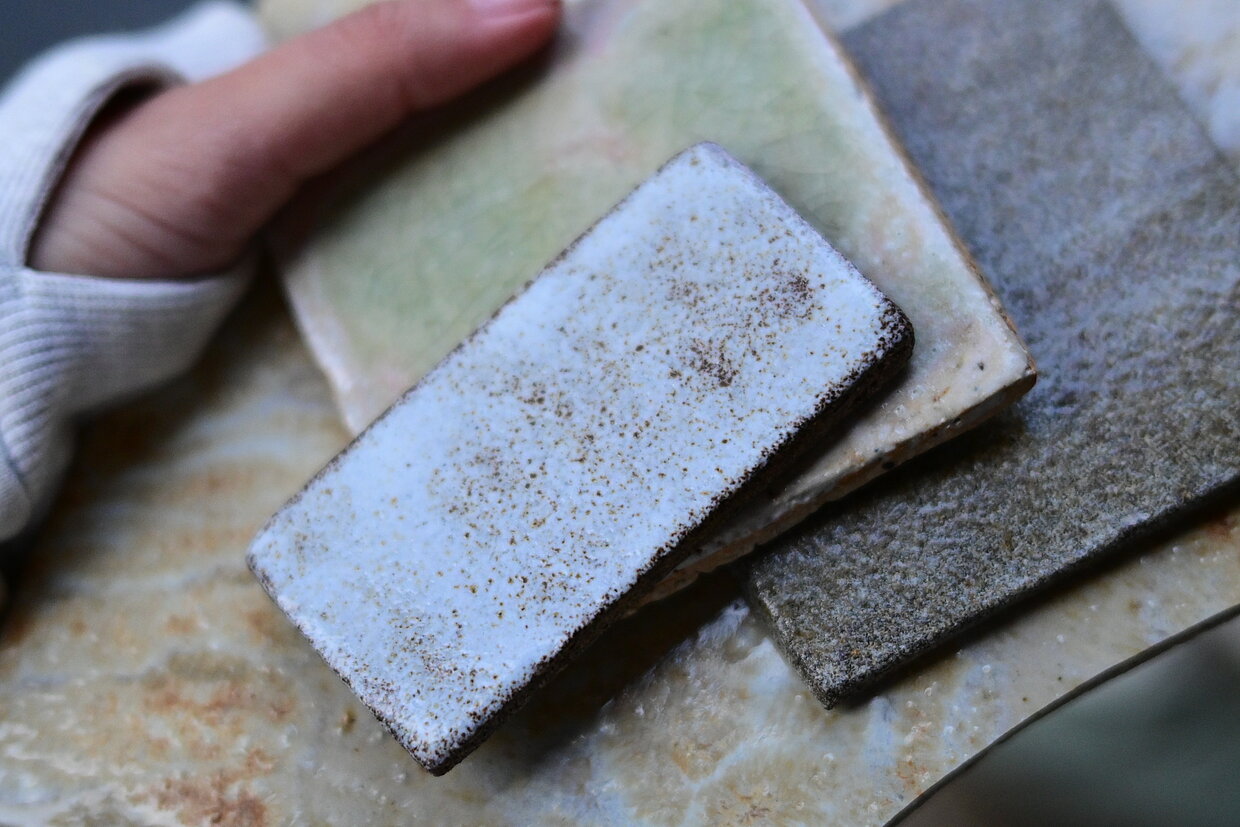
For me, sustainability and aesthetics were never separate. Drawing from long traditions in ceramic craft, I carried out extensive material research to test which types of waste and by-products could be used in ceramics. The results were never uniform – small variations in colour hues and texture emerged depending on the material. Instead of seeing this as a flaw, I embraced it. These subtle differences create curiosity and show the originality of each piece. It reflects a more circular mindset: design that welcomes unpredictability and allows materials to take part in shaping the final outcome.
Which aspects of your design give you the greatest sense of accomplishment, or hold the most personal significance?
One aspect I am very proud of is the material library I have built. Over the years, I have developed more than 100 recipes, ranging from clay types and tiles with up to 100 percent waste content and a big colour palette of glazes made from waste. This gives me a strong foundation for collaborations with architects and designers, and a flexible way of working with colour and texture.
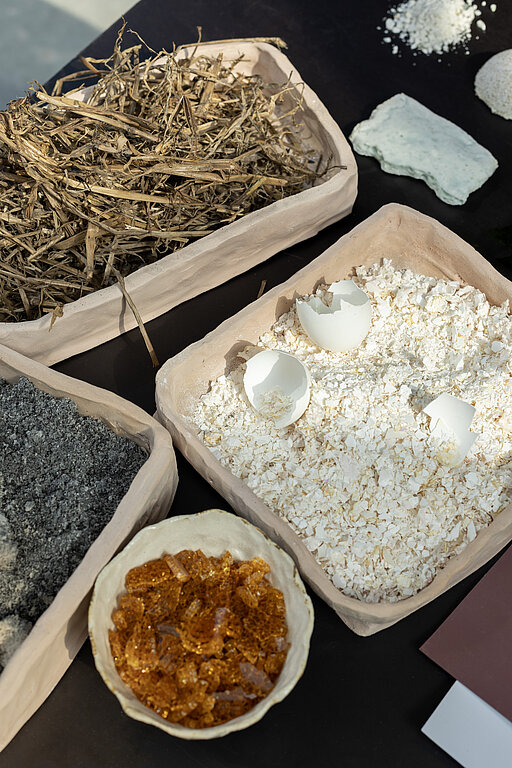
Equally important are the collaborations themselves – like with a large Danish egg producer who provides eggshells. These partnerships show how waste can be re-imagined as a resource, and how design can grow through working with others in society.
Were there any key moments or discoveries during the project that changed its direction or inspired you?
A defining moment for me was realising the hidden impact of the ceramic industry. Mining for raw materials affects biodiversity, there are social consequences for workers, and enormous amounts of ceramic waste are generated in production and at the end of a product’s life. I chose to see this not only as a challenge but as a design task: How could ceramics be rethought for 2025 and beyond?
This mindset led me to reach out beyond the industry and collaborate with other professions – for example, using food waste or agricultural by-products like eggshells or straw. I discovered that straw could melt into a glaze, and crushed potsherds could form a new clay mass for tiles. These moments showed me how materials we overlook can gain new value in unexpected ways by unwasting.
Have mentors or peers played a role in shaping your vision or challenging your ideas along the way?
During my studies at the Royal Danish Academy, I asked many questions: Where do our glaze materials come from? What happens to failed projects that are thrown out? Could we recycle them? My professors and head of the program encouraged this curiosity, supported me with equipment to crush waste, and helped me find resources outside the traditional frame.
Equally important was the openness of local businesses who allowed me to collect their waste – even small farms on Bornholm. Meeting people, exchanging ideas, and opening up my process was a strong driver in making everything thrive.
As a young professional, how do you stay current with the design landscape while making sure your work remains original and forward-thinking?
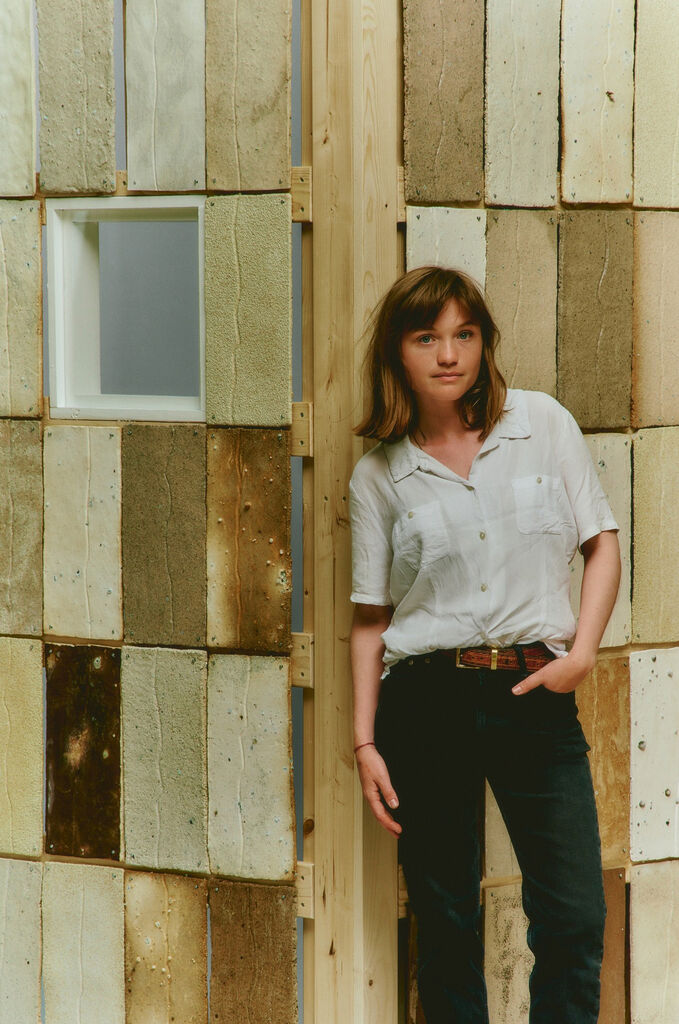
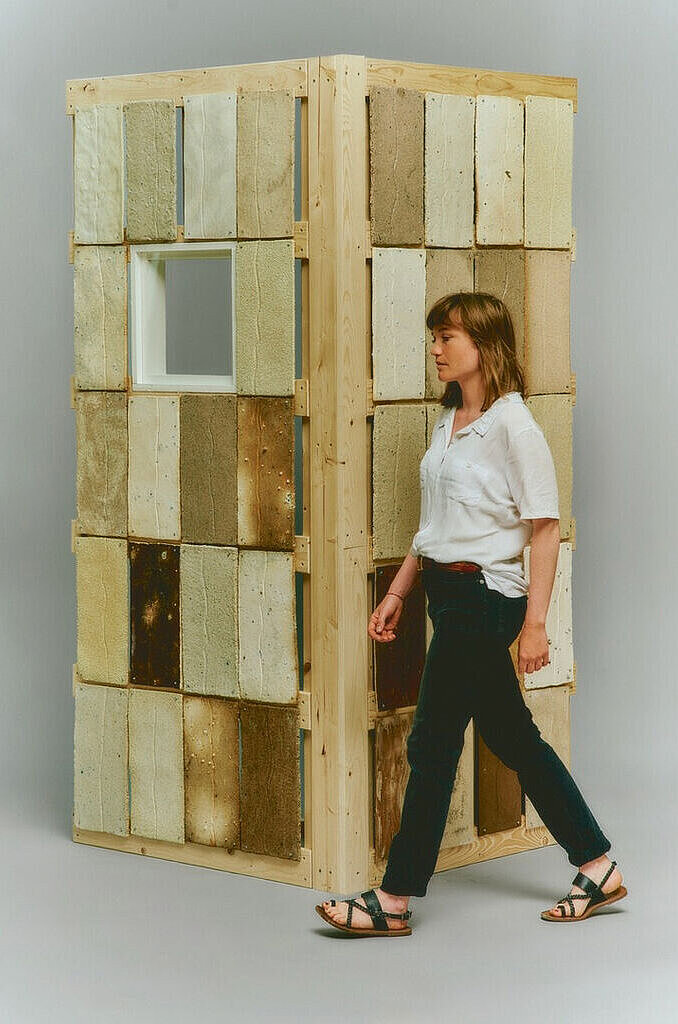
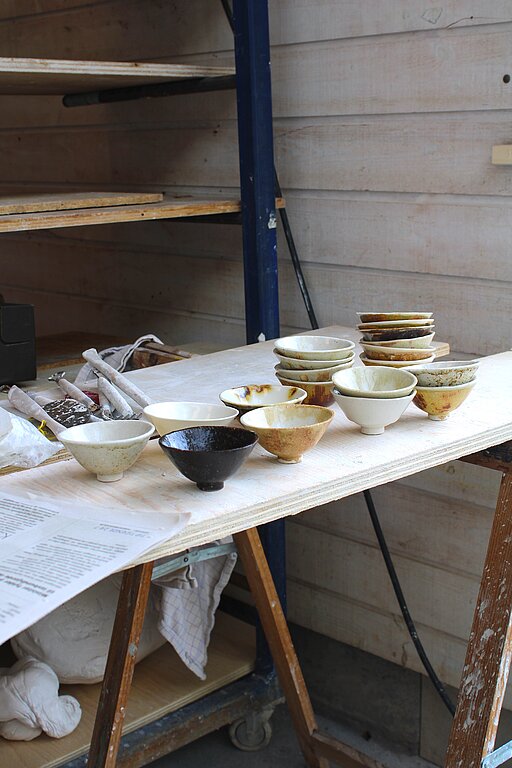
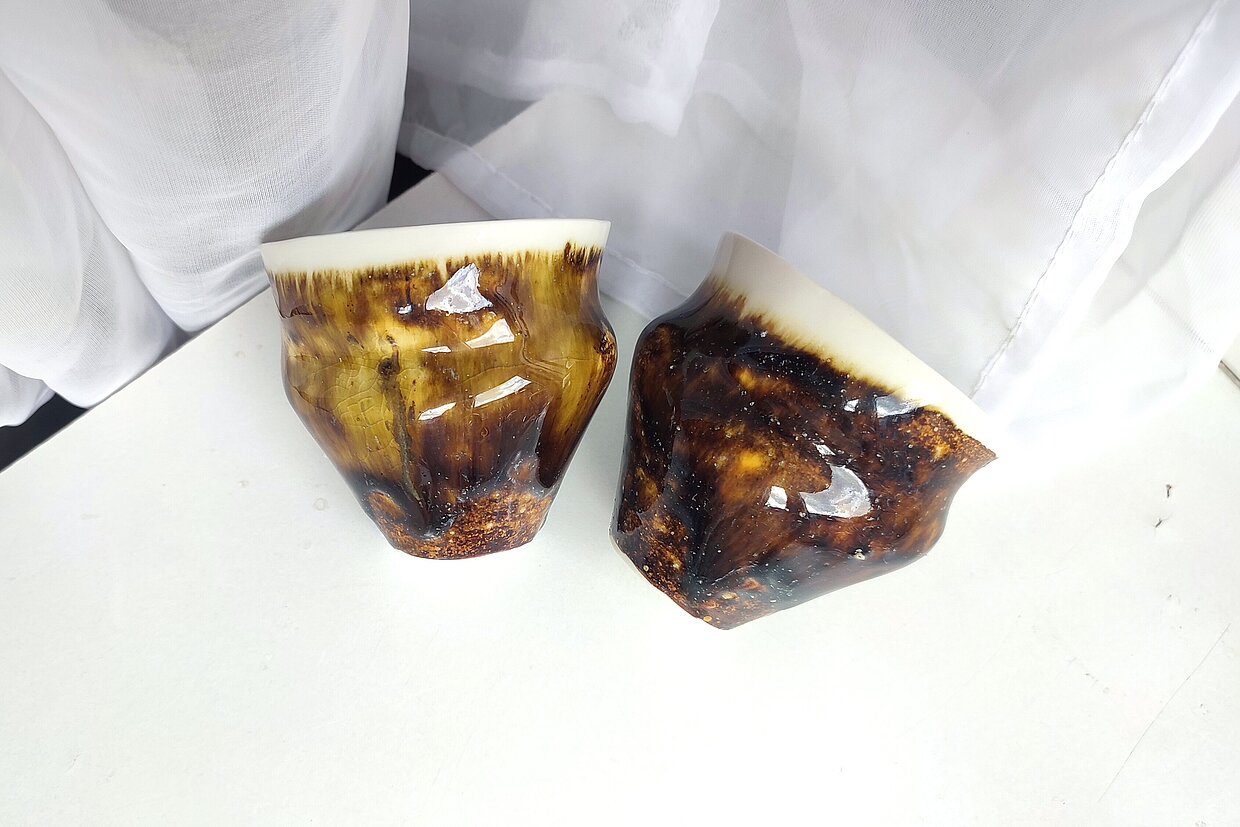
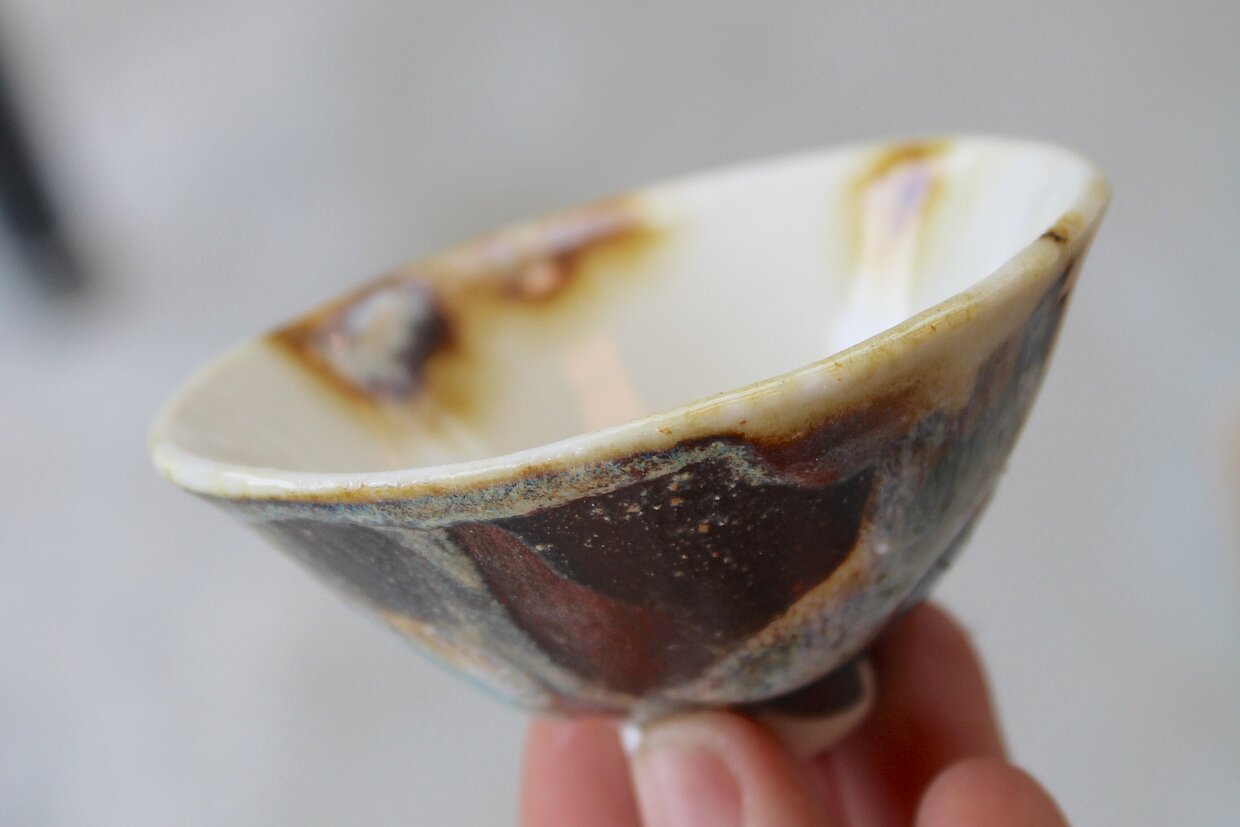
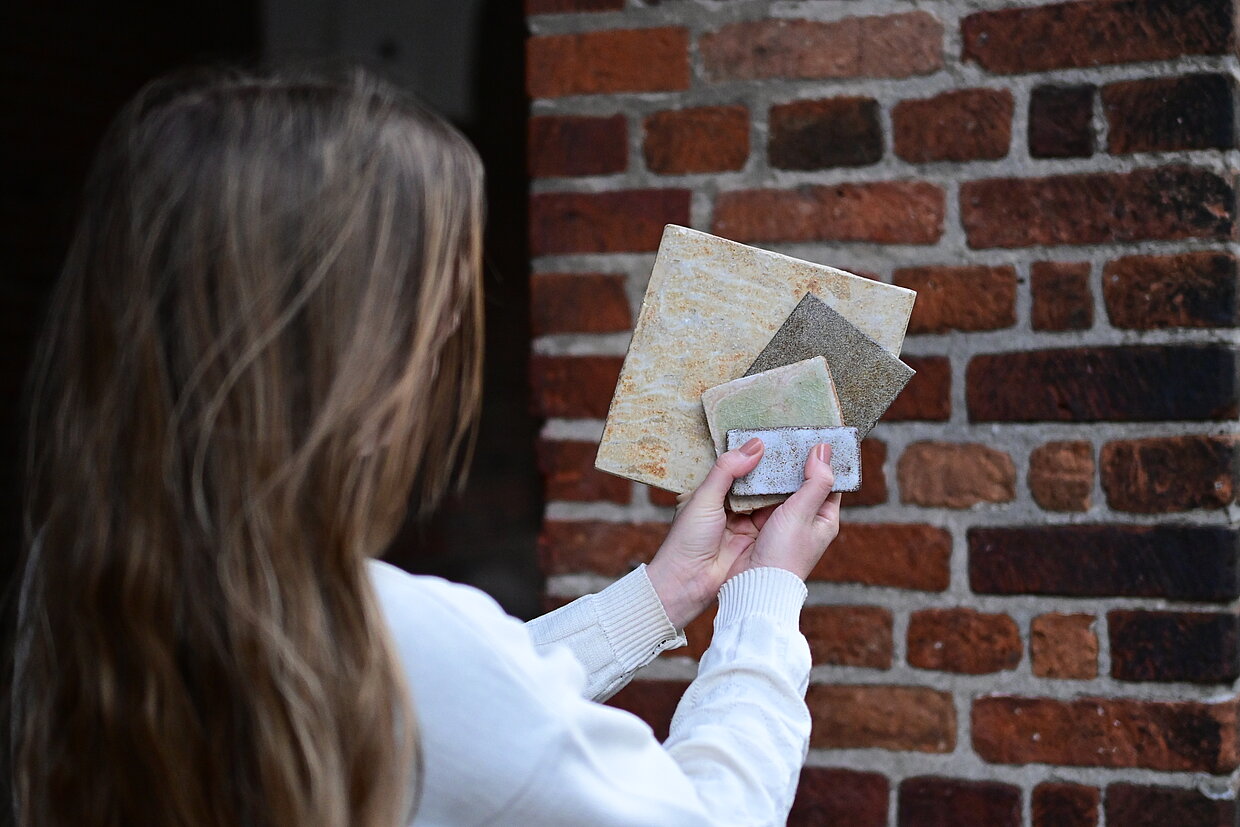
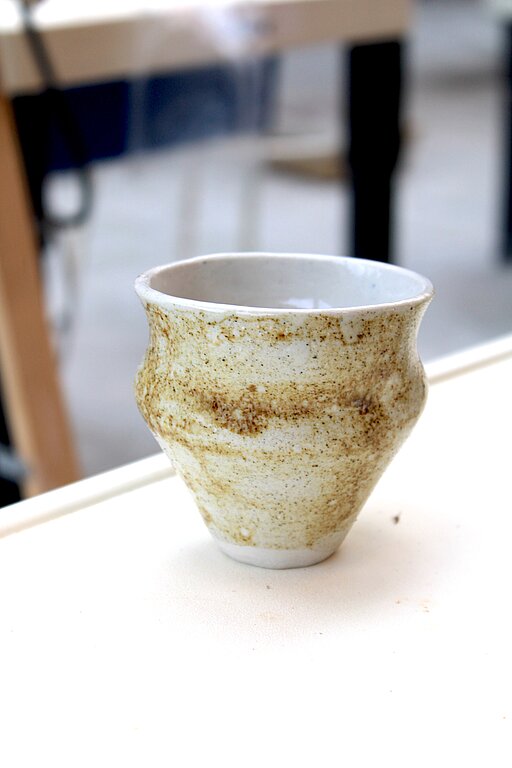
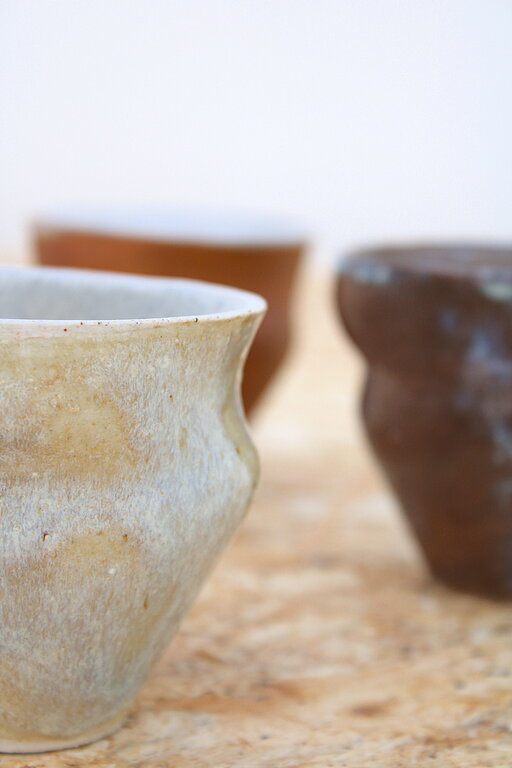
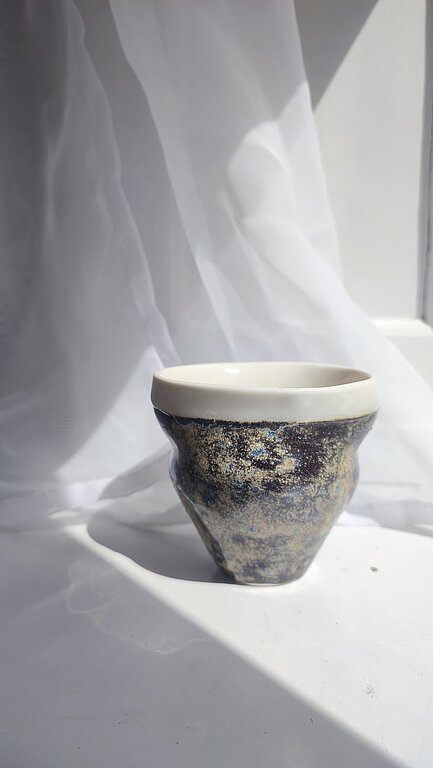
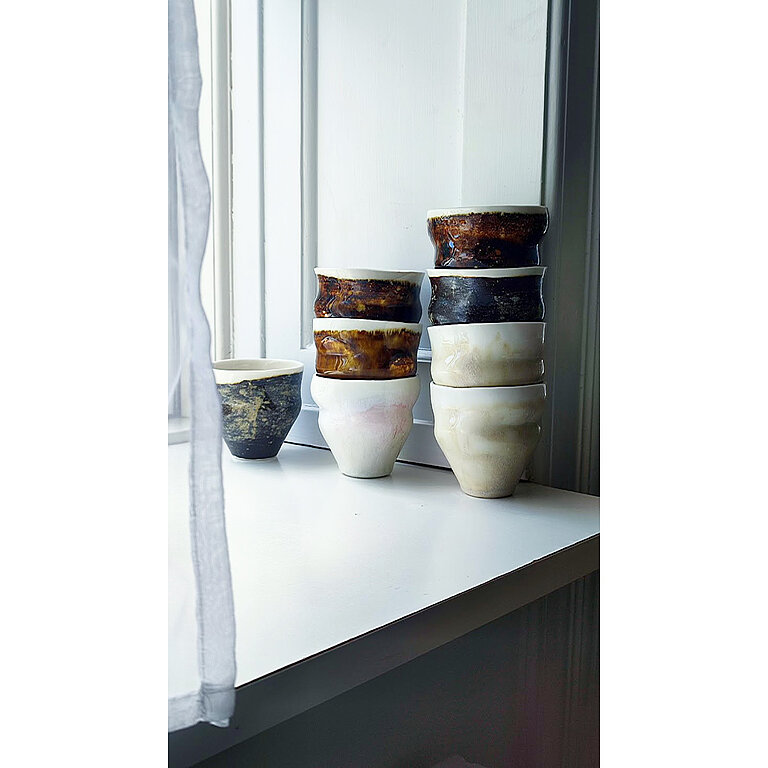
I believe good design is something that stays relevant over time. That already touches on sustainability. My tiles can be revisited, repaired, and adapted – whether they are used in renovations, integrated into facades, or as details around a window. I also experiment with using the same recipes for other objects, such as cups, so the sustainable choices can reach into our homes as well.
For me, being forward-thinking means not pretending to have all the answers. Instead, it is about developing continuously, staying open to new discoveries, and grounding design in honest material use and references to nature.
Looking ahead, what types of projects or industries are you most excited to explore?
I am very interested in the building industry, because architecture has a deep influence on human wellbeing. We experience buildings with our whole body through colours, textures, and scale. Ceramics have strong protective qualities, such as fire resistance, which could complement new biomaterials used for insulation or structures.
I see potential in making ceramics in general more circular: I use the same material both for tiles and for my tableware designs like cups. In this way, design can move seamlessly between architectural contexts and everyday life, always keeping sustainability at the core.
In what ways has participating in the Red Dot Award: Product Design impacted your growth or career as a young professional?
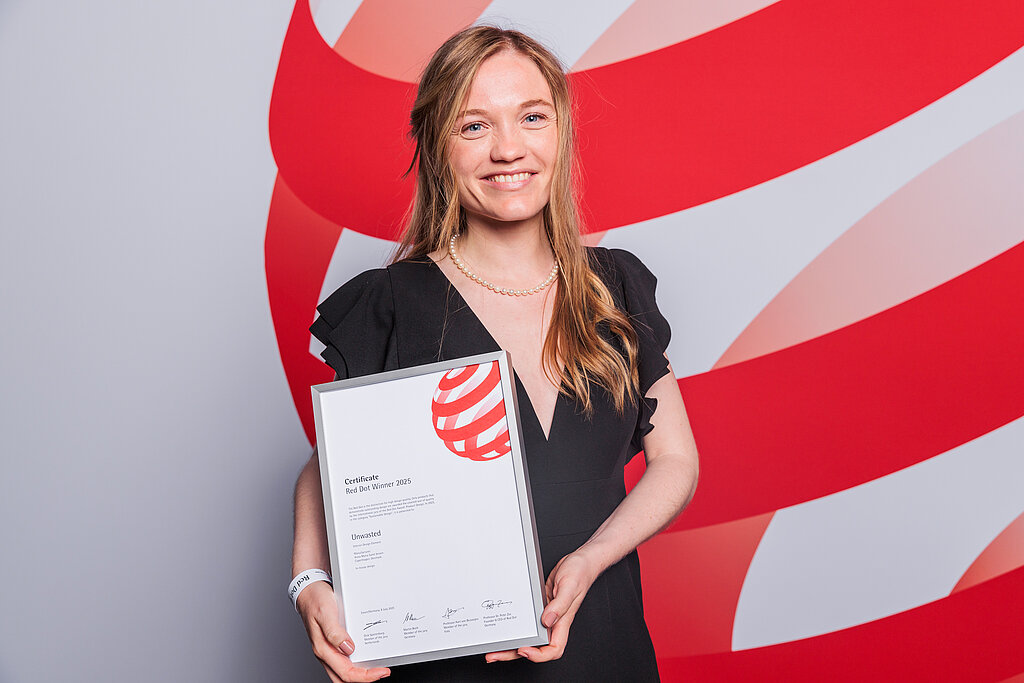
Winning in the Red Dot Award has been a huge recognition of the relevance of my work beyond the workshop. Working with alternative materials involves countless failures, tests, and retries. Being acknowledged by a highly esteemed jury for the design quality gives me the energy to continue researching and creating. It strengthens my belief that what I do is needed, and it motivates me to keep growing creatively. Being recognised in the Sustainable Design category is especially meaningful, because sustainability is integrated in every step of my process.
What was your impression of the Red Dot award ceremony in Essen, Germany?
It felt like a beautiful celebration of what makes us human – our ability to create. All around us, objects are designed in some way, and in Essen I saw how many different fields of design could come together in one place. As a young professional, it was inspiring to meet designers whose work I had only read about during my studies. Being part of this event made me feel like I was joining a larger global design community, while also contributing something of my own to it.
What’s your top tip for young designers just starting out?
Stay honest, creative, and curious. As young professionals, we often think our work must be perfect before sharing it, but I believe it is the process and the ideas that form the true core of creation. Don’t be afraid of prototypes that are rough or in development – they carry a lot of potential.
And always keep a close connection to materials, whether it is wood, glass, metal, or ceramics. Making and sketching with your hands can reveal insights that no computer screen will. There is so much ahead of us, and every generation of designers both learns from others and contributes something new.
On 19 November 2025, young designers will have 24 hours to secure one of 50 free registration spots for the Red Dot Award: Product Design 2026.
Those selected in the draw will receive free entry to the competition – and with it the chance to compete with the best in the industry and present their work to a global audience. If they are awarded, they will also receive the Winner Package Regular free of charge, which offers comprehensive support in communicating their success internationally.
Anyone who graduated no more than five years ago is eligible to participate.
Further information on participation and the conditions of entry can be found here.

