
Analogue made easy: Young professional Arno Peever on innovation and inspiration
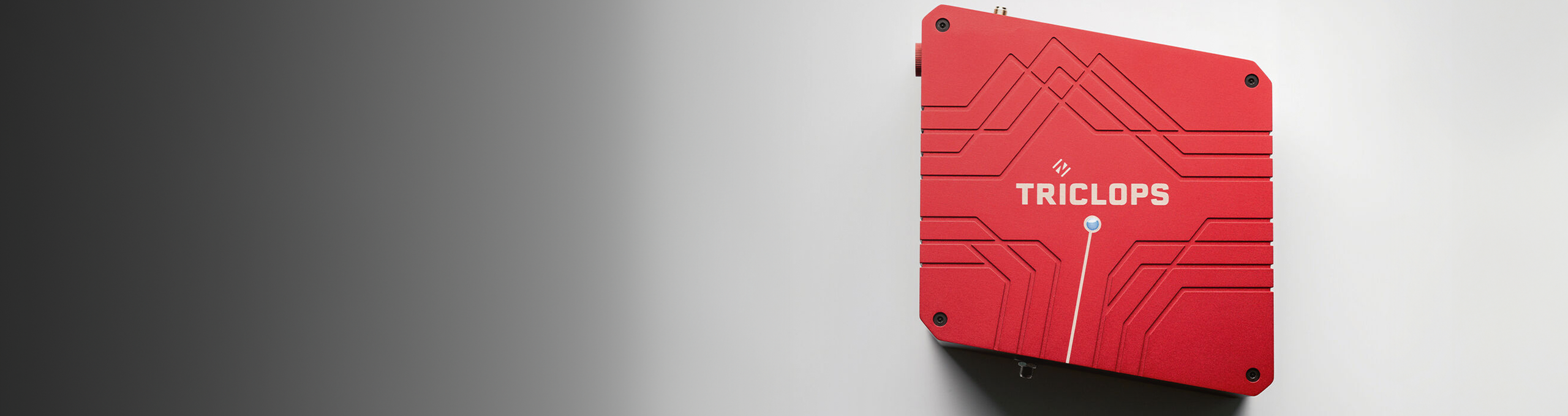
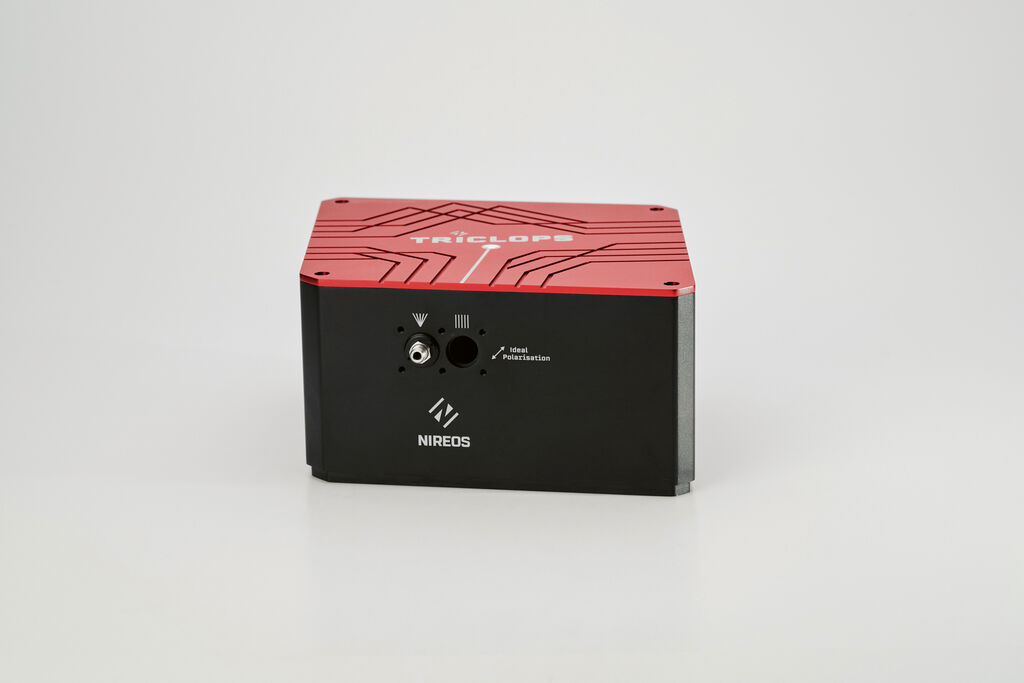
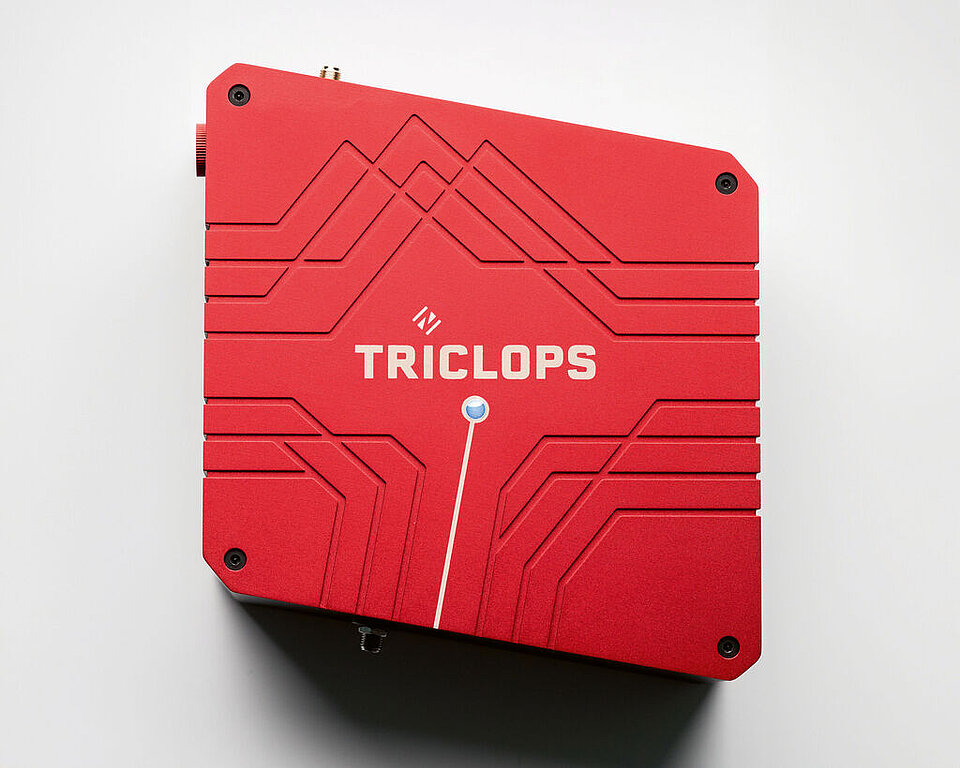
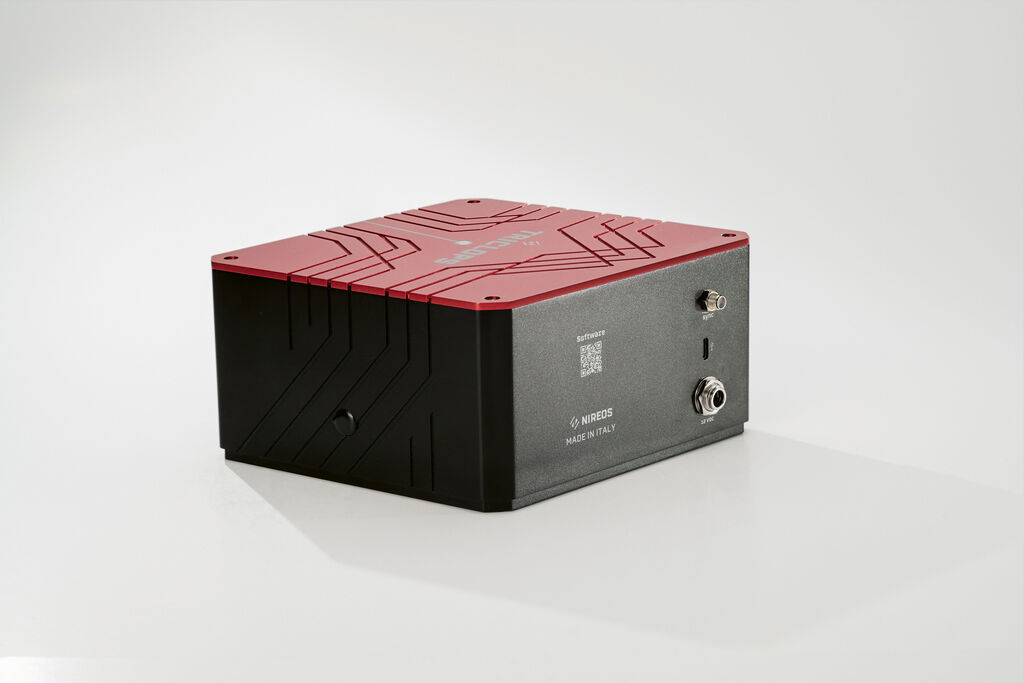
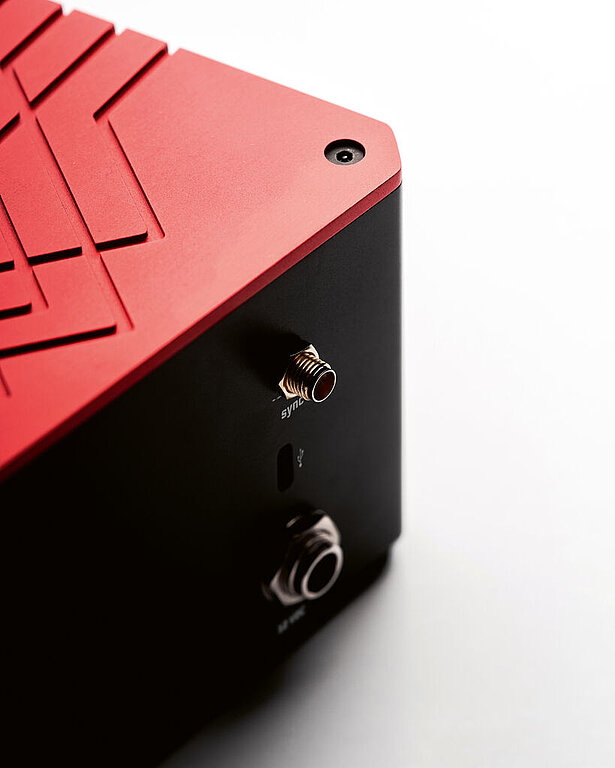
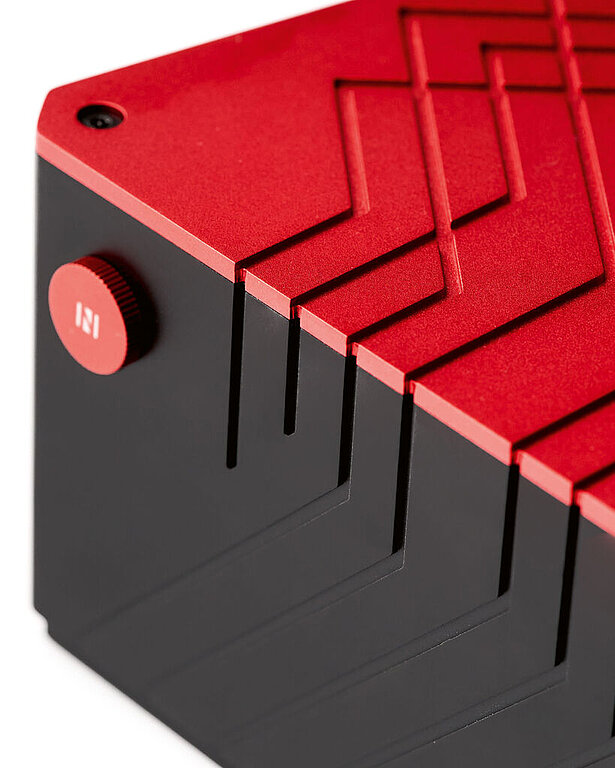
Triclops combines advanced measurement technology with a slim, user-friendly design, redefining how spectrometers are perceived and used in laboratory environments. Behind its approachable yet precise form is Carlotta Antonietti, a young multidisciplinary independent designer whose thoughtful approach bridges engineering and aesthetics. In this interview, she shares how she balanced technical constraints with creative freedom, the significance of small design details, and what it means to dream big as a rising professional in the design field.
Red Dot: Triclops combines advanced measurement technology with a slim, user-friendly design. What guided your approach to uniting technical precision and usability?
Carlotta Antonietti: My approach has been rooted in the belief that sophisticated technology should feel approachable, not intimidating. I started by understanding exactly how users interact with spectrometers, their workflows, pain points, and the environments they work in. The key was finding the sweet spot between communicating technical precision and maintaining accessibility. Throughout the process, I worked closely with Nireos’s engineering team to ensure that aesthetics and functionality would work together. Every shape, every surface detail was designed for the visual appeal and practical performance. The result is a product that looks as advanced and high-performing as it actually is, while remaining genuinely user-friendly.
From the three-sensor system to the carefully crafted housing, which design decision do you feel most elevates Triclops beyond standard spectrometers?
I think both the three-sensor system that provides exceptional technical capability, thanks to brilliant engineering work by Alex Barker and the Nireos team, and the housing design truly differentiates Triclops in the market. Most spectrometers look strictly industrial, which can create barriers for users. My design approach was to create something that feels approachable and confident, a tool that invites interaction. The clean form language communicates precision and reliability at first glance, which is crucial when users are making significant investment decisions. But beyond aesthetics, the housing design directly impacts functionality. Every detail and surface was considered for how it affects user workflow, maintenance access, and integration into existing lab environments.
Which aspects of your design give you the greatest sense of accomplishment, or hold the most personal significance?
Apart from winning a Red Dot Award?! The most personally significant detail is the status LED placement on the lid. It seems like a small decision, but it represents everything I value about thoughtful design. The engineering team was initially hesitant due to assembly complexity, but I advocated for this position because I knew it was optimal for users. The LED needed to be visible from any angle in a lab environment, whether someone is across the room or working directly with the instrument. What gives me the greatest sense of accomplishment is that this small detail demonstrates how good design often happens in the margins to have a major impact on daily user experience.
Were there any key moments or discoveries during the project that changed its direction or inspired you?
The defining moment came early when the engineering team presented me with the fixed internal volume, the three sensors in specific positions that couldn't be moved. Initially, this felt like a restrictive challenge, but it became the most inspiring constraint of the project. I had to think inside-out, using the internal volume as the foundation for the housing design, trying not to compromise the usability of the product or waste materials. Rather than fighting these limitations, I embraced them, realising that the internal constraints could actually create a striking and memorable external form. It was a moment that inspired me to see constraints as potential opportunities; I would probably not achieve the same result with complete freedom.
Have mentors or peers played a role in shaping your vision or challenging your ideas along the way?
Absolutely. I usually seek out diverse perspectives because I believe great design emerges from questioning, not isolated thinking. Some of my most valuable insights came from conversations with people in completely different fields, like engineers or business developers. When someone outside design challenges my assumptions or asks unexpected questions, it often reveals interesting blind spots. This process of refining, and sometimes completely reconsidering my ideas, is what transforms a nice concept into something that truly works.
As a young professional, how do you stay current with the design landscape while making sure your work remains original and forward-thinking?
I actively explore emerging trends, study other designers' work, timeless references, and experiment with new technologies. This approach helps me to be aware of how the design world is evolving, but I ground every creative decision in strategic reasoning. I look at everything with a critical lens, asking not just “what’s popular” but “why does this work” and “how does it serve the user’s needs”. I also adore drawing inspiration beyond the design field, from movies, music, and contemporary art. This approach allows me to create work that feels both modern and uniquely purposeful.
Looking ahead, what types of projects or industries are you most excited to explore?
As a multidisciplinary independent designer, I’m most excited to explore projects where product design, graphic design, and technology truly converge. I’m drawn to opportunities where these disciplines can inform and elevate each other to create more holistic user experiences. I want to tackle projects where my multidisciplinary approach can solve problems that single-discipline thinking might miss.
In what ways has participating in the Red Dot Award: Product Design impacted your growth or career as a young professional?
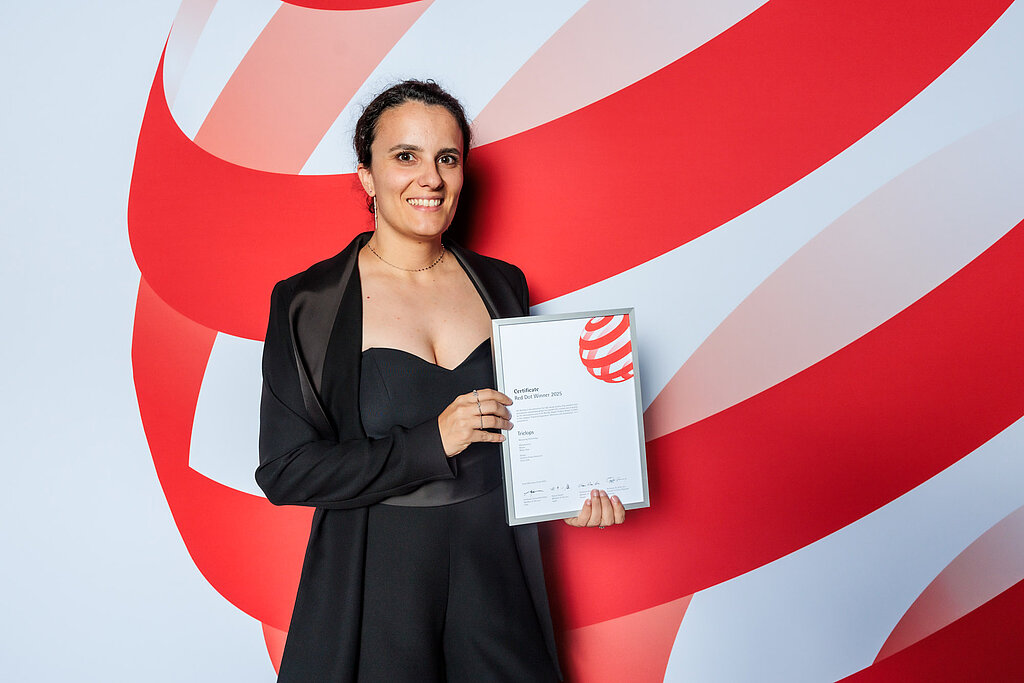
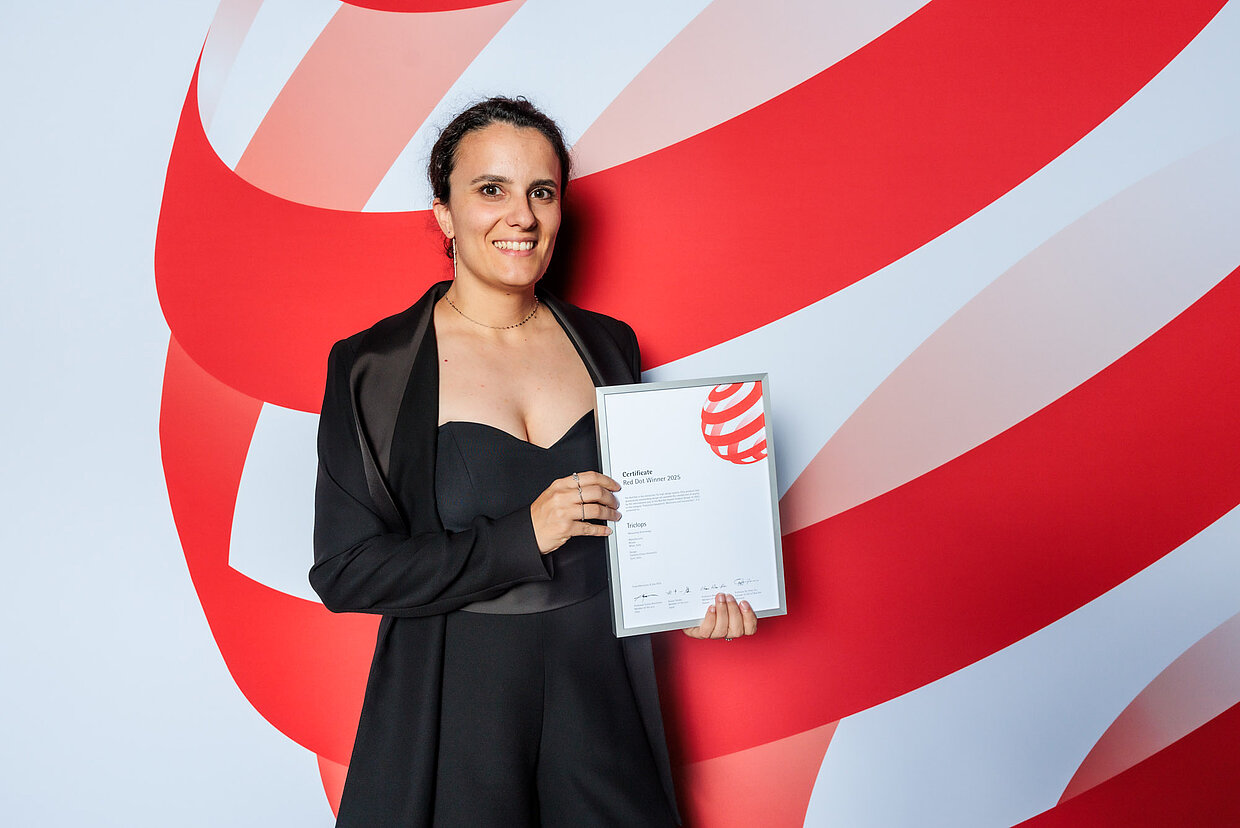
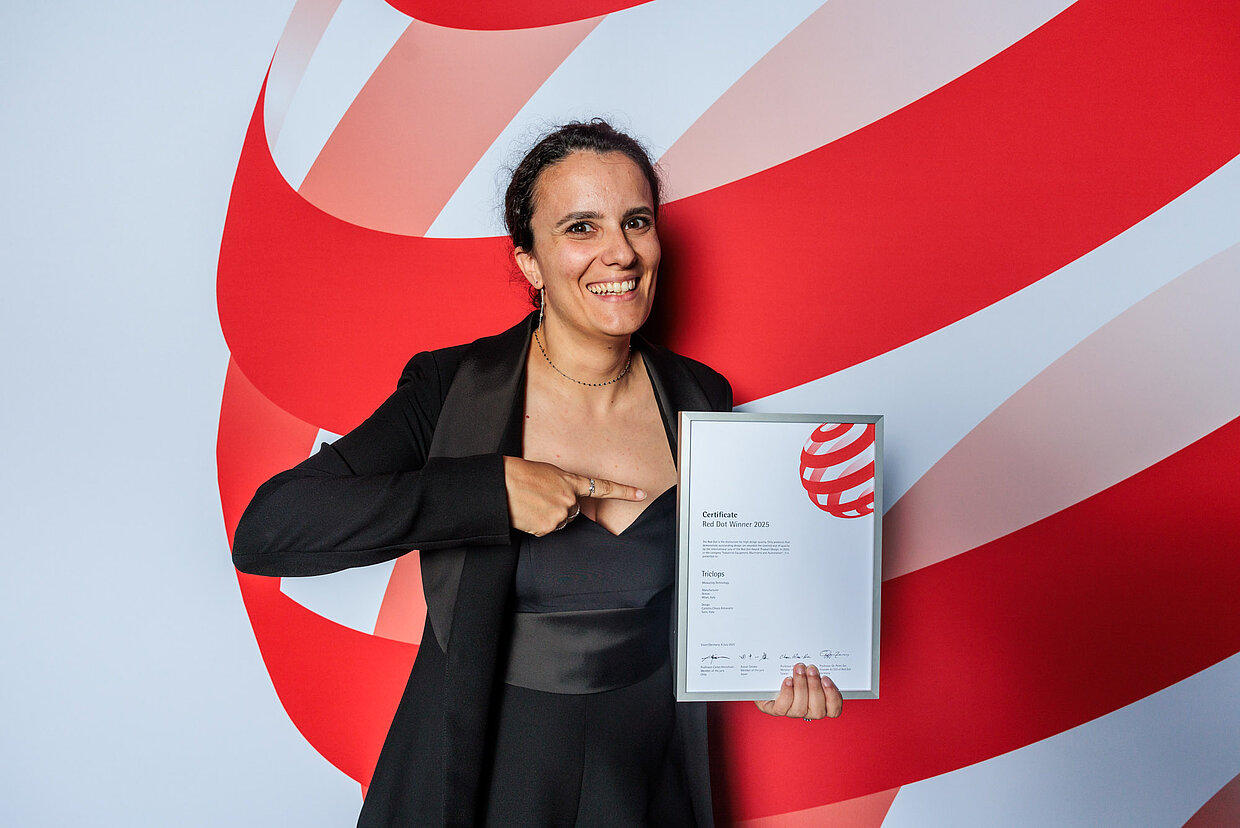
Winning the Red Dot award has been transformative for both my confidence and professional trajectory. It has opened doors I didn’t expect, strengthening my presence in the design field on an international level and recalibrating my ambition.
What was your impression of the Red Dot award ceremony in Essen, Germany?
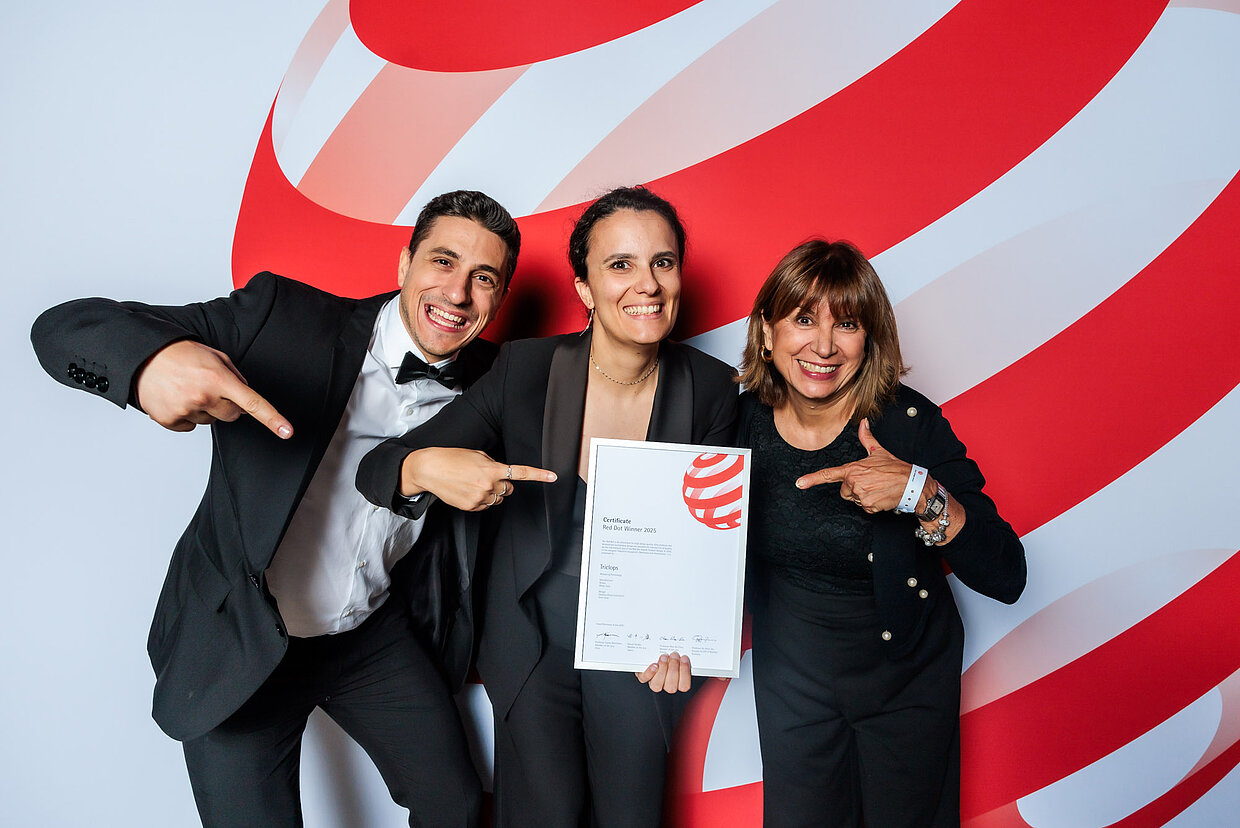
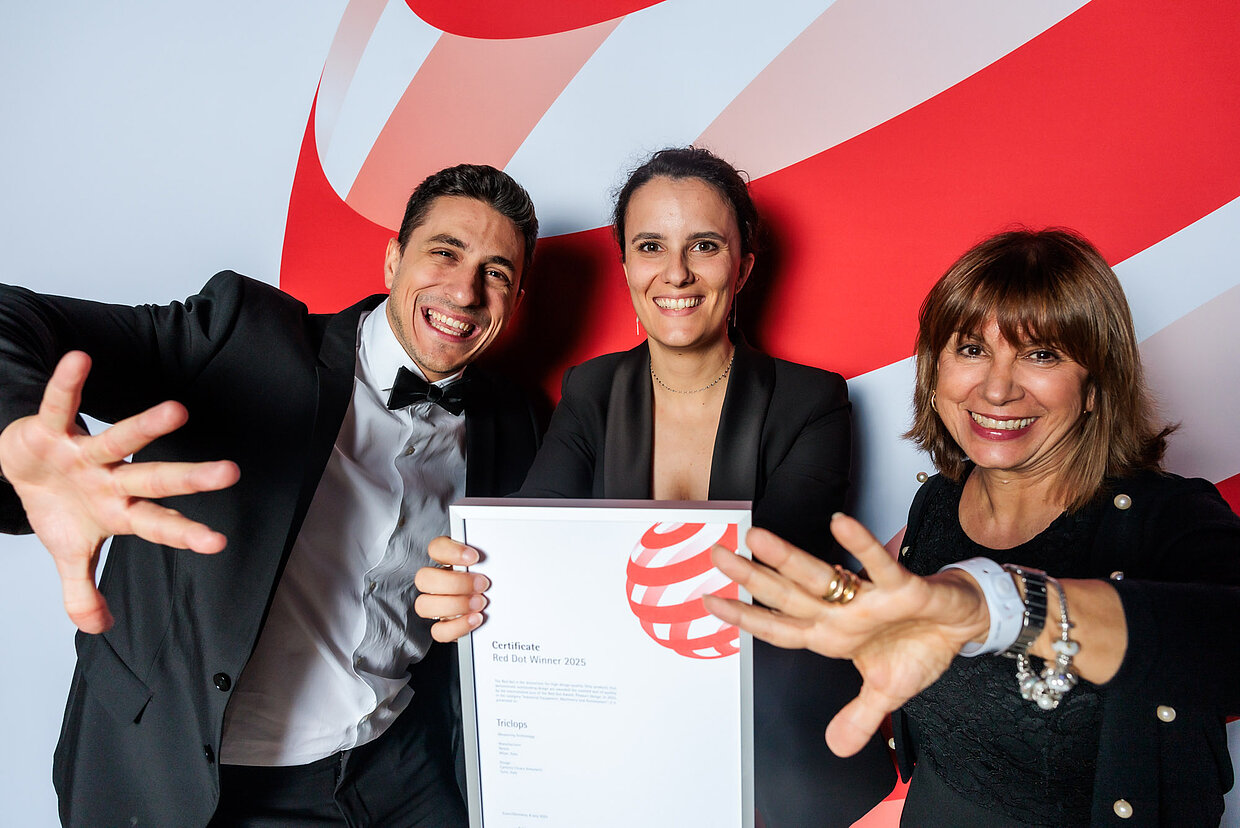
It was genuinely magical, a moment where the design community felt tangible and inspiring. Being surrounded by brilliant designers from companies around the world, all celebrating innovative work, reminded me why I love this field so much. What struck me most was the attention to detail in every aspect of the ceremony itself. It recharged my passion for design and reinforced how meaningful this work can be when it’s recognised and shared. I was excited and honoured to be there, and I hope to come back.
What’s your top tip for young designers just starting out?
To dream big. The Red Dot Award seemed impossibly distant when I was a student. Now I’ve not only won a distinction but attended the ceremony in Essen. The journey as an independent designer taught me that ambitious goals aren't unreachable, but they require consistent, purposeful work. It’s showing up consistently, staying open to learning, and never letting obstacles convince you to lower your sights. So, for young designers, my top tip is to dream big and never stop.
On 19 November 2025, young designers will have 24 hours to secure one of 50 free registration spots for the Red Dot Award: Product Design 2026.
Those selected in the draw will receive free entry to the competition – and with it the chance to compete with the best in the industry and present their work to a global audience. If they are awarded, they will also receive the Winner Package Regular free of charge, which offers comprehensive support in communicating their success internationally.
Anyone who graduated no more than five years ago is eligible to participate.
Further information on participation and the conditions of entry can be found here.

