

Partnership brings Japanese design to the international stage
JIDA and Red Dot:
In Japanese design, simplicity means focusing more on what is important and abandoning what is superfluous. Every element that remains serves a purpose, whether practical, emotional or poetic. This approach to simplicity focuses on care and balance, aiming for clarity in every detail. In Japan this idea has evolved over centuries into a broader cultural sensibility – one grounded in monozukuri, the devotion to making with care, precision and purpose.
This way of thinking is evident in many areas, from electronics and stationery to craftsmanship. It reflects a belief that refinement, not novelty, gives design its enduring value. In the Red Dot Award: Product Design 2025, three winning products from Japan exemplify this philosophy with particular clarity: the iA Notebook, the nwm ONE headphones, and the OZREE glass cutter, each awarded a Red Dot: Best of the Best. Though they differ in function, they share an approach rooted in reduction, sensitivity and restraint.
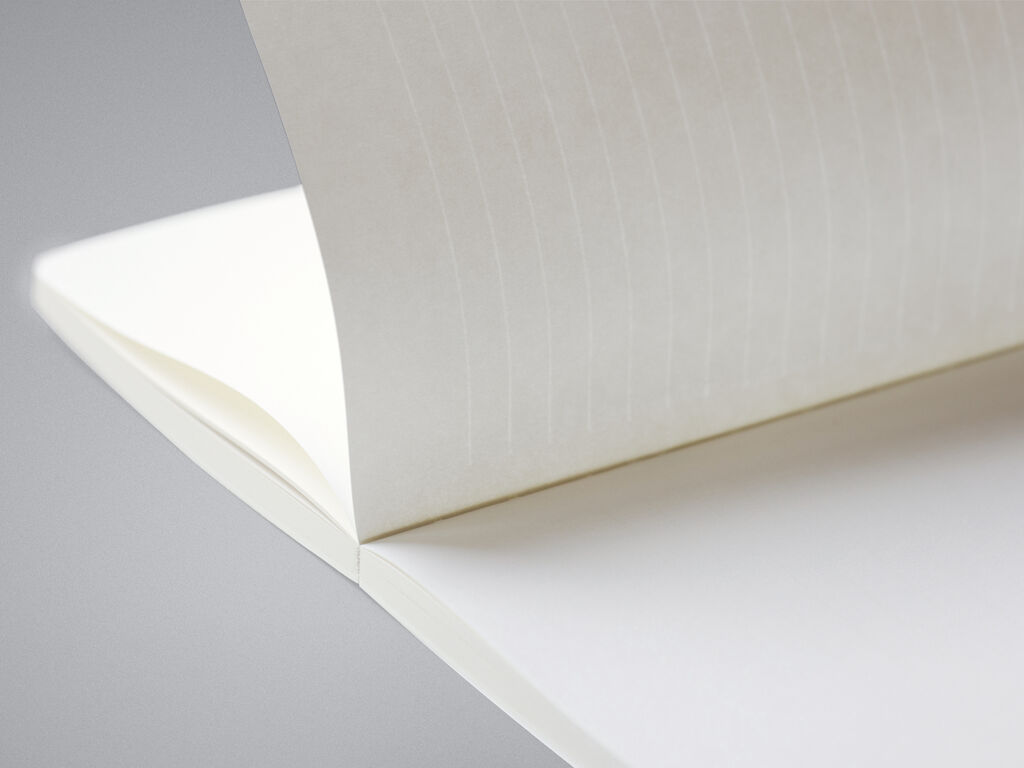
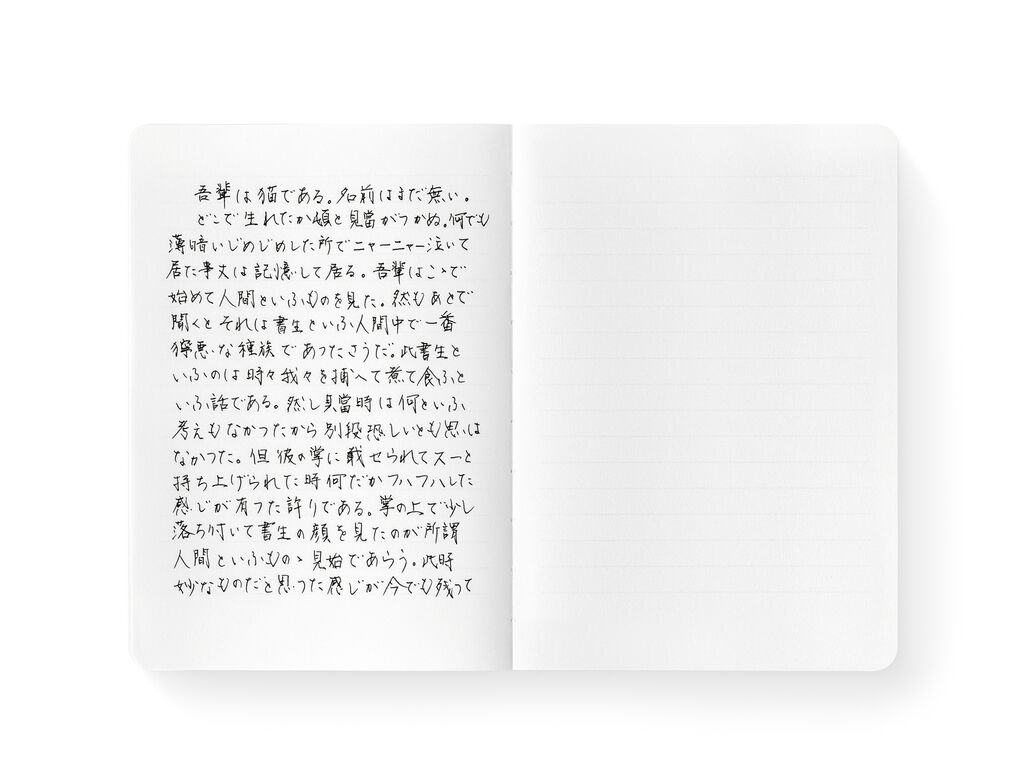
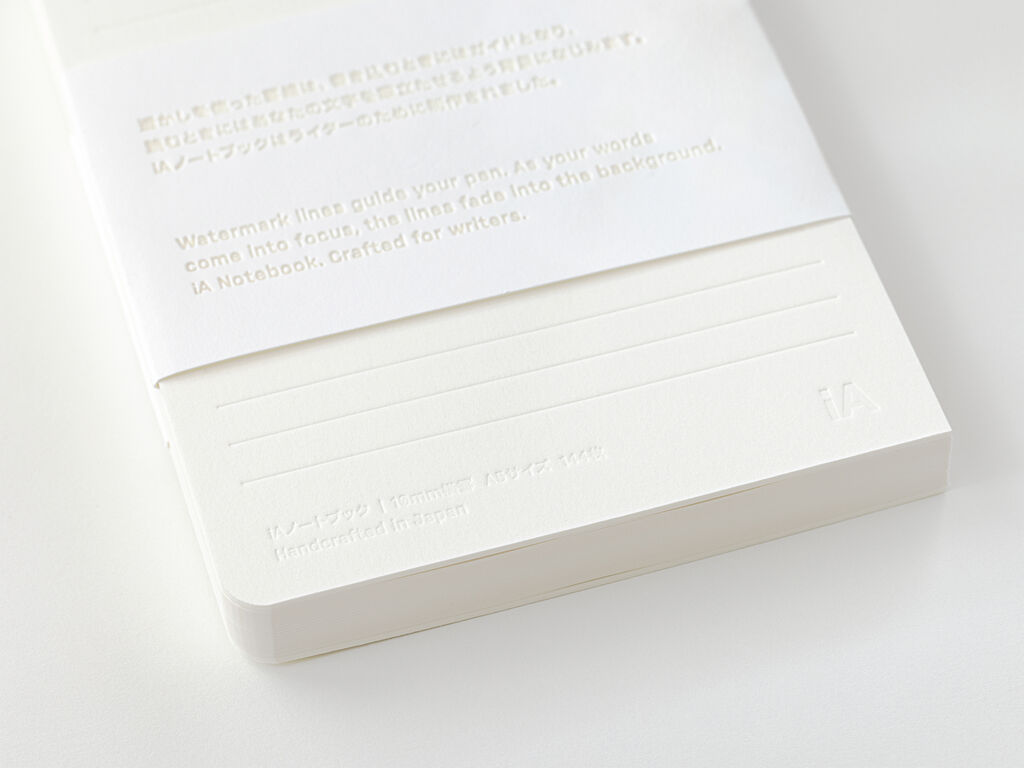
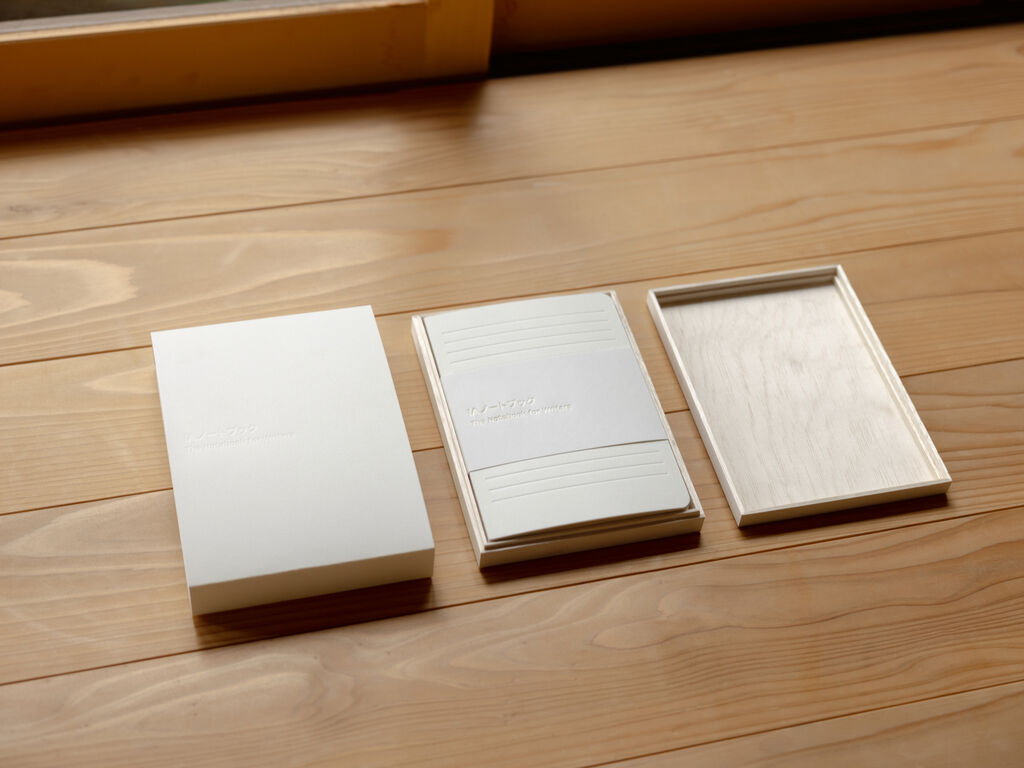
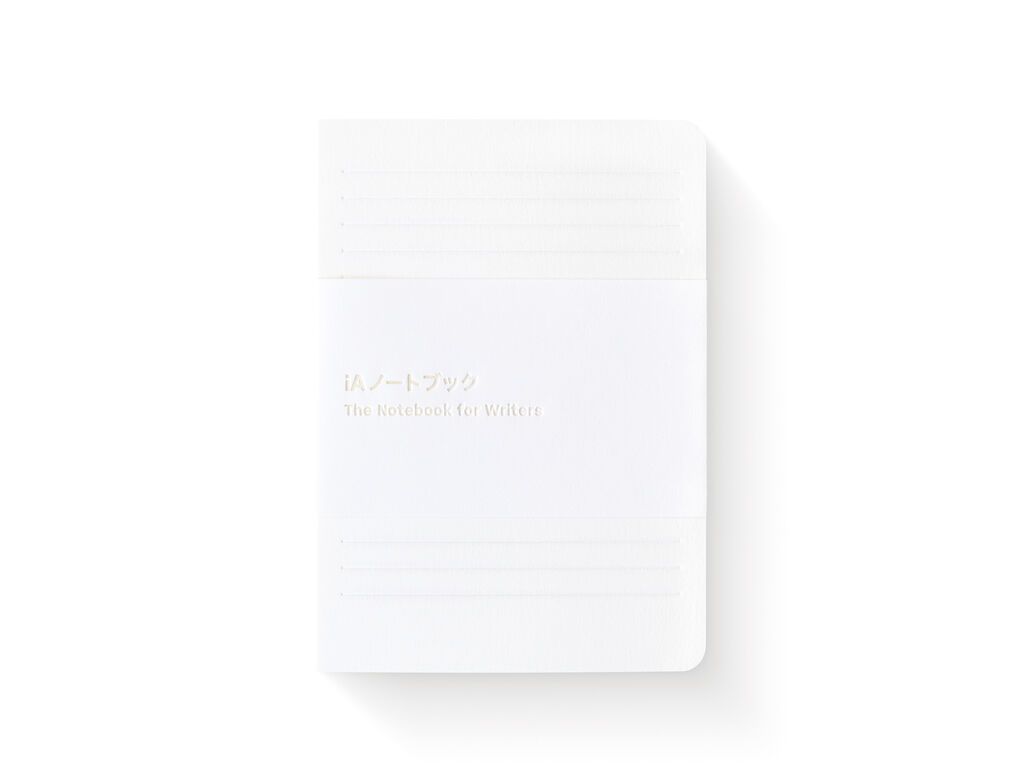
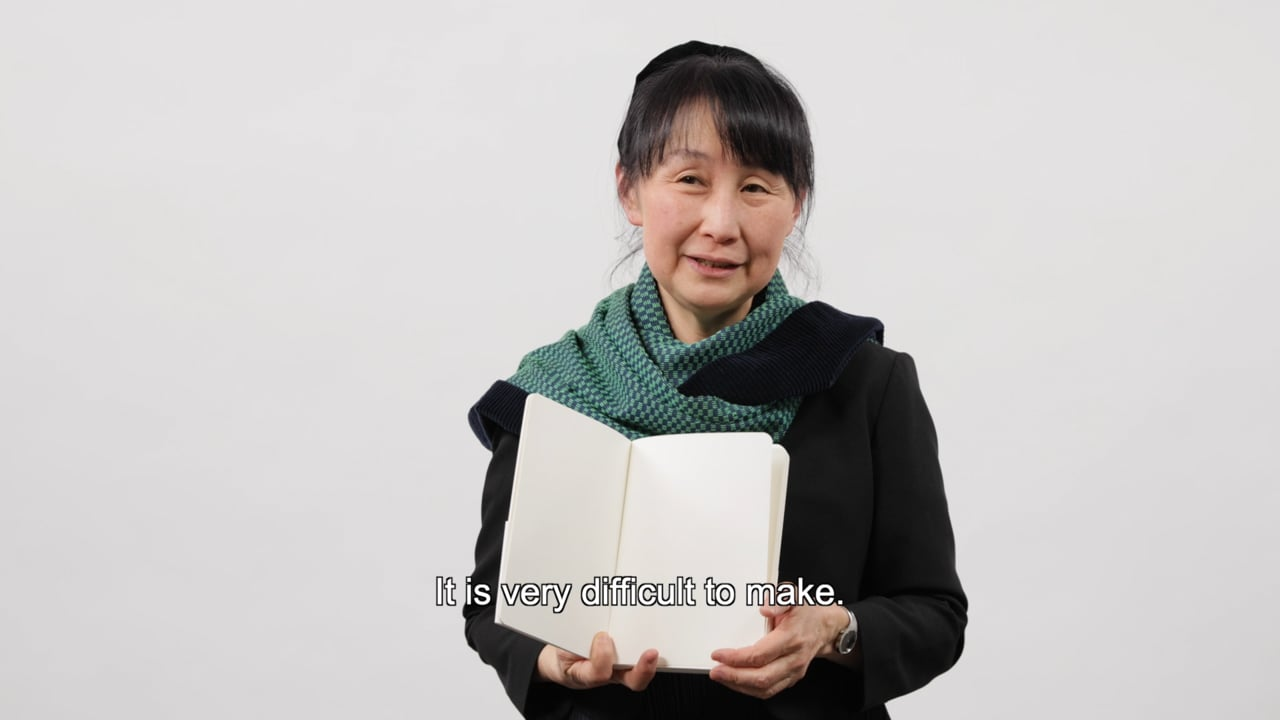
The iA Notebook was designed for contemplation It shows how carefully designed stationery can raise awareness of writing. Every detail speaks to quiet precision: the off-white Japanese paper encourages focus, watermark lines guide the pen and fade as soon as the page is filled, and the layflat binding allows for fluid hand movement across the double page.
Oliver Reichenstein of Information Architects describes the product as an exploration of how design can serve language. “The watermarks are a subtle but very functional solution that resonates with our commitment to craftsmanship”, he explains. “When the pages are held up to the light, the lines give them additional depth.”
Information Architects, founded in Tokyo, is best known for its clarity-driven digital and editorial design. Led by Reichenstein, the studio applies the same sensibility to physical form: designing objects that disappear into their function, leaving only the experience, or in this case, the words, behind.
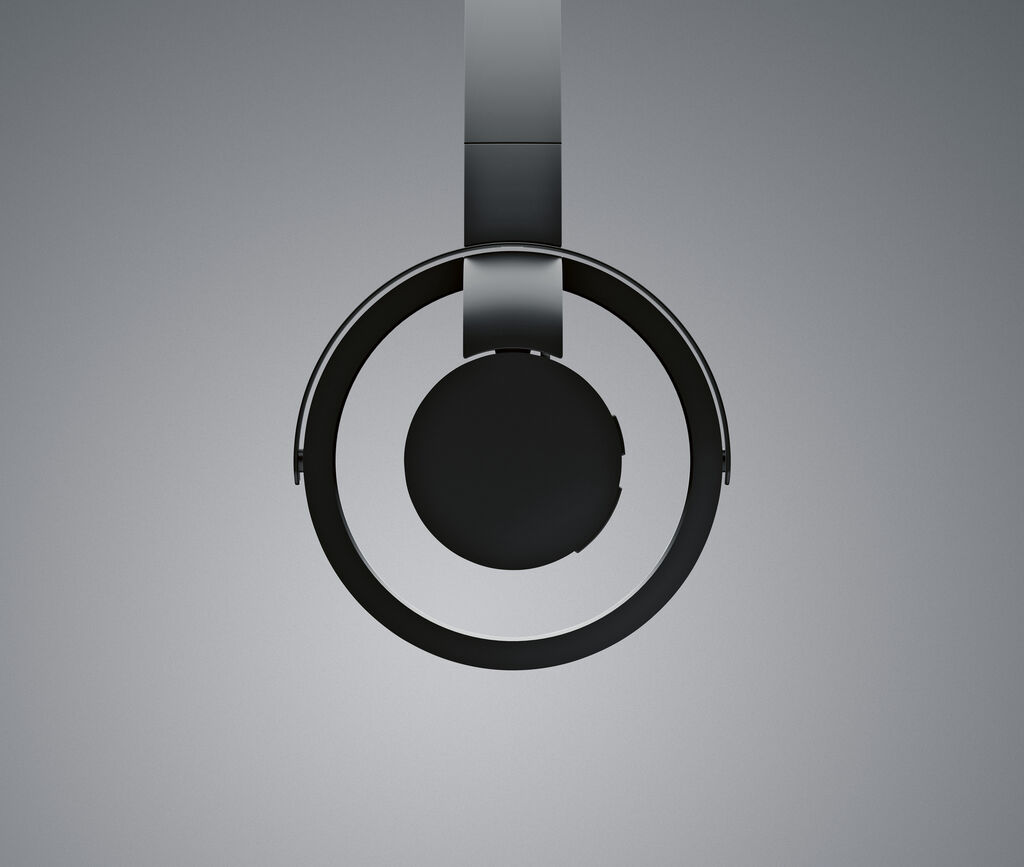
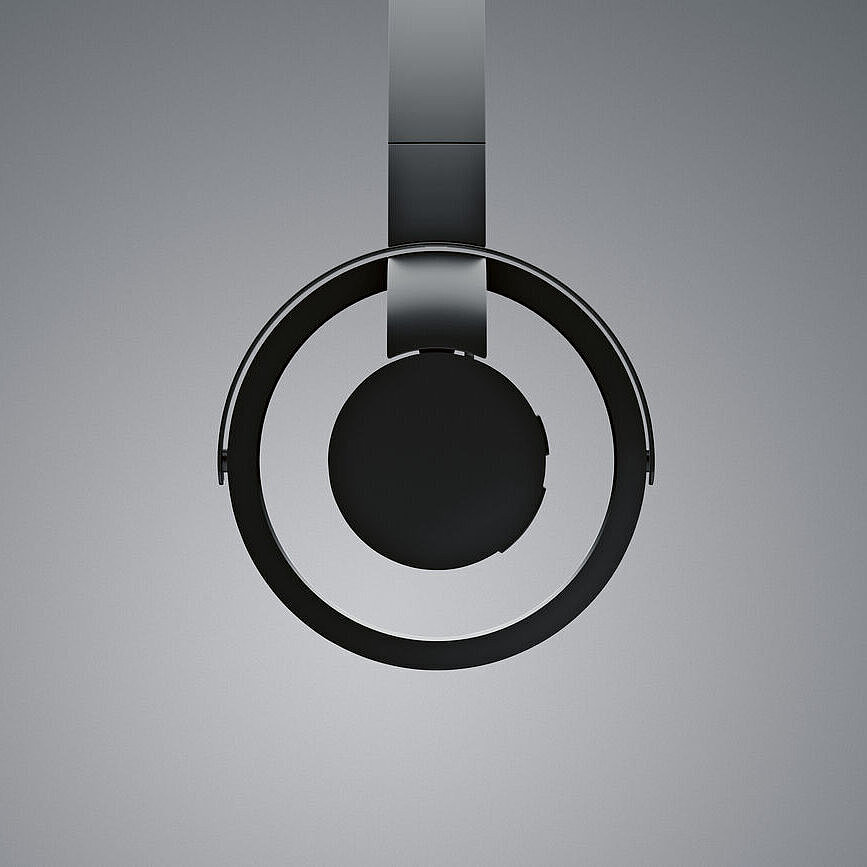
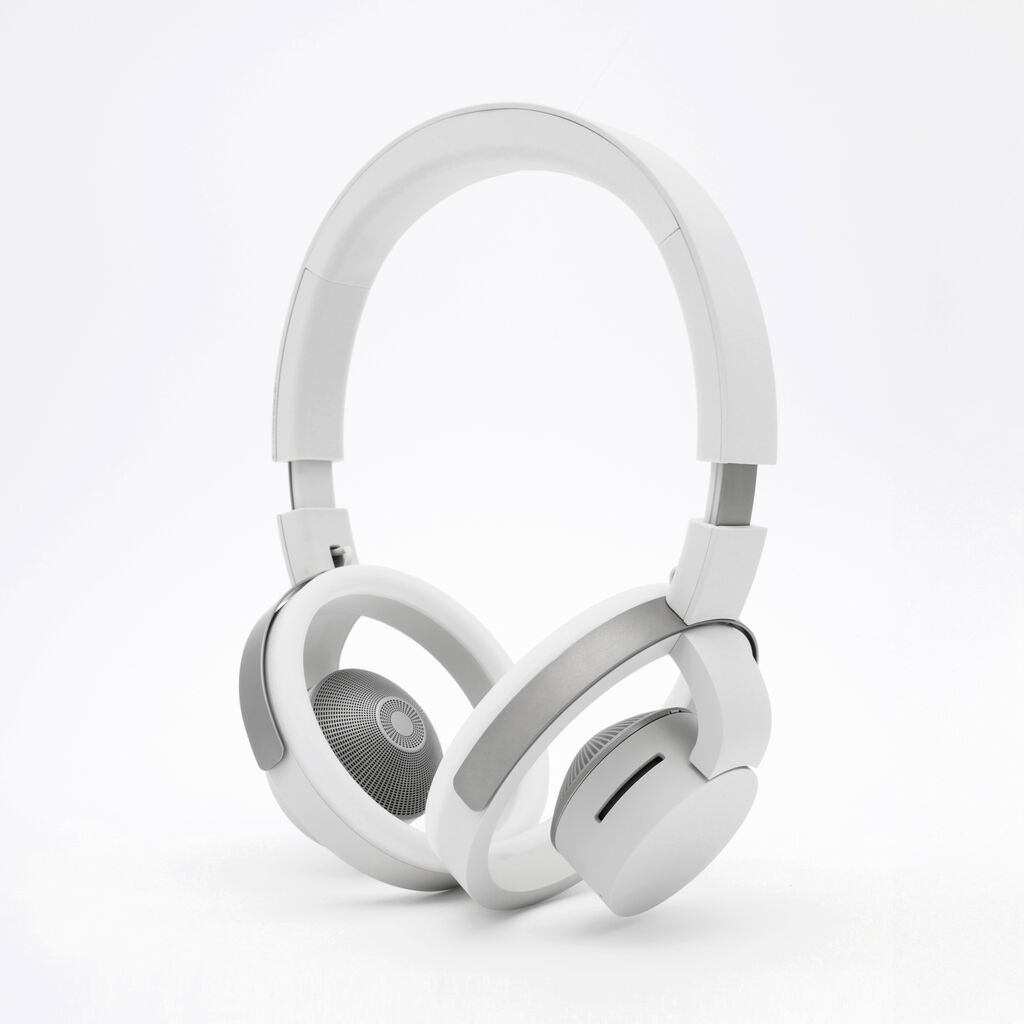
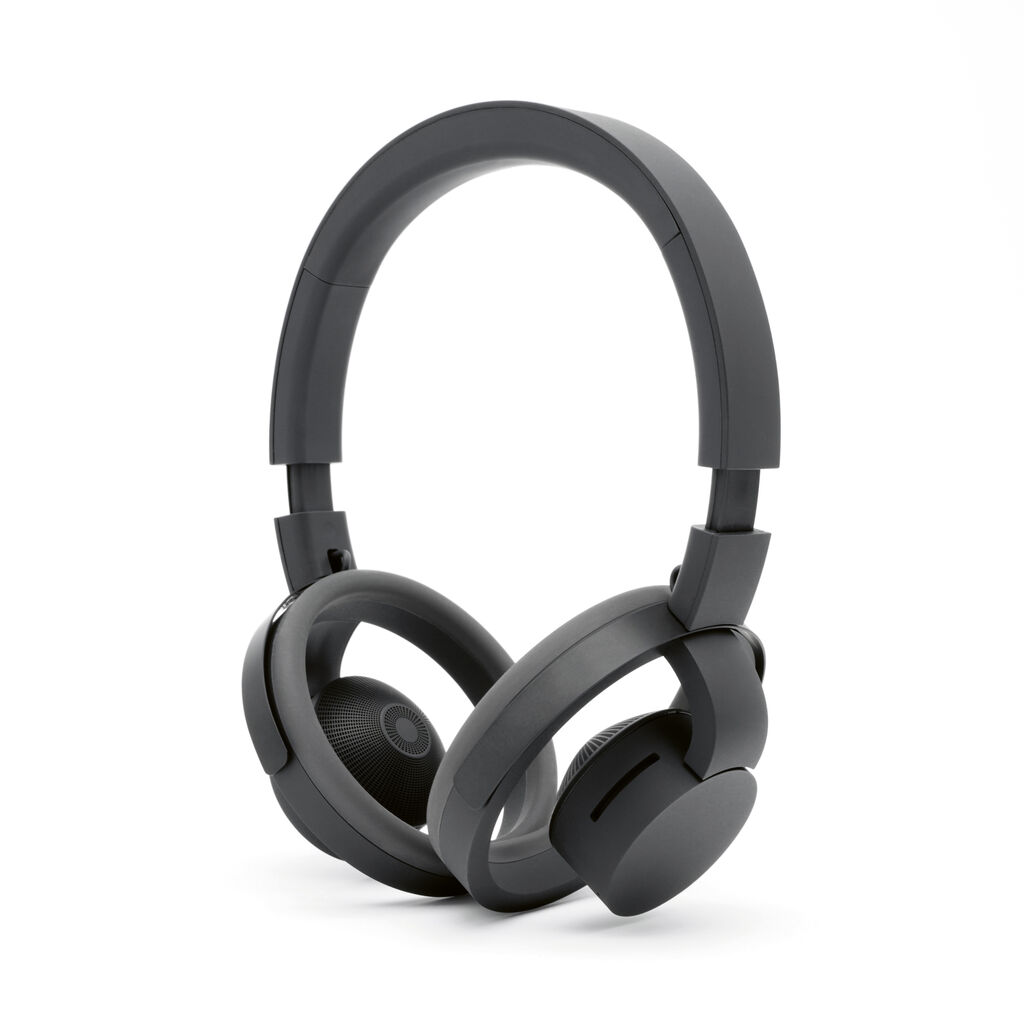
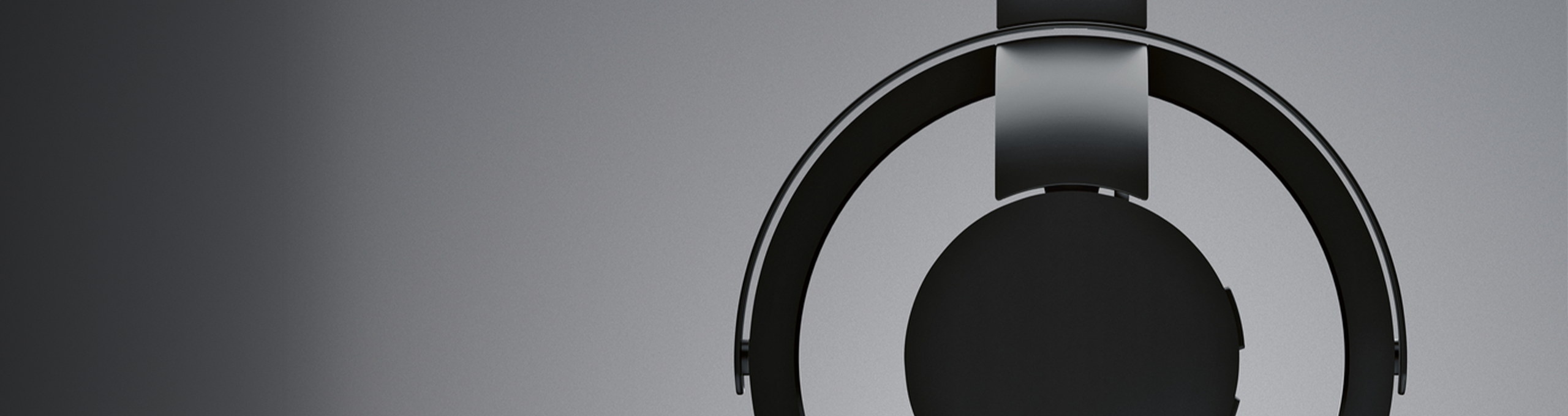
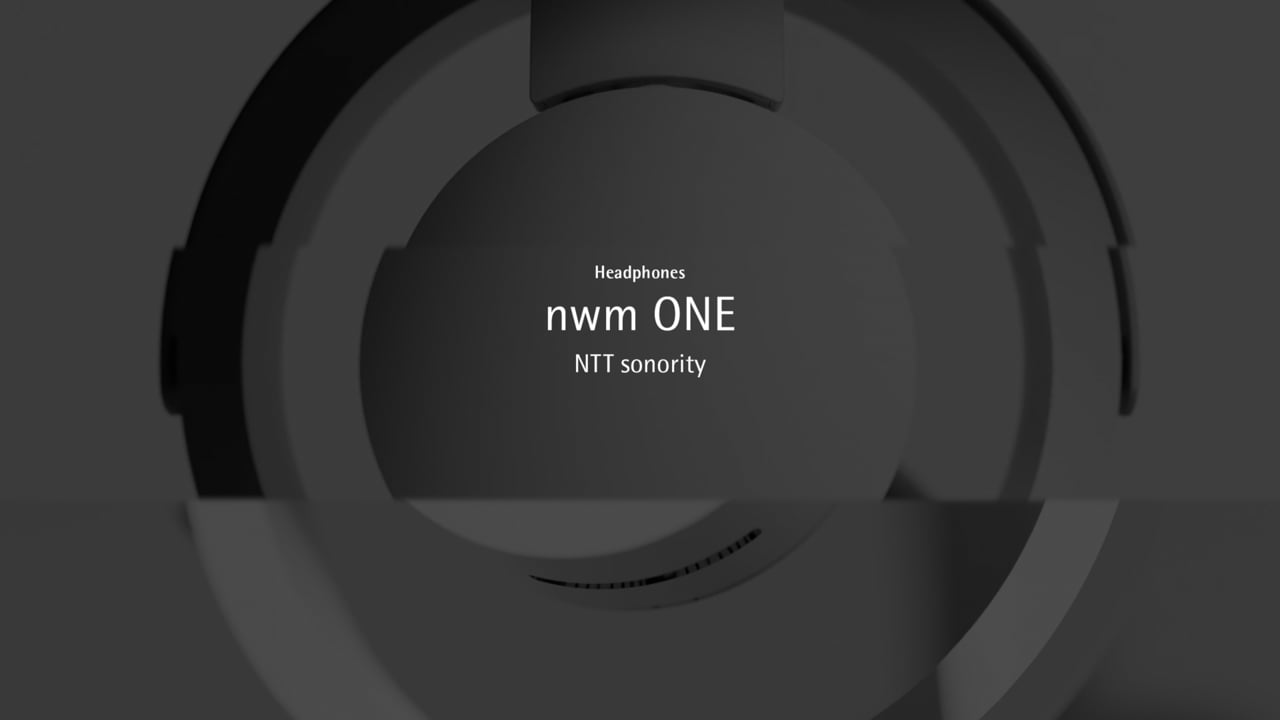
While the iA Notebook explores the act of writing, the nwm ONE turns to listening. The headphones express reduction not as minimalism for its own sake, but as precision in service of purpose. Most notable is the headphone’s absence of conventional ear cushions, redefining both form and function. Instead of isolating the wearer, the open-ear design enables awareness of the surrounding environment.
Designers Shintaro Takeuchi of NTT sonority and Koji Yano of 83Design approached the project by refining what already exists rather than reinventing it. The result is a design that feels familiar yet essentialised, shaped by what was consciously left out. Viewed from the side, the two concentric circles of the ear modules symbolise coexistence: a dialogue between personal sound and shared space. “As a designer”, Takeuchi notes, “I enjoy creating essential beauty by achieving perfect arrangements of elements and form. I want everyone to be able to experience this kind of beauty.” This notion of essential beauty, or harmony achieved through deliberate reduction, mirrors the monozukuri design ethos, where innovation lies not in spectacle but in subtle refinement.
Part of the NTT Group, NTT sonority explores how sound shapes human experience. The company’s innovations bridge technology and sensitivity, creating personal listening spaces that harmonise the individual with their surroundings.
If the nwm ONE represents contemporary technology shaped by restraint, the OZREE glass cutter translates the same sensitivity into traditional craftsmanship.
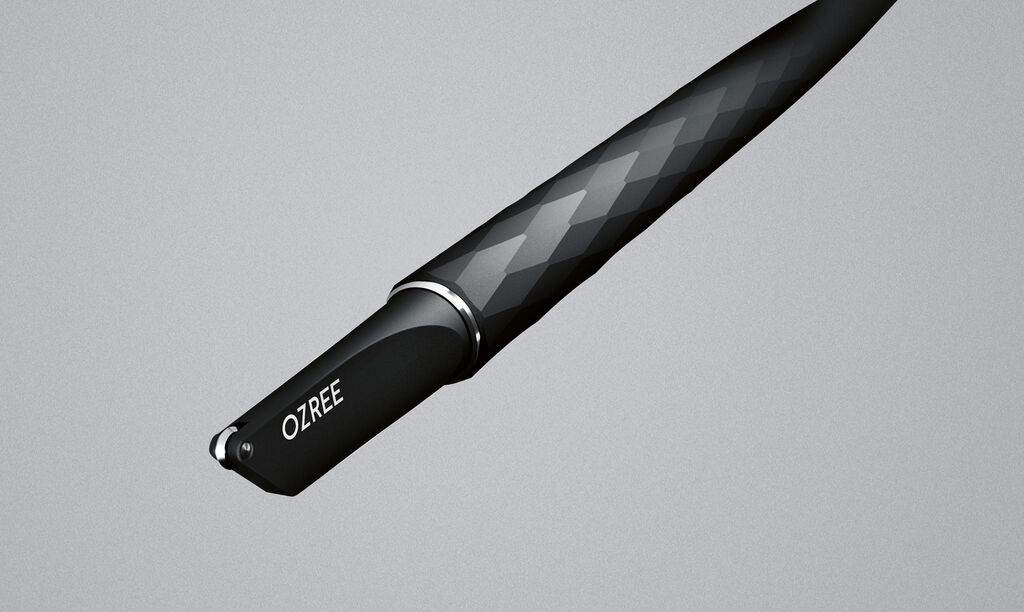
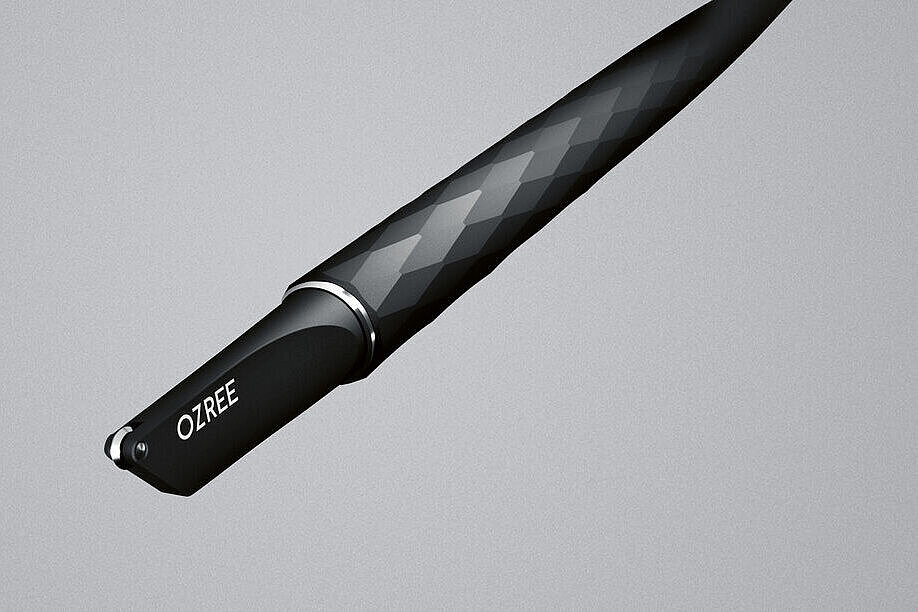
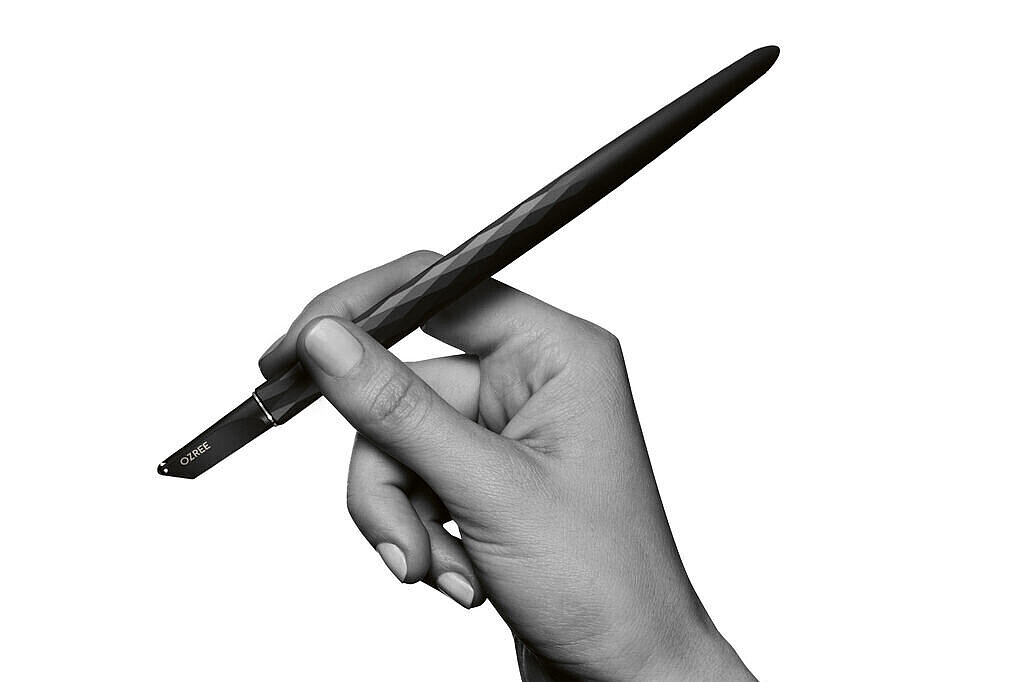
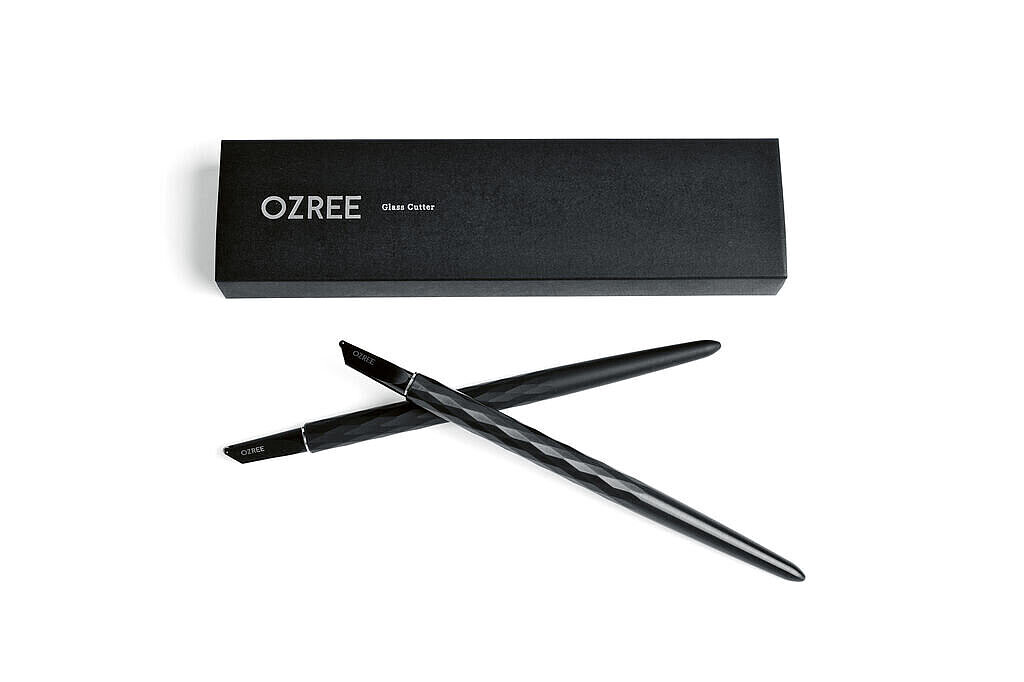
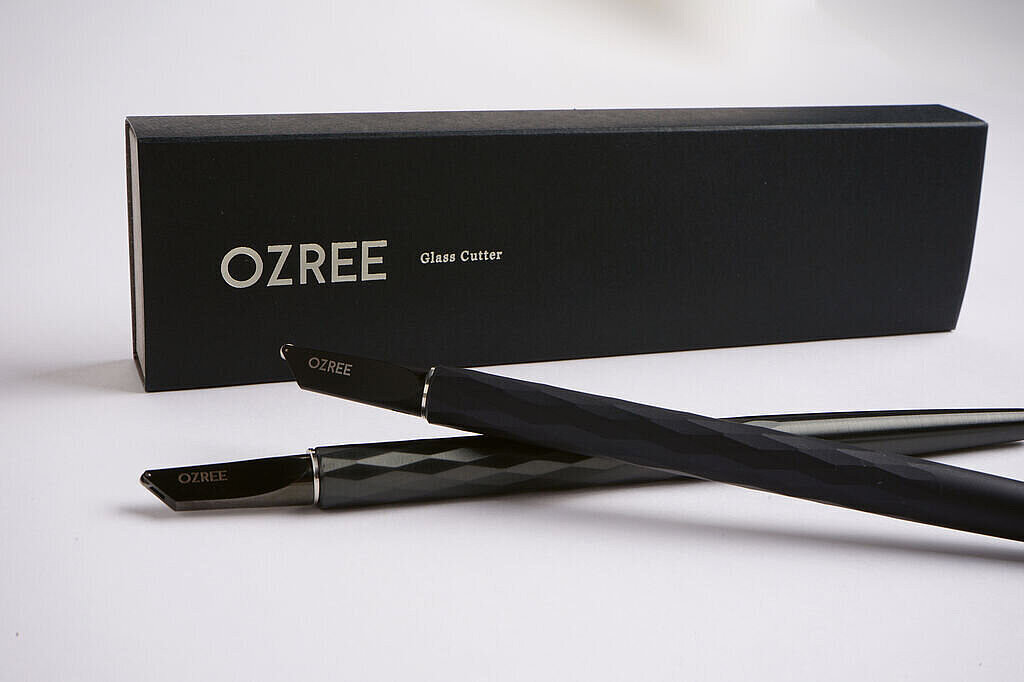
The OZREE glass cutter resembles a fine calligraphy pen, its head mirroring the sharpness and elegancy of a Japanese sword. The blade remains visible for total control, while the diamond-cut handle, inspired by Kumiko woodworking and Edo Kiriko glass patterns, ensures both grip and optical depth. The result is a tool that unites mechanical accuracy with poetic tactility. “Perfection has been achieved here from design to execution”, the Red Dot Jury praised.
“Finesse and restraint are very popular aspects of Japanese aesthetics”, says Masaki Wakabayashi, designer at Mitsuboshi Diamond Industrial. “We integrated these qualities into the design because we believe that this understated beauty enriches creativity.”

Together, these three products illustrate how the Japanese approach to form transcends category or medium. Each begins with a disciplined understanding of material and purpose, and each achieves its beauty not through embellishment but through the quiet removal of excess.
They also illustrate how design can transform the simplest of gestures – writing, listening, cutting – into acts of focus and appreciation. In doing so, they reaffirm a central truth of monozukuri: that mastery lies not in what is made, but in how it is made. The iA Notebook, nwm ONE and OZREE stand as contemporary expressions of that enduring craft: proof that in the art of making less, there is always more to discover.

