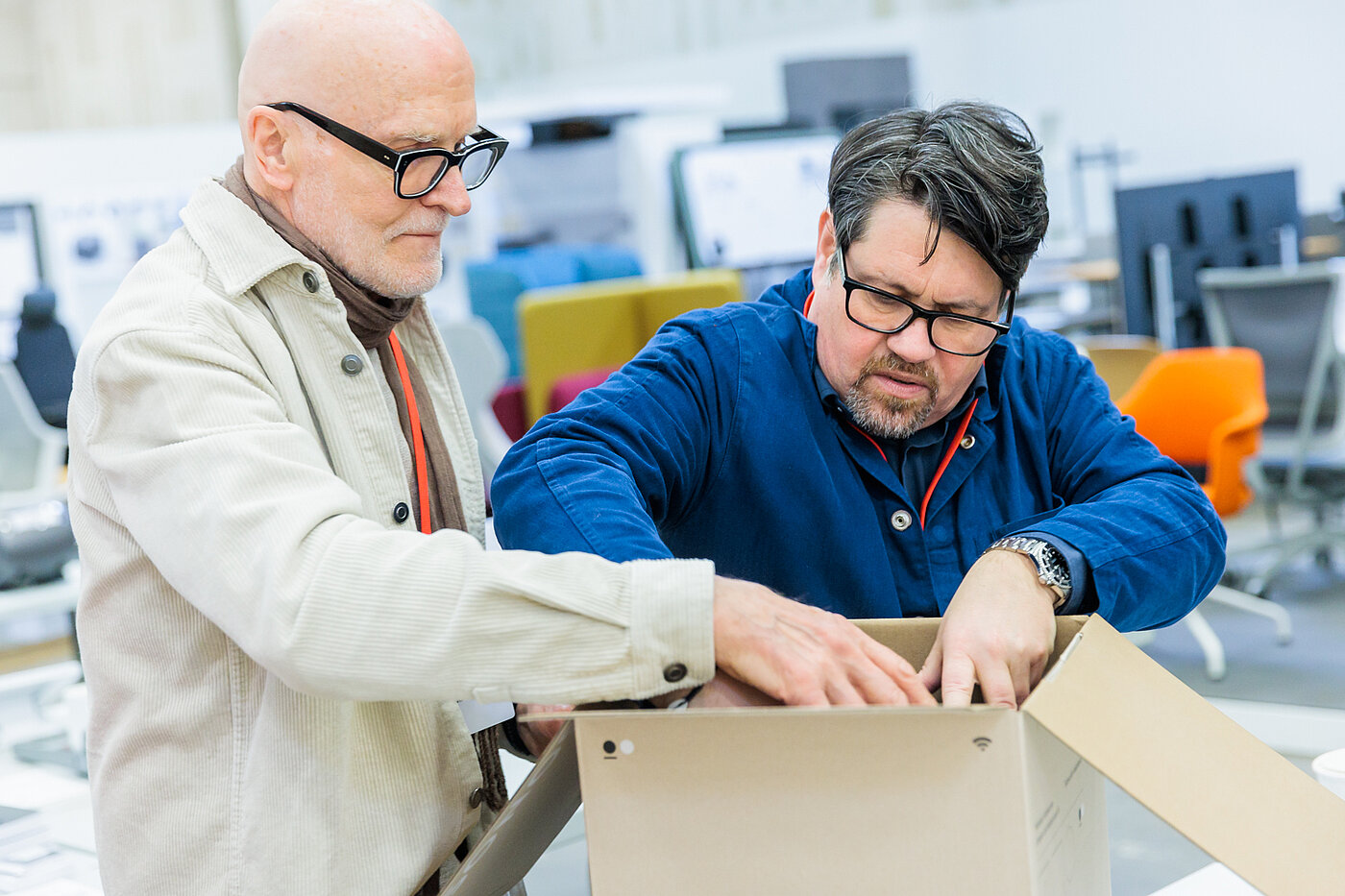
Uwe Melichar
Born in 1968, Uwe Melichar studied communication design at Muthesius University in Kiel and worked at the FACTOR brand agency for 25 years. As the agency’s managing partner, he built up the packaging business unit. In 2020, he left FACTOR to set up his own company called MELICHAR Bros.
In April 2024, Uwe Melichar was appointed as European Partner at the famous touch agency in High Wycombe, near London, where he contributes his expertise as a designer and is helping to expand the European client base.
Over the course of his career, Uwe Melichar has realised projects for adidas, Bosch, C&A, Gardena, Omron and Miele. Today, he and his British colleagues develop packaging and communication designs for clients in Japan, China, the US and various European countries. As a lecturer at the University of Augsburg and other universities, Uwe Melichar shares his expertise with the next generation of designers.
He is a lifetime member of the Type Directors Club in New York and vice president of the European Brand & Packaging Design Association (epda).
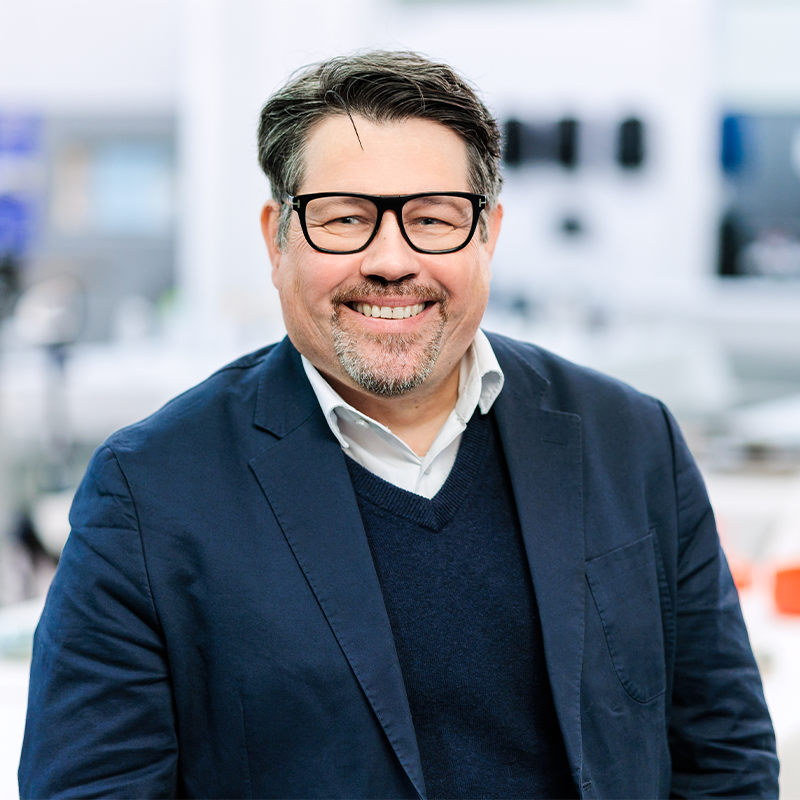
Red Dot in an interview with Uwe Melichar
Red Dot: In your work you focus on sustainable packaging solutions. Would you say that in addition to being a social necessity, this also offers incredible opportunities for creatives going forward?
Uwe Melichar: We are experiencing a real paradigm shift and major upheaval, so creative solutions are imperative. As designers we can produce outstanding work if we aren’t beholden to any industry or lobby, because that widens our perspective of the field. We have to take an integral approach, forge new connections and apply our cognitive skills. So, yes, it’s a great opportunity for everyone working in the creative industry.
What aspect of packaging is most suitable for sustainable implementation? The material, the construction or the finish?
It is said that about 80 per cent of decisions leading to a more sustainable end result are taken in the early design phase. Material, construction and feasibility all play a role. It isn’t enough to simply replace material A with material B! When you take all the criteria into account right at the outset, sustainable implementation can be a success.
What new materials do you find particularly exciting right now?
I’m very fascinated by materials that are based on renewables. For example, there’s a biomaterial called “Traceless” that has the properties of plastic but is predominantly made from agricultural waste and is biodegradable. The first real product to be made from this material was a sock hook for C&A. Plenty of things are also happening in the area of formable paper – paper pulp and paper foam. We’re seeing lots of amazing innovative materials and processes coming from Finland in particular.
Sustainability is certainly a selling point – so how can packaging convince consumers at the point of sale?
Customers tend to have a very limited attention span in the store, which makes the clear and simple communication of product benefits all the more important. What is the product? What can it do for me? What sets it apart from other products? Additional information about content, use or origin can also be provided to consumers by way of a QR code. The networking of the physical and digital worlds is still associated with a lot of potential for the packaging sector.
The perfect packaging …
… uses as little as possible and as much as necessary when it comes to materials and communication.