
Harmony in craft: Japanese design, minimalism, and the art of making

With Francesco Milani, the international design community loses a designer who shaped industrial design over several decades, particularly in the field of medical technology. His work continues to stand for functional clarity, systematic thinking and a strong sense of responsibility towards the users of complex technical products.
In 1963, Francesco Milani founded his studio for industrial design and visual communication in Giubiasco, Ticino. As early as the 1960s, the studio developed under his direction into one of Europe’s leading addresses for the design of highly complex medical devices. Milani understood design as a mediating discipline between technology, people and use, and consistently applied this principle throughout his work.
An early project was the design of a densitometer for Gretag in 1965. Alongside medical technology, Milani also worked in other industries, including internationally visible projects such as the Longines campaign for the 1972 Summer Olympics in Munich. During the 1970s, he also designed early modern Tetra packaging for the Swiss market as well as packaging solutions for the domestic chocolate industry. His forward-looking approach was further reflected in experimental concepts such as the multifunctional “Monduhr” developed in 1970, which can retrospectively be regarded as an early precursor of connected wristwatches.
Francesco Milani’s most lasting influence resulted from his decades-long collaboration with the medical technology company Dräger. For Dräger, he designed numerous devices, including infant warmers, ventilation and anaesthesia systems, as well as operating theatre lights. Among the best-known products are the Babytherm infant warmer, the Julian anaesthesia workstation, which was awarded in the Red Dot Design Award, and the Caleo incubator. His work was characterised by clearly structured user interfaces, a consistently applied colour-guidance system and the ambition to make complex technology safe and easy to use.
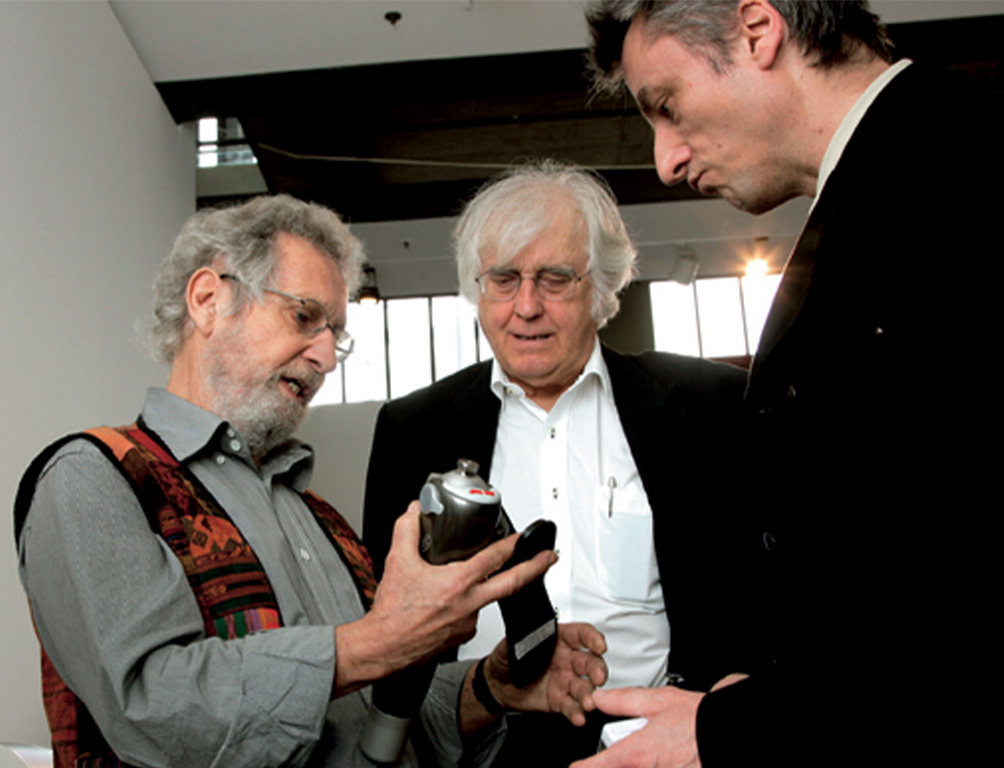
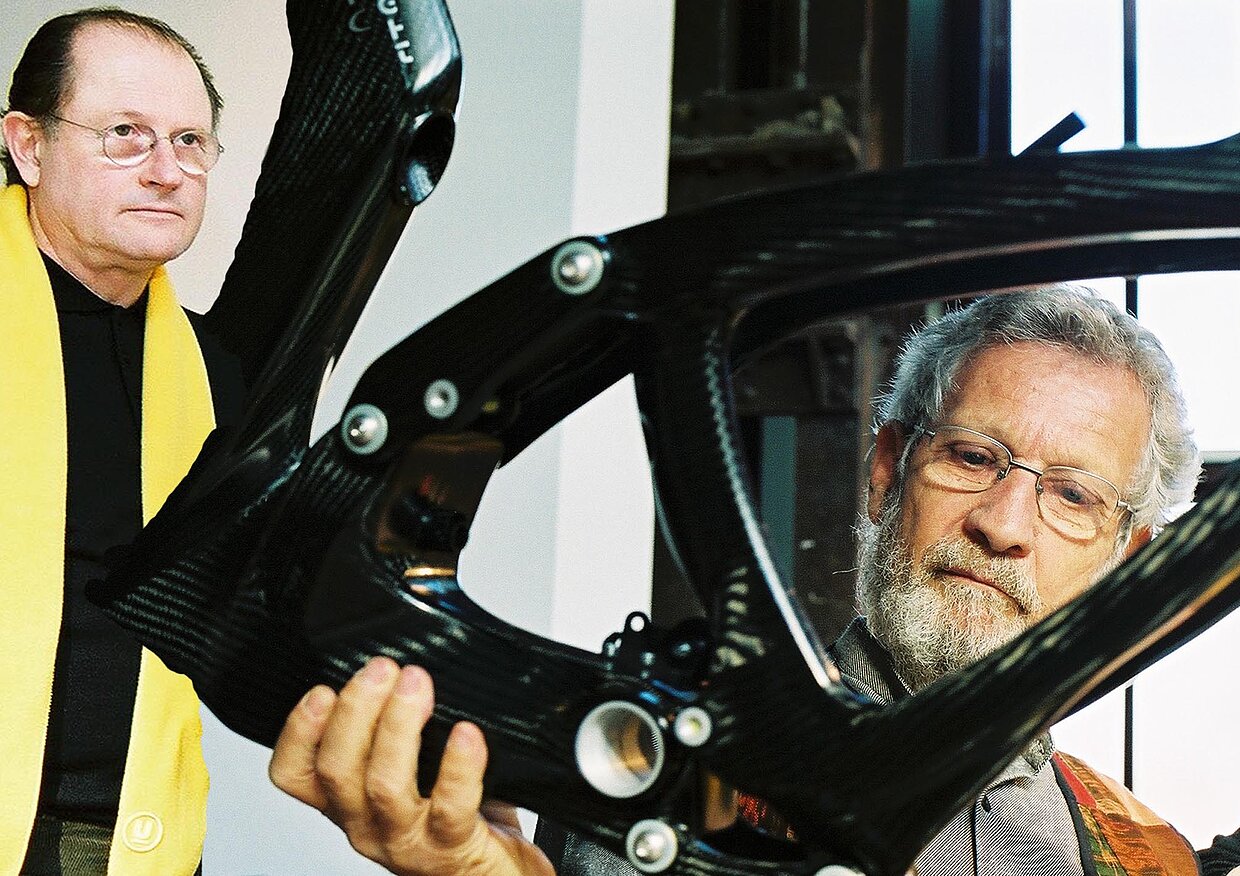
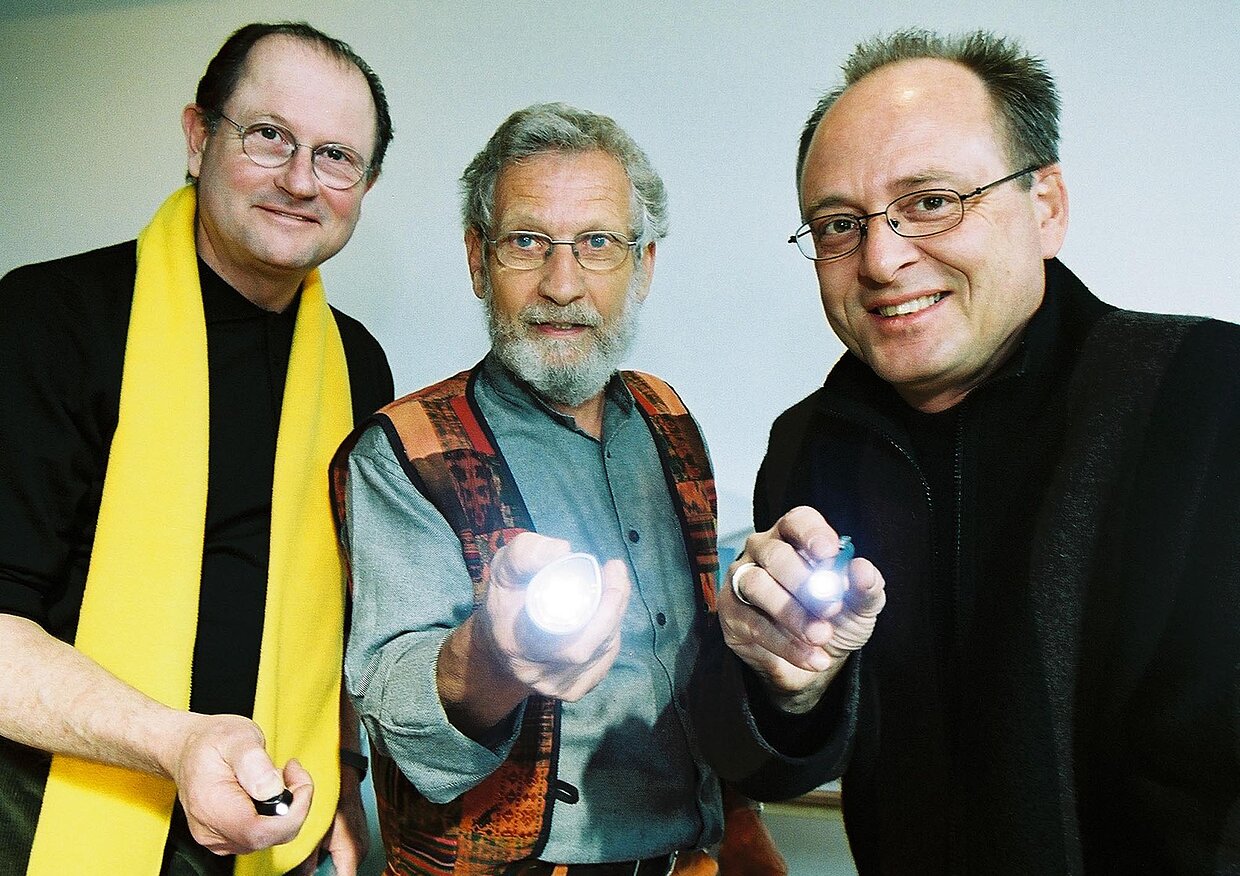
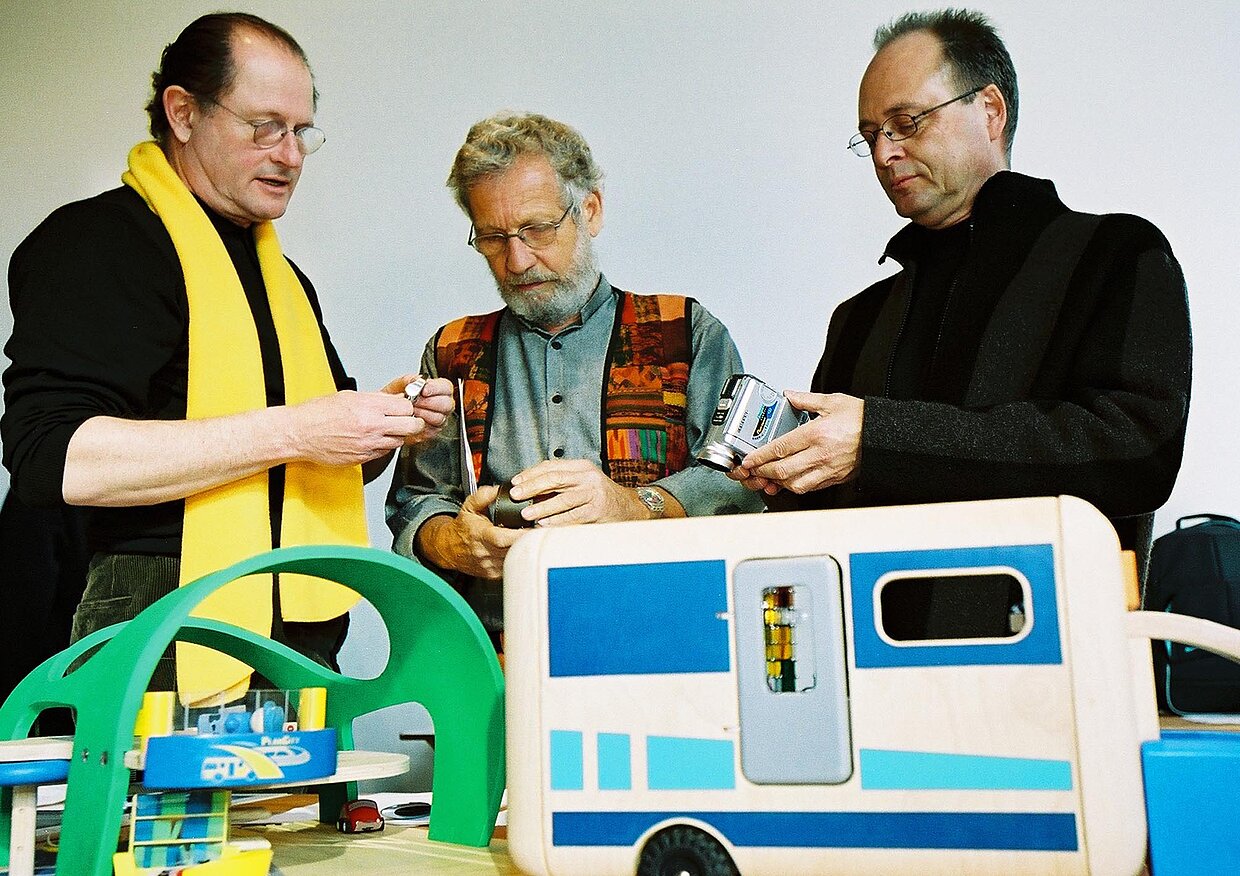
Milani also contributed his professional judgement to international design assessment. He served four times as a member of the jury for the Red Dot Award: Product Design, evaluating submissions in 2001, 2004, 2005 and 2007. Within the jury, he was valued as a precise observer with clear standards and a high level of design discipline.
Francesco Milani leaves behind a body of work of lasting relevance. His approach to design, his pioneering spirit and his commitment to mastering technological complexity through clarity and responsibility continue to shape medical technology design to this day.

