

![[Translate to English:]](/fileadmin/_processed_/6/7/csm_DS2235494-1_716dd0fbaa.jpg "[Translate to English:]")
Interview with Jacob Nitz of LIXIL Americas
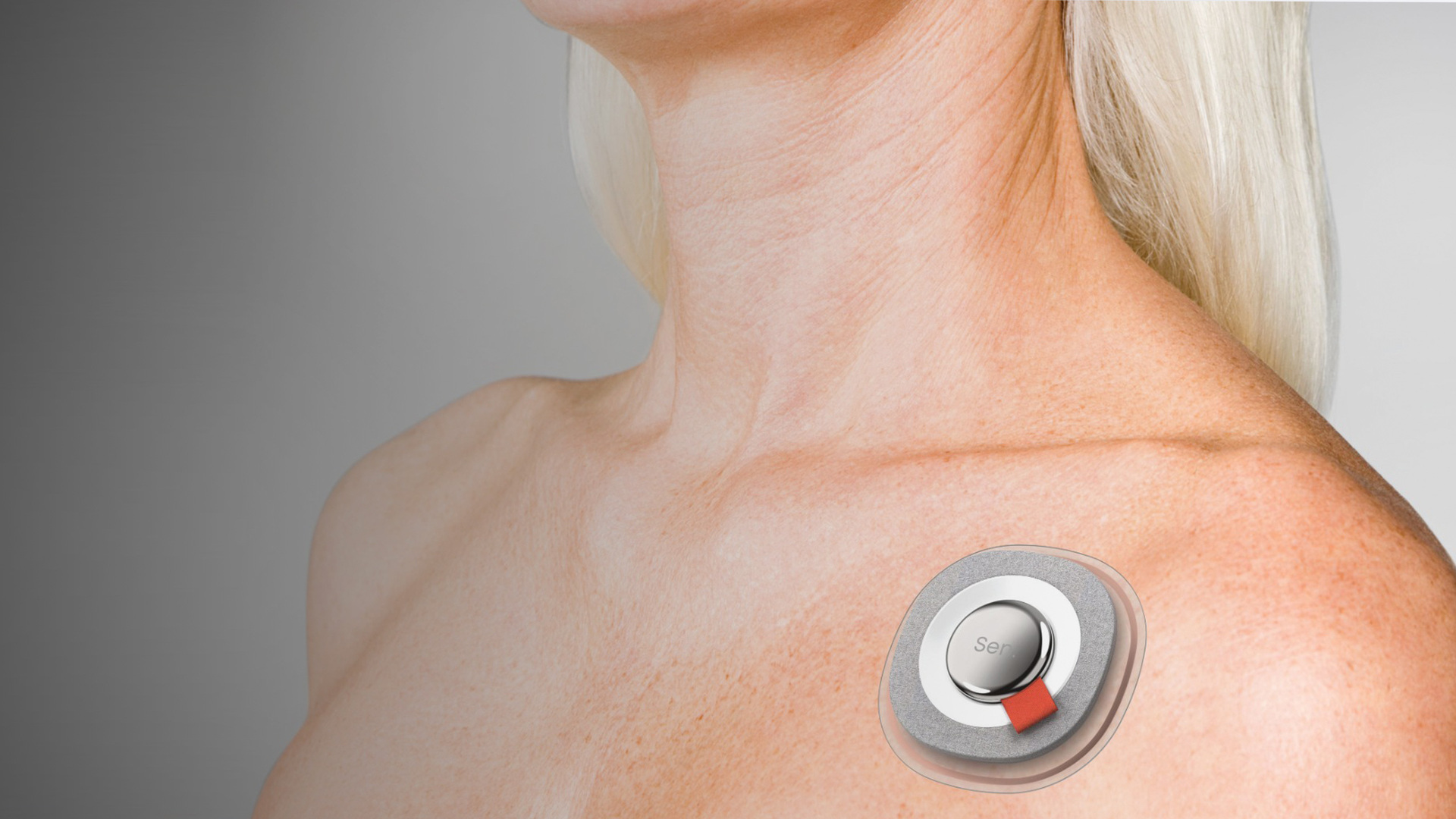
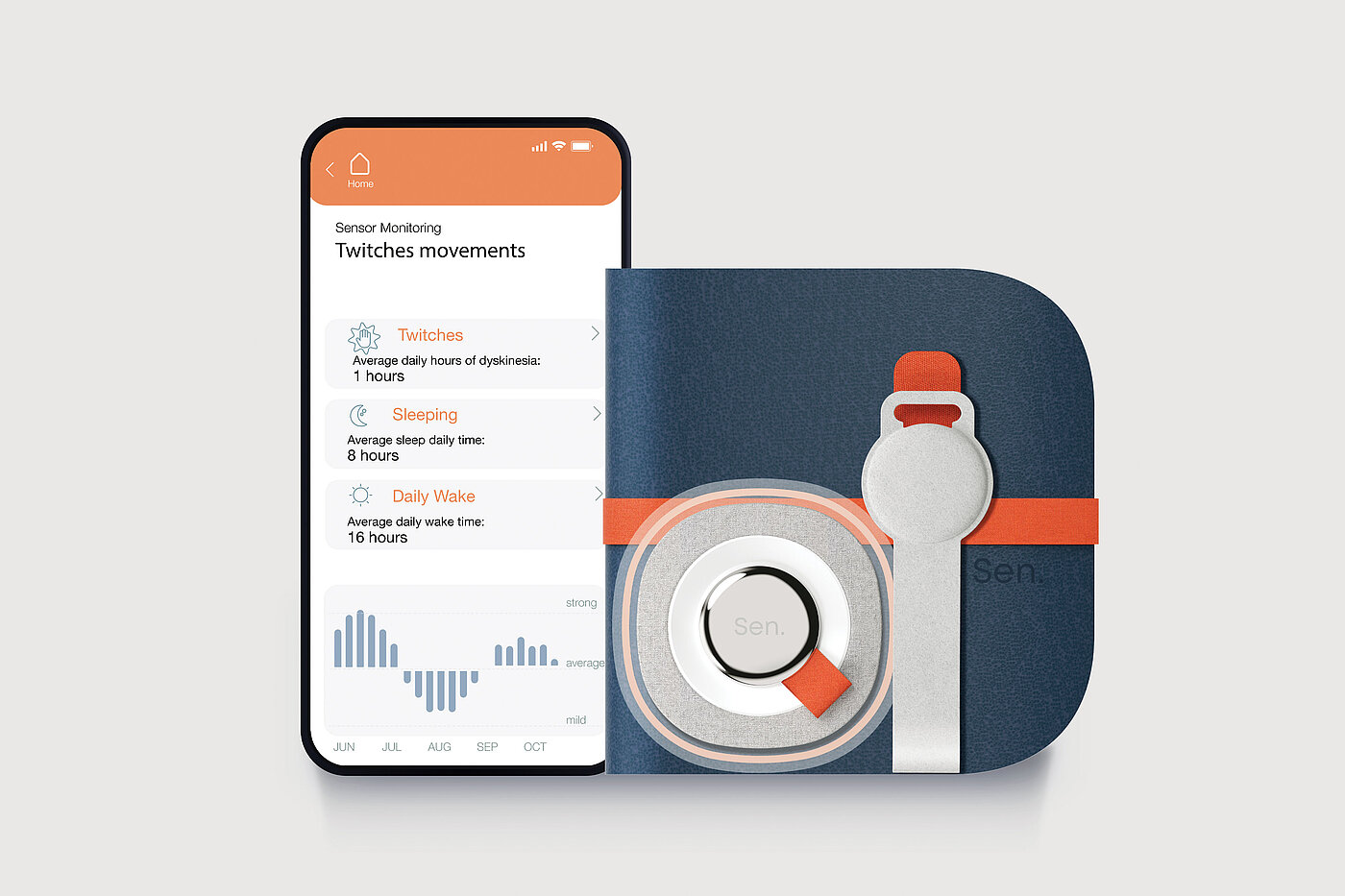
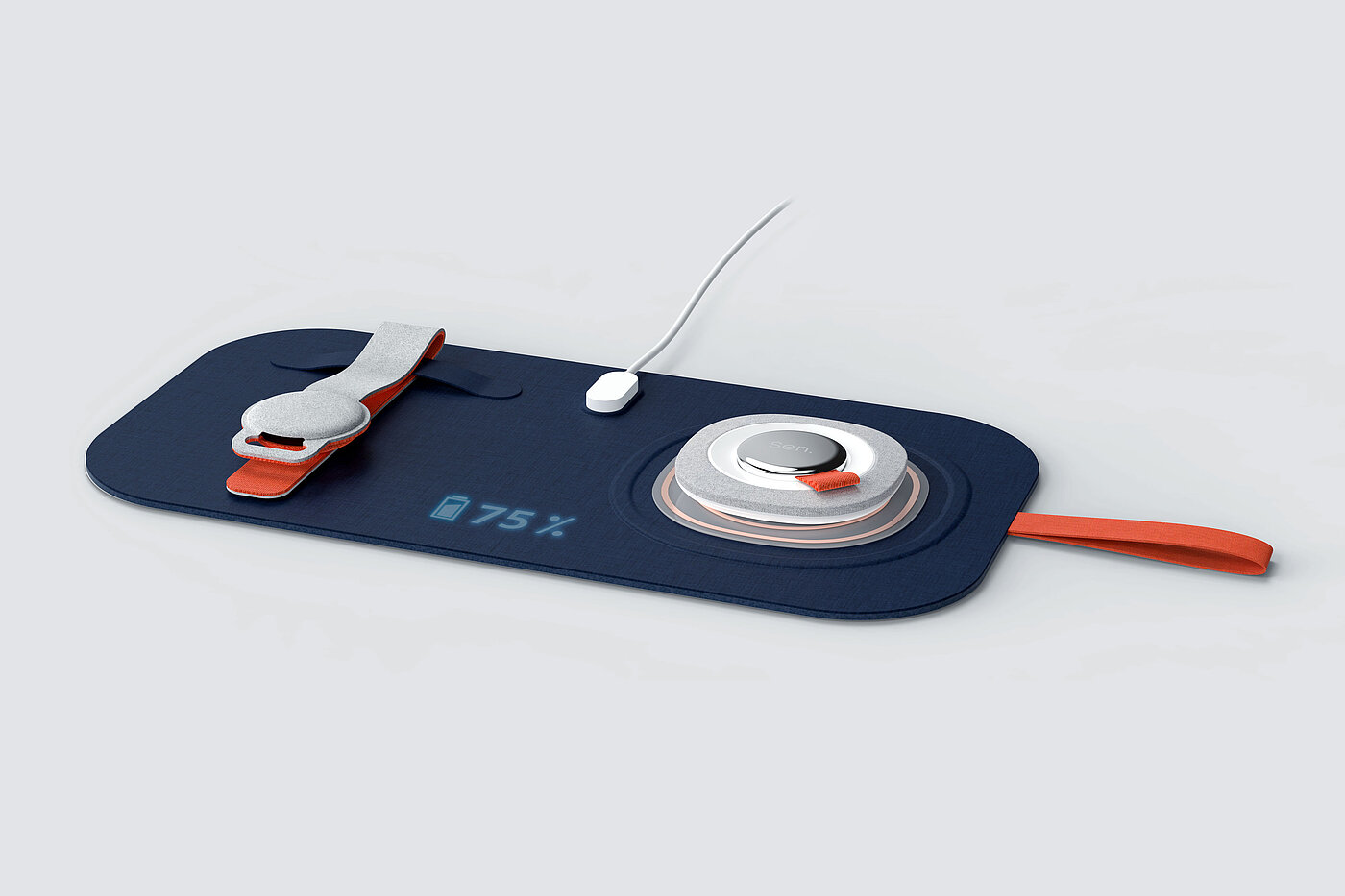
Dawn Tang is the Design Lead for Sen - A Holistic Aftercare Solution for Parkinson's Patients, a Red Dot winner from the Wearable Technology category. The design concept ground-breaking innovation to post-surgery DBS management by combining mature technologies such as accelerometers with cutting-edge AI to provide patients and clinicians with profound insights and control.
The Principal Industrial Designer at Cambridge Consultants didn’t just design beautiful things but designing for people, for a purpose. Dawn Tang shares more about the medical technology sector and design.
I believe in user-centric design, I put the end-user (customer) first – firmly believing that a good product experience leads to better sales resulting in business growth for our clients. It is also a fine balance of understanding the business strategy to ensure the benefits are fully realised.
With multiple tools at our disposal such as interviews, journey mapping, and desk research, I find that the greatest insight comes from observing patients and users in their natural environments. Seeing them do things well, and not so well – digging out those hidden challenges to conceptualize better solutions.
I believe that form follows function, and if a feature does not serve a tangible purpose then it should be considered for removal. Another driver for product or feature reconsideration is the drive to be more sustainable; limiting the use of materials or even the products themselves.
In each project, my inspiration comes from understanding the technical requirements, user needs and the full product journey. For example, in project Sen, inspiration came from knowledge that Parkinson’s assessments are a tedious and laborious process for clinicians and patients alike – and that patients might not feel in full control of their implant; Hence inspiration came from this gap and the desire to improve the lives of the patients and clinicians.
Keeping an open mind, disagreement isn’t always a bad thing. It is important for each party to see things from the other’s perspective and tackle a situation together. For example, an engineer may challenge a design due to technical feasibility, however, it is also important for the designers to push the boundaries to ensure design intent is maintained. It is important to work towards a win-win situation maximising the user interaction, aesthetic and mechanical aspects.
Red Dot Award: Design Concept 2026
Registration phases:
Entire registration period: 1 December 2025 – 29 April 2026
Early Submission 1 December 2025 – 21 January 2026
Standard Submission 22 January 2026 – 18 March 2026
Late Submission 19 March 2026 – 29 April 2026
For further information, visit: www.red-dot.org/design-concept
Register and submit at dc.red-dot.sg
![[Translate to English:]](/fileadmin/_processed_/e/4/csm_CO2334106-3_4628adddb5.jpg "[Translate to English:]")
