

Interview with Accenture Song
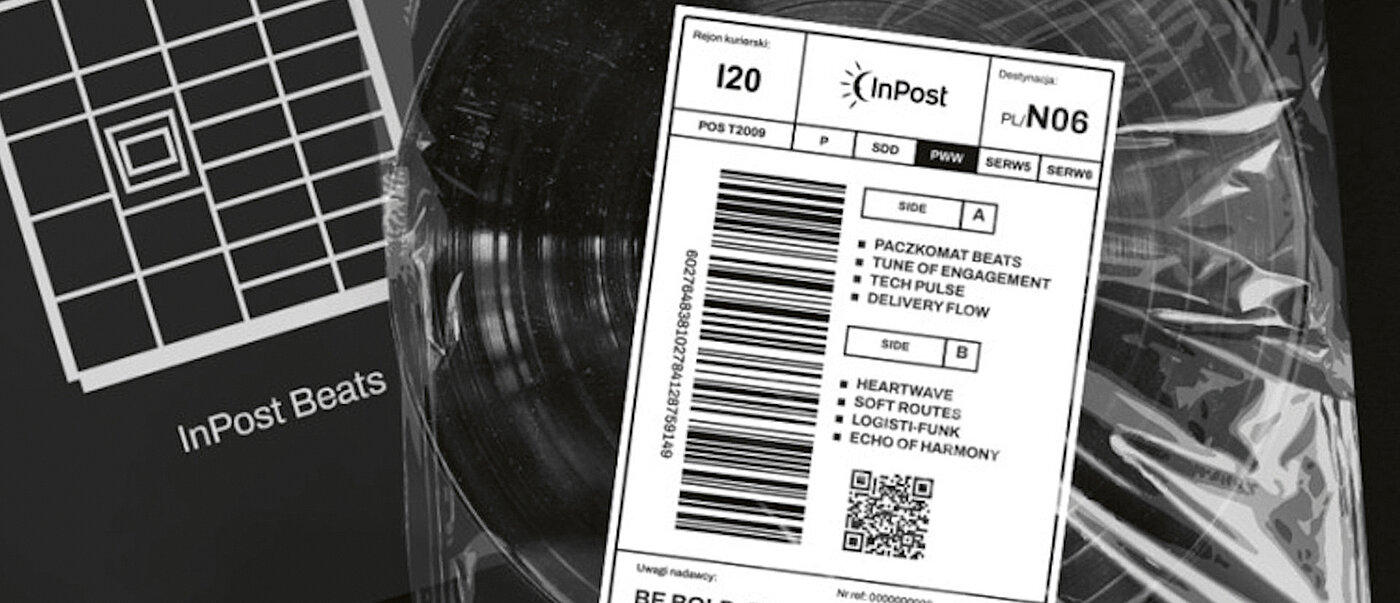
Sonic identity goes beyond the realm of visual communication, deepening the emotional connection with customers. To leverage that insight, the leading logistics service provider InPost teamed up with the TADADAM agency, an audio branding pioneer in Central and Eastern Europe. The agency’s small and agile team of experts took inspiration from global market leaders, combining them with its own innovative ideas, including the use of AI, to translate InPost’s brand values into a convincing acoustic identity.
Red Dot: Can you give examples of how emotional connections to a brand have been strengthened by audio design?
Audio design focuses on identifying and reinforcing positive emotions at key points in the customer journey. Rather than using purely functional signals, the designers created sounds that evoked emotions such as joy, reward and commitment. For example, the sound when a locker is opened was designed to be pleasant and satisfying, so it naturally reinforces the positive emotions associated with collecting a parcel. This enables the brand to engage directly with customers on an emotional level and to reinforce its image as friendly and optimistic.
You have integrated real sounds and even built a musical instrument from parcel shelf components. Why was it important to bring the physical into the digital world?
It was absolutely crucial to create a unified brand experience that seamlessly connects the digital world of the app and social media with the physical reality of the parcel locker. By deliberately bringing sounds from the physical world into the digital realm, we have ensured that the brand experience for customers is uniform and consistent across all touchpoints. Such consistency significantly boosts brand awareness and fosters a deeper sense of trust that ultimately builds brand loyalty.
Audio identities have been pretty rare compared to visual branding in the past, but that seems to be changing. Why do you think this is happening?
Visual branding has dominated throughout history. But we’re entering the next era of marketing in which emotions play a central role, and brands are searching for new ways to get closer to consumers in a visually overstimulated world. Sound has the unique ability to forge emotional connections, which is why it has become such an important marketing tool. Neuromarketing has also shown that audio branding creates a deeper connection with the audience. It has the power to give brands a competitive edge, particularly now that AI has opened up new opportunities to create unlimited sound assets that align with a brand’s music signature, rather than having to rely on licensed songs.

