
Turning waste into wonder: Anna Maria Sand Jensen on the art of sustainable ceramics
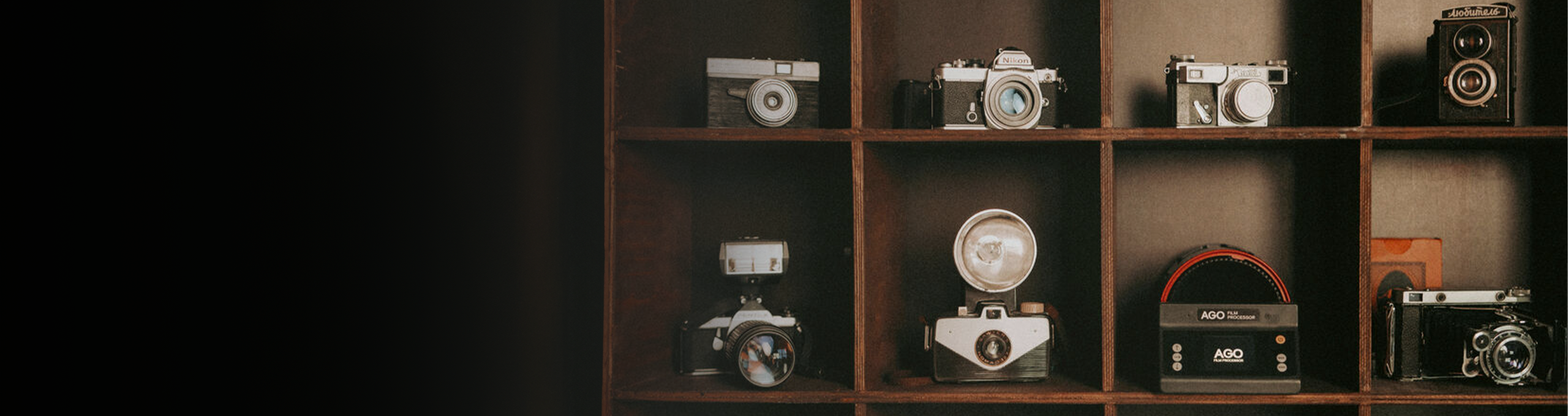
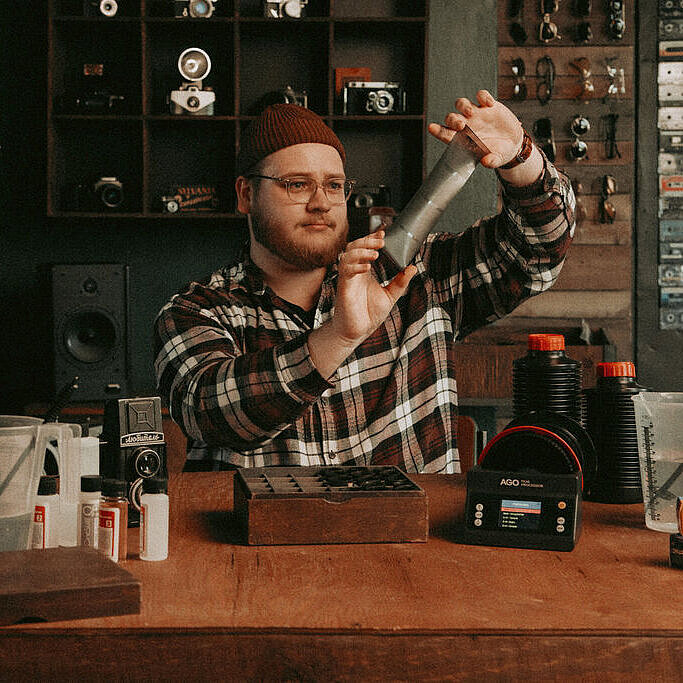
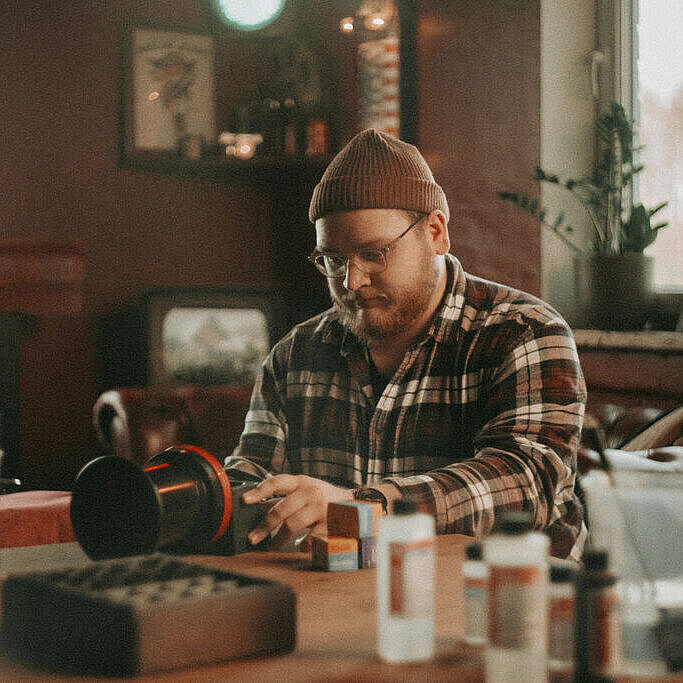
Analogue photography has been enjoying a quiet yet steady comeback in recent years – driven by enthusiasts who value its unique aesthetic and tactile quality. Yet anyone who has ever developed film knows just how complex, time-consuming and technically demanding the process can be.
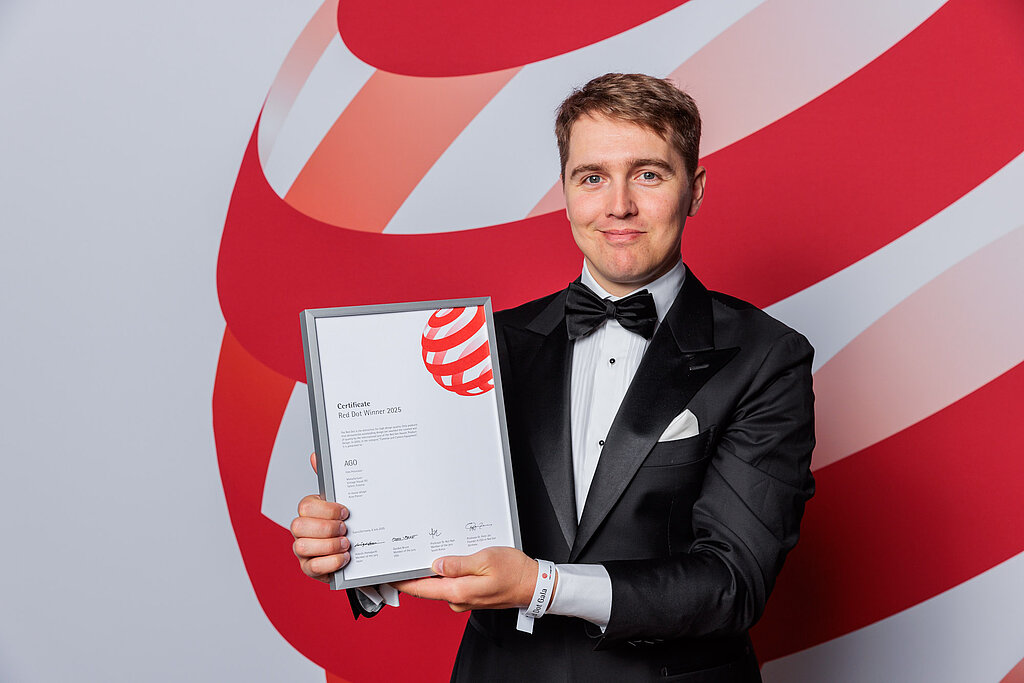
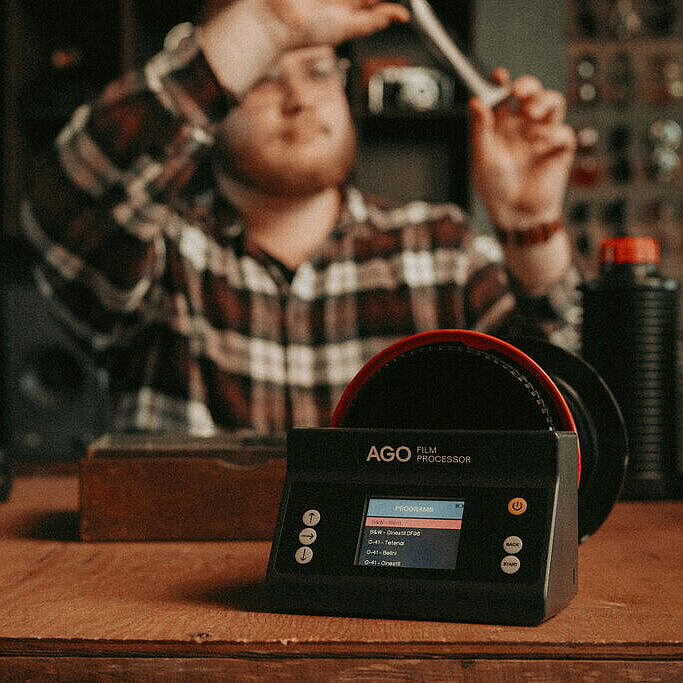
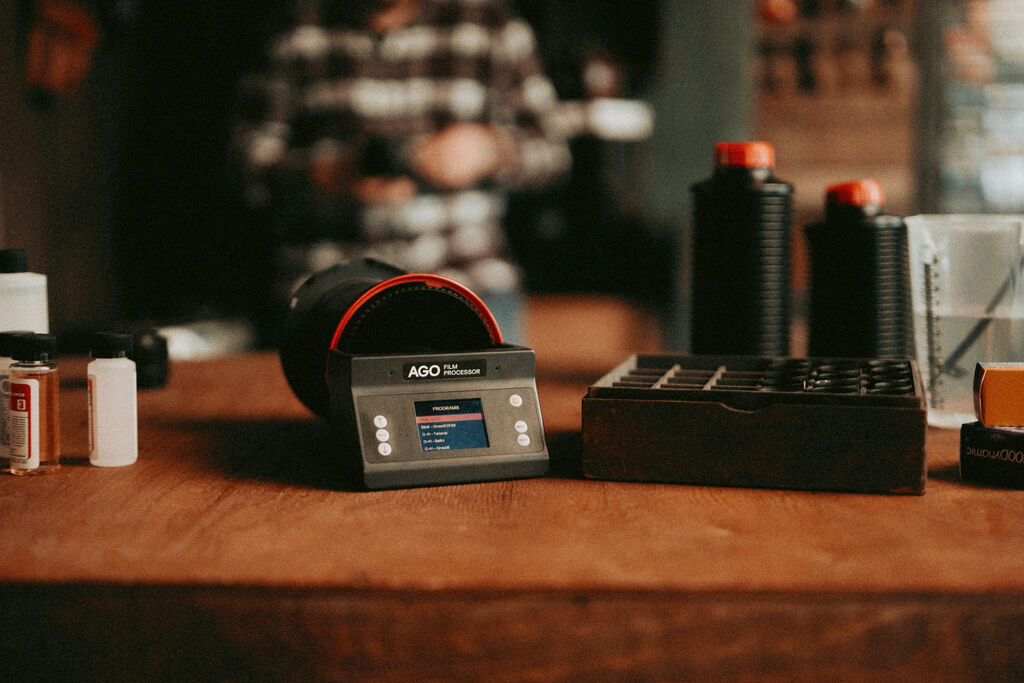
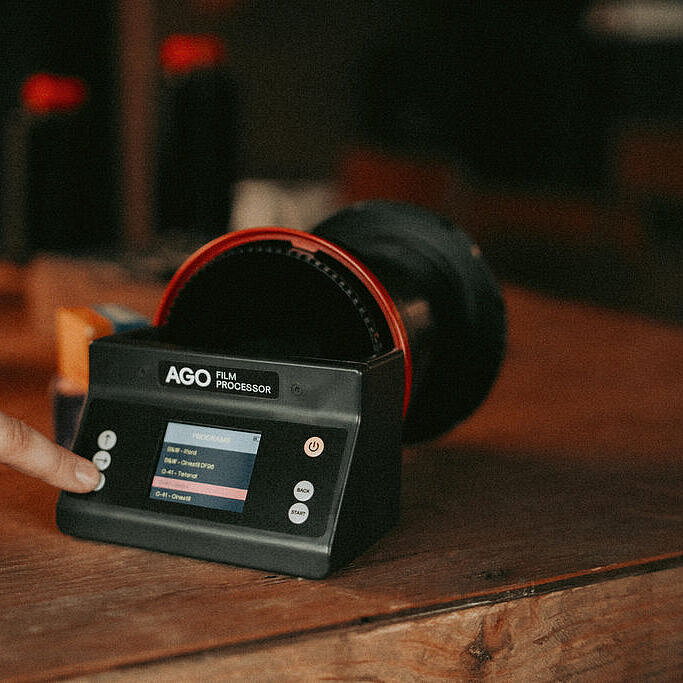
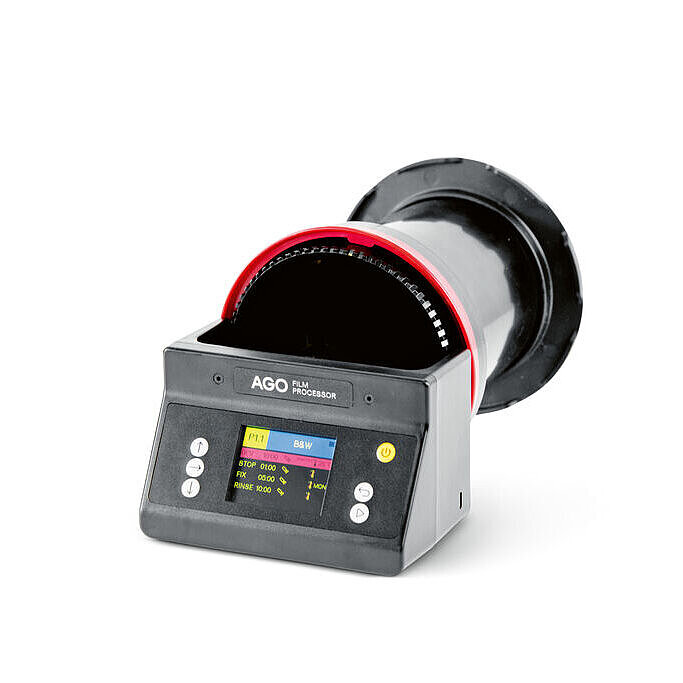
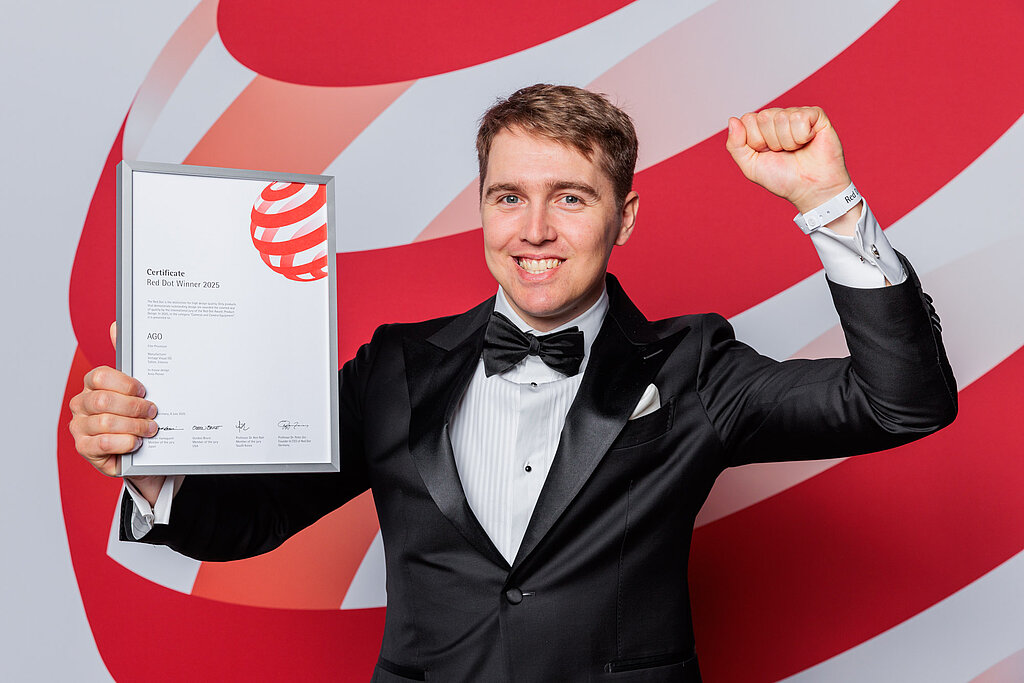
To help make film development significantly easier without limiting creative possibilities, Arno Peever developed the AGO film processor as part of a graduation project. For this pioneering work, the young professional was honoured with a distinction in the Red Dot Award: Product Design 2025. In this interview, he shares how a trip to Australia sparked his passion for analogue photography, why small details often make the biggest difference and what advice he has for aspiring designers.
Red Dot: The AGO film processor makes analogue development much more accessible. What motivated you to simplify such a traditionally complex process?
Arno Peever: For my final thesis in design studies, I wanted to tackle something truly meaningful. I had taken two years off between studies to travel and work in Australia, and during that time I fell in love with analogue photography. It immediately felt like the topic I had been searching for. The more I explored it, the more I realised how much potential there was. Because it is no longer a mainstream medium, the infrastructure around analogue photography has heavily declined. Many people doubted it would even survive. That felt like my opportunity to contribute and help keep it alive.
AGO makes film development easier without limiting creative experimentation. How did you design a system that combines technical automation with artistic freedom?
Developing black-and-white film can lead to many subtle variations – like changes in grain or contrast – that influence how photographers approach the process. Our goal was to automate as much as possible while keeping the experience intuitive. At the same time, we made it easy for users to adjust parameters if they want to deviate from our recommendations, giving them full creative freedom alongside technical precision.
Which aspects of your design give you the greatest sense of accomplishment, or hold the most personal significance?
One feature stands out: AGO is the first device for film development that measures the temperature in real time and automatically adjusts the process time. It seems like a small detail, but it required testing with every available chemical. This innovation allowed us to create a device that is ten times smaller and five times more affordable than existing alternatives. Most importantly, it made the product suitable for home use, which was my original goal: making it easier for people to enjoy analogue photography.
Were there any key moments or discoveries during the project that changed its direction or inspired you?
In the concept phase, I studied the literature on film development and spoke to many people, so I thought I already had a clear overview of the challenges. My teachers, however, encouraged me to gather more empirical data. At first, I doubted it was necessary, but when I conducted a survey, the results clearly highlighted which problems mattered most. Identifying that “elephant in the room” gave the project a new clarity and direction, and everything moved forward much faster after that.
Have mentors or peers played a role in shaping your vision or challenging your ideas along the way?
Absolutely. I was lucky to have teachers who encouraged me to get closer to my target users and understand them better. Their feedback and guidance were invaluable in shaping my approach and refining the final product.
As a young professional, how do you stay current with the design landscape while making sure your work remains original and forward-thinking?
I focus on areas that could be improved and try to understand the human behaviour around them. I also bring in expertise from different fields, so our ideation sessions stay grounded in reality. That combination – curiosity about people and collaboration across disciplines – helps me keep my work both original and relevant.
Looking ahead, what types of projects or industries are you most excited to explore?
I’m excited to keep working in the field of analogue photography. Launching AGO on Indiegogo showed us both the potential and the gaps in this space, and I see many opportunities to make analogue photography more accessible, enjoyable, and sustainable.
In what ways has participating in the Red Dot Award: Product Design impacted your growth or career as a young professional?
The Red Dot Award has been a milestone for me. It showed that ambitious goals are achievable with the right tools, courage, and willingness to learn from others. It also helped AGO gain wider recognition and allowed me to expand my professional network, connecting with people who inspire and challenge me.
What was your impression of the Red Dot award ceremony in Essen, Germany?
It was impressive. Seeing the major design houses on stage with their teams during the gala really conveyed the scale of the competition. Visiting the Red Dot Design Museum and seeing all the awarded products displayed side by side was also an incredible experience. It highlighted the creativity and innovation celebrated by the award.
What’s your top tip for young designers just starting out?
Even though I consider myself more of an engineer, I would say: look deeper into the problems you’re trying to solve. Sometimes what seems like a problem isn’t the real issue at all. By growing empathy for users and exploring the context thoroughly, you often discover that the true problem reveals itself – and once it does, the solution usually becomes clear.
On 19 November 2025, young designers will have 24 hours to secure one of 50 free registration spots for the Red Dot Award: Product Design 2026.
Those selected in the draw will receive free entry to the competition – and with it the chance to compete with the best in the industry and present their work to a global audience. If they are awarded, they will also receive the Winner Package Regular free of charge, which offers comprehensive support in communicating their success internationally.
Anyone who graduated no more than five years ago is eligible to participate.
Further information on participation and the conditions of entry can be found here.

