
Valentine’s Day from 19th-century marketing to contemporary design culture

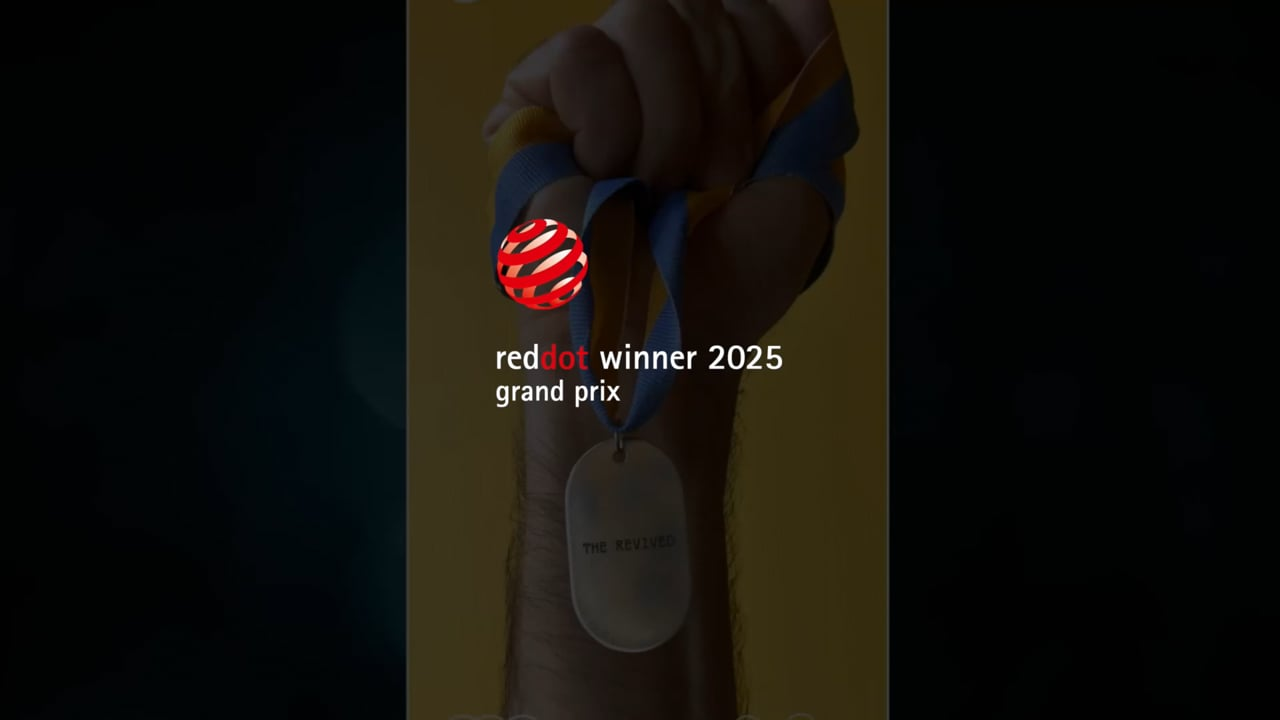
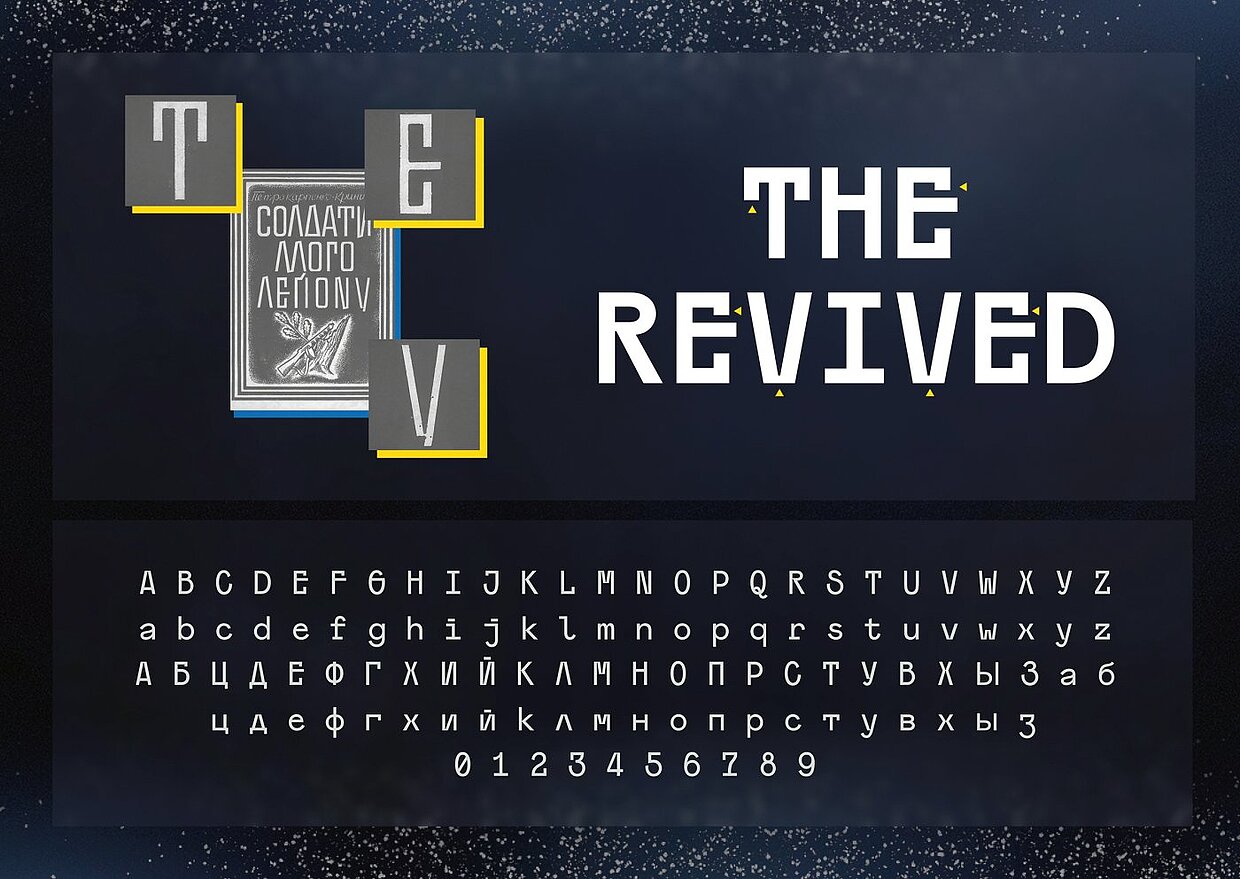
At a moment when the world’s attention is fixed on the Olympic Games – an event synonymous with unity, excellence, and peaceful competition – it is impossible to ignore the parallel reality unfolding beyond the stadiums. While athletes compete under national flags, a full-scale war continues to rage in Ukraine, cutting lives short and silencing futures that once promised greatness. It is within this charged global context that The Revived, conceived for the Paris 2024 Olympic Games and awarded the Red Dot: Grand Prix in 2025, finds its profound relevance.
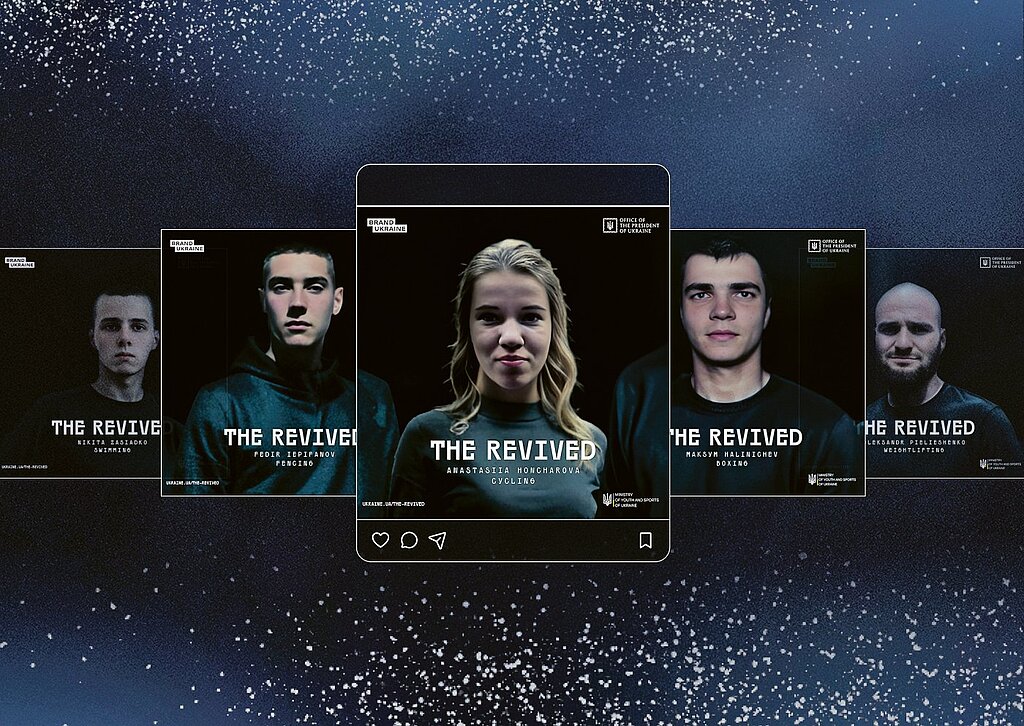
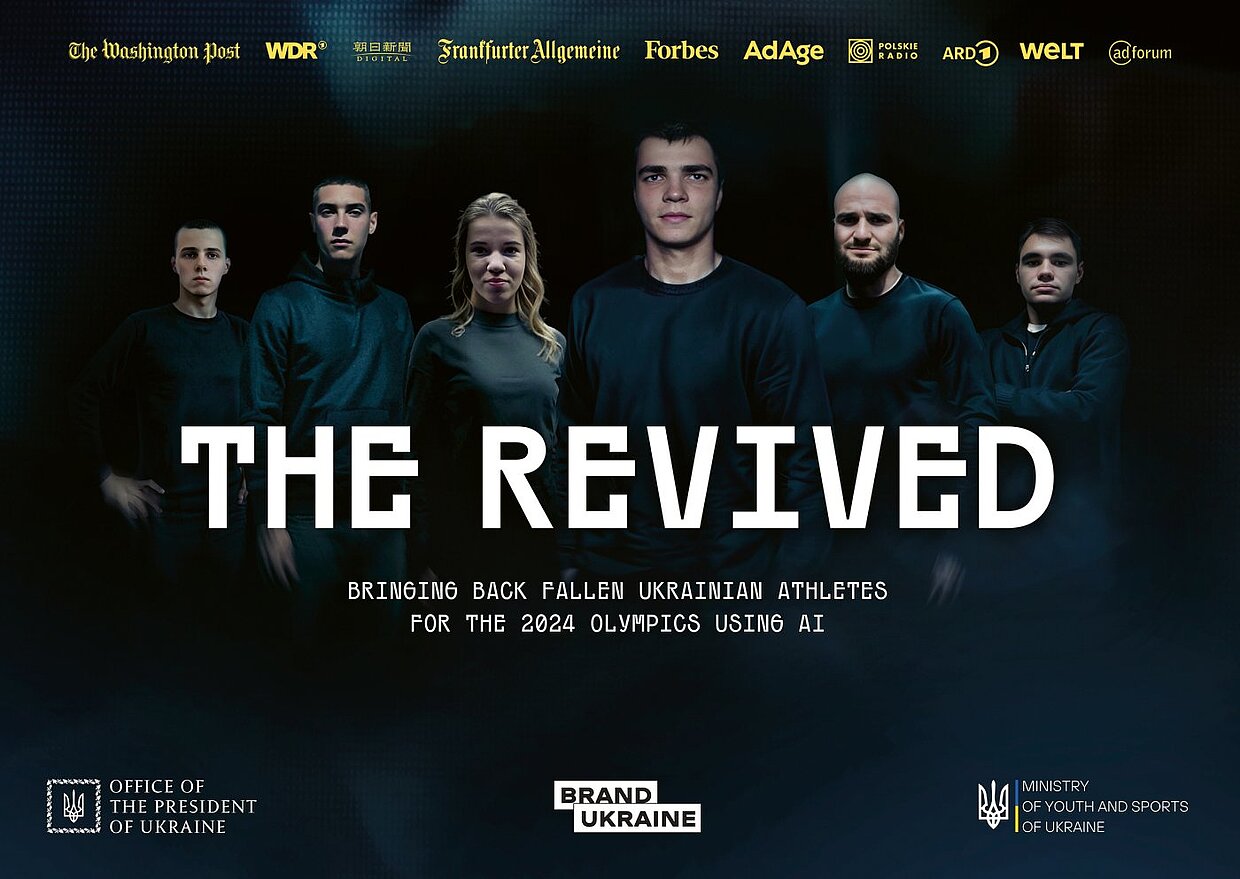
The AI-powered campaign was created by Peter Schmidt Group in collaboration with Brand Ukraine and TEAMBBDO Germany. More than an award-winning project, The Revived serves as a reminder of communication design’s moral dimension: its ability not only to solve problems or please the eye, but to preserve memory and provoke awareness.
The Red Dot: Grand Prix is reserved for projects that transcend formal excellence. It recognises work that speaks directly to its time – socially, culturally, and ethically. The Revived does precisely this. As the Olympics unfold, the world celebrates physical prowess, discipline, and the pinnacle of human performance. Yet The Revived asks an uncomfortable but necessary question: what of the athletes who will never compete again? What of those whose training, ambition, and potential were erased not by injury or age, but by war?
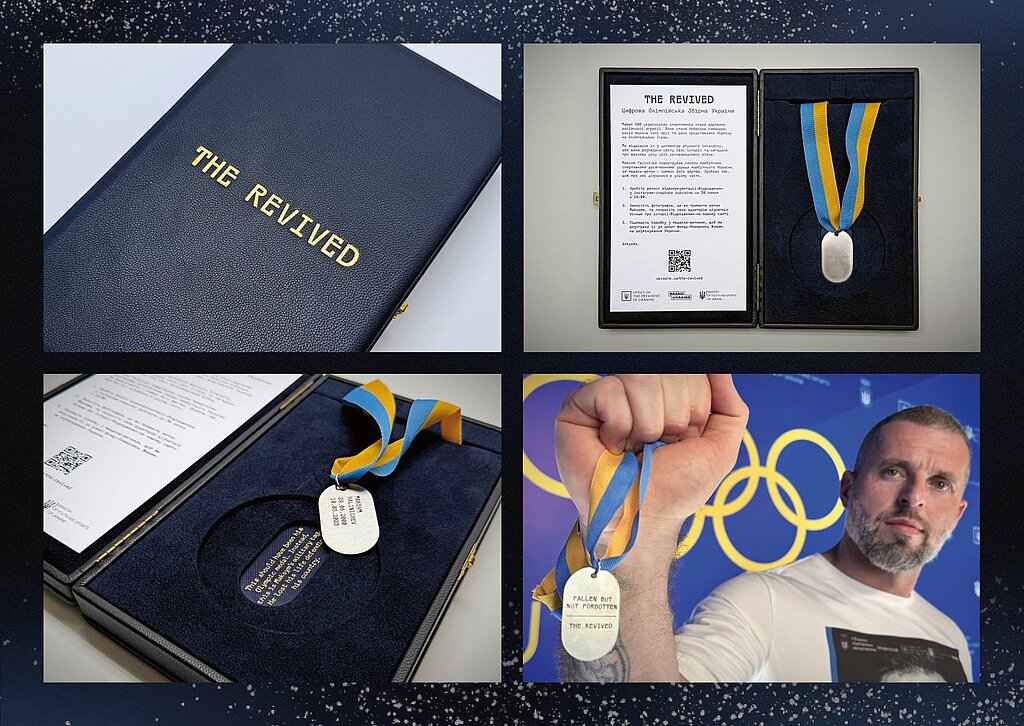
At its core, the project honours athletes who lost their lives as a result of Russia’s war of aggression in Ukraine. With the help of AI, the project restores visibility to these lives, resisting the anonymity that often accompanies large-scale tragedy.
Rather than reducing loss to statistics, The Revived rehumanises it. Each element of the project is deliberate, measured, and respectful, allowing the audience to engage with absence as something tangible. In doing so, it reframes remembrance not as nostalgia, but as an active, ethical act. This is not commemoration frozen in the past. It is remembrance placed firmly in the present tense.
Sebastian Emmel, Creative Director at Peter Schmidt Group and part of this project, shares the story behind “The Revived”:
Olympic broadcasts showcase celebration and national pride, while images of war tell a different story: of interrupted lives and futures that will never unfold. The project exists in the space between these realities, making the contrast impossible to ignore.
Design here functions as a bridge: between sport and conflict, between global attention and forgotten names, between spectacle and silence. It asks viewers to hold two truths at once: that humanity is capable of extraordinary achievement, and of devastating destruction. By doing so, The Revived resists escapism. It insists that even during moments of collective celebration, awareness and empathy must not be suspended.
The Revived asks us to remember, not only the fallen athletes of Ukraine, but the broader cost of conflict on human potential. In doing so, the project redefines what it means to “revive.” It does not resurrect bodies, but it restores presence. It ensures that those who can no longer compete are not erased from collective memory. At a time when the world is divided between news of celebration and catastrophe, The Revived reminds us that good design belongs at the intersection of ethics, culture and humanity.