












Harmony in craft: Japanese design, minimalism, and the art of making

Watches are much more than just precise instruments: they are cultural artefacts, technological drivers and expressions of aesthetic attitudes. For decades, the Red Dot Award has been honouring exceptional timepieces – from hand-wound wristwatches and classic chronographs to visionary concepts for futuristic movements. The development of timepieces shows how design accompanies and shapes cultural and technological change.
“You put yourself in different moods with your watch. It can change your inner attitude towards your day. You express something about yourself on a symbolic level through it. Watches have something magical about them. Also because they are actually everlasting.” – Professor Dr. Peter Zec, Founder and CEO of Red Dot.
Long before complex apparatus existed, people organised their daily lives according to light and darkness. Sundials, water clocks, candle clocks and hourglasses laid the foundation for the idea that time is visible, malleable and measurable.
In the 13th century, mechanical wheel clocks led to a radical change: weight-driven movements marked the hours independently of daylight and organised cities and monasteries. Around 500 years later, pocket watches emerged as portable craftsmanship, and from the early 20th century onwards, the wristwatch merged function, design and personal expression into an iconic object.
Electric clocks, quartz movements and atomic clocks enabled maximum accuracy and made the clock the invisible timekeeper of modern societies.
In 1969, Seiko introduced the Quartz Astron 35SQ, the first commercial quartz wristwatch. It was developed at the Suwa Seikosha factory in Nagano Prefecture (Japan), which later became Seiko Epson Corporation. It achieved an accuracy of ±5 seconds per month. Quartz technology democratised precision, changed design and manufacturing, and continues to shape the world of watches to this day.
Swiss designer Gérald Genta revolutionised the industry’s design language in the 1970s. With models such as the Audemars Piguet Royal Oak (1972) and the Patek Philippe Nautilus (1976), he combined luxury, sportiness and industrial aesthetics to create a new category. Stainless steel became a luxury material, bold case shapes became a statement. To this day, Genta's works define how modern watches look as wearable, characterful design objects.
Today, designers combine classic and modern styles in fascinating ways. The timepieces honoured at the Red Dot Design Award show that watch design goes far beyond pure function. Whether minimalist mechanics, digital intelligence or sustainable materials – they all embody the same spirit: precision, craftsmanship and the desire to give form to the moment.
“Design always moves between the poles of innovation and tradition – in all areas. Depending on whether a brand is more traditional or innovative, you expect different things from the design,” says Professor Dr. Peter Zec. “You can also be innovative in the heritage sector. You can find original reinterpretations of old standards. Something like that immediately catches the eye.”
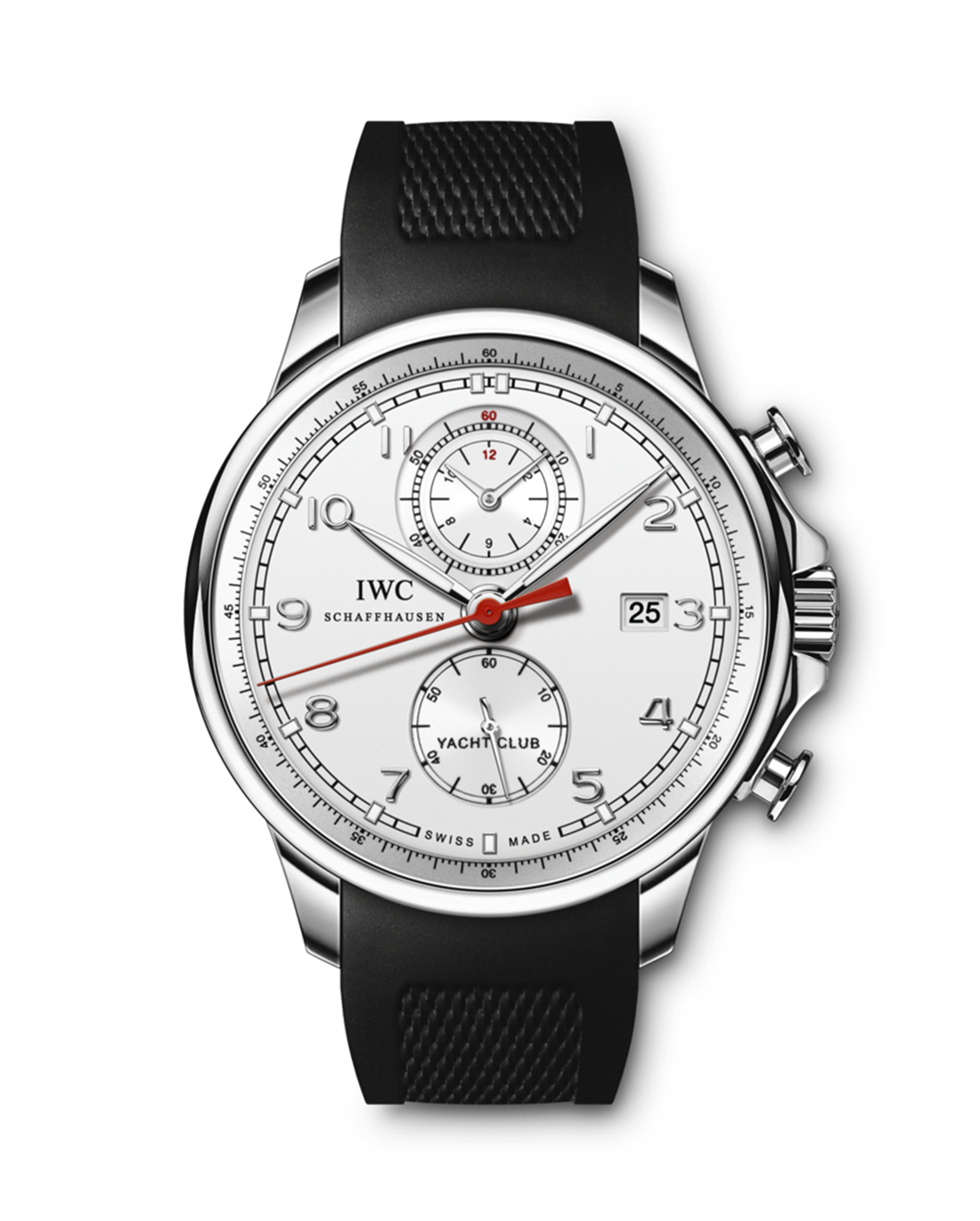
The Portuguese Yacht Club Chronograph from IWC Schaffhausen was awarded a Red Dot in 2010 and translates the iconic Portuguese line into a sporty, maritime form. Founded in 1868, the Swiss manufacturer is known for its engineering-driven, clear design, and it is precisely this attitude that characterises the model: a balanced dial, generous typography, harmoniously placed totalisers and a case that combines robustness and elegance. Despite its dynamic accents, the watch remains unmistakably a Portuguese and shows how IWC combines tradition and technical precision in a contemporary interpretation.
Christian Knoop, Chief Design Officer at IWC Schaffhausen, describes the relaunch of the Portuguese as a balancing act between respect for the icon and contemporary development:
“The Portuguese is one of the icons of IWC Schaffhausen. A collection that has been closely linked to the history of the brand since 1939 and, with its purist design, is exemplary of the brand’s understanding of design and watchmaking. As the then new Creative Director, working on a relaunch of the product line was both an obligation and an incentive for me. In addition to a careful redesign of the classic Portuguese in 2010, the Portuguese Yacht Club was introduced as a new sub-line. The Yacht Club, a sporty maritime addition, recalls the origins of the Portuguese as a robust and precise marine chronometer. At the same time, it takes up the name ‘Yacht Club’, which IWC has used since the 1970s for sporty, robust leisure watches. The Yacht Club, launched in 2010, is a perfect combination of fine watchmaking with a manufacture movement and a timelessly elegant case design with sporty elements.”
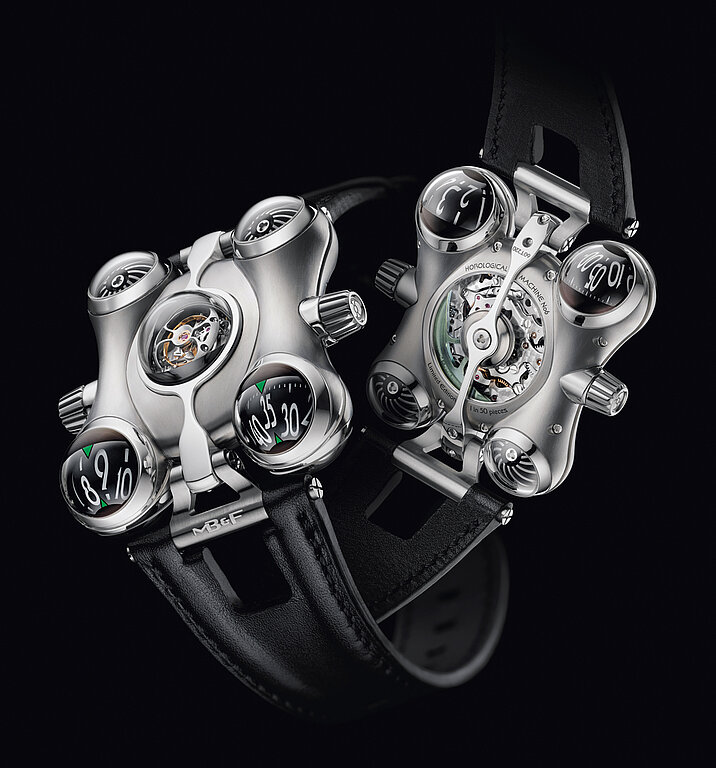
The Horological Machine No. 6 “Space Pirate” by MB&F combines science fiction aesthetics with watchmaking artistry. An organically sculpted titanium case, four dome-shaped displays and a central flying tourbillon create a watch that looks more like a small spaceship than a traditional timepiece. Despite its complexity, it is light and comfortable to wear. The Red Dot Jury highlighted the creative reinterpretation of classic display forms and the visionary, narrative design quality, awarding the watch a Red Dot: Best of the Best in 2015.
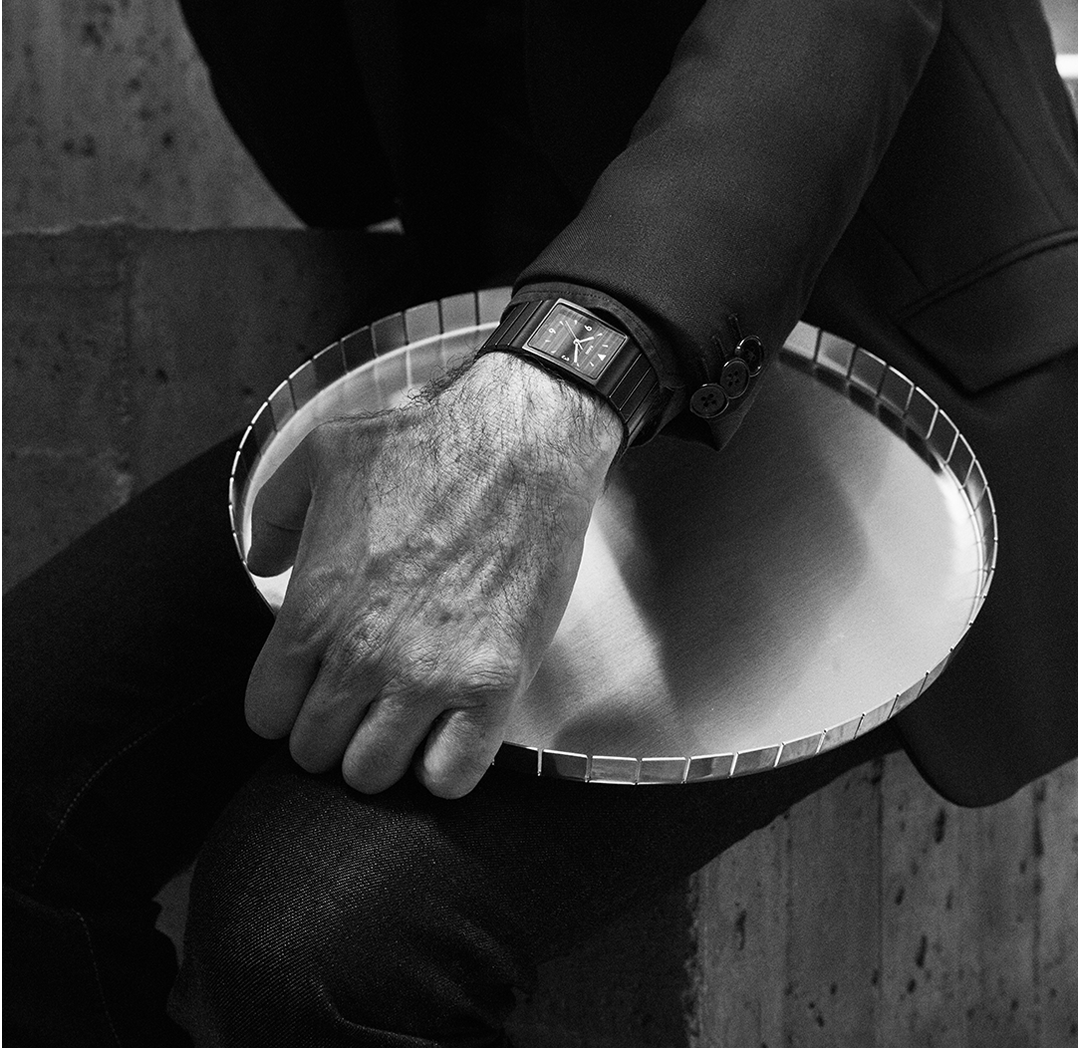
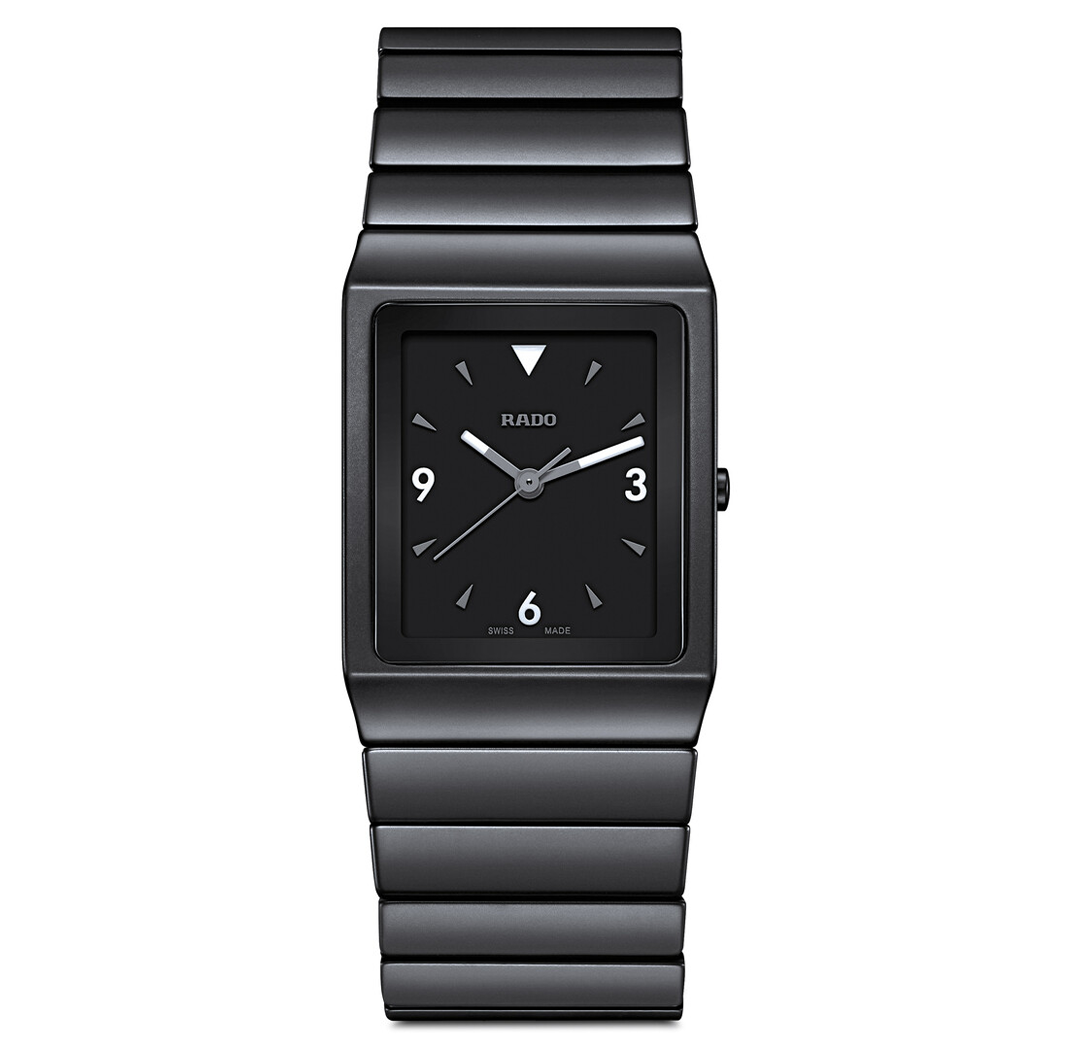
With its reinterpretation of the iconic Ceramica, Rado has achieved a remarkable further development of a modern design classic. The brand’s characteristic combination of minimalist geometry and innovative high-tech ceramics has been retained, but refined in a contemporary style. The jury awarded the Rado Ceramica a Red Dot in 2017: “With its simple, expressive design language, the Rado Ceramica lives up to the heritage of a watch classic and the contemporary demands placed on a wristwatch,” said the jury.
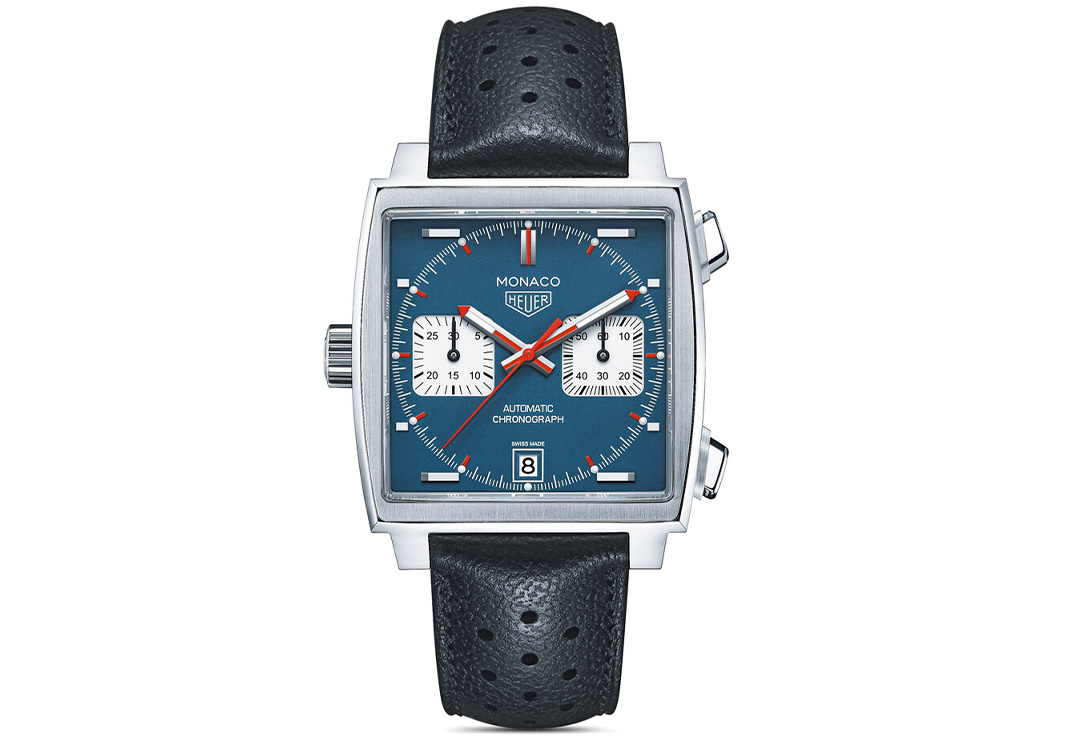
With the Monaco Calibre 11, TAG Heuer is reissuing one of the most influential chronographs in watch history, while remaining true to the visual identity of the 1969 original. However, the reinterpretation deliberately sets different accents: the iconic square stainless steel case is emphasised and given a stronger architectural presence by solid lugs and angular pushers. The transparent back also reveals the redesigned movement, a detail that combines technology and design. The Red Dot Jury honoured the watch with a Red Dot in 2017: “The striking design of the Monaco Calibre 11 chronograph skilfully combines the tried and tested with the new, representing a contemporary interpretation of a classic watch.”
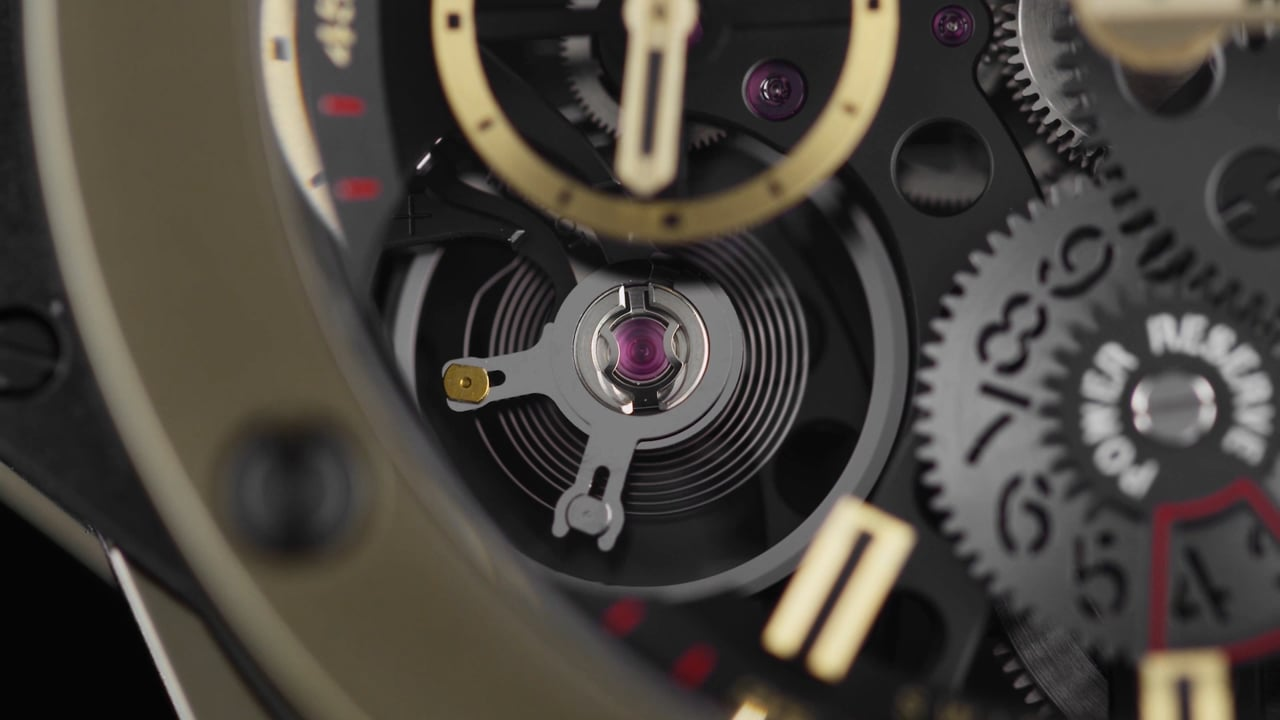
The Big Bang Meca-10 Magic Gold embodies Hublot's approach of making mechanics visible as a central design element. Its specially developed movement is completely open, and there is no dial. Instead, the 79-piece construction reveals a technical spectacle that defines the character of the watch and is reminiscent of the aesthetics of classic Meccano construction sets. The watch was awarded a Red Dot: Best of the Best in 2017: “The Big Bang Meca-10 Magic Gold shows how much pleasure a mechanical wristwatch can bring. It is a captivating evolution of an archetypal product,” explained the Red Dot Jury.
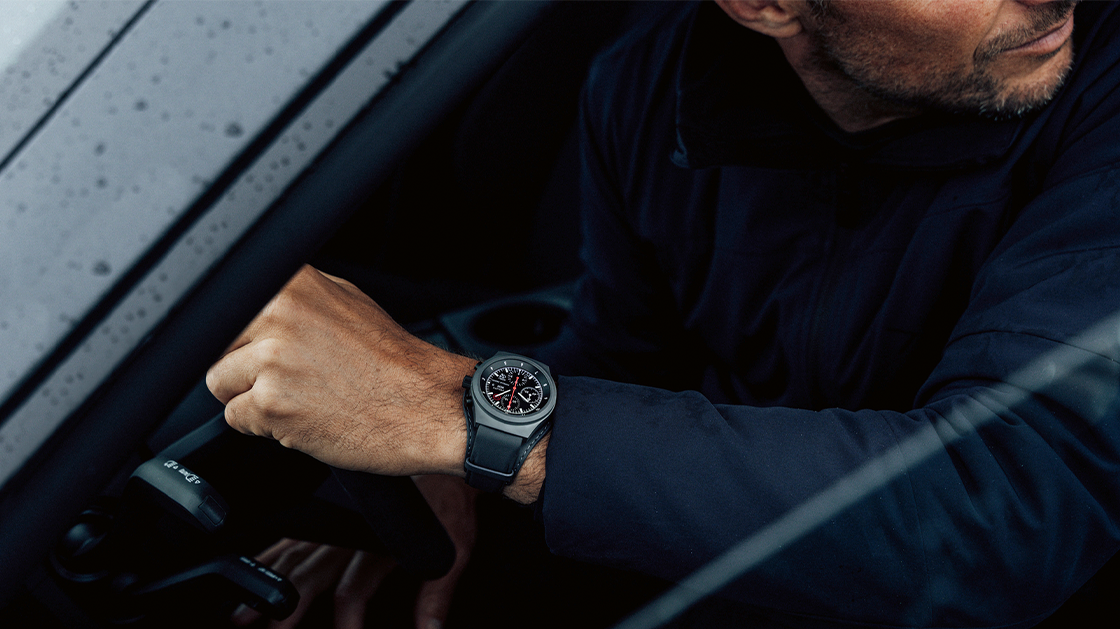
In the late 1970s, Porsche Design developed the Military Chronograph, a stainless steel timepiece that set new standards with its glare-free readability and reliability. More than 40 years later, the legend is being reinterpreted with the Chronograph 1 Utility – Limited Edition.
“The design is harmonious in every respect, from the sophisticated hands to the scratch-resistant case material, which retains its beauty over time,” said the Red Dot Jury, which awarded it a Red Dot: Best of the Best in 2024. “A magnificent, successful watch with a long tradition that reaches into the future,” was their conclusion.

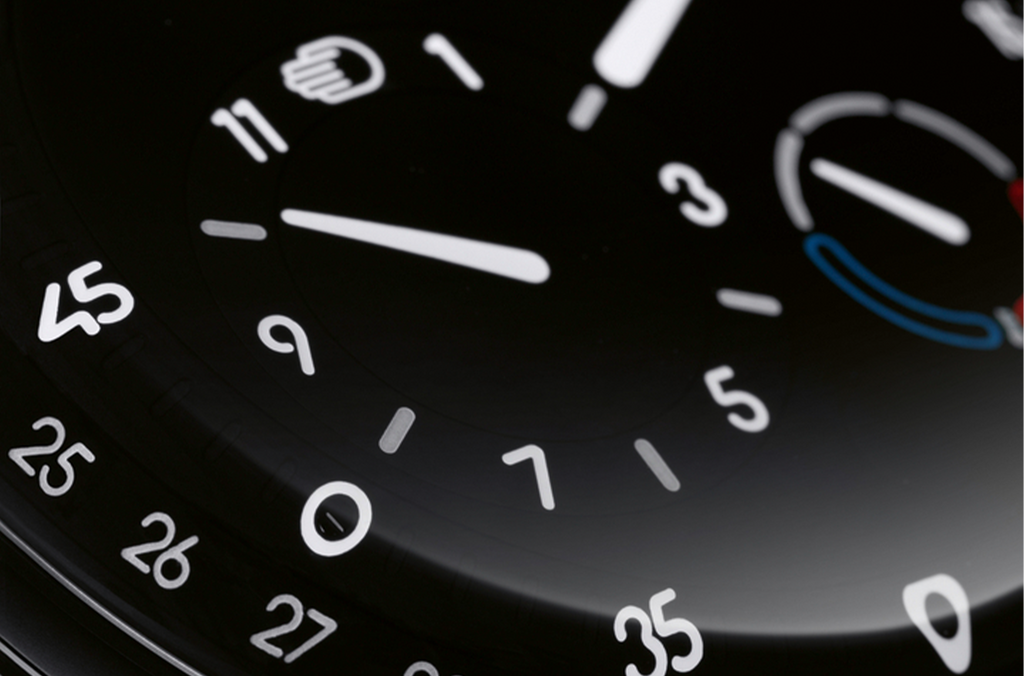
The Ressence TYPE 3 BB2, which was awarded a Red Dot: Best of the Best in 2024, surprises with a dial that can be read perfectly from every angle. An oil-filled layer between the glass and the dial blurs the perception of depth, making the displays appear to lie directly on the glass. The result: a feeling of captivating clarity and immediacy. “The product's hand-flattering qualities are absolutely remarkable. A unique, easy-to-read time display from every angle,” was the jury's conclusion.

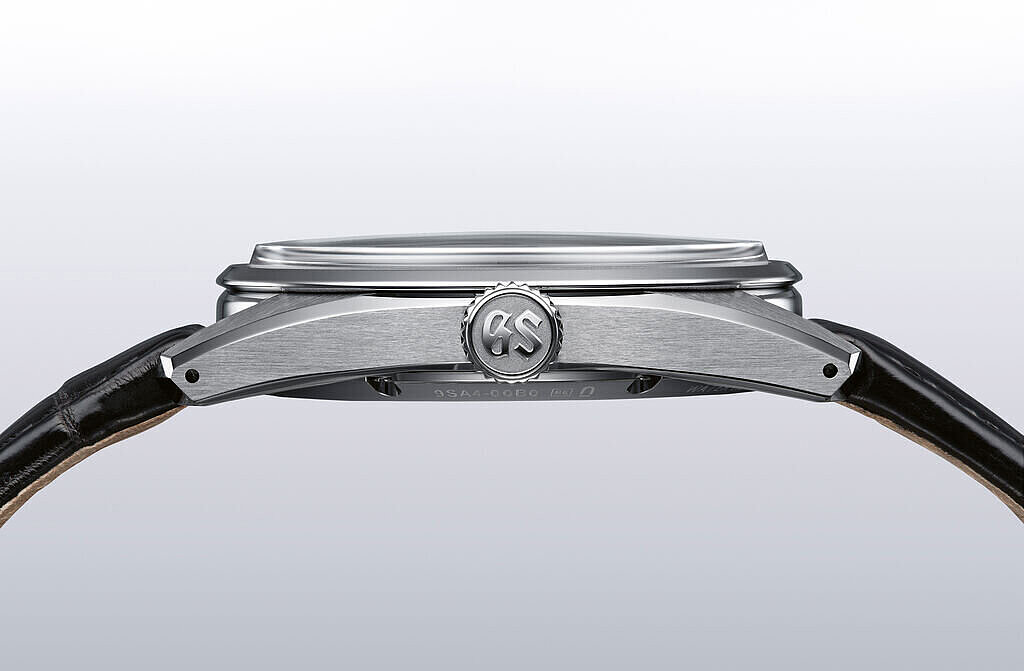
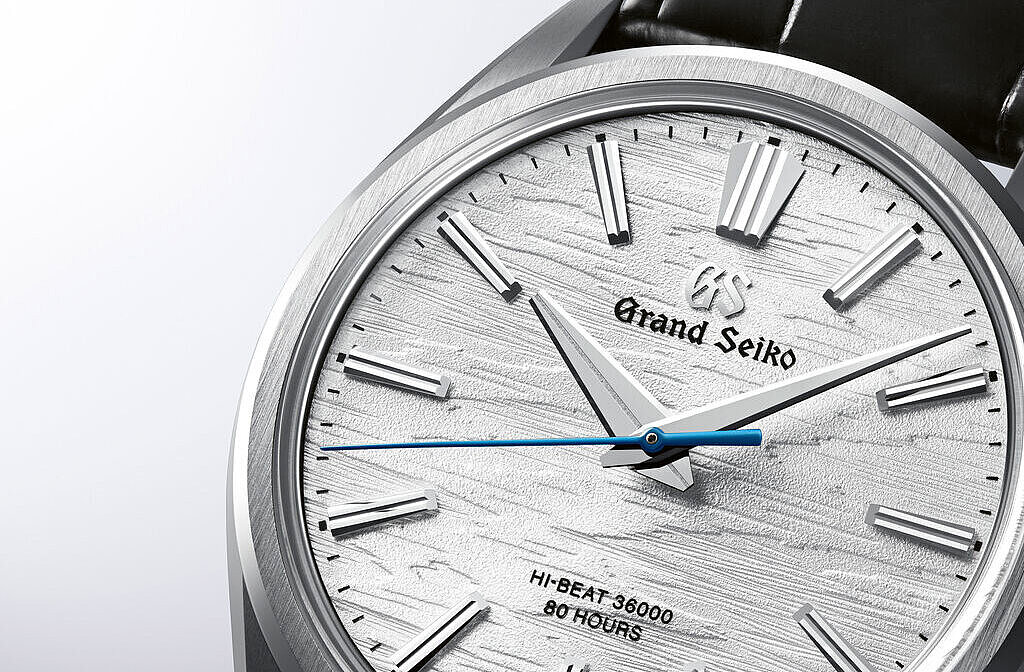
With the SLGW003, Grand Seiko presents a new hand-wound movement for the first time in 50 years, continuing the design history of the 44GS from 1967. Slim proportions, clear surfaces and masterful polishing define a watch that translates traditional Japanese craftsmanship into a modern design language. The jury emphasised the exceptional balance of the components and the perfect design coherence as the highlight of the Grand Seiko style and awarded the watch a Red Dot: Best of the Best in 2025: “The brand's own language, developed over decades, finds its highest expression in this watch,” said the jury.
The journey from the first sundial to the visionary timepieces of today shows how closely technology, culture and design are intertwined. Every era has left its own mark on watch design, from the functional mechanics of medieval clockworks to the elegance of pocket watches, the technical revolutions of the 20th century and the experimental forms of today's watchmaking.
The watches honoured in the Red Dot Award make it clear that innovation is not at odds with tradition, but rather emerges from it. They translate historical knowledge into contemporary forms, create new rituals and continually redefine what it means to make time visible. Thus, watch design remains a field in which the past and the future are not opposites, but rather combine to form an ongoing story, a story that continues to be written with every tick.

