Interview with Mario Selic
Selic Industriedesign

Red Dot: To what extent does the global open-plan kitchen trend influence the development of kitchen appliances?
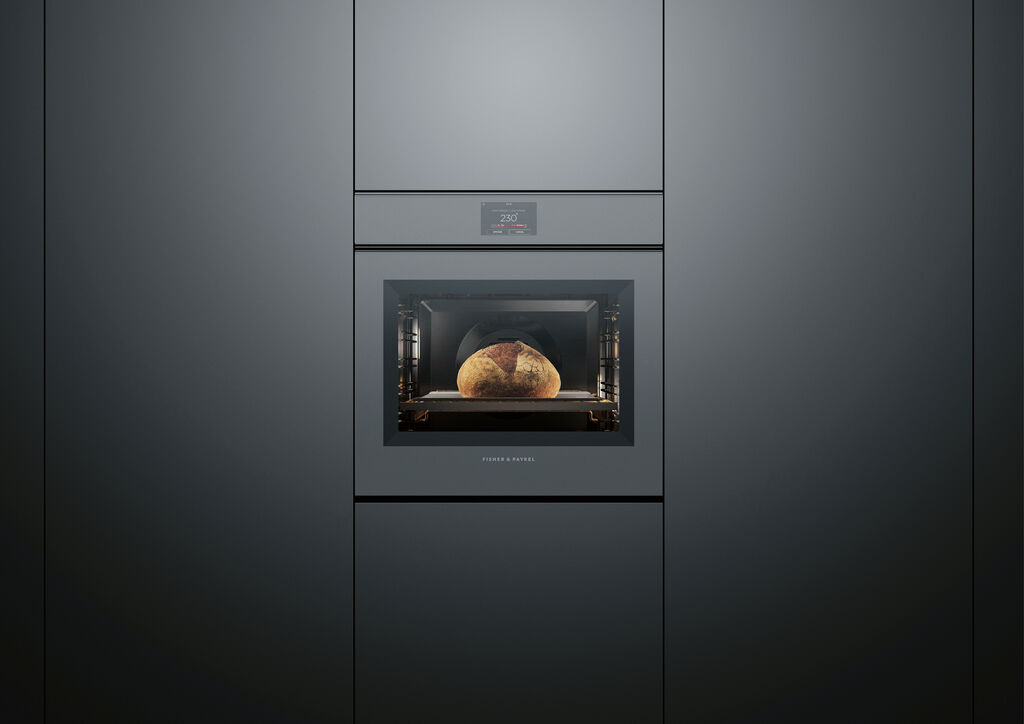
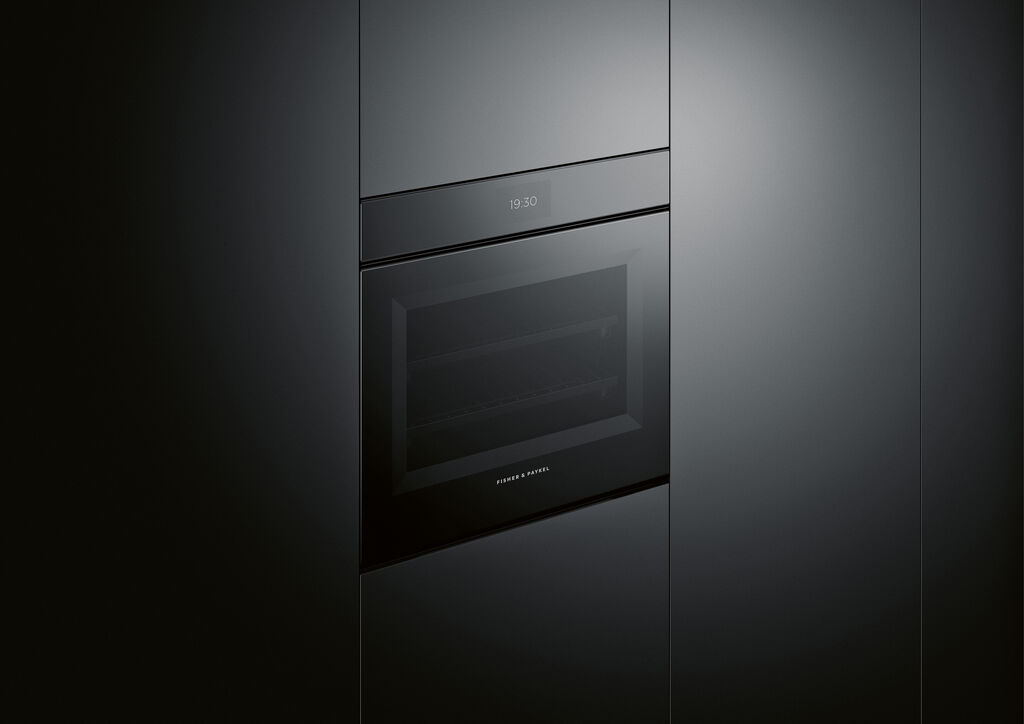
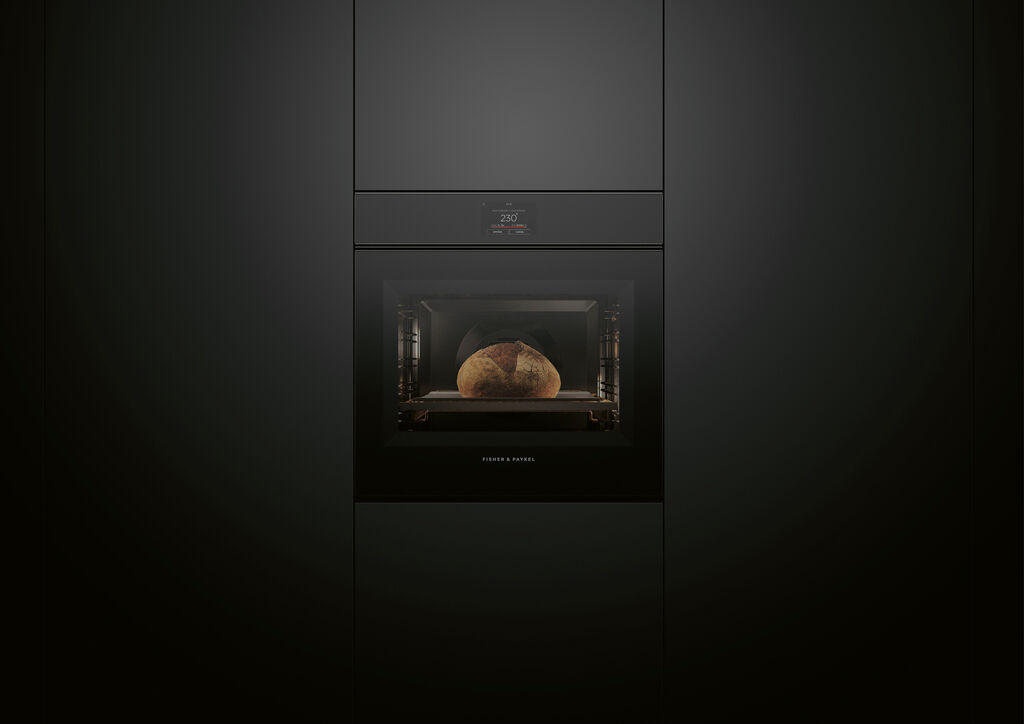
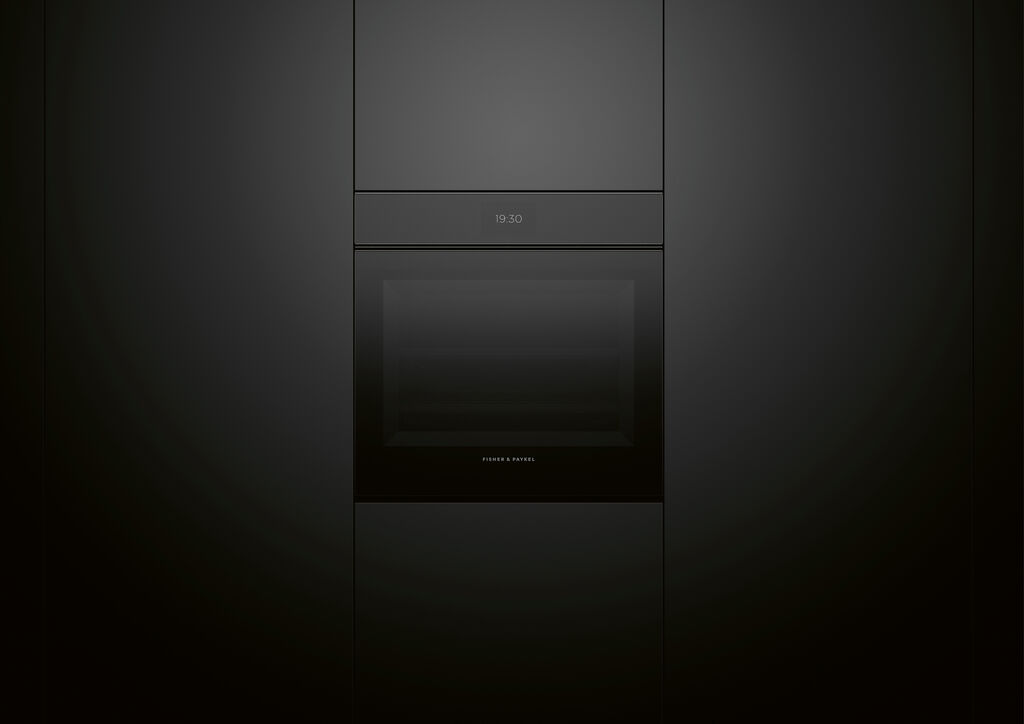
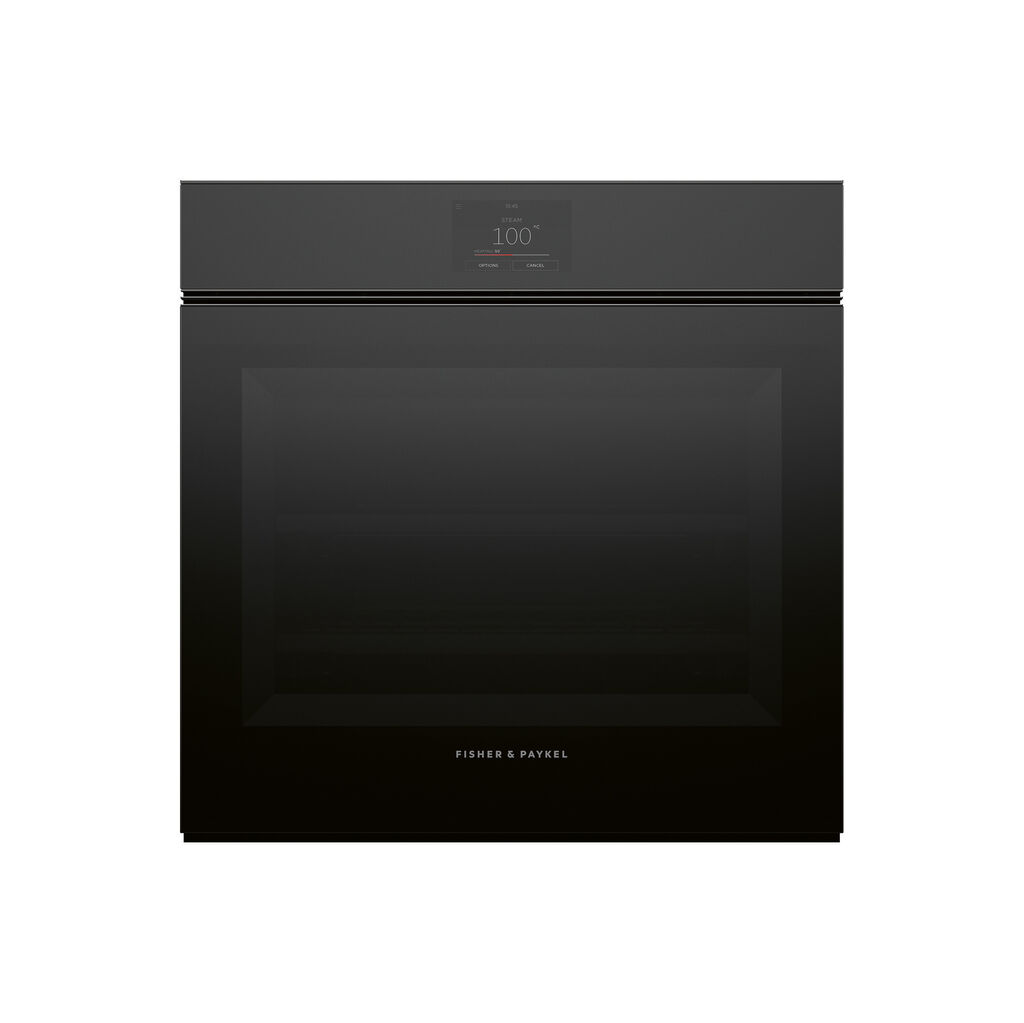
We view this trend as a key driver in kitchen appliance design. It underscores the relationship between the building’s structure and materiality, making it necessary for the appliances to blend in with the architectural aesthetic. Our integrated appliances allow customers to maintain a consistent look in their interior spaces by choosing the materials and finishes they want to include in the kitchen. The Minimal Handleless Combi-Steam Oven embodies this approach because its sleek lines and understated materiality blend seamlessly into open-plan kitchens.
The handleless glass doors are one of the striking features. Which detail did you enjoy designing most?
Perfecting the grey glass surface was one of the highlights of the process for the Fisher & Paykel design team. It was both a joy and a challenge. We are delighted to see architects and interior design experts embracing this shade, and to see how wonderfully it harmonises with softer wood tones and other materials. The main challenge was to select the perfect grey tone, and we’re very proud of the finished result.
Is it possible to create a distinctive look despite reduction?
It’s possible if the design is well thought out. With the Minimal Handleless Combi-Steam Oven, Fisher & Paykel took the approach of designing a product that appears uniform and monochrome from a distance and blends naturally into its surroundings. But on closer inspection, the subtle details reveal its character. This balance makes the oven distinctive without detracting from its minimalism.