
Interview with Bojan Klančar
TEM Catež d. o. o.
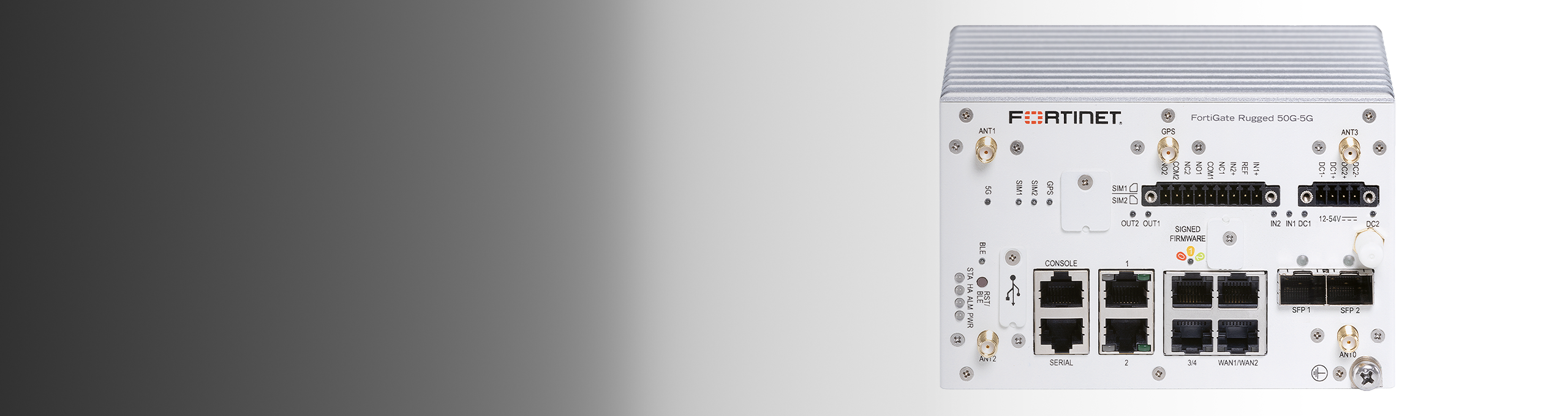
Red Dot: How do you balance robustness, thermal management and structural clarity in such a high-performance device as the FGR-50G-5G/-70G-5G, intended for extreme environments?
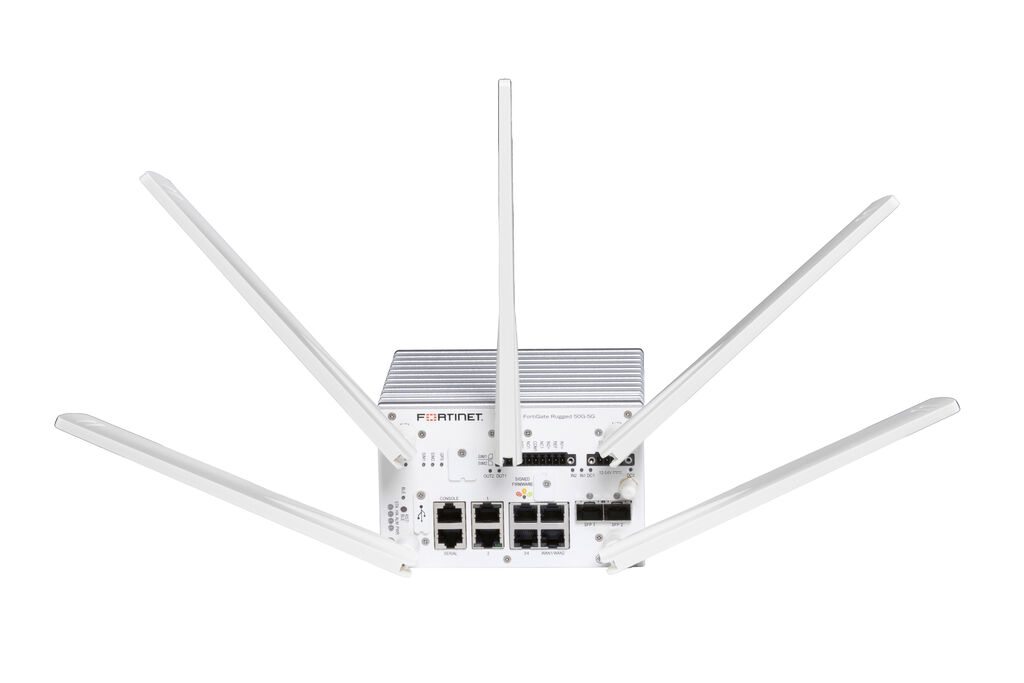
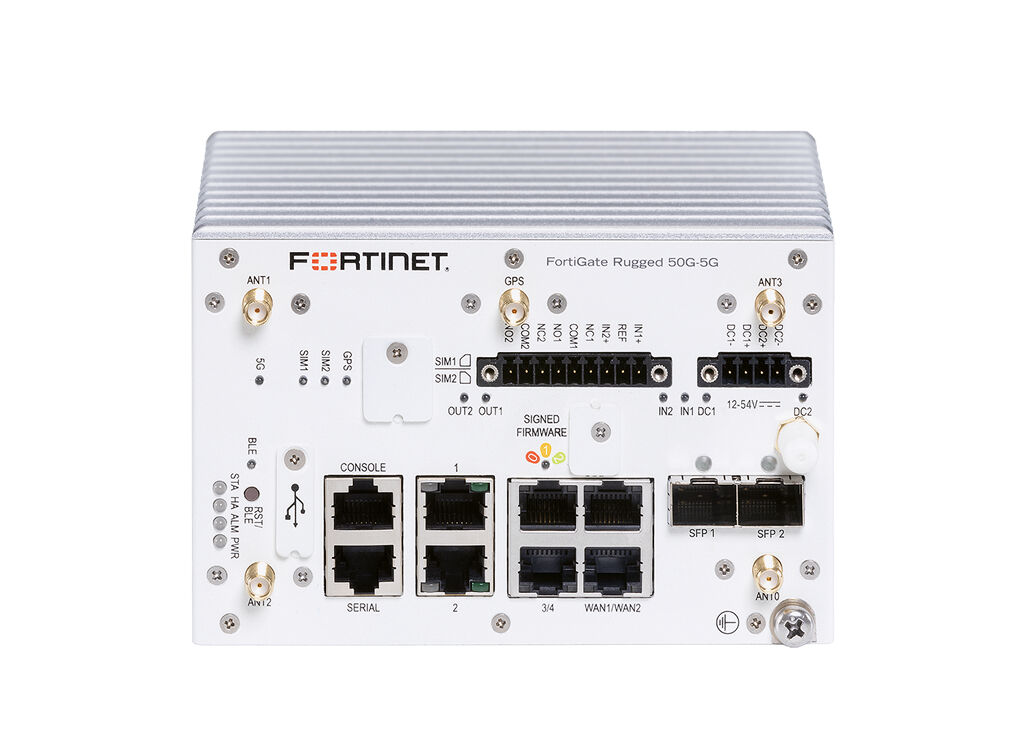
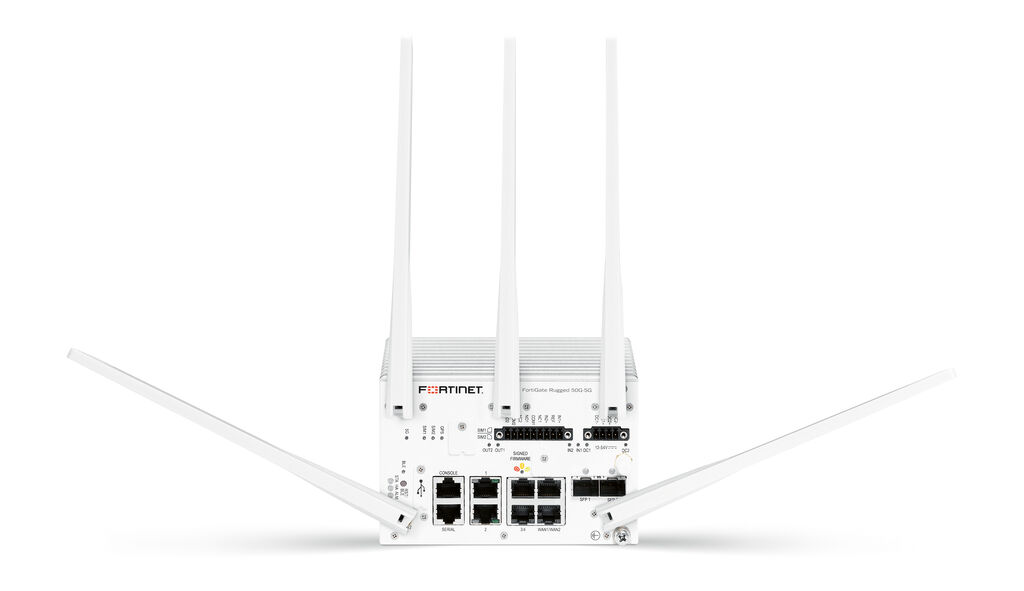
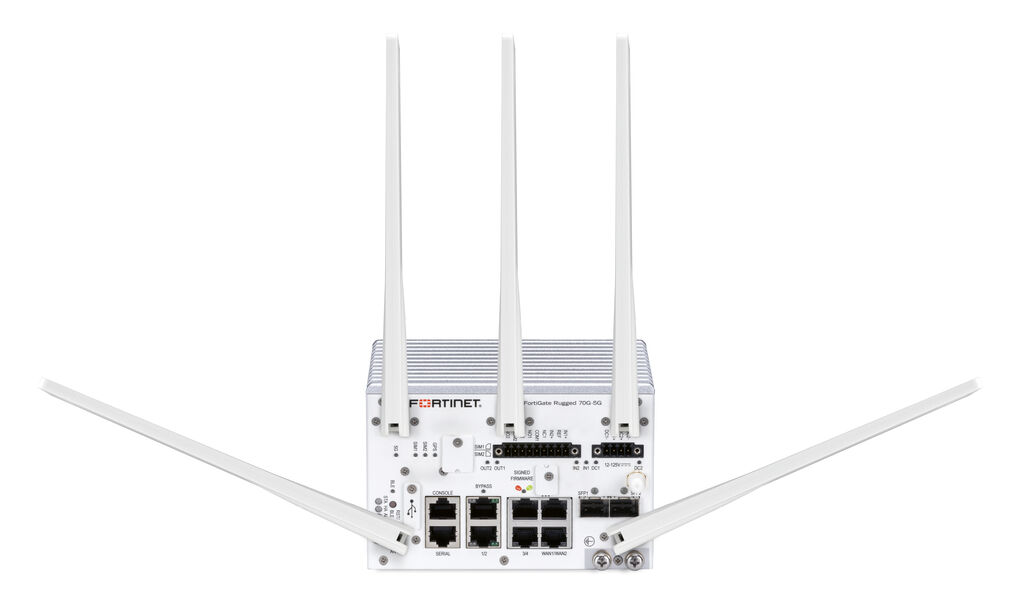
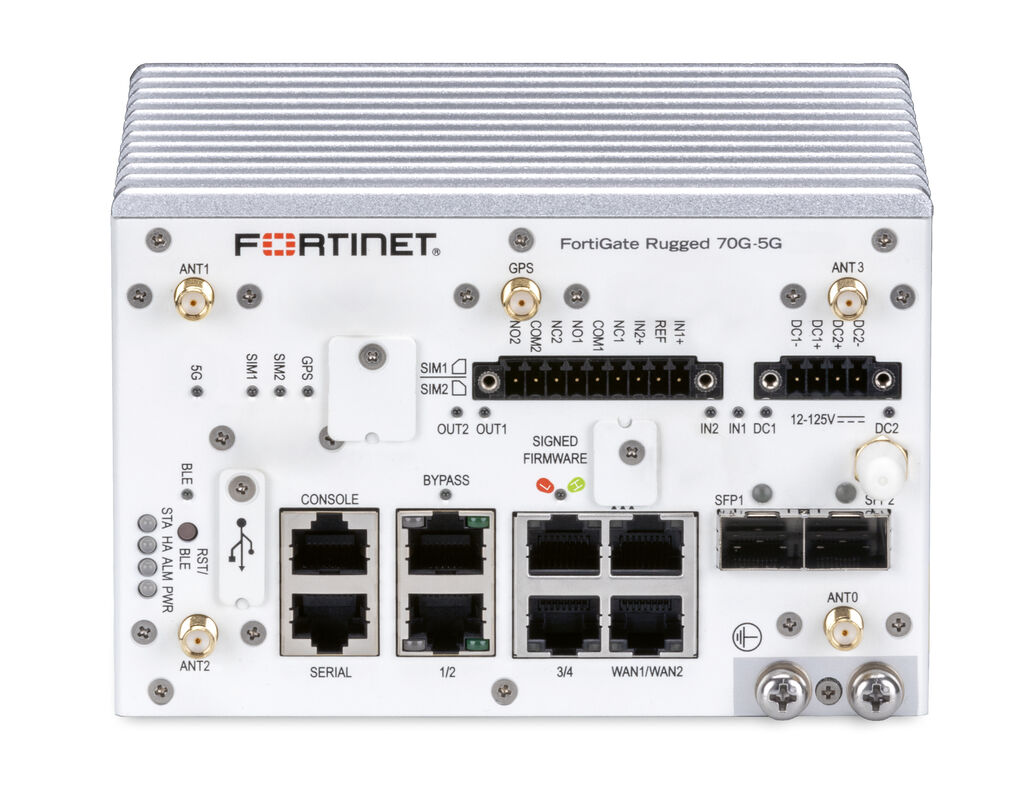
The design goes through several stages of development and simulations. Prototype 1 (P1) stage assesses dimensions and constraints and makes the appropriate adjustments to integrate all necessary functions while maintaining design aesthetics. P2 stage refines the design and validates the thermal performance while ensuring that industrial requirements are met. As hardware changes are not possible after this phase, thermal validation in external labs is critical. Once this phase is completed, software features are added and tested. P3 is the final stage of certification and validation by accredited labs. Once it has passed all the tests, the software is finalised and the appliance prepared for production. The heat sink and its placement plays a vital role for thermal management. The use of high-quality and high-thermal components allows for a compact form of effective heat dissipation. Our engineering team designed the heat sink in such a way that it seamlessly blends in with the appliance’s exterior and has minimal fins, thus ensuring that the appliance has a sleek appearance.
In security-critical environments, trust is essential. How does the external design – through choice of materials, design idiom and interface layout – contribute to conveying reliability and trust?
The appliance is validated comprehensively by third-party assessors. This includes tests in high-voltage environments, under extreme impact, vibration and temperature conditions and at high altitude. The appliance furthermore features our purpose-built ASIC processor, which offers an exceptional security performance. The certifications and test results are recorded in the product data sheet to provide transparency in demonstrating the product’s reliability and to build user confidence.