
Interview with Jing Yi
JING YI

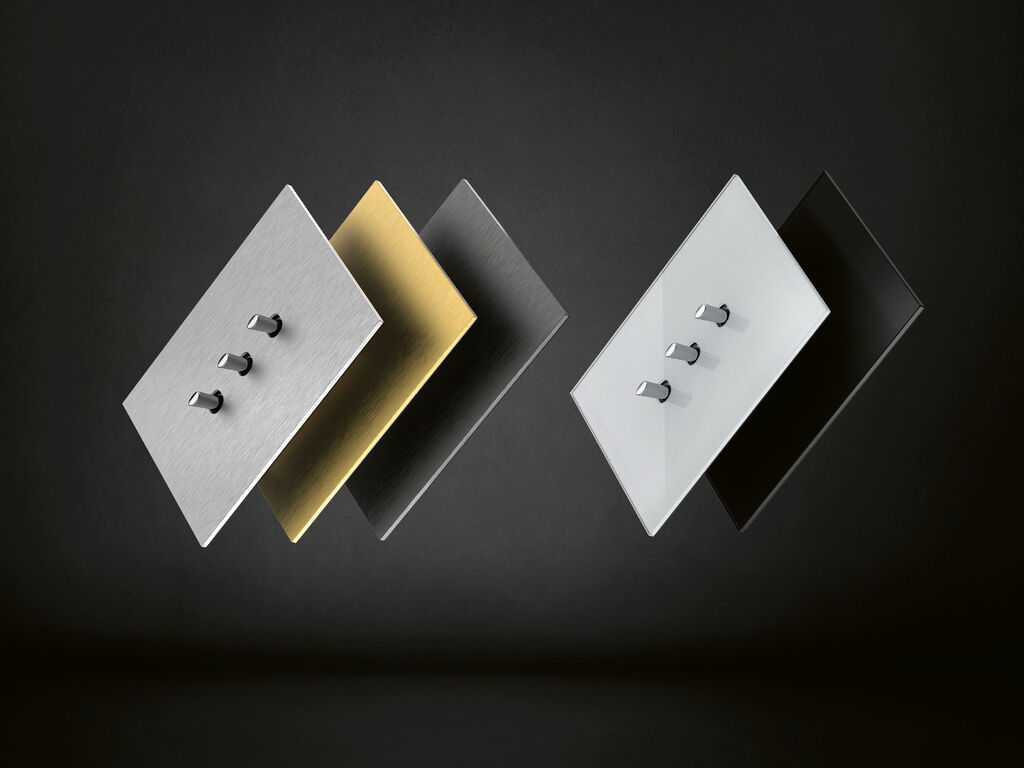
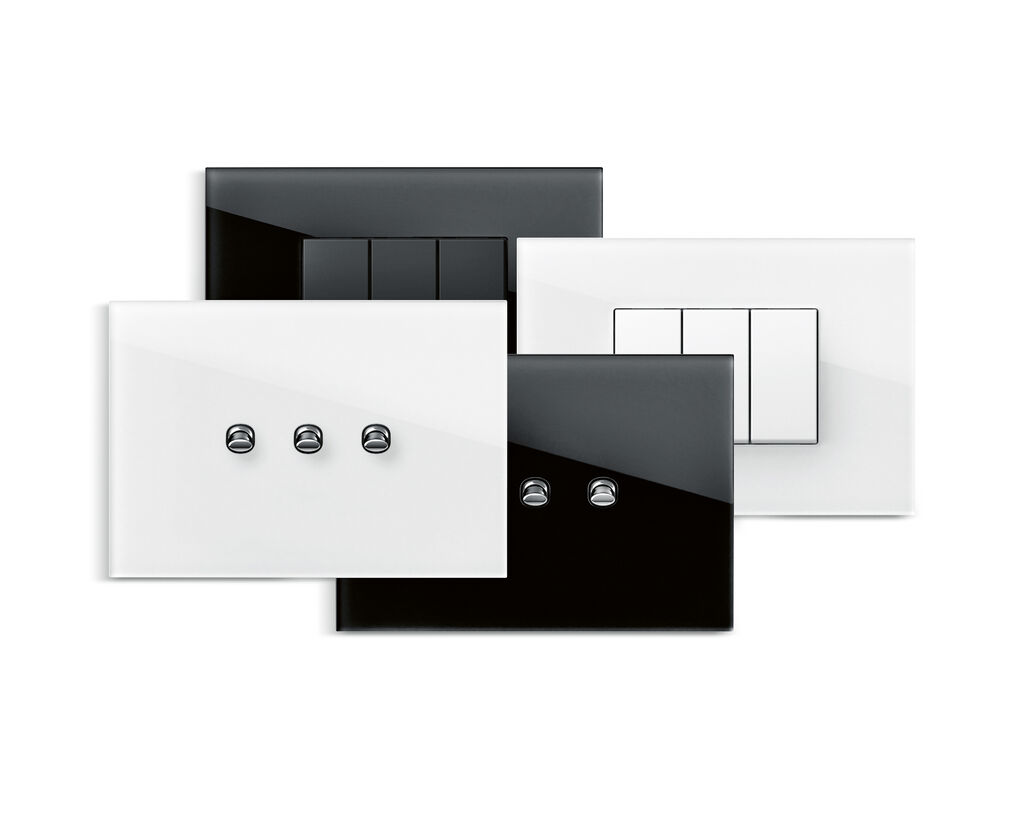
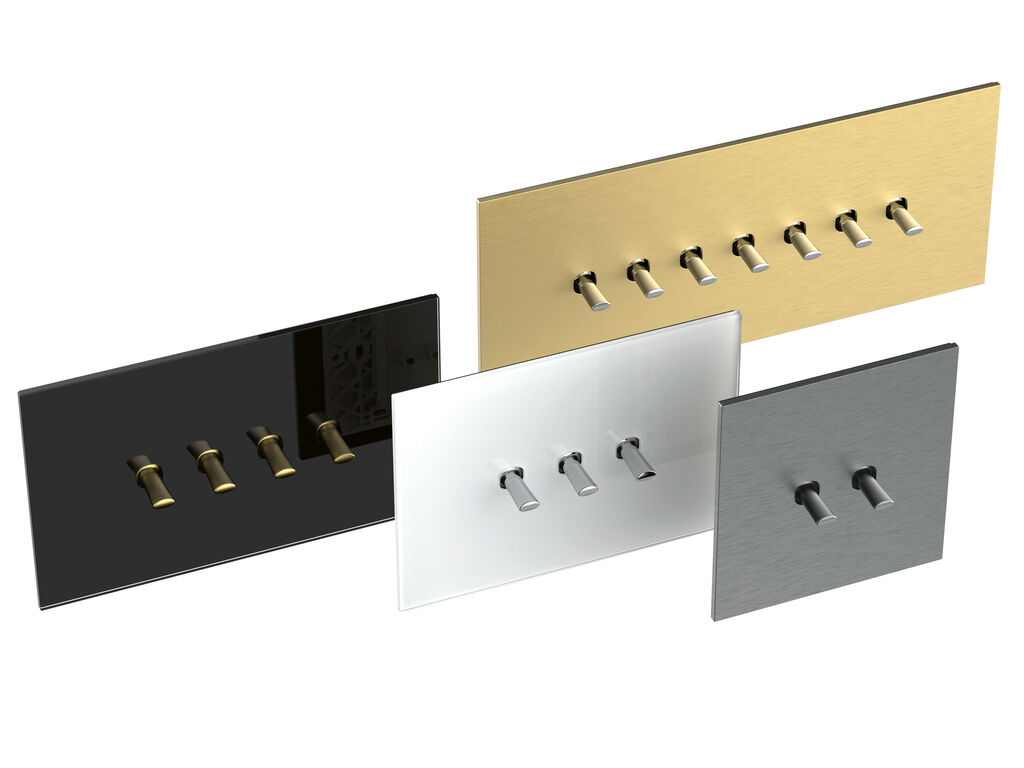
Red Dot: Thanks to its colour palette and various switch options, EDGE can be adapted to suit individual interior styles. What advantages does its modularity offer?
With EDGE, we wanted to move beyond the idea of a static wall element and create an interface that evolves with users’ needs and living environments. No matter whether users are renovating or simply have new preferences, the system allows for changes with a few simple adjustments. This flexibility is not only a benefit for the end user, but also a strategic design decision that promotes sustainability and improves manufacturing efficiency. The modular system – comprising a universal mounting platform along with interchangeable decorative covers and switch types – reduces production complexity, minimises tool requirements and optimises stock levels.
How important do you think haptics are for product design?
Haptics are fundamental to the user experience of any product, especially one as frequently used as a light switch. That’s why we paid particular attention to the tactile qualities of EDGE – how the switch feels, how it moves and how it responds to touch. Subtle resistance, precise feedback and an elliptical surface texture all contribute to a pleasing and intuitive interaction. We believe haptics can create an emotional connection between person and product – in EDGE, it is a deliberate part of the design language.
EDGE features ergonomic toggle switches. Do you see a trend towards tactile controls?
Yes, we are observing a growing appreciation of tactile, analogue interfaces, particularly in living spaces and hospitality environments where human-centred design and emotional comfort come into play. Digital control panels may offer multifunctionality, but they often lack the immediacy and intuitiveness of physical controls. However, we don’t see this as a rejection of digital technology, but rather as a complementary trend: a return to materiality, considered design and meaningful interaction in a digitally shaped world.