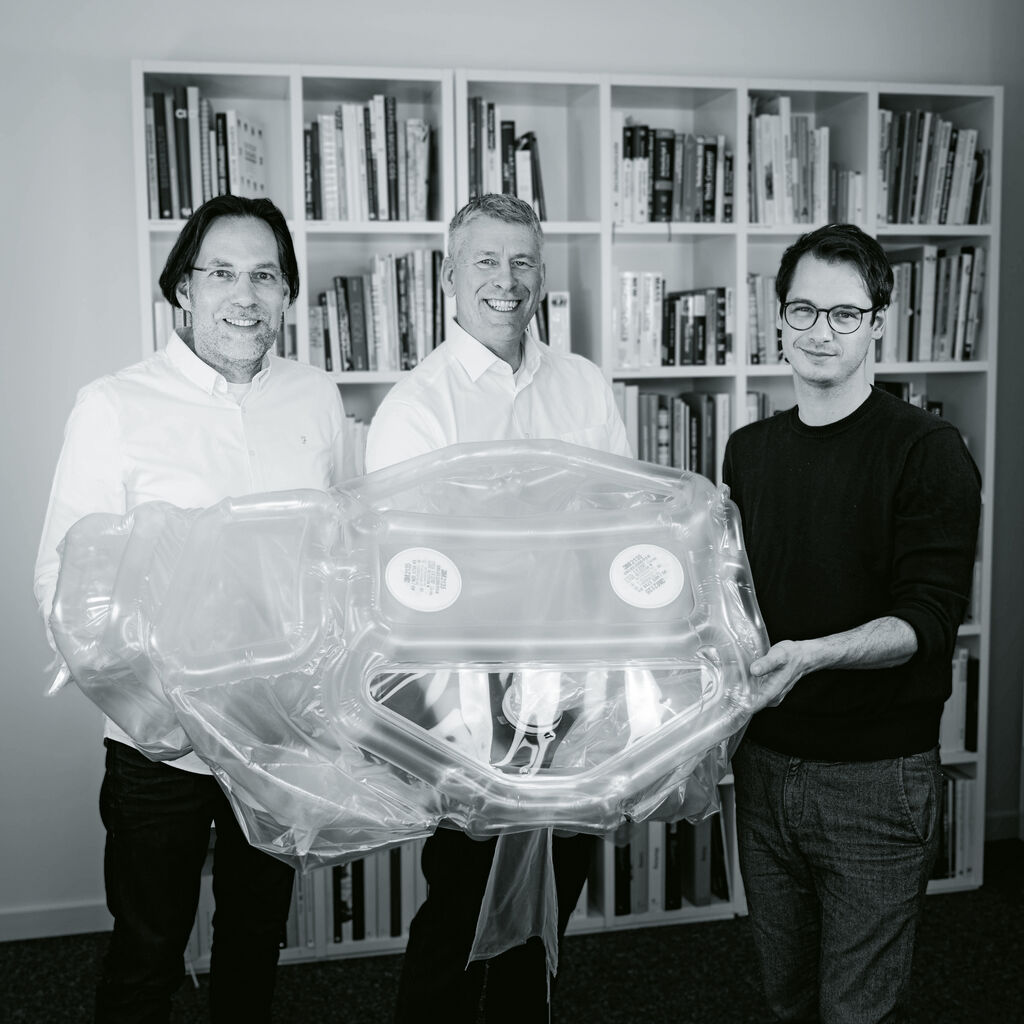
Interview with Benjamin Hubert
Layer
Red Dot: SURGITENT is designed for a wide range of contexts – from hospital outpatient clinics to disaster relief operations. What particular challenges arose from this range of applications in the design process?
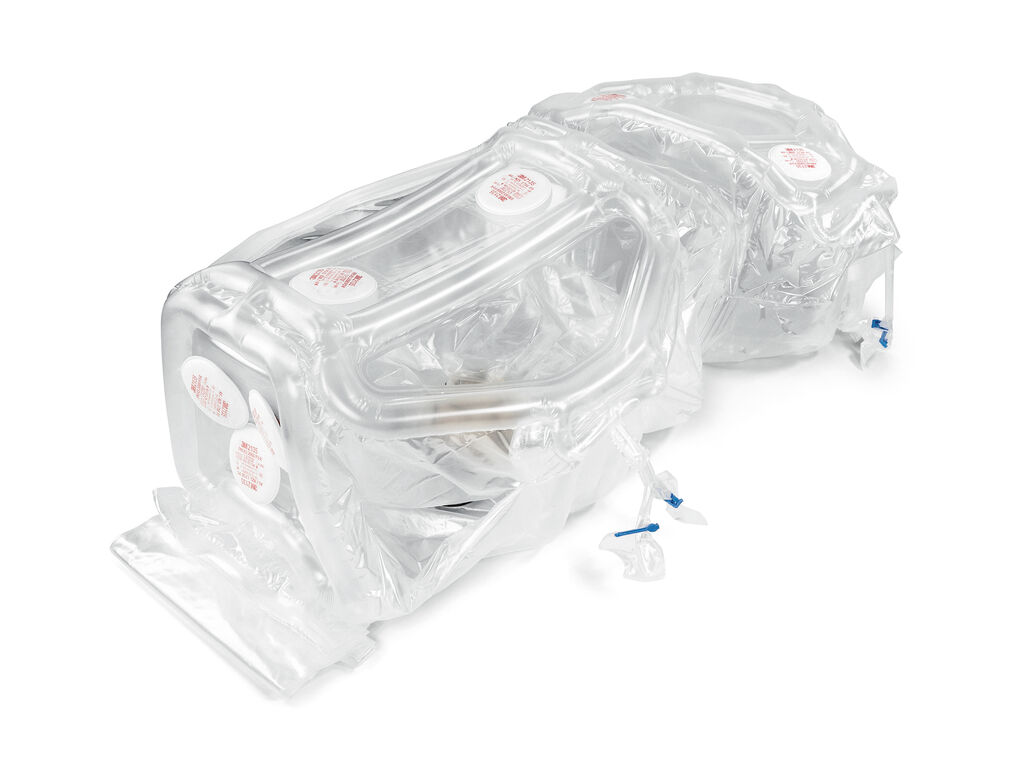
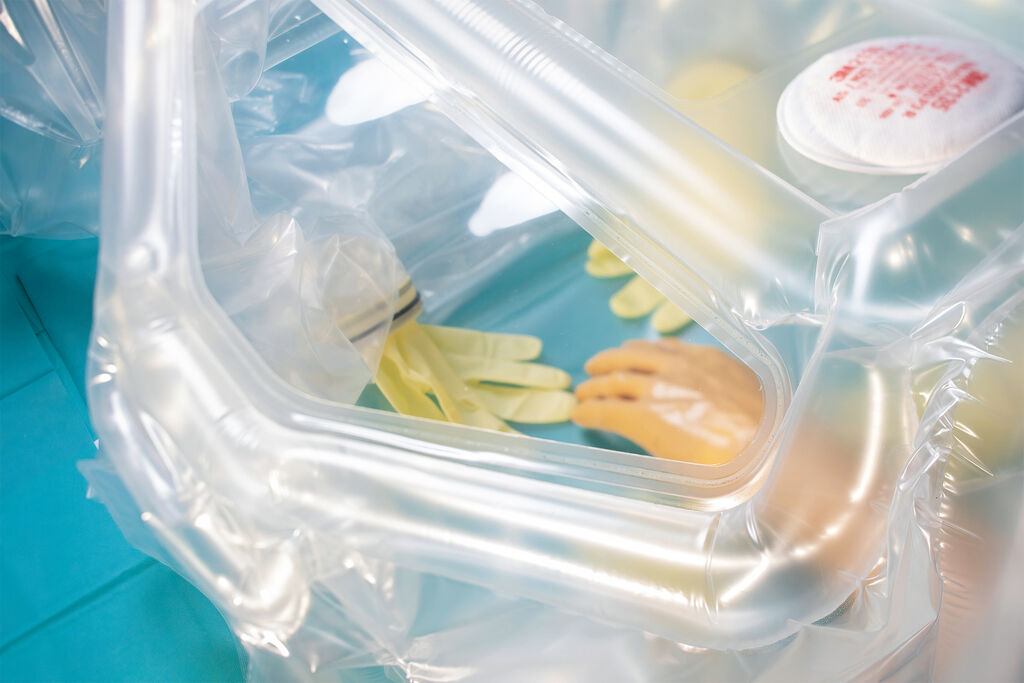
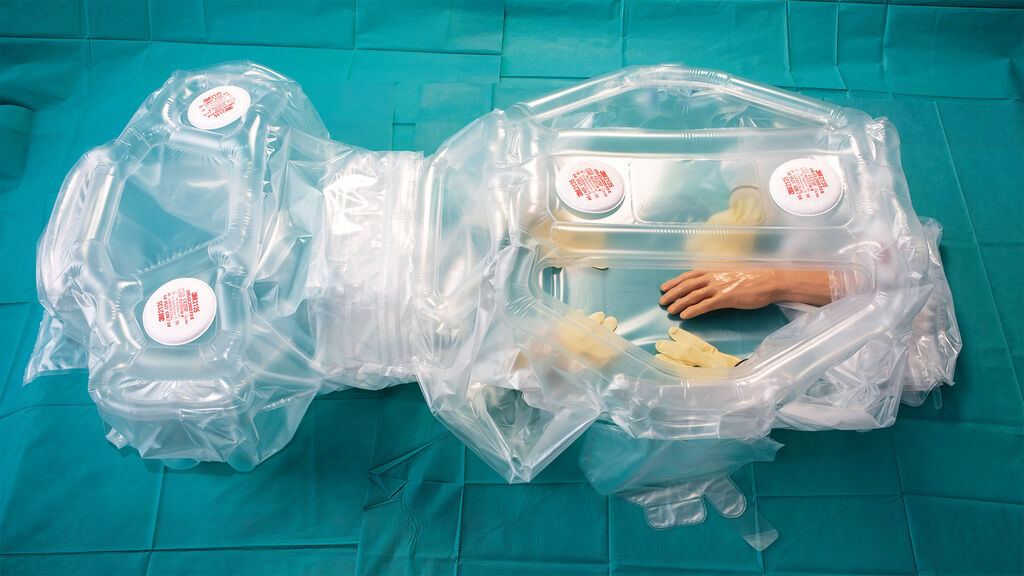
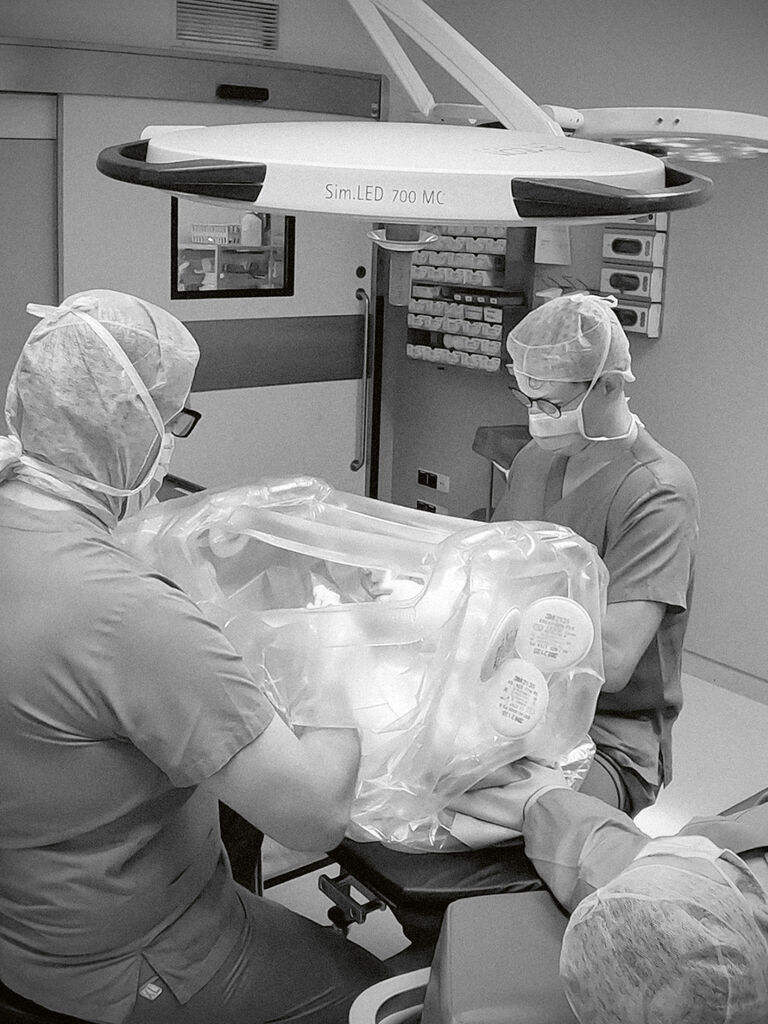
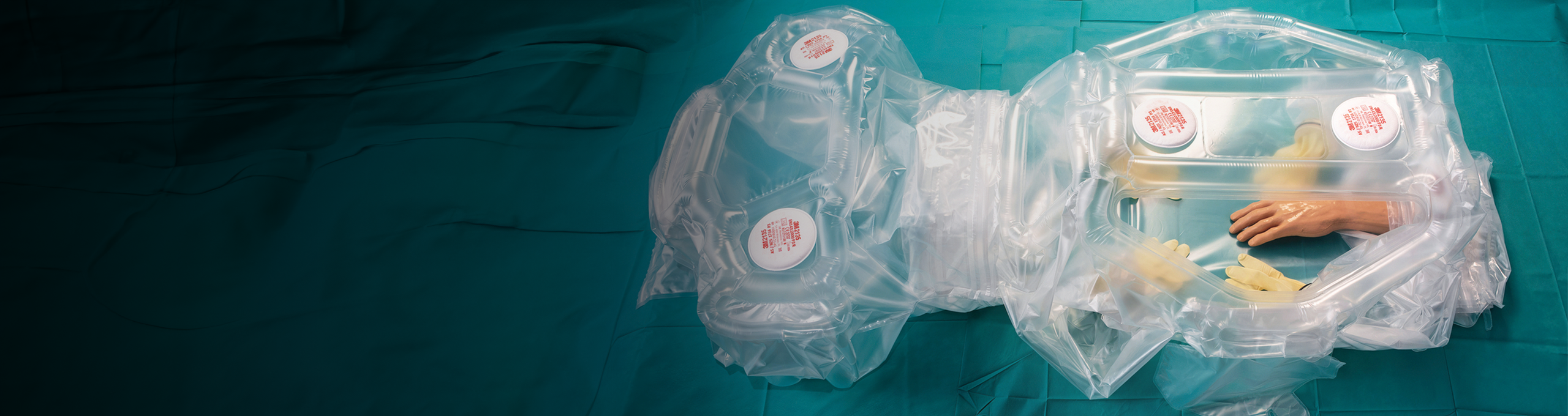
The wide range of locations requires a system that can be quickly and reliably adapted to changing conditions. For this reason, SURGITENT was developed as a modular, adaptive system whose structure is based on flexible geometries and variably configurable elements. Whether in a highly equipped hospital outpatient department or outdoors – the architecture adapts, not the other way round. This adaptability is the result of a design process that is consistently geared towards versatility and harmonises technical flexibility with intuitive use.
What challenges do you see for the future in the field of medical design?
Medical design is faced with the task of responding to global and systemic changes. Increasing cost pressure, the growing specialisation of clinics and the need for more flexible care structures require new answers. In future, medical equipment must not only be functional, but also economically viable and resource-efficient. SURGITENT is one possible response to this development. Instead of relying on cost-intensive operating theatre infrastructure, certain procedures can in future be carried out in alternative, prepared rooms – with full hygiene standards but less structural and logistical effort. Design thus becomes a strategic instrument for greater efficiency and accessibility in the healthcare sector.