Interview with Christian Bax, James Standaloft, Kieran Brookes, Neal Hassel
STANLEY BLACK & DECKER

Red Dot: “Designing for the unseen”: Does a device that works under extreme, often remote conditions still have to meet the highest design standards?
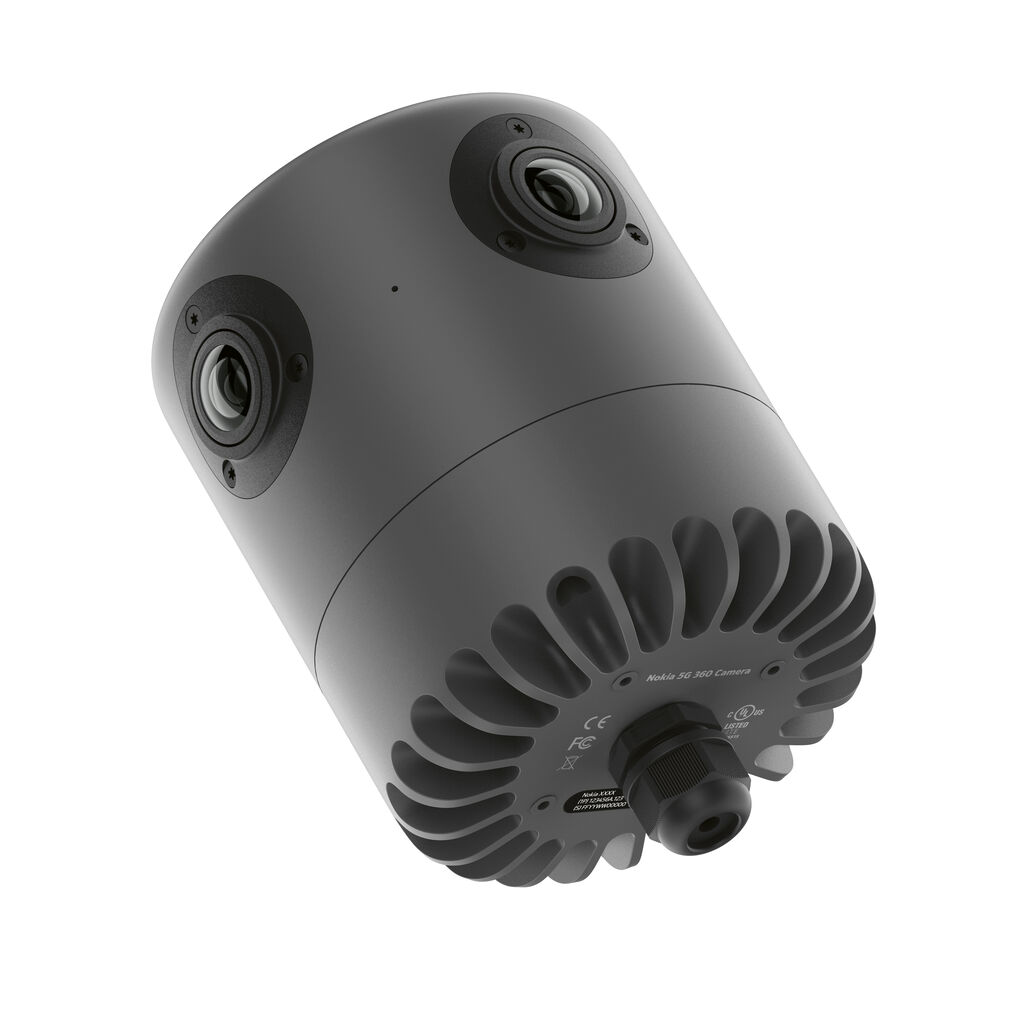
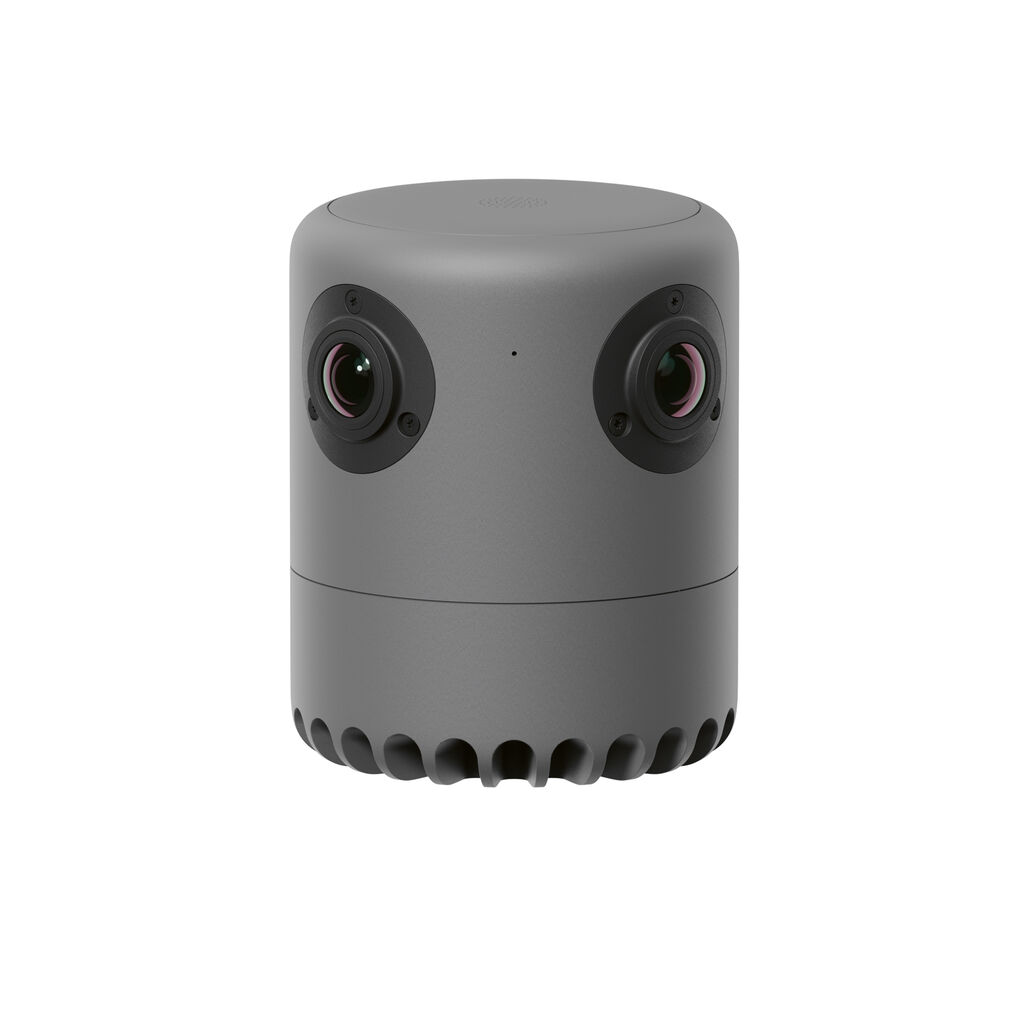
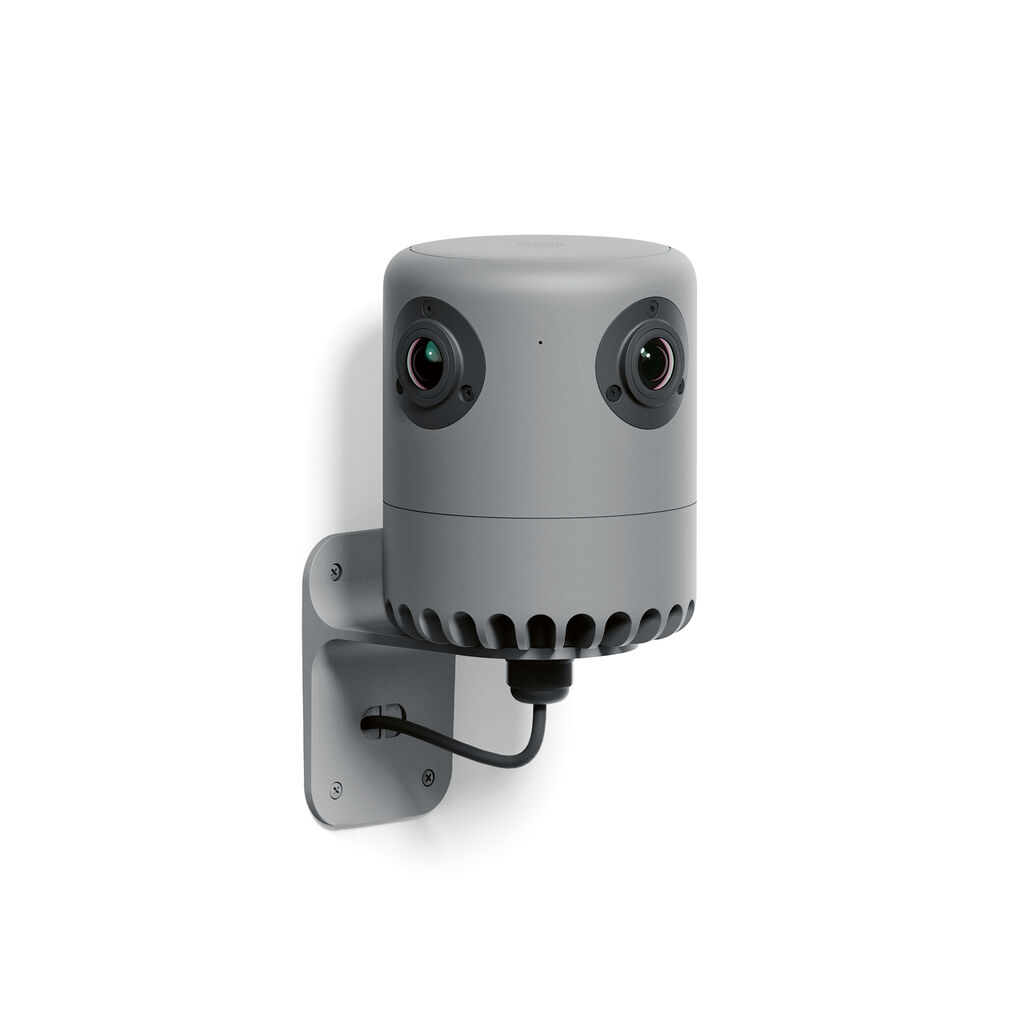
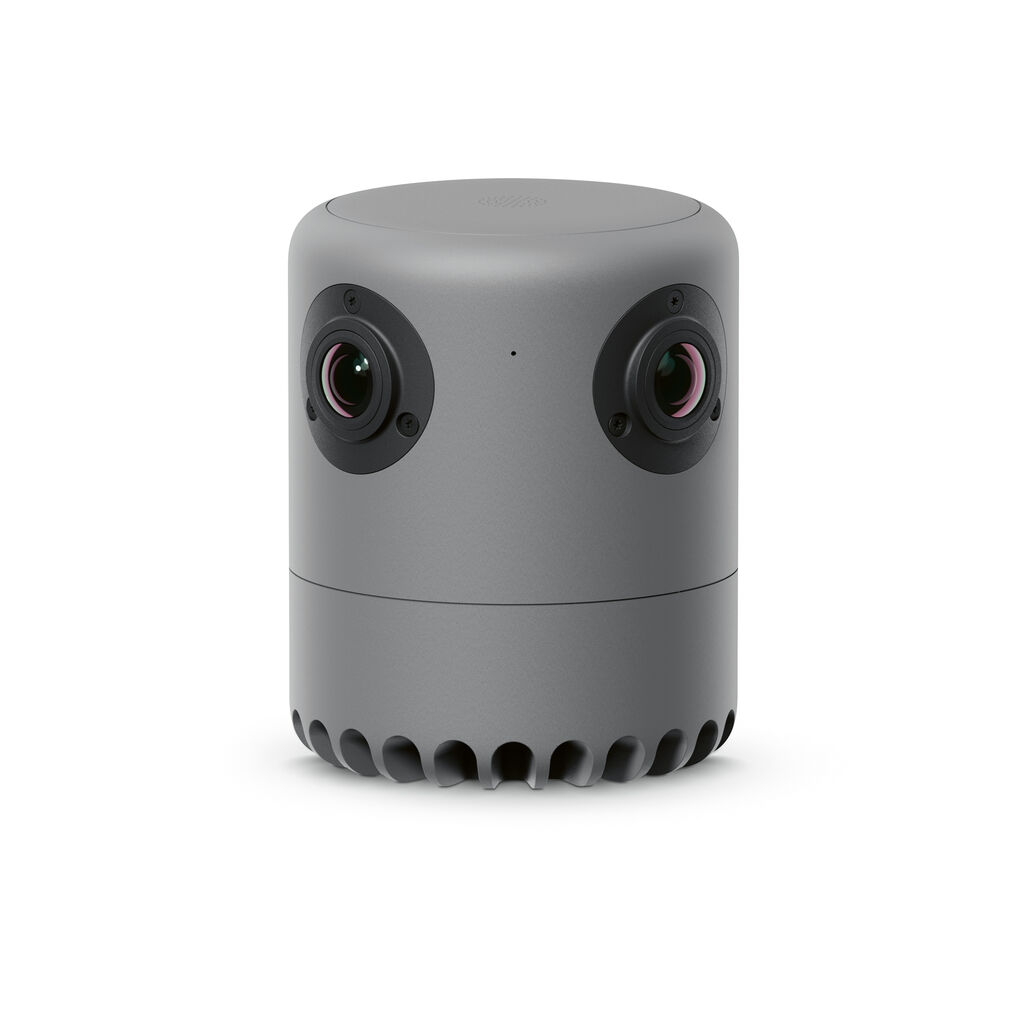
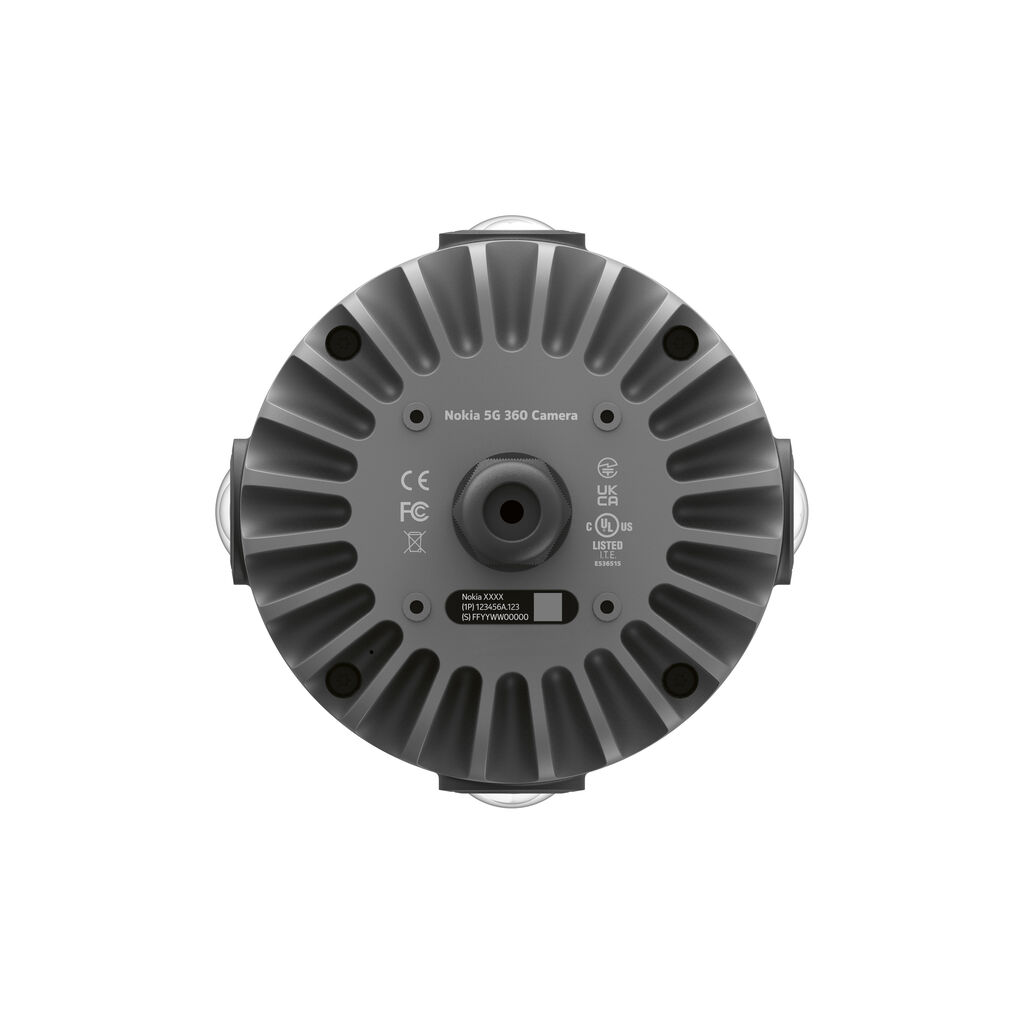
Absolutely. The more complex the context, the more important the design. With the Nokia 5G 360 Camera, we emphasised robust simplicity: The shape had to express robustness and technical clarity, not through volume, but through precise design. At the same time, it was important to us that the device could be easily integrated into a variety of environments – from industry to outdoor installations. The camera also interacts with people and AI in remote mode. That’s why we made sure during development that every physical and digital signal is immediately understandable.
With the Nokia 5G 360 Camera, the observer becomes a networked actor. How has this change of perspective influenced your design?
This camera not only captures – it collaborates. It is intelligently networked, supports real-time analyses, works autonomously and expands human perception of space. Therefore, a design was required that makes this change visible: dynamic instead of static, networked instead of isolated, immersive instead of distanced. This meant translating complex requirements into a reduced, clear form – as an expression of “quiet intelligence”.
How is camera design changing in the age of merging realities?
The camera is evolving into an active partner. It connects physical and virtual spaces, acts on behalf of the user and will take on completely new forms in the future – far removed from the classic image of a camera. The Nokia 5G 360 Camera is a prototype of this development: It amplifies the human senses, works together with AI and redefines how we experience and influence remote realities. It is not just a new product – it creates a new relationship between man, machine and environment.