
Interview with Bojan Klančar
TEM Catež d. o. o.
What inspired the development of the Couplet Care Bassinet?
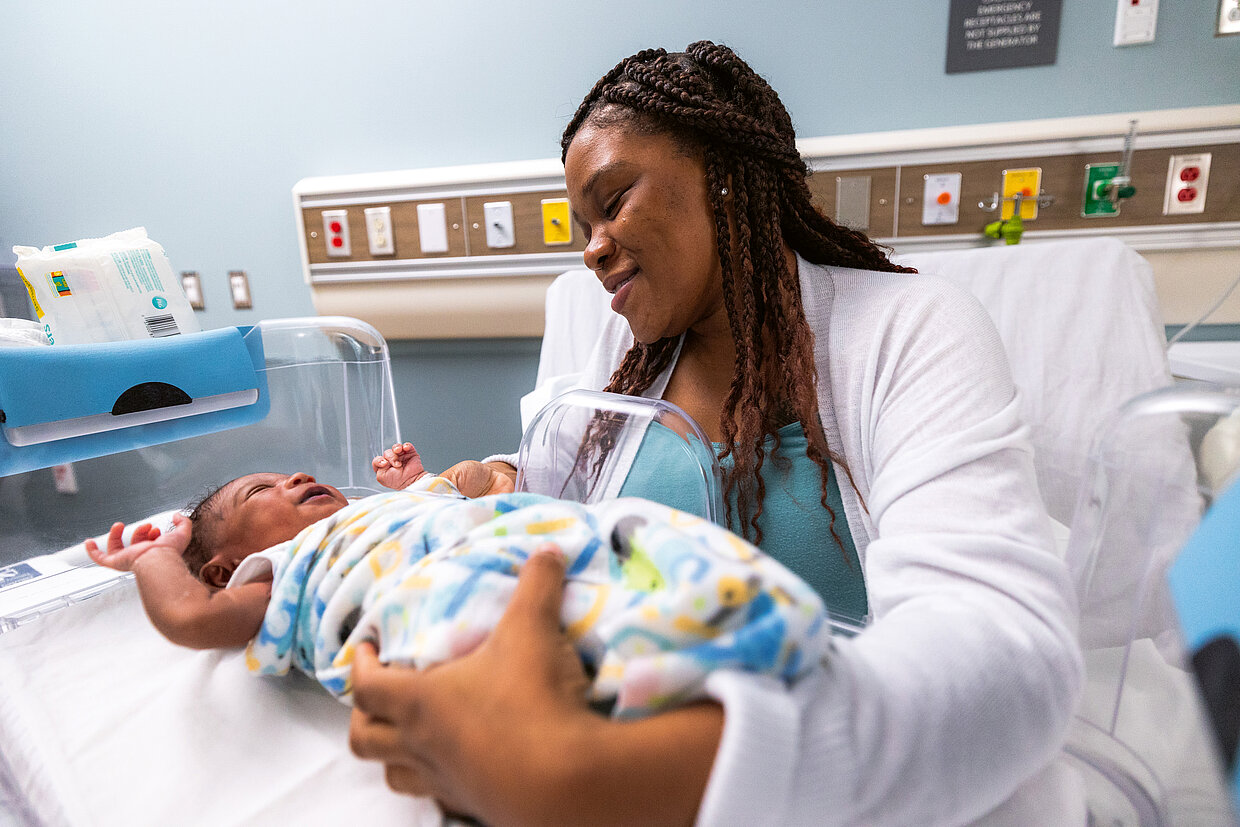
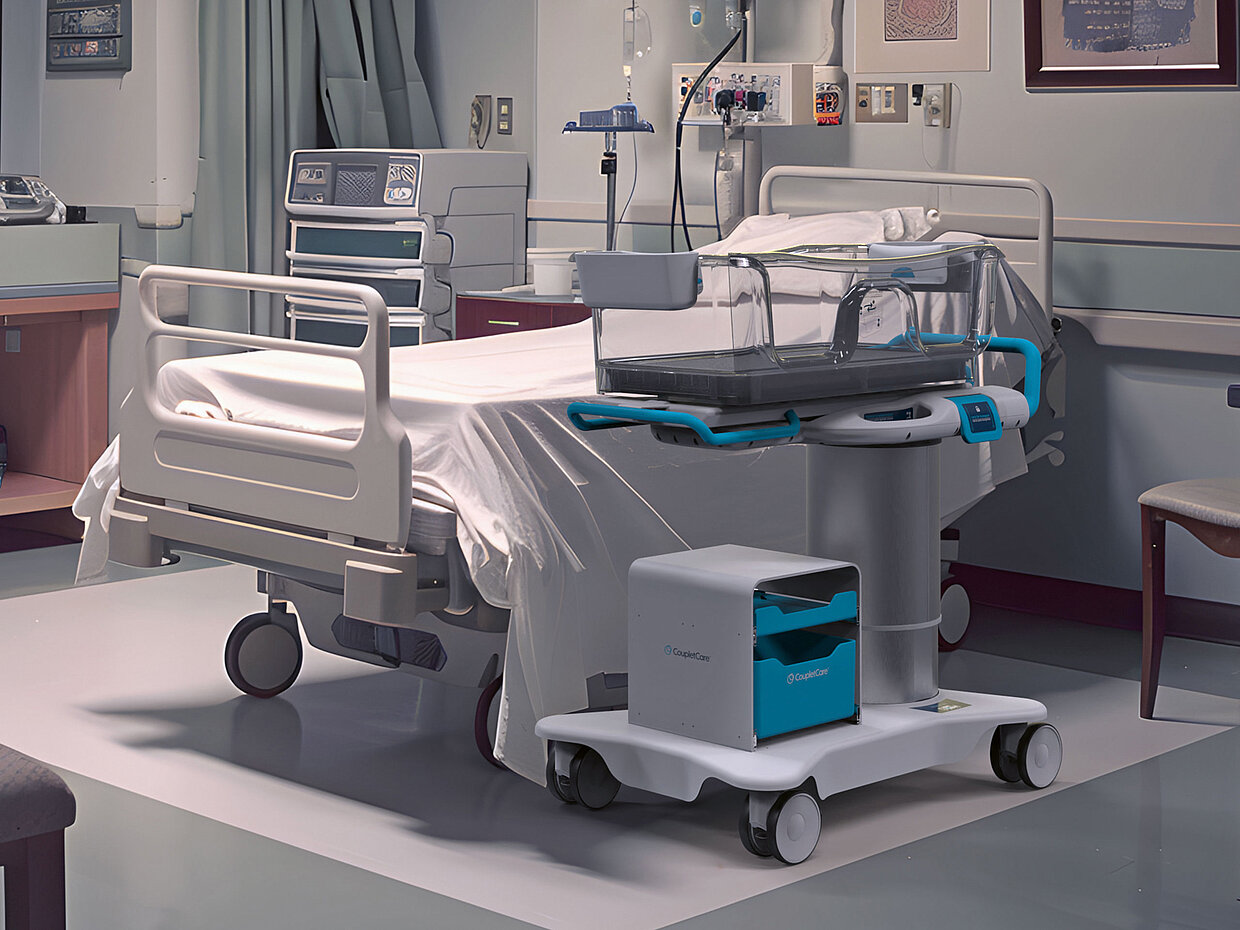
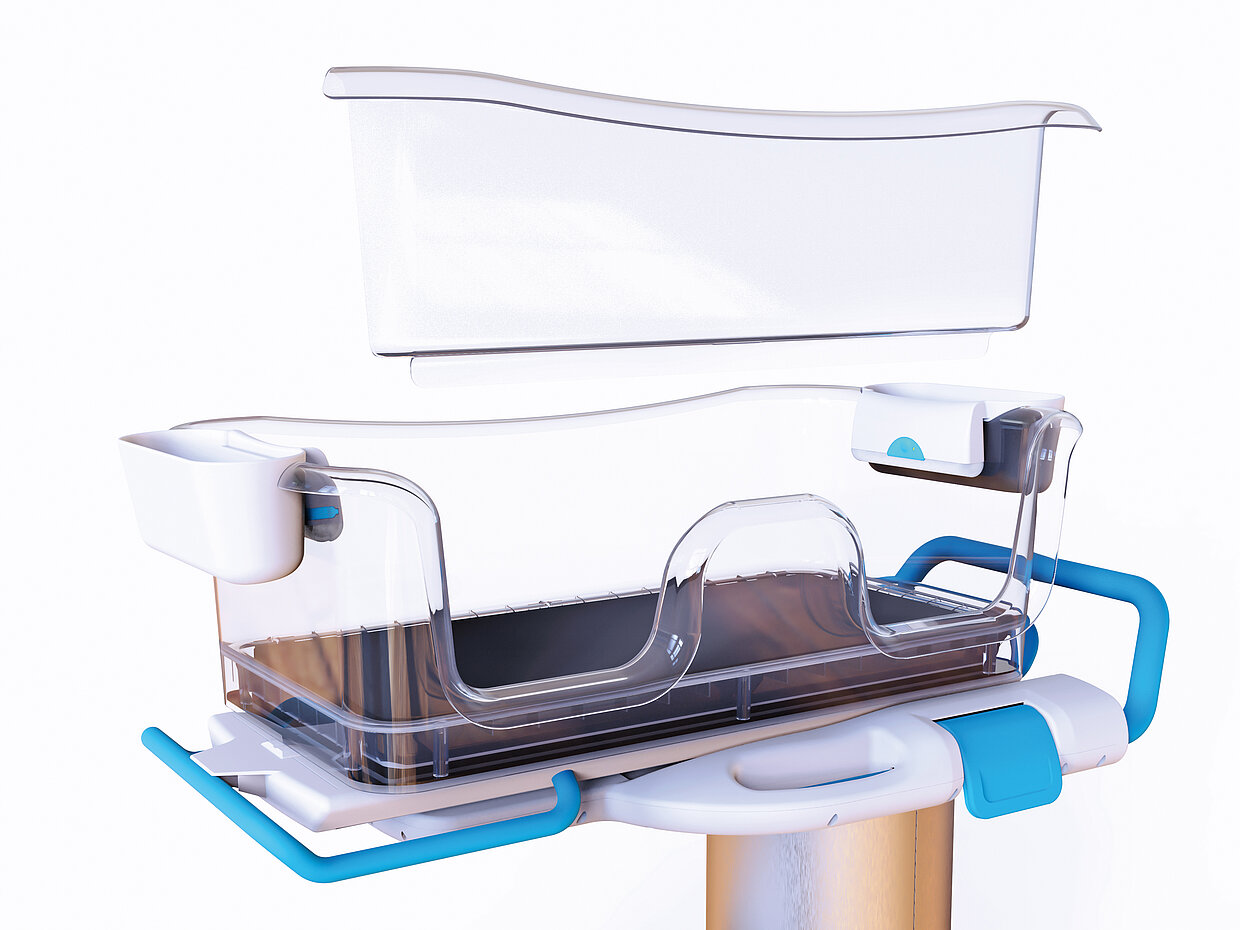
The idea stemmed from a simple but pivotal insight by Dr Kristin Tully: new mothers should be able to reach their newborns after giving birth. She observed that despite the widespread adoption of rooming-in, many hospitals still use outdated bassinets that are difficult to access and have rigid side walls. This hampers mother-baby bonding, breastfeeding and recovery. With grant funding, a human-centred design process was launched. In collaboration with UNC, NC State University and Trig, we explored the question: what if the bassinet could slide over the bed like an over-bed table – with controls that mothers could operate themselves?
How did your team achieve this?
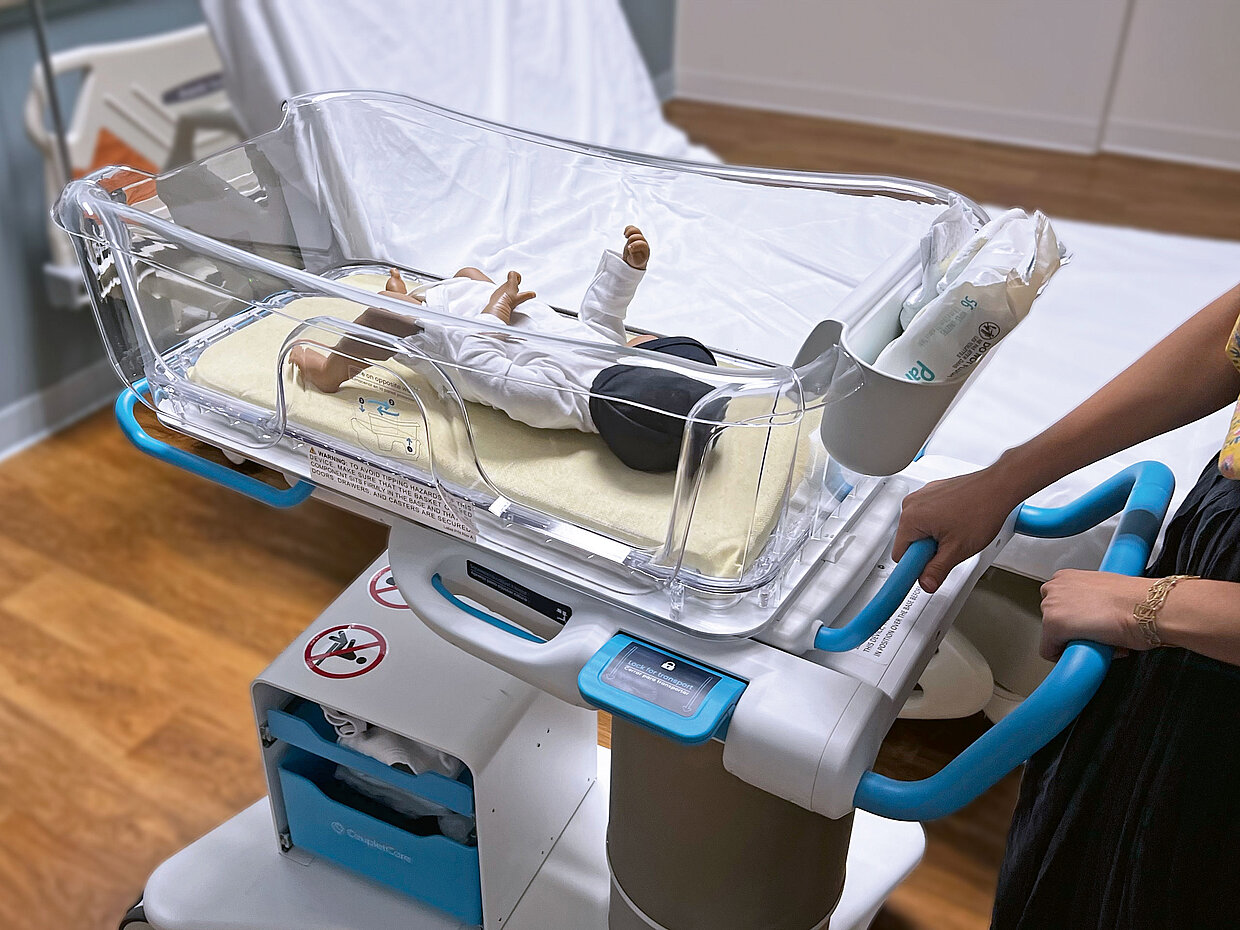
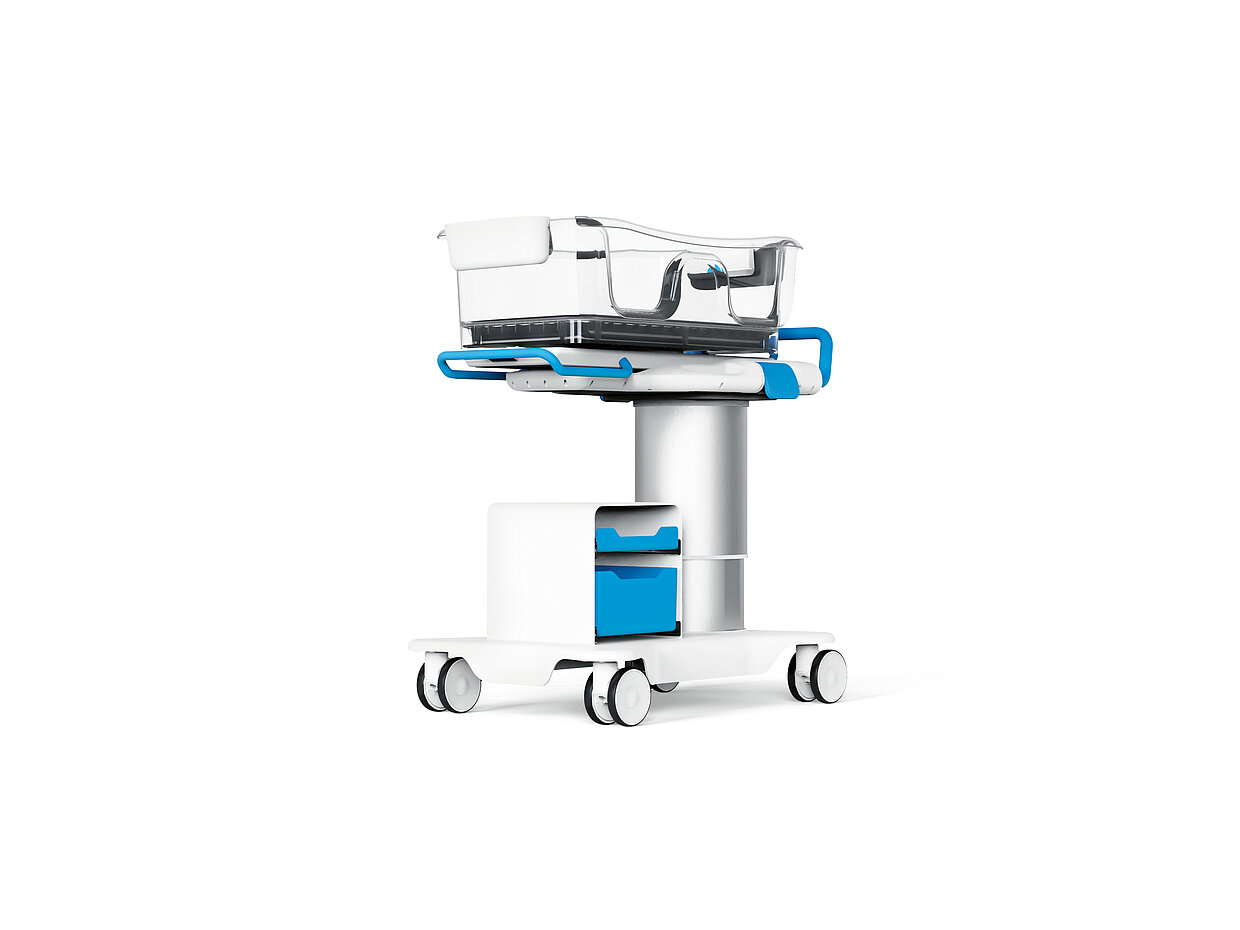
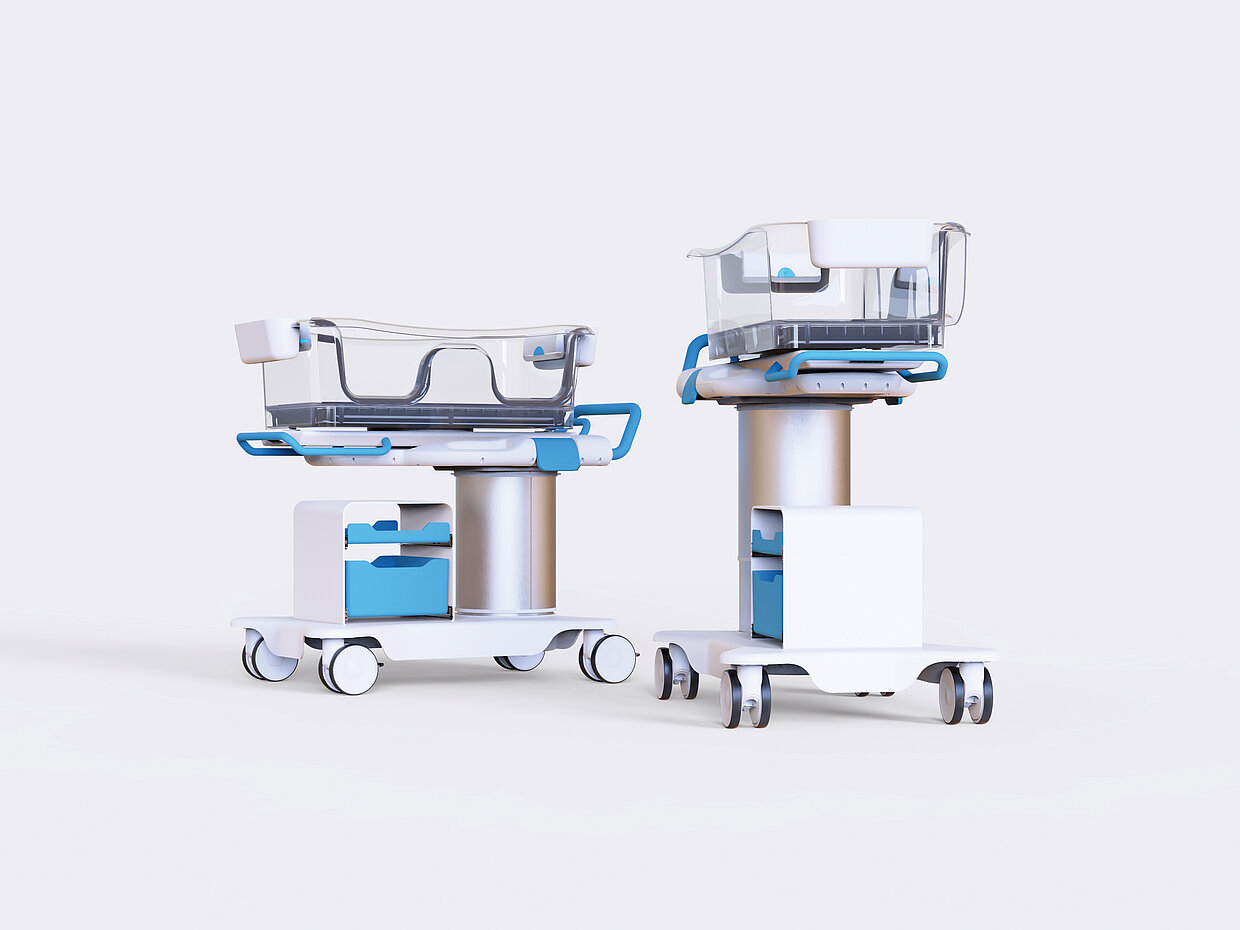
Most competing products require a second adultto position the bassinet. Our height-adjustable model rotates and extends, allowing the mother to reach the newborn comfortably from the bed – something that is particularly important after a caesarean section. This is not merely a matter of convenience; it is essential for patient safety, breastfeeding and supporting women during their postpartum care.
What other features were important?
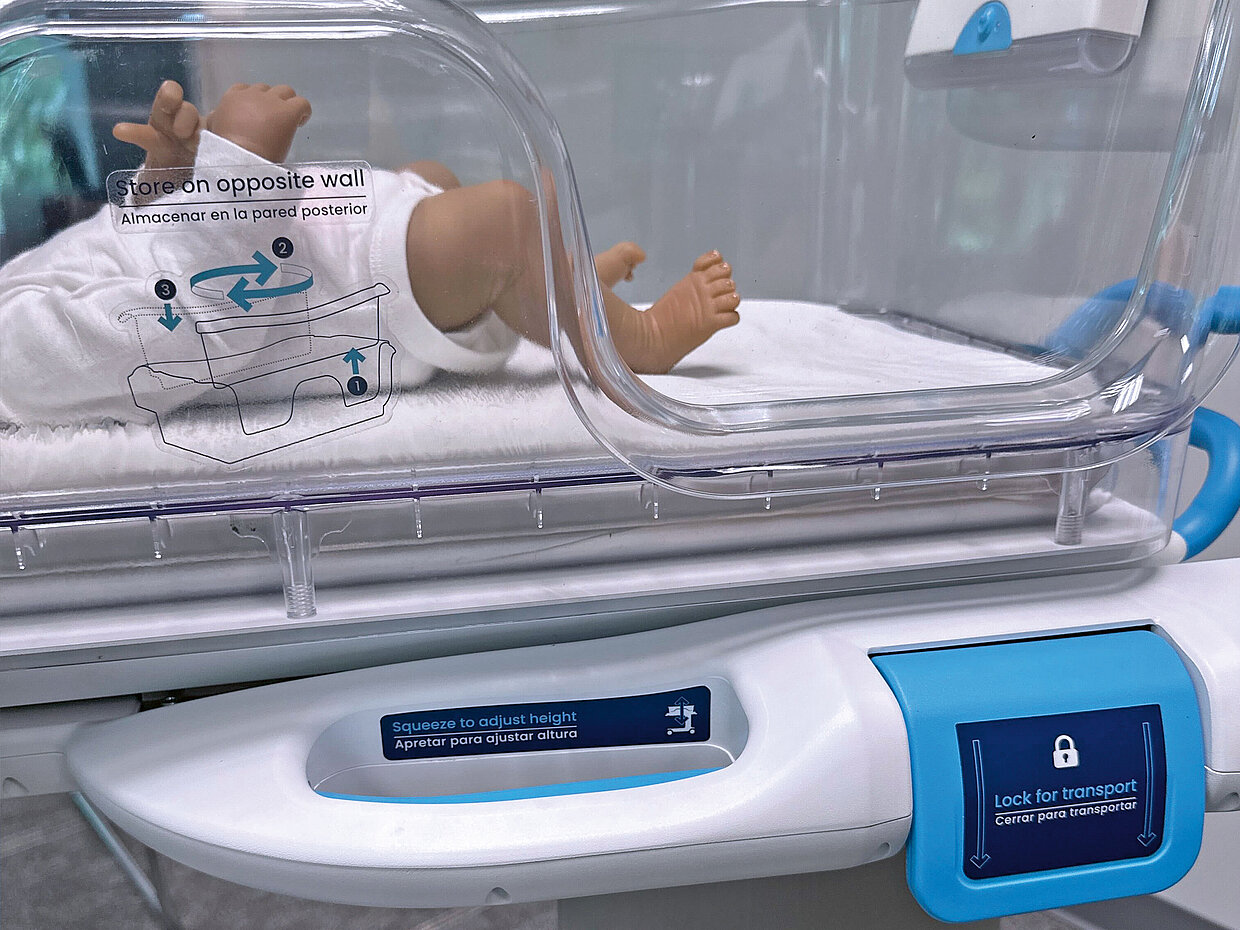
One key feature was user-friendly controls. In our first prototype, the height adjustment was located at the top of the column. However, our usability tests quickly showed that this didn’t work, so we repositioned it. With each prototype version, the control interface was refined. We also evaluated various castor and steering concepts. After several iterations, a dual-mode steering system was developed, enabling precise positioning at the bedside and free movement in narrow corridors. The mechanical engineering challenges were truly complex, and we are deeply grateful to our engineering partners at Tongrun Innovation for their outstanding work.
To what extent did you also take the needs of clinical staff into account?
Nurse feedback was instrumental in shaping the product. According to our NIH-funded Phase I SBIR study at UNC Health, use of the Couplet Care Bassinet led to a 73% reduction in maternal calls to nursing staff. Time that infants spent out of the room for non-medical reasons was reduced by 60%. This significantly improved clinical workflows and eased the burden on nursing staff.