

When Everyday Systems Become Design Questions
Modular design stands at the intersection of adaptability and innovation, allowing systems to evolve with their environments, users, and purposes. These principles shine through projects that span sustainability, urban spaces, and personal wellness. From TreeSoil’s protective earthen envelopes for young trees to Flowing Rhymes’ rippling public seating and Vankemoon’s dynamically adaptive footwear, these concepts demonstrate forward-thinking ingenuity through the transformative potential of modular design.
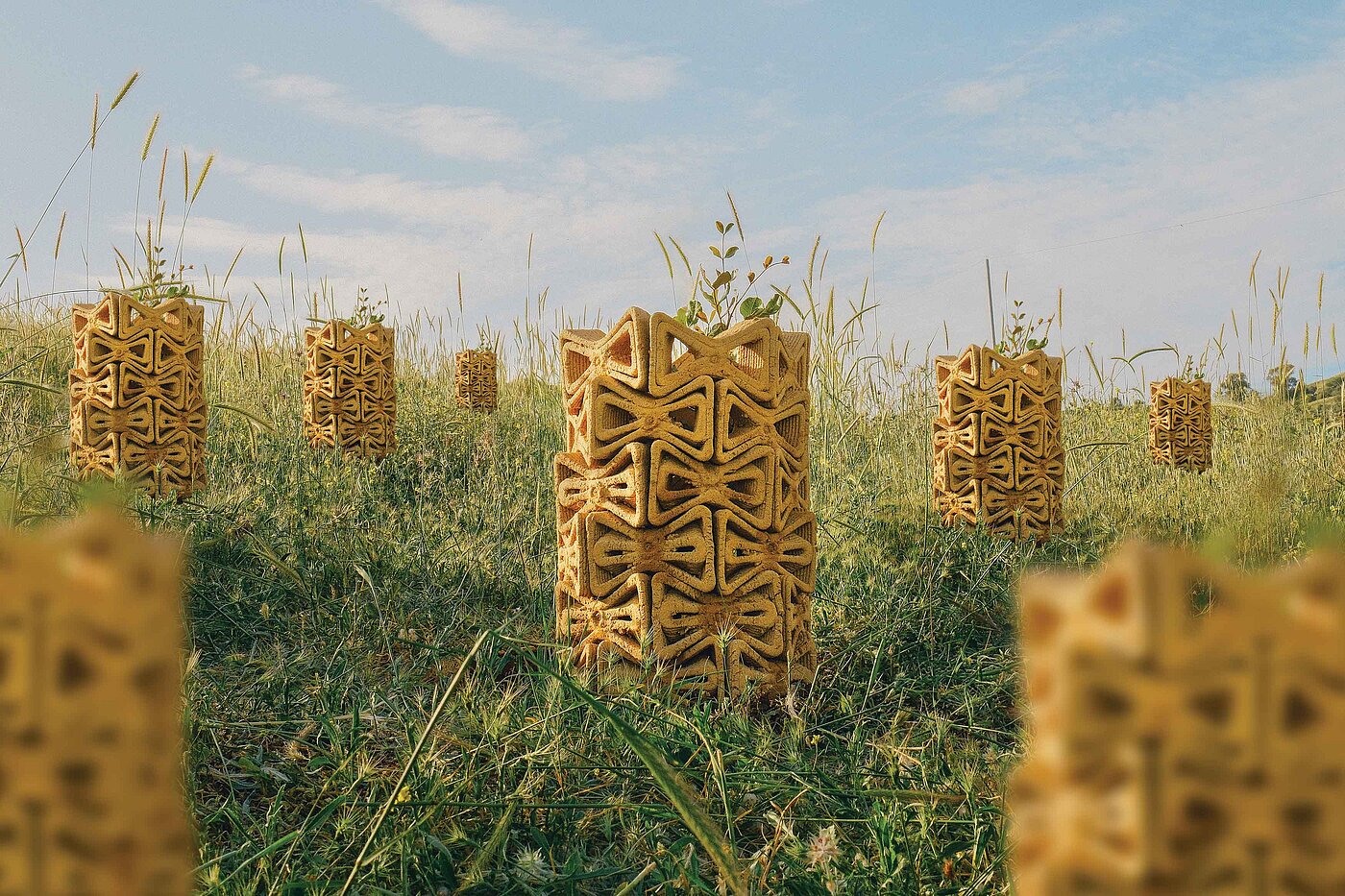
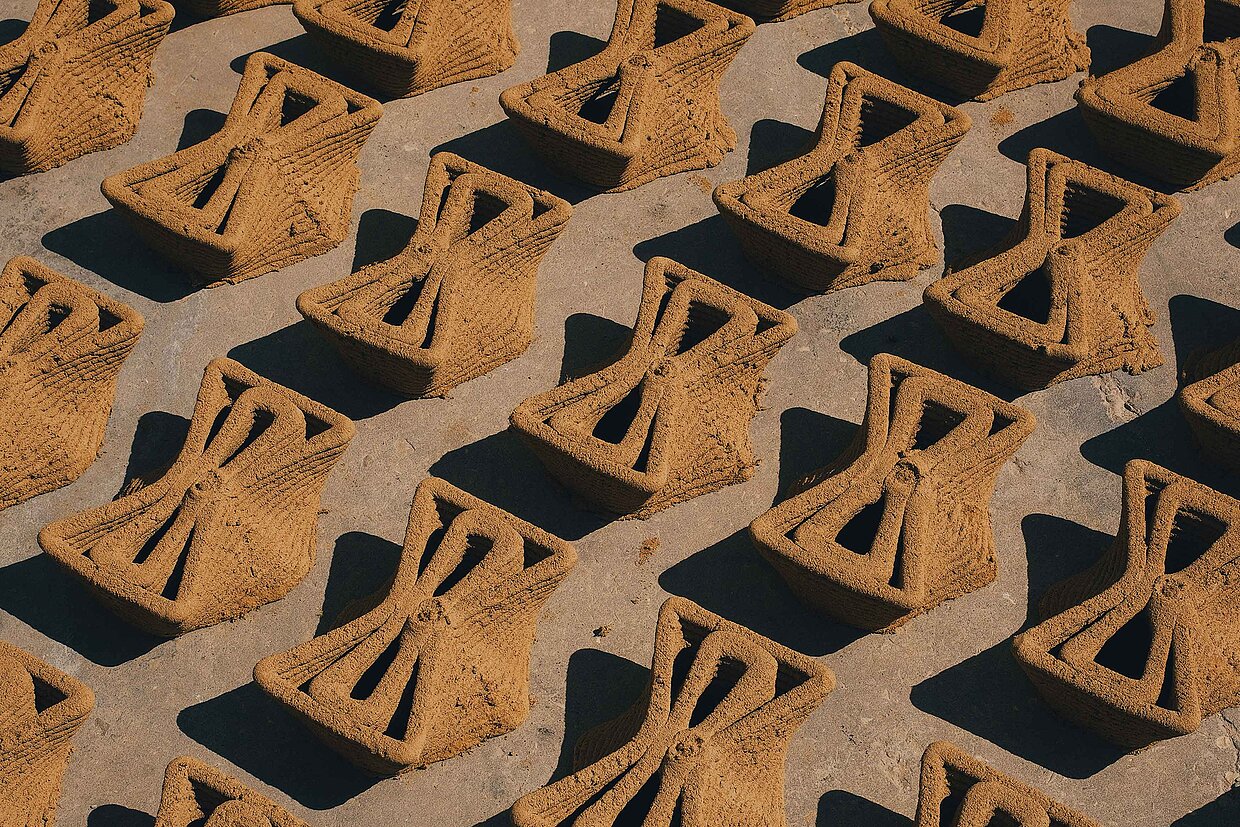
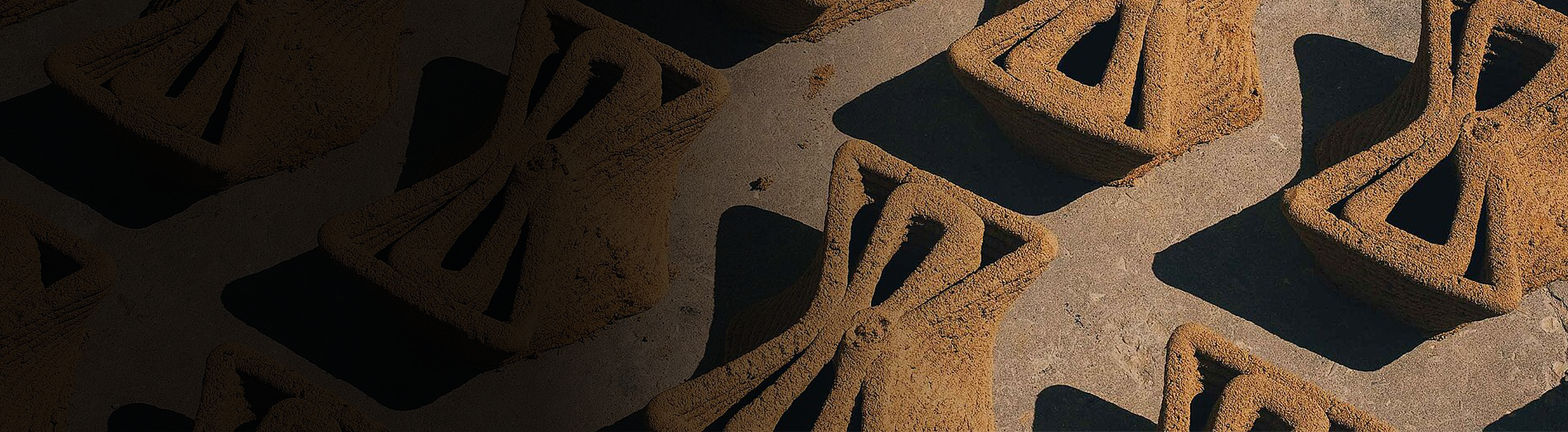
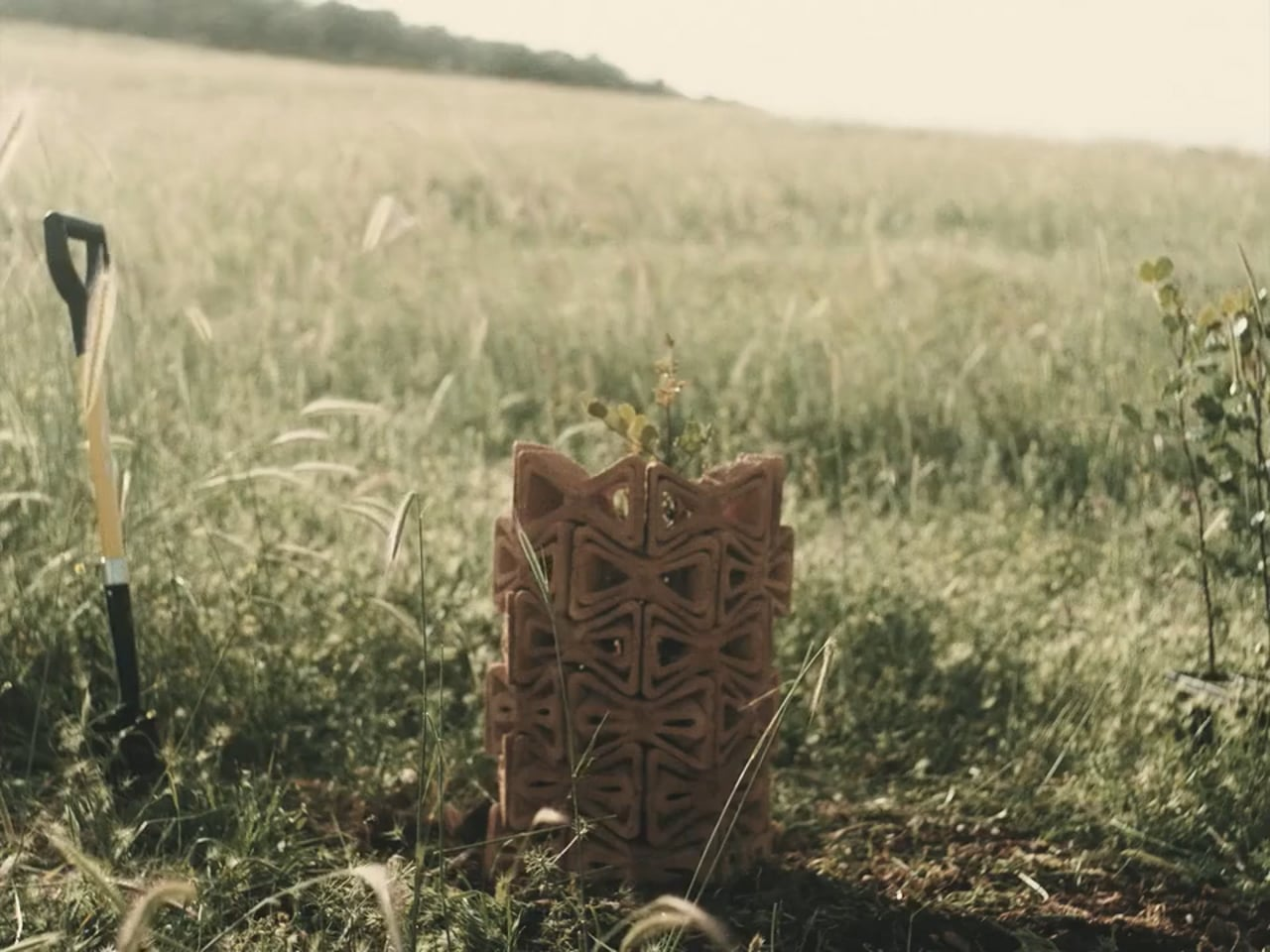
With a modular, 3D-printed soil system, TreeSoil protects young trees by creating tailor-made microclimates. Developed by the Material Topology Research Lab at Technion Israel Institute of Technology in Israel, this concept is a Red Dot winner in the Sustainability Category. The project draws on ancient agricultural methods and combines computational design and robotic fabrication that enhance survival rates in harsh conditions.
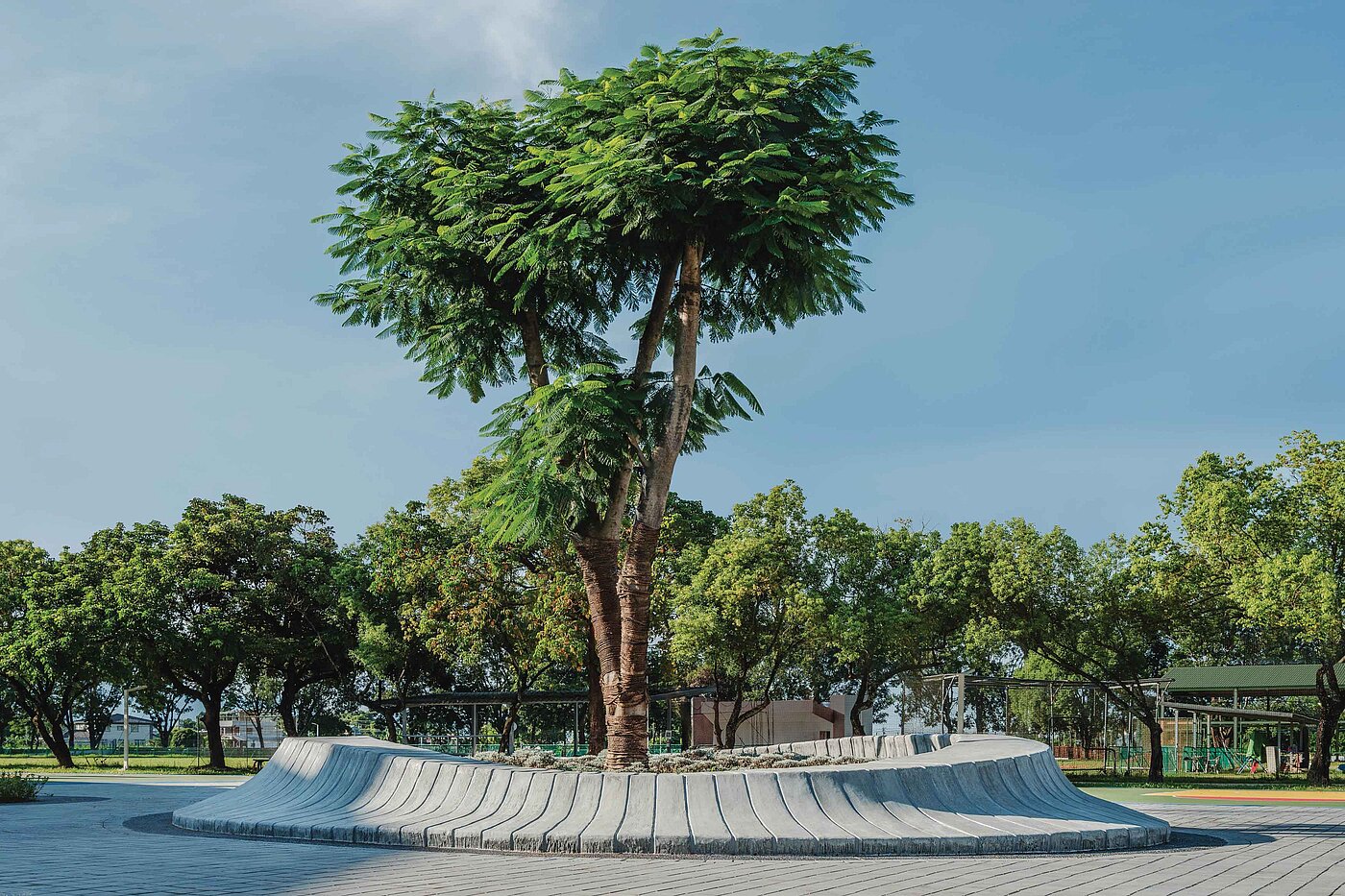
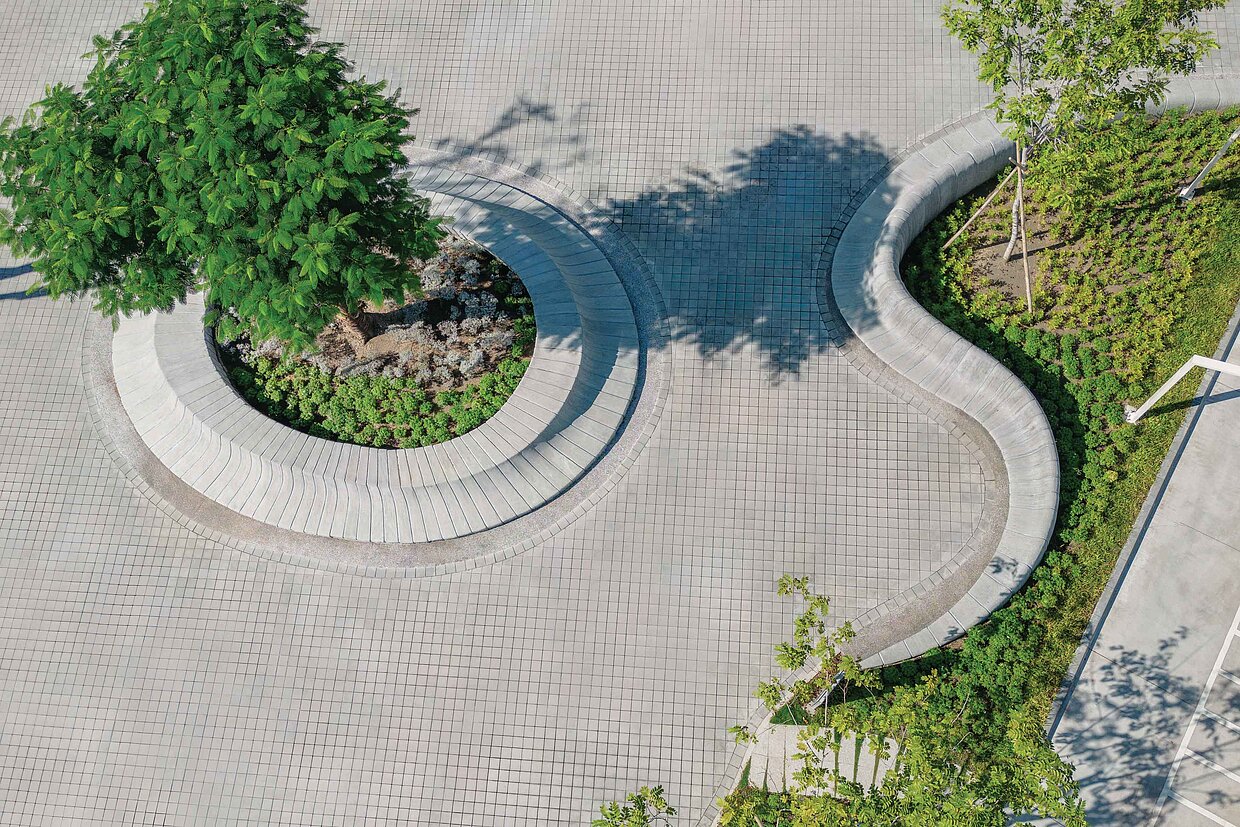
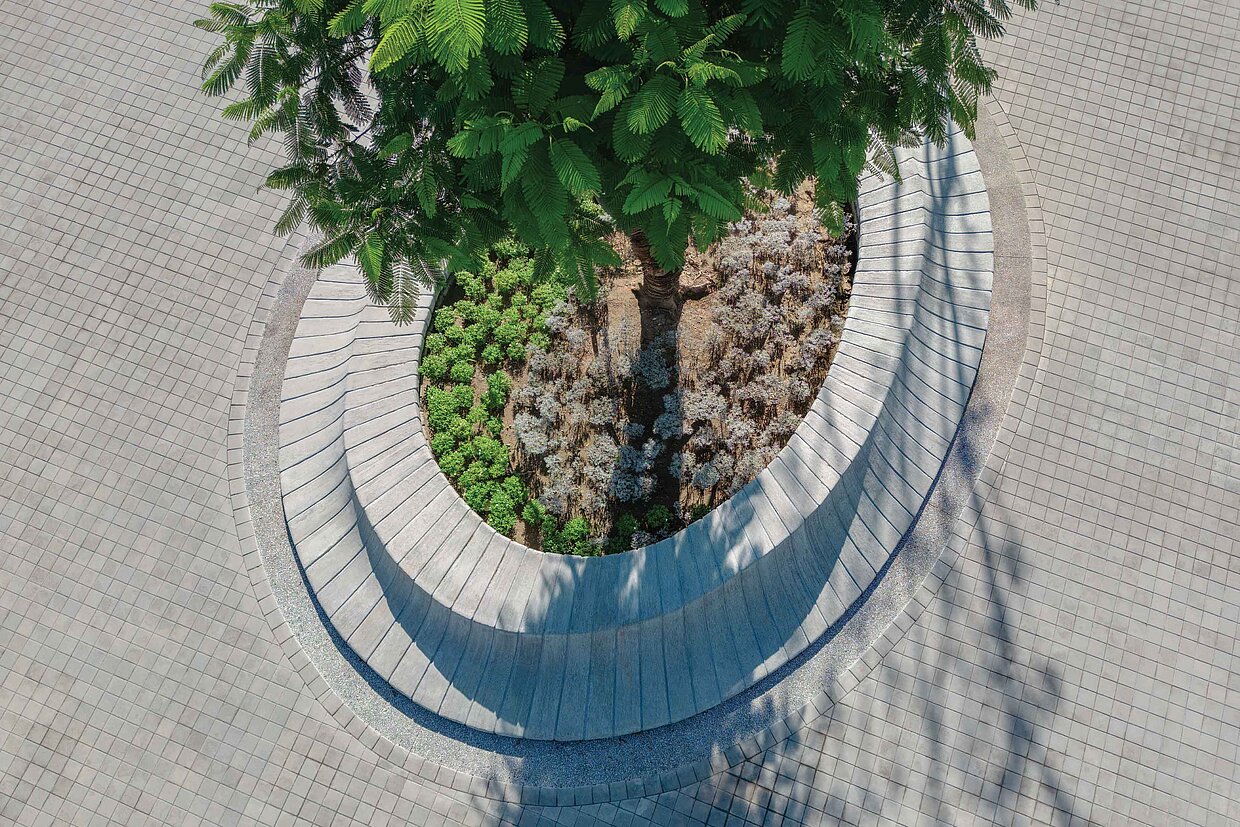
Flowing shapes inspired by water waves characterise Flowing Rhymes – a system of modular, 3D-printed concrete elements for seating and landscaping in public spaces. Developed by C.M. Chao Architect & Planners in collaboration with ROSO, both based in Taiwan, this concept is a Red Dot: Best of the Best winner in the Public Space and Urban Design category. The combination of robot-assisted 3D printing and parametric design creates adaptable structures that respond flexibly to different locations and needs – at the same time, it marks Taiwan’s first large-scale application of this technology in outdoor spaces.
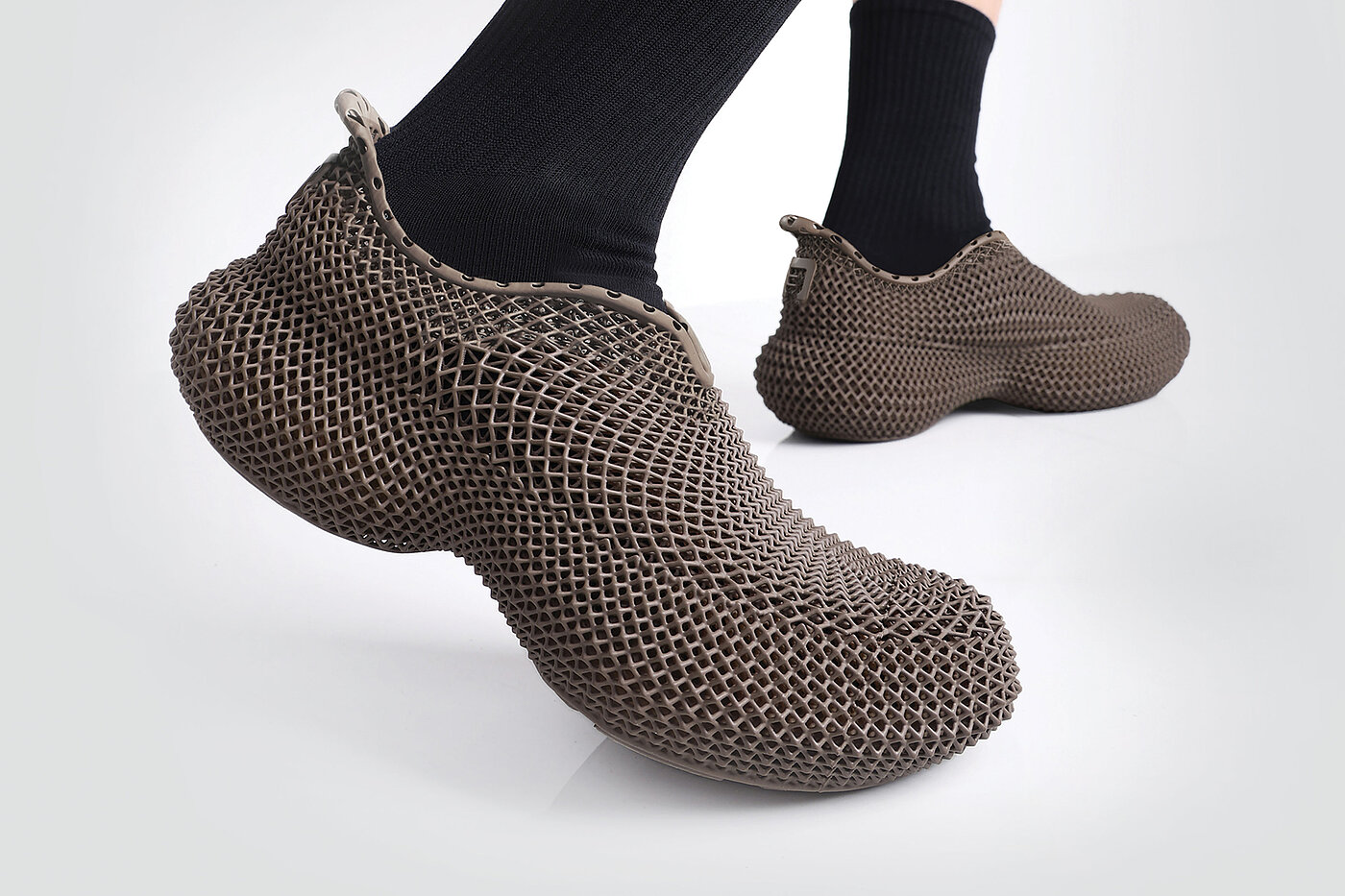
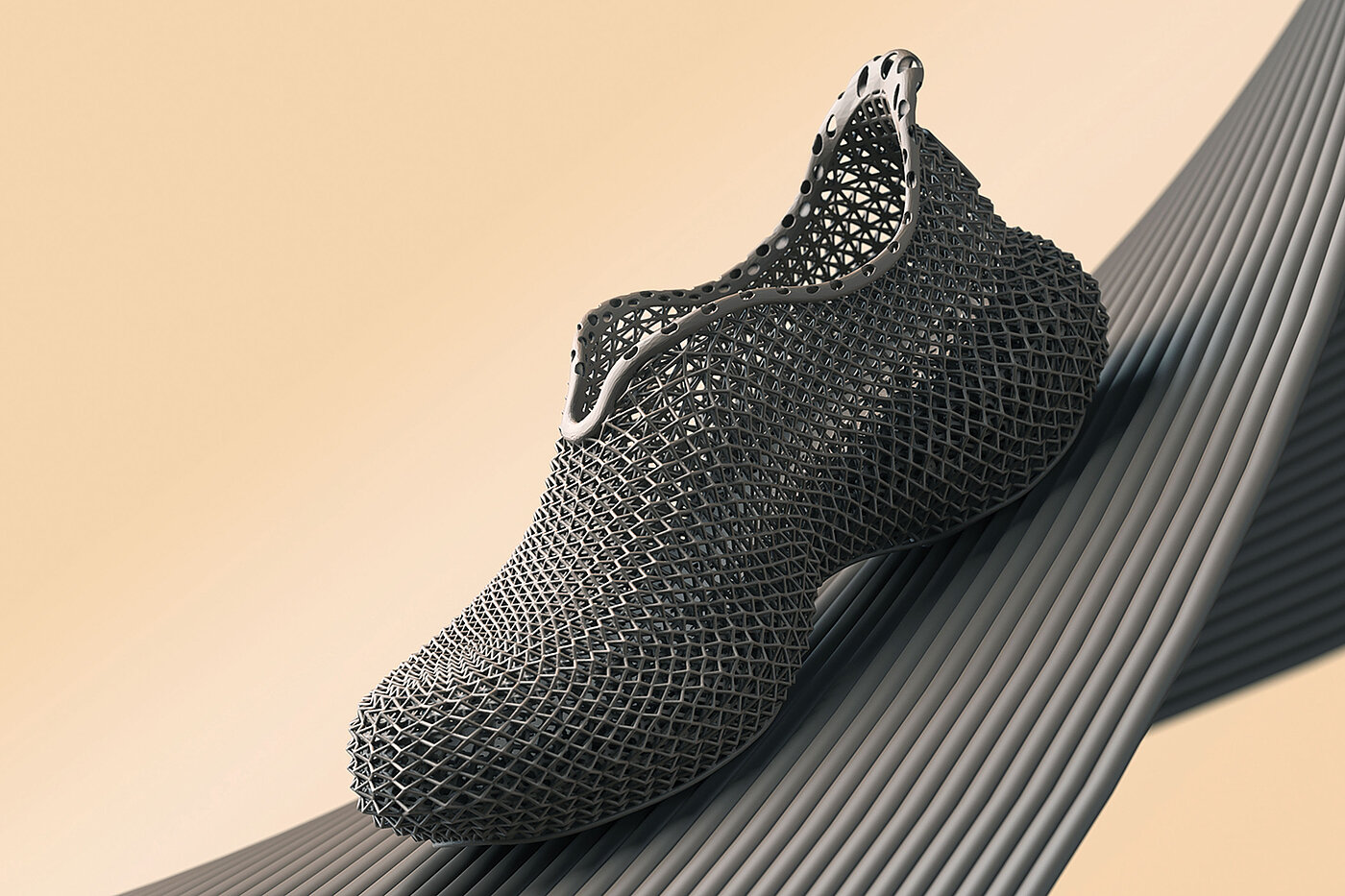
Parametric modelling and dynamically adaptable structures give Vankemoon shoes a novel three-dimensional aesthetic. Developed by Guangzhou Sandi Intelligent Technology Co., Ltd. in China, this Ready For Market project is a Red Dot winner in the Personal Care, Wellness and Beauty category. The project combines lightweight structures with high-performance materials to create a streamlined silhouette that adapts to the natural contours of the foot. This is complemented by region-specific cushioning, an almost weightless 3D-printed elastomer and a V-shaped opening for added comfort in everyday life and during sports.
From ecological protection to public infrastructure, these concepts illustrate how modular design systems can flex across context, scale, and use. Modularity, where heritage meets innovation, produces solutions that are sustainable, inclusive, and continually evolving. How does modular thinking shape your work and the way you design for life?
The Red Dot Award: Design Concept is aimed at visionary designers who develop answers to tomorrow’s challenges with bold ideas and forward-looking concepts. Submissions during the regular registration period are possible until 18 March 2026, with the late registration period running until 29 April 2026. Now is the right time to submit innovative concepts, highlight new perspectives and actively participate in shaping the world of tomorrow.

