
Interview with Bojan Klančar
TEM Catež d. o. o.
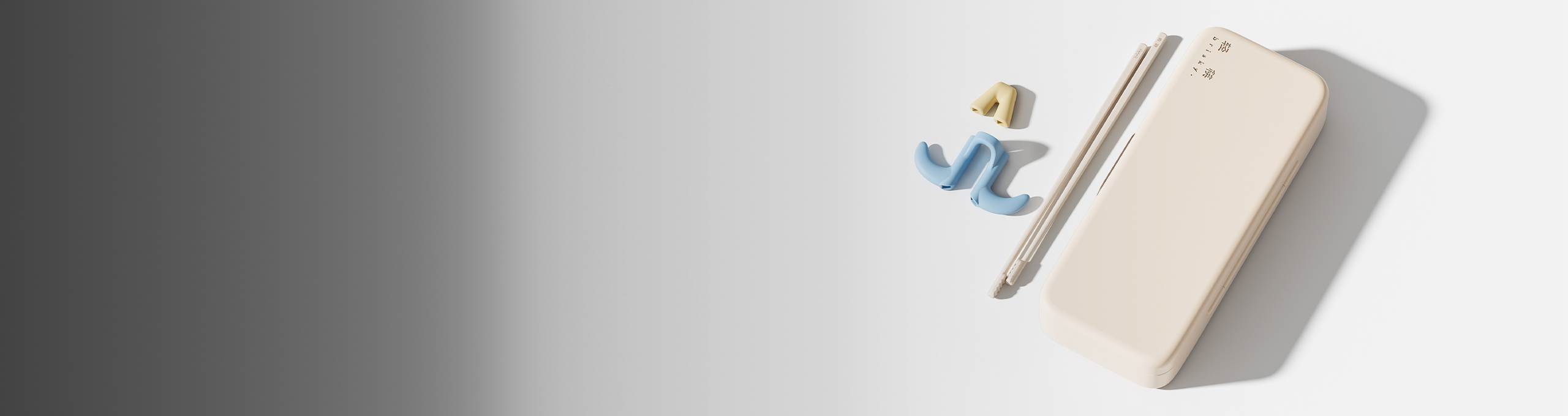
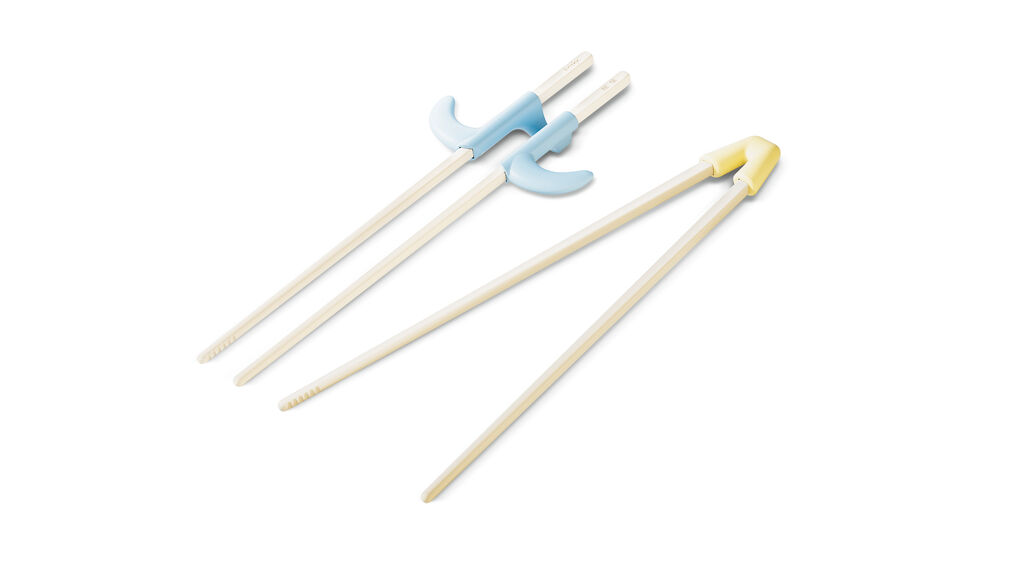
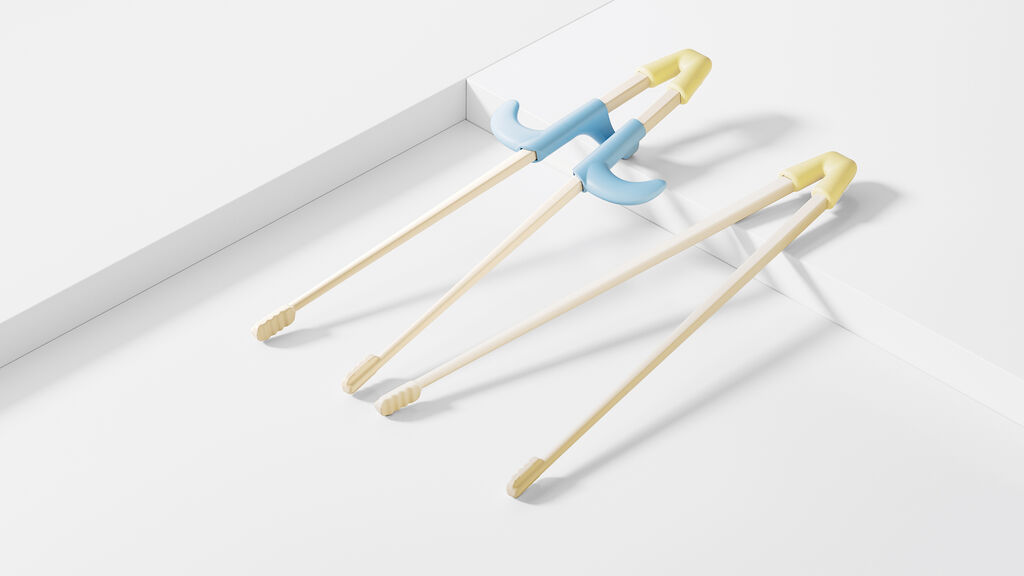
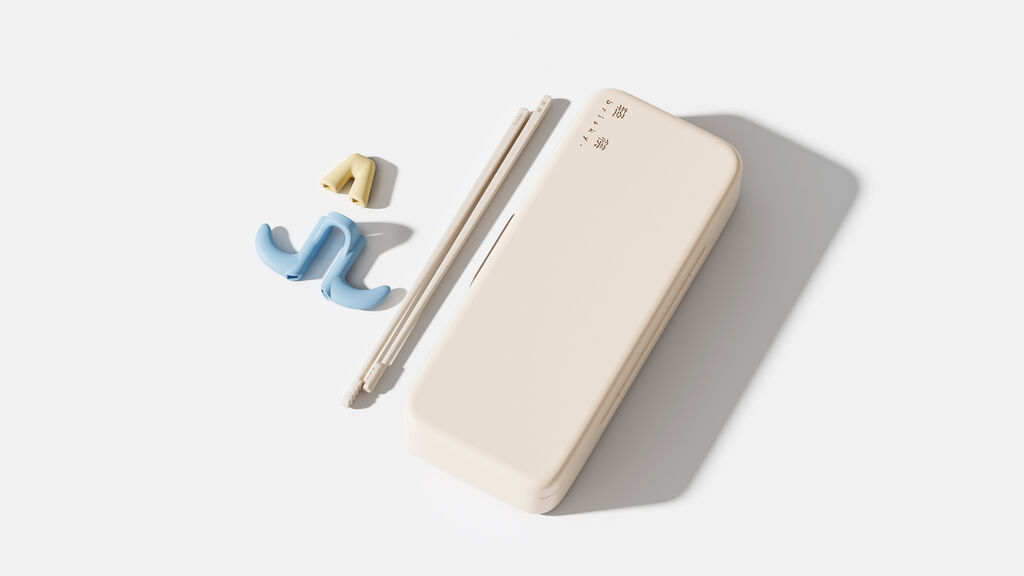
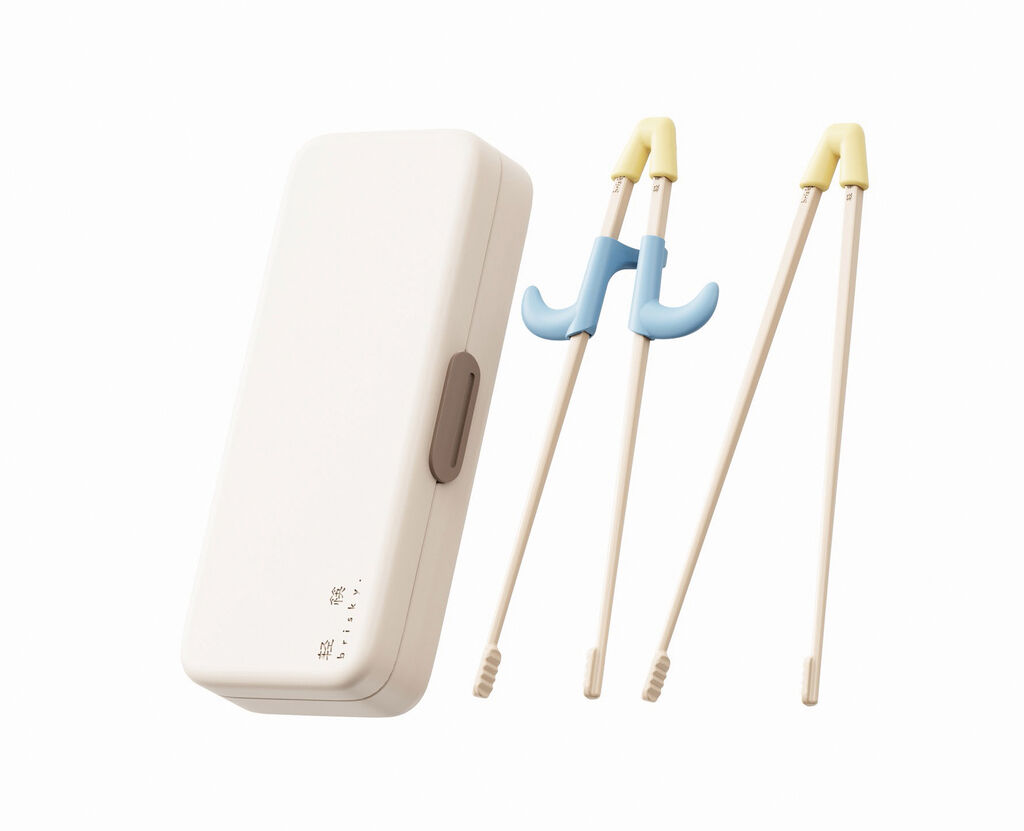
Red Dot: The Brisky chopsticks are a valuable aid for people with hemiparesis. What first sparked the idea?
The development of Brisky stems from a deeply personal experience. Two years ago, my father suffered a sudden cerebral haemorrhage that left the right side of his body paralysed. The abrupt loss of mobility turned him into a completely dependent person. I remember a moment when he tried to eat with a spoon – he ended up spilling everything as soon as he lifted his arm. That was the moment I told myself I had to do something to ease this pain and helplessness, both for him and for others in the same situation. So I resolved to create a new kind of eating aid that would allow patients with hemiparesis to eat independently while also making rehabilitation part of daily life.
How important was collaboration with medical professionals?
It was essential. In the early research phase, I carried out my own investigations into usage scenarios, rehabilitation processes and patient behaviour, and spoke with therapists, carers and patients. This gave me a deep understanding of their needs. During the design and prototyping stages, I worked closely with those same professionals throughout to refine every structural detail. The final prototypes were tested again with patients and adjusted based on their feedback and the observations of the medical experts involved. It was only through listening, testing and refining that I was able to combine functional reliability with emotional support.
Brisky has a simple yet highly effective mechanism. Are “simple” aids precisely the ones that require the most careful thought?
Absolutely. Good product design in the field of rehabilitation is about seamlessly linking apparently simple actions with therapeutic goals. Every structural element, every material choice and every tactile quality in Brisky is designed to offer maximum adaptability and inclusiveness. I have always believed that complexity is the job of the designer, and that what the user should experience is intuitive simplicity.
What, in your view, must product design achieve today?
Good product design must consider emotional needs – in my opinion, this is even more important than aesthetics or function. A truly good product empowers the user.