
Interview with Aasef Iqbal
Fortinet

Red Dot: Is demand increasing for professional beauty devices intended for home use?
Yes, significantly. This trend is being driven by growing beauty awareness, technological progress and increasing trust in scientifically grounded skincare concepts. YA-MAN has accompanied this shift for over 45 years with innovation and experience. The focus is on combining technology, safety and everyday usability. Our devices are based on the principle of translating professional treatments into a user-friendly form for home use. In doing so, we combine modern technology with real skincare needs – to provide effective, safe and easily applicable solutions for everyday life.
How do you strike a balance between conveying cutting-edge technological expertise and avoiding an overly technical aesthetic?
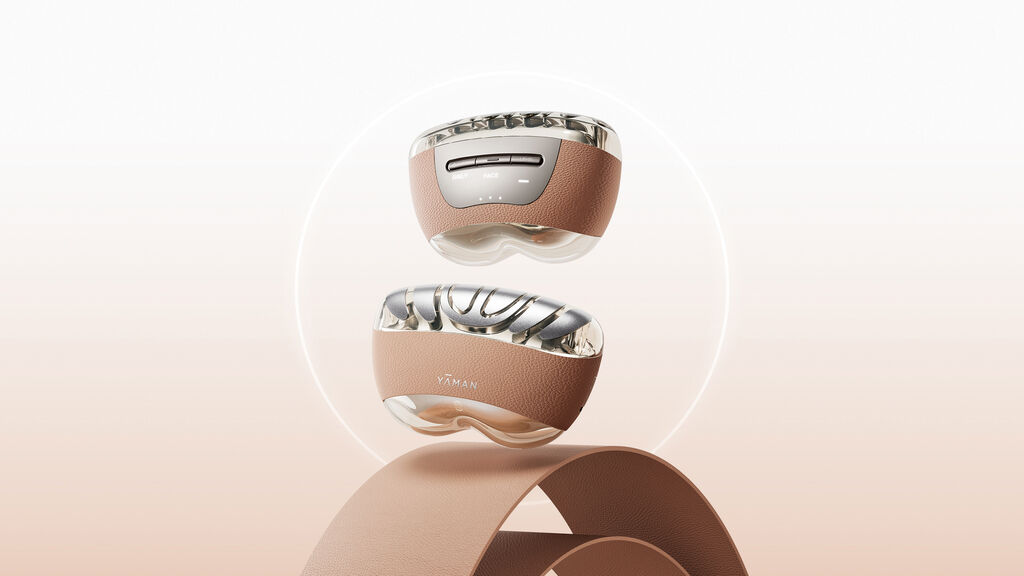
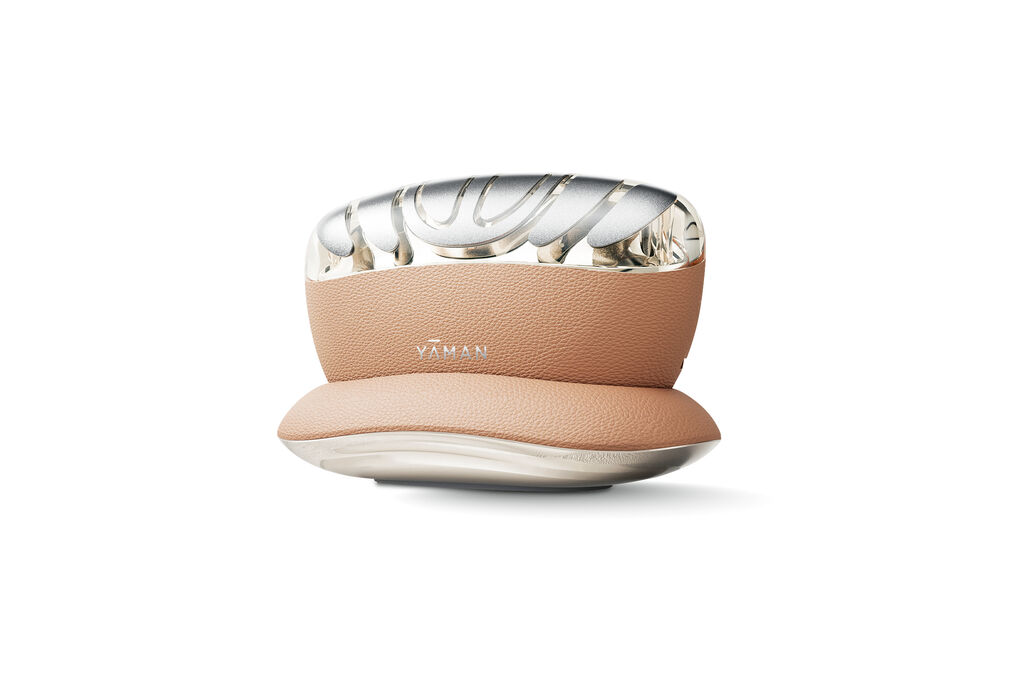
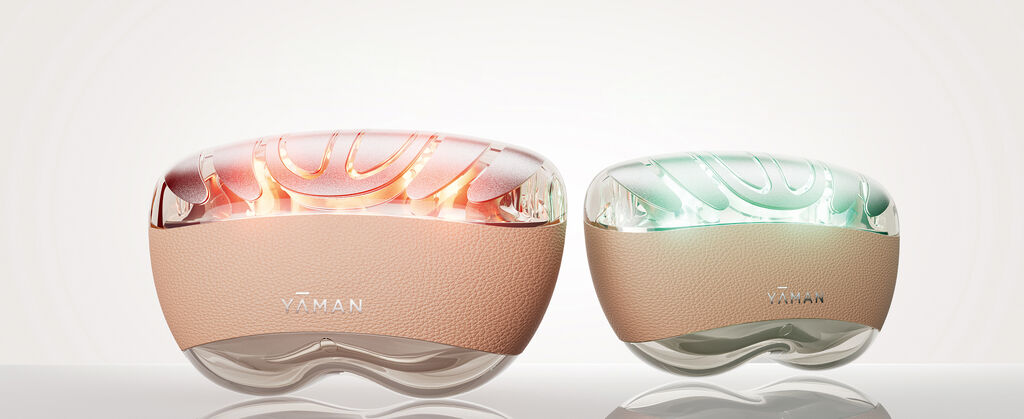
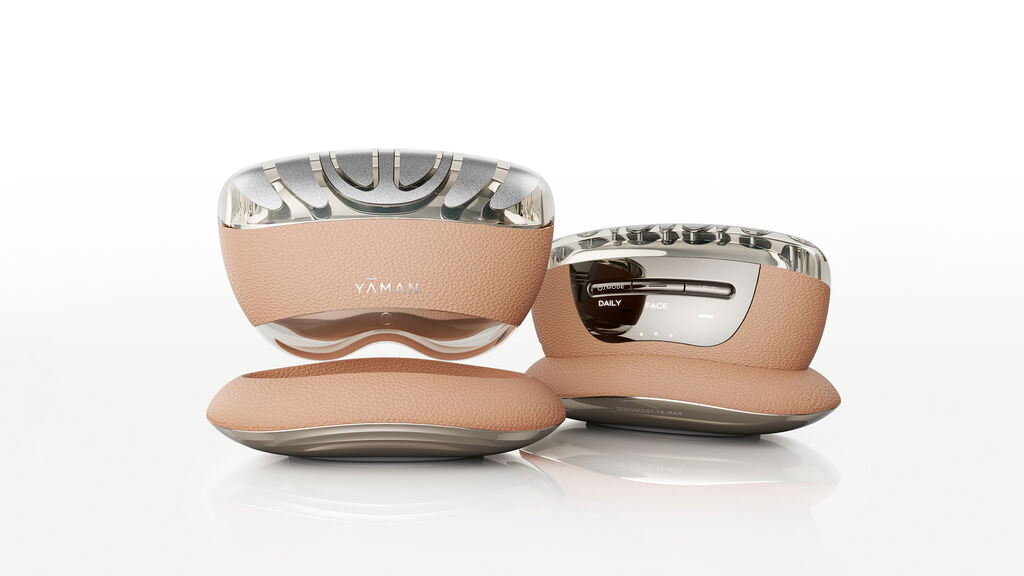
YA-MAN follows a design philosophy that blends technological excellence with a human-centred experience and an aesthetic shaped by context. Ergonomic shaping and sensitive design help soften the mechanical impression of the products. Through the interplay of light and shadow and by adopting a minimalist visual language, we create a sense of technological warmth. Mechanical structures are replaced by light effects, while elegant forms are combined with natural, skin-friendly materials.
What role do haptics play in product development?
Haptics are now a central means of making technology tangible and gaining user acceptance. At YA-MAN, tactile design goes far beyond surface-level experience optimisation. It is, in fact, the linchpin of technical credibility, safety standards and emotional connection. Heat generation or micro-muscle stimulation, for example, can stand in for technical explanations and signal effectiveness. This is how a device becomes a trusted companion in skincare routines.
How important is intuitive user guidance?
It has evolved from an “additional feature” into a core element. Intuitive interaction reduces cognitive barriers, enabling users to take full advantage of the advanced technology. In future, competition will hinge on ease of use – the brand that creates the least “cognitive friction” will win.