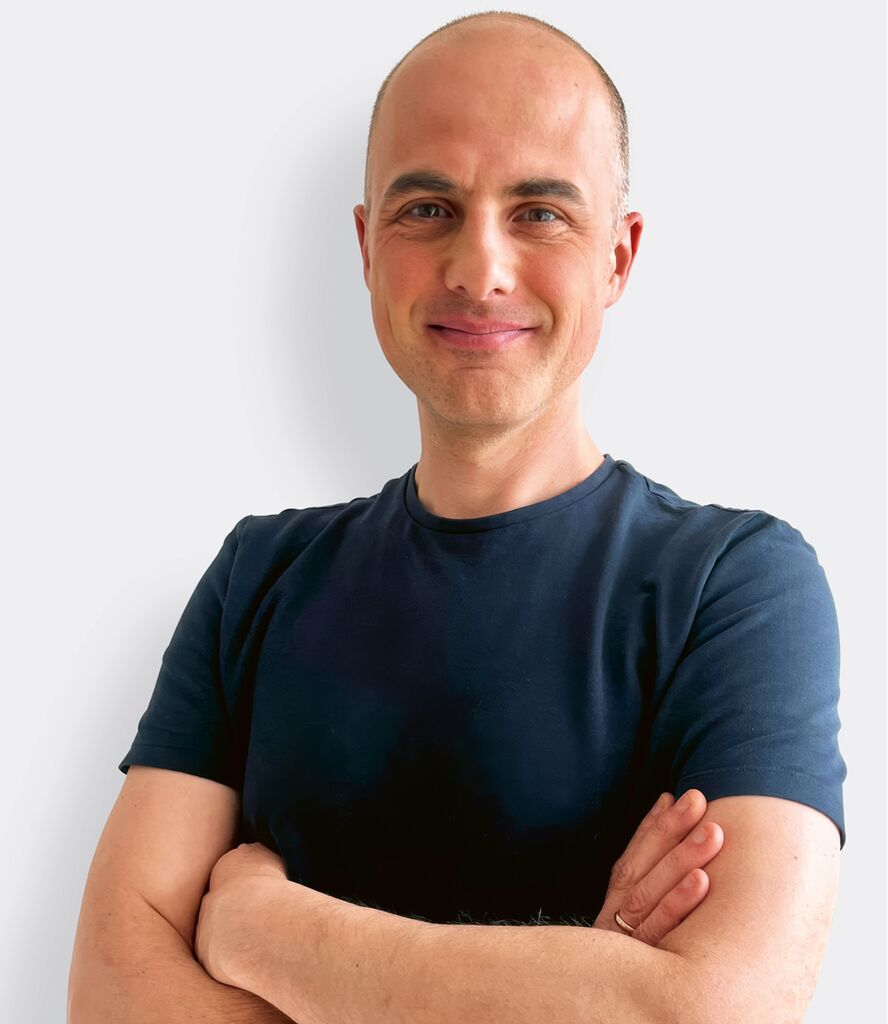
Interview with Marco Nicora
C.A.M.P. SpA
Red Dot: How did you manage to develop a highly complex system like Geniant Cranial in such a way that it ensures both precise performance and intuitive operability?
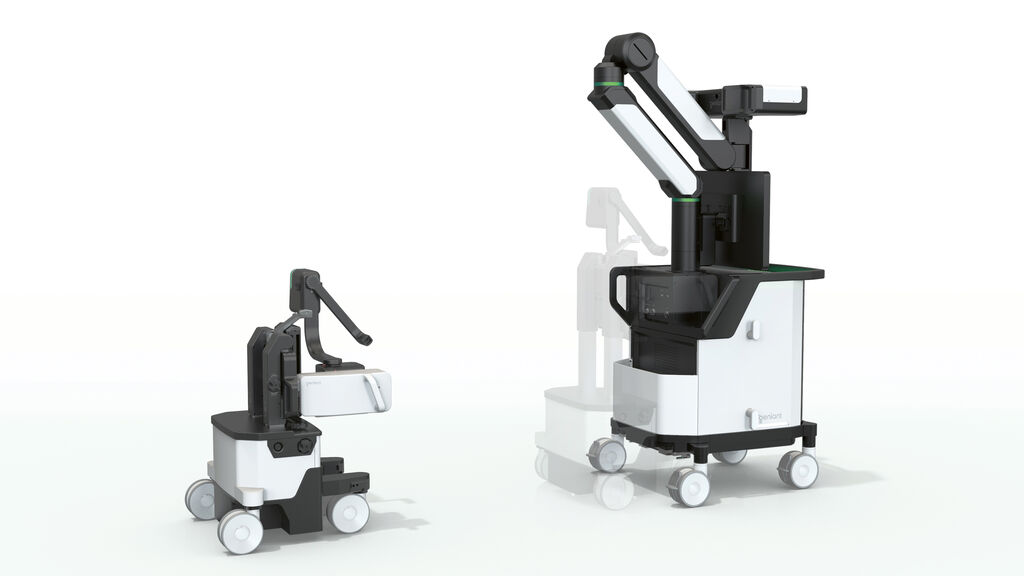
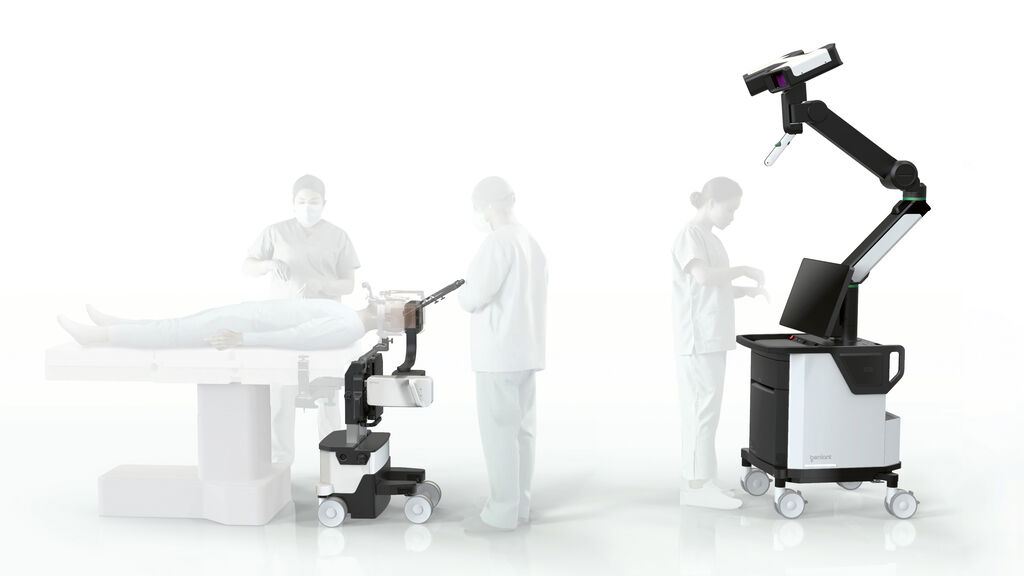
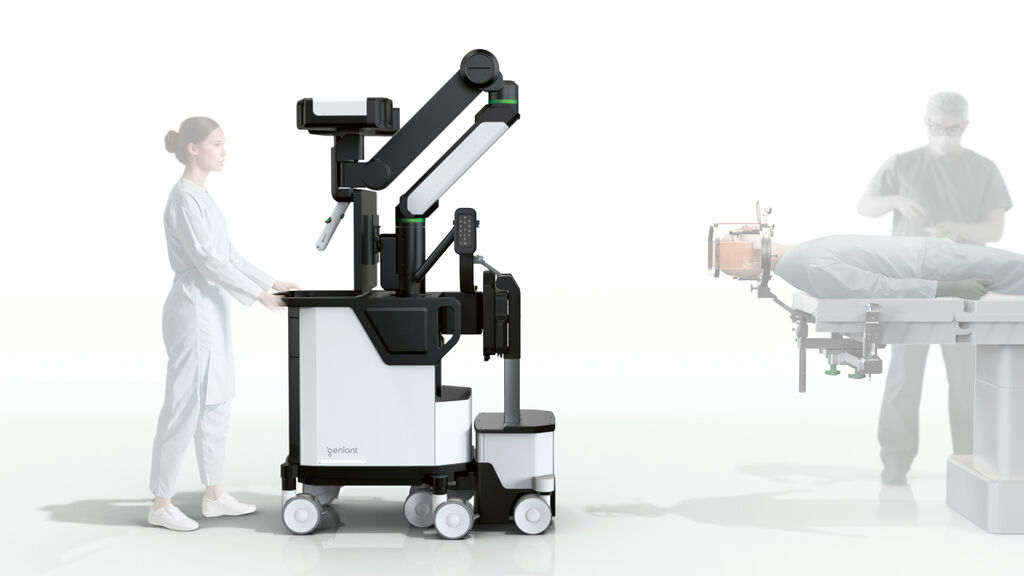
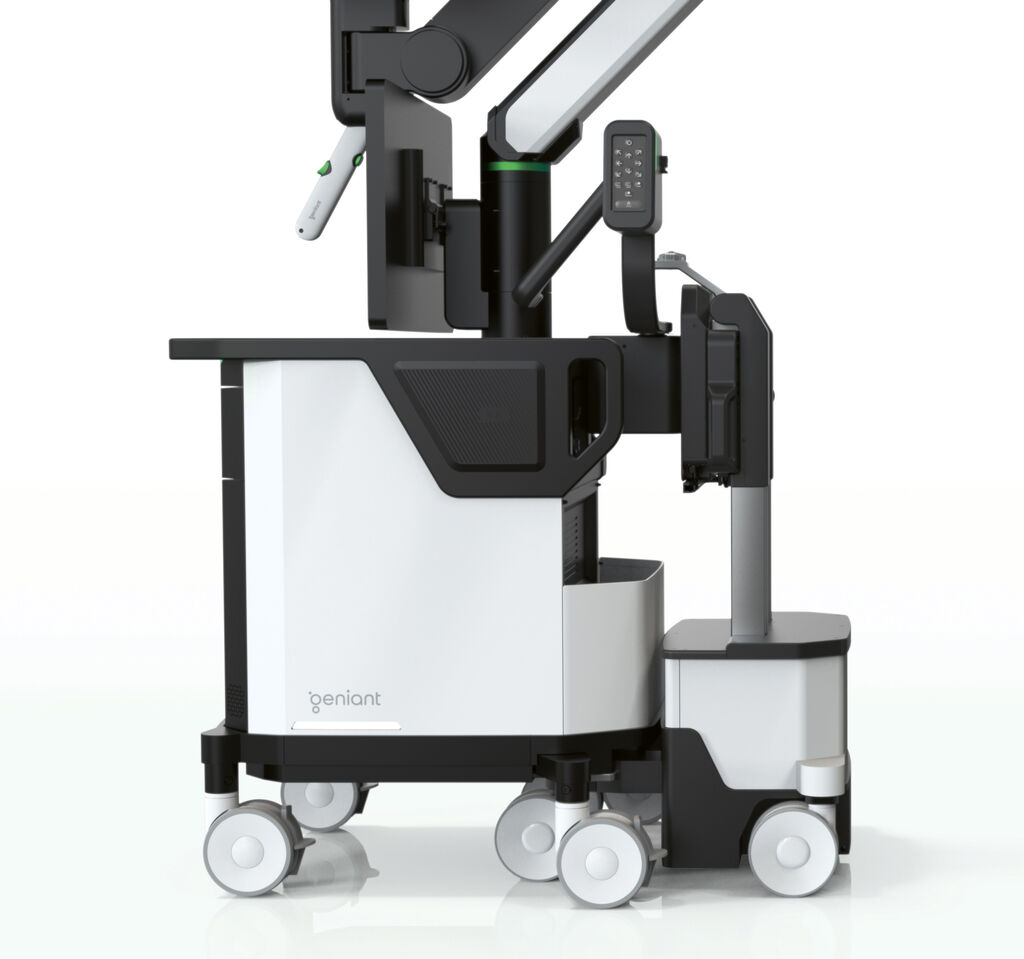
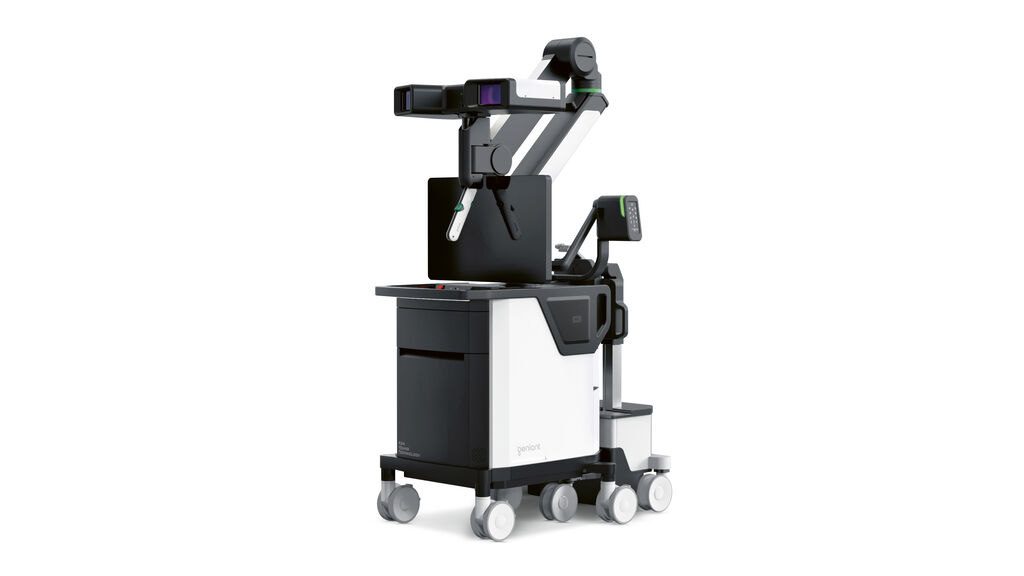
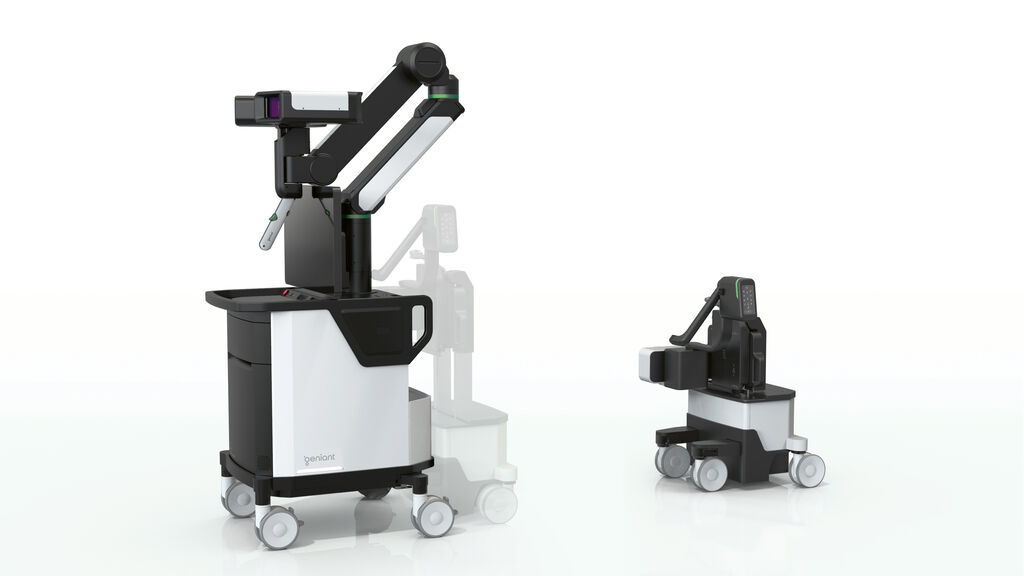
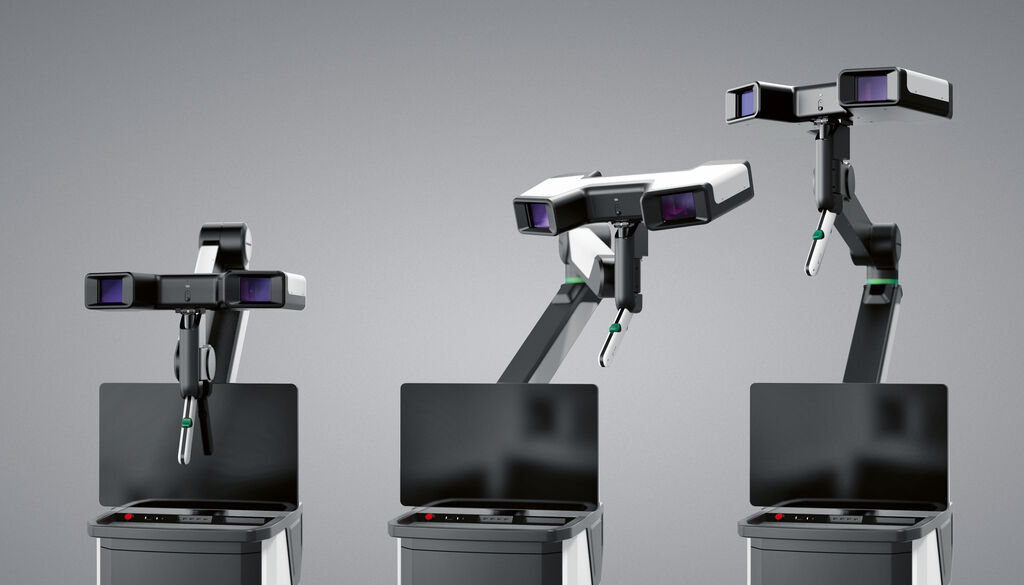
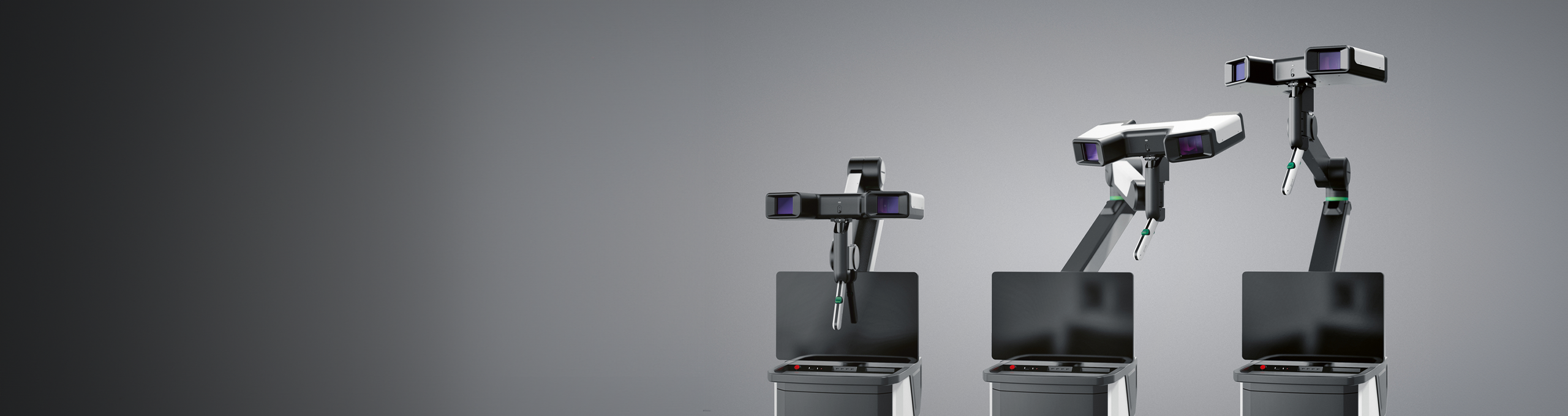
Our goal was to make the operation advanced technology as easy as possible for medical professionals. High precision is non-negotiable in neurosurgery, but it should always go hand in hand with intuitive usability. To achieve this, we have placed the user experience at the centre of both the hardware and the software. For example, the robot is equipped with a gas spring mechanism that enables quick and easy assembly and disassembly. The motorised braking system enables flexible positioning of the navigation camera, even in confined operating theatres. Every design detail is based on continuous feedback from clinical users to ensure that even complex functions can be operated easily and efficiently.
How do you define good design in the field of surgical robotics – and how do you think it differs from other product categories?
In surgical robotics, good design must go far beyond pure aesthetics. It must deliver uncompromising performance and intuitive usability, ensure patient safety, guarantee sterilisation compatibility and integrate seamlessly into clinical workflows. Unlike consumer products, surgical robots are life-critical tools – their design has a direct impact on medical outcomes. Good design in this area means providing invisible support – through a system that enables intuitive operation without having to think about the user interface.