Interview with Hyoungwon Kim
LG Electronics, Inc
Red Dot: How did you manage to transform a functional mobility aid into an elegant accessory?
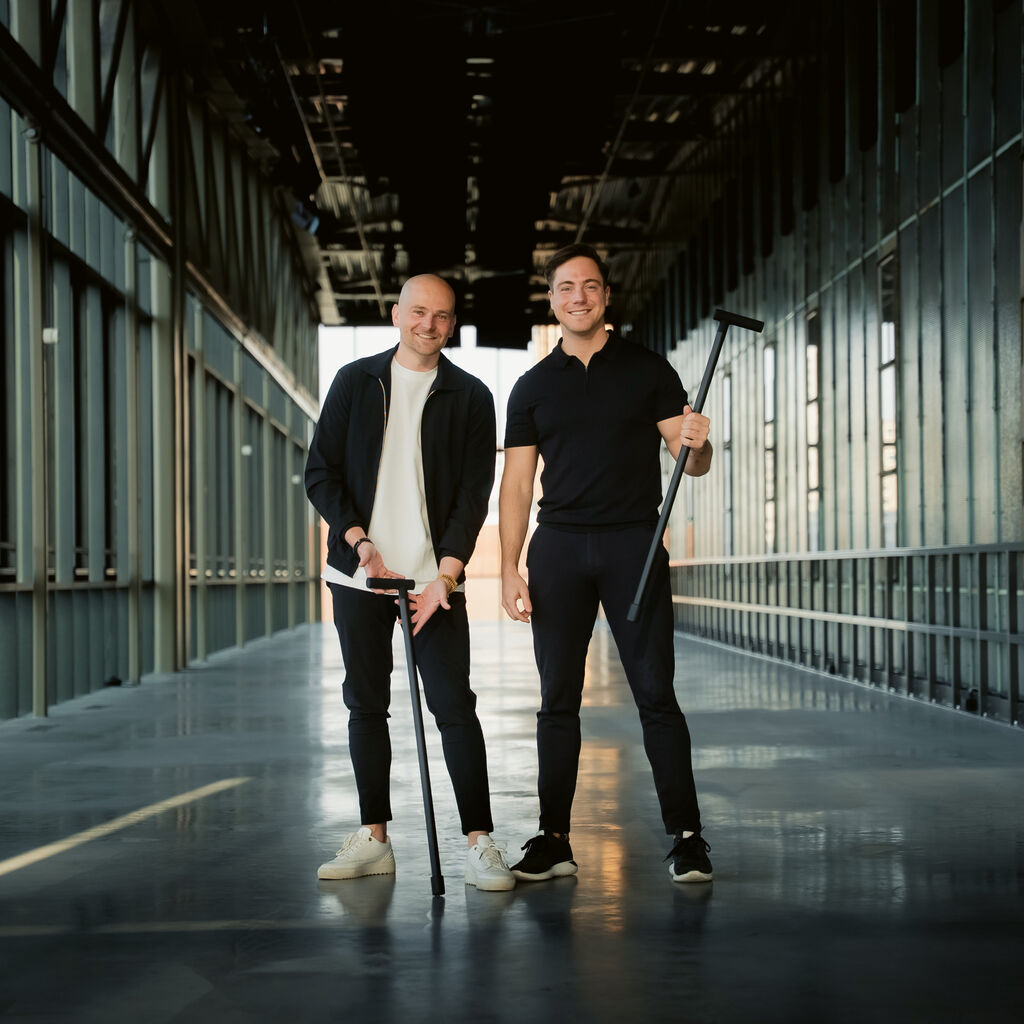
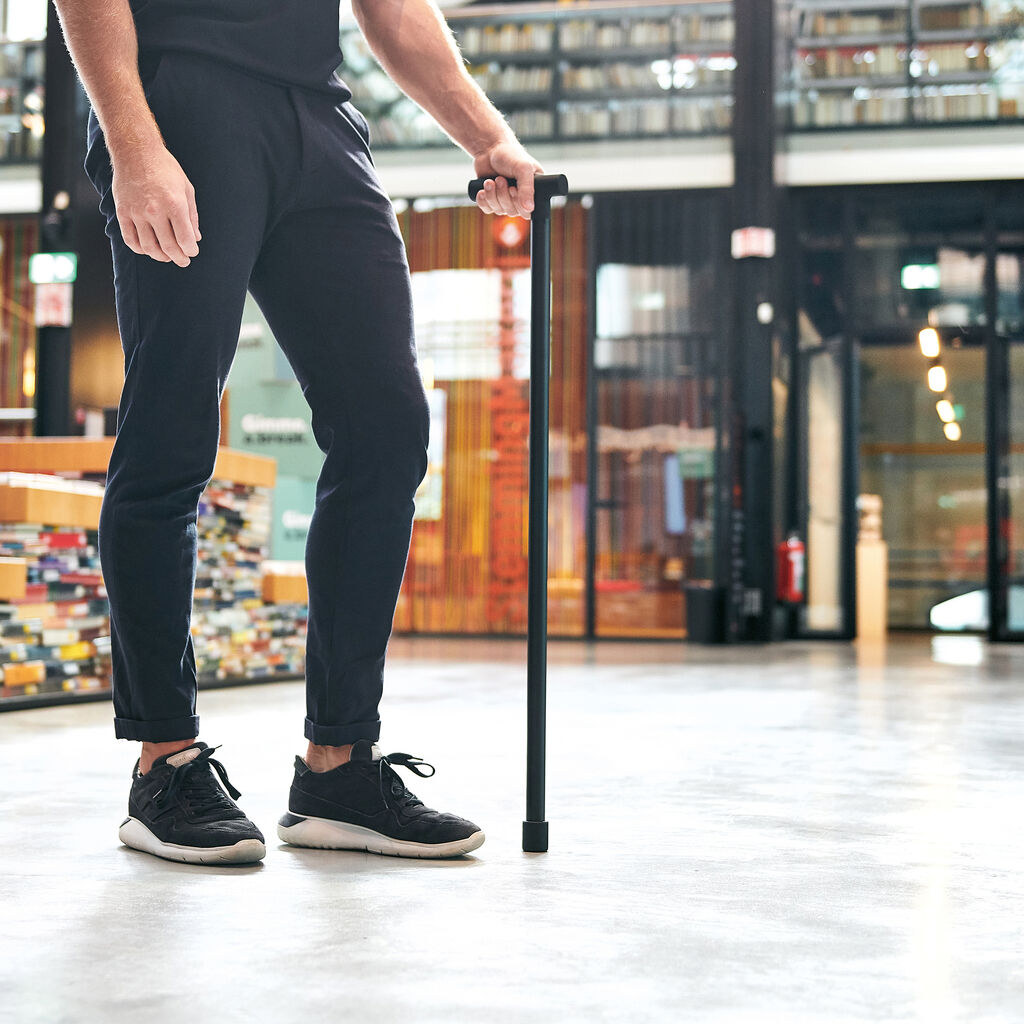
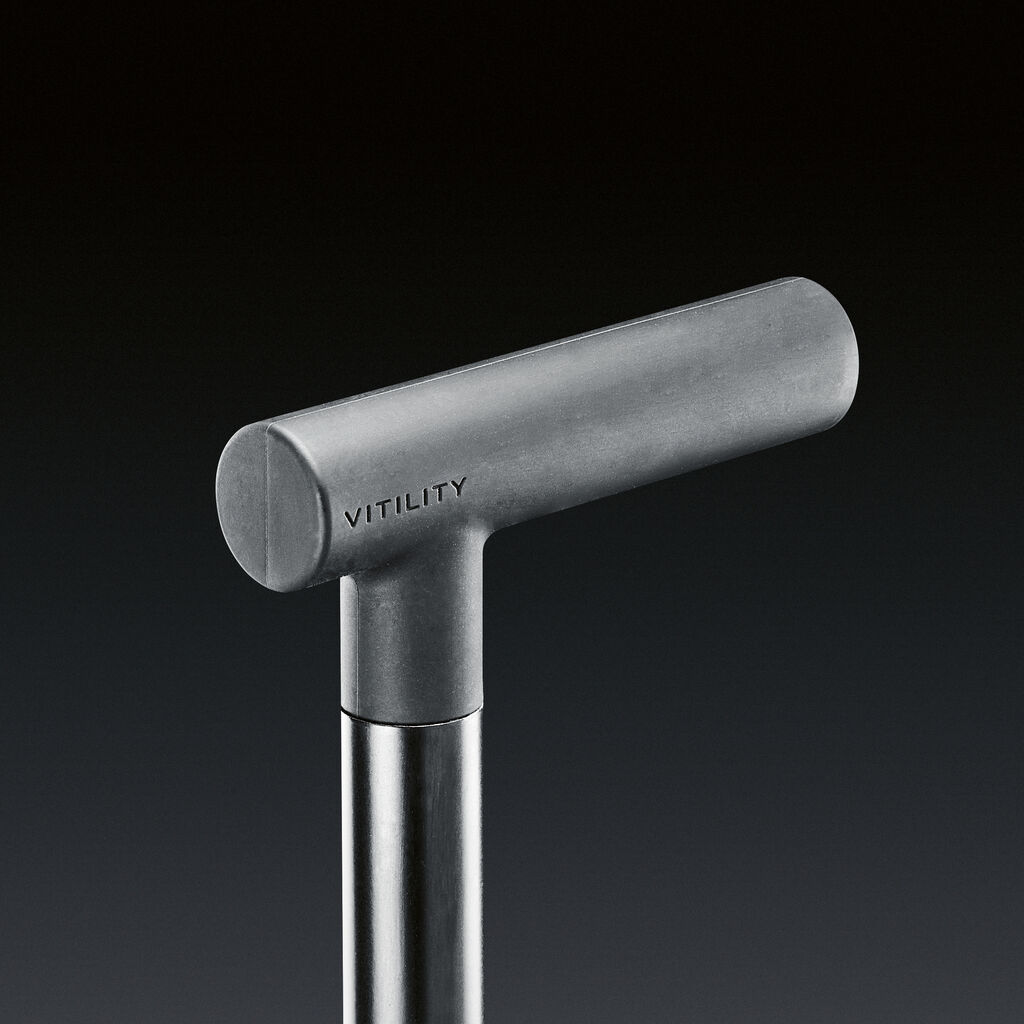
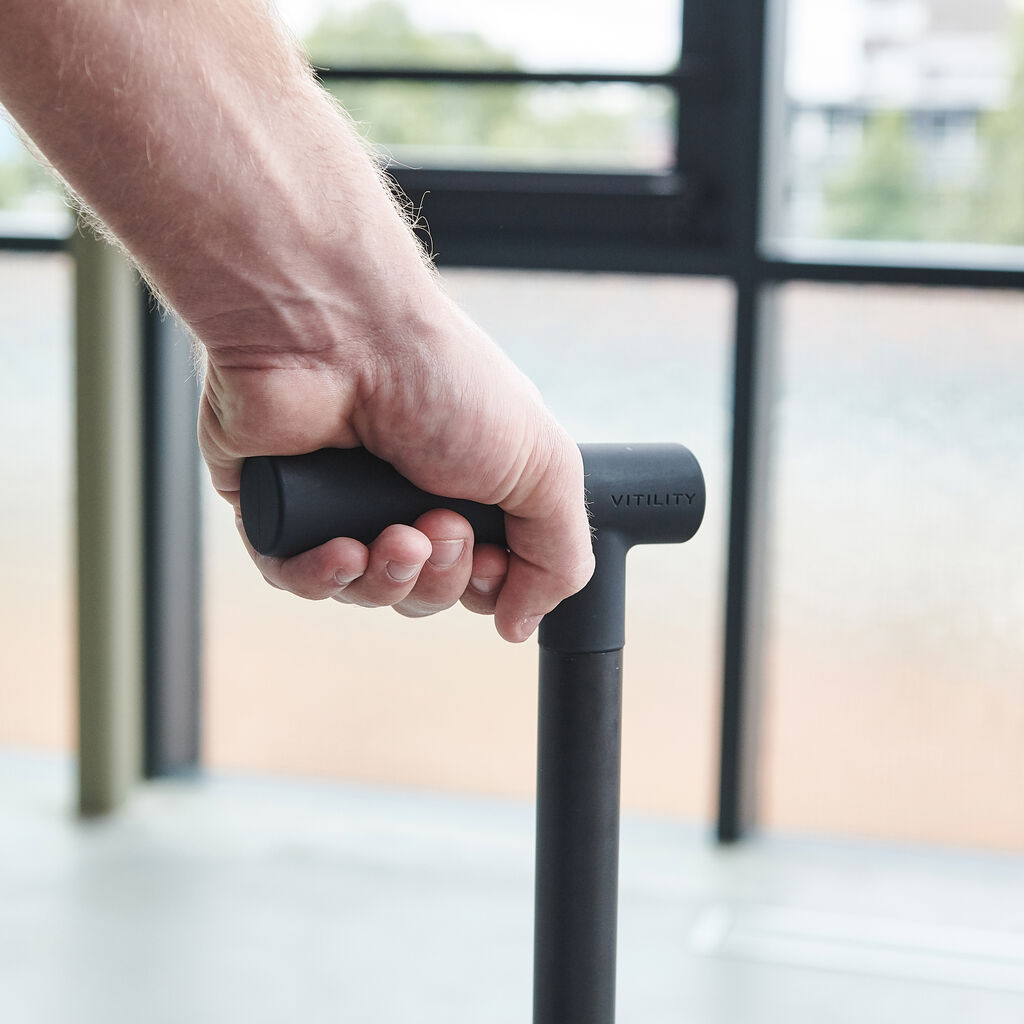
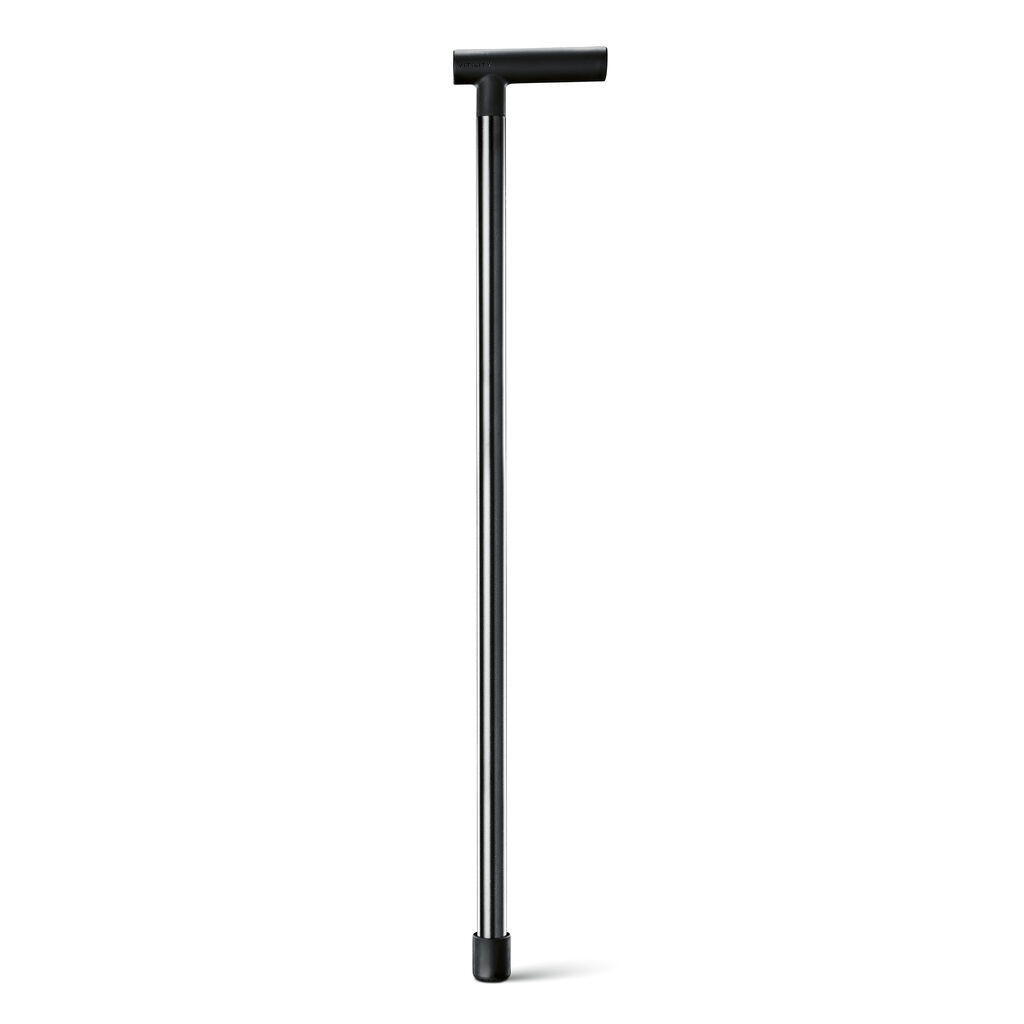
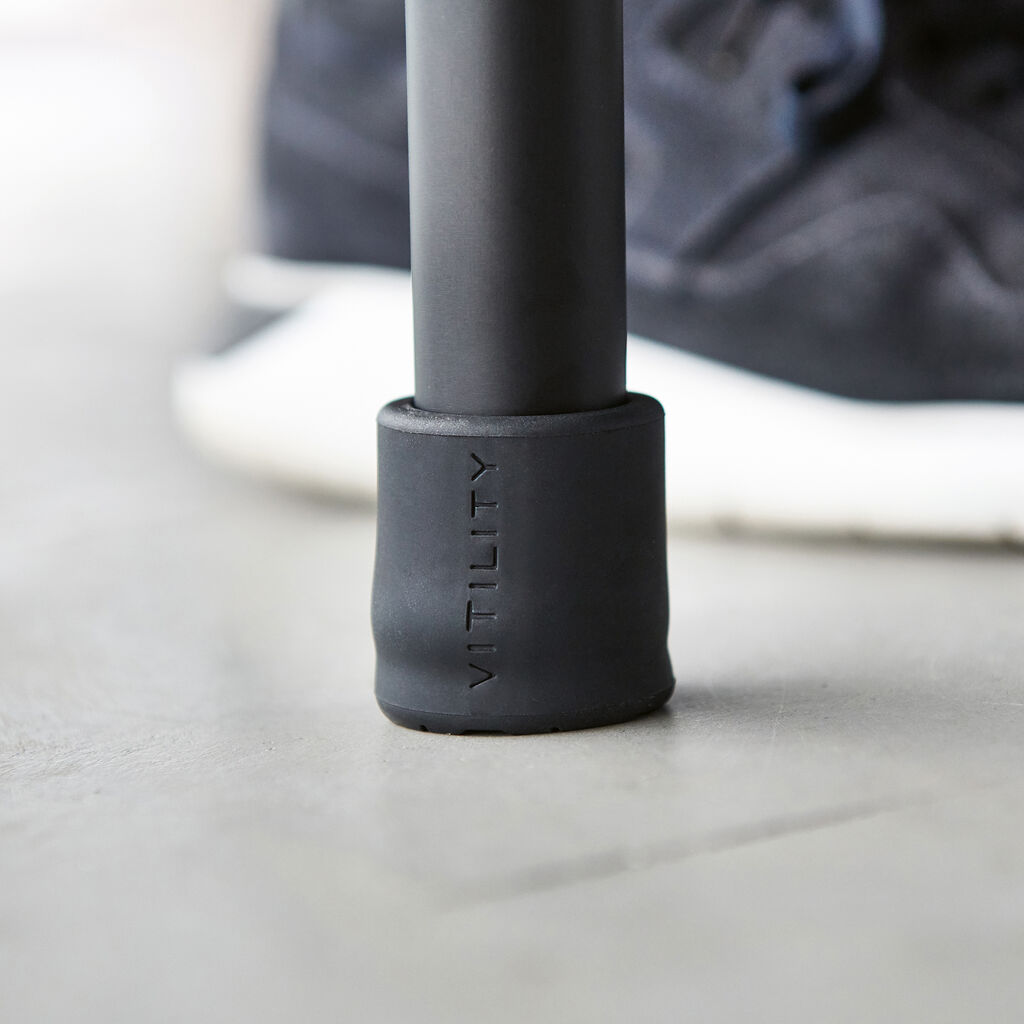
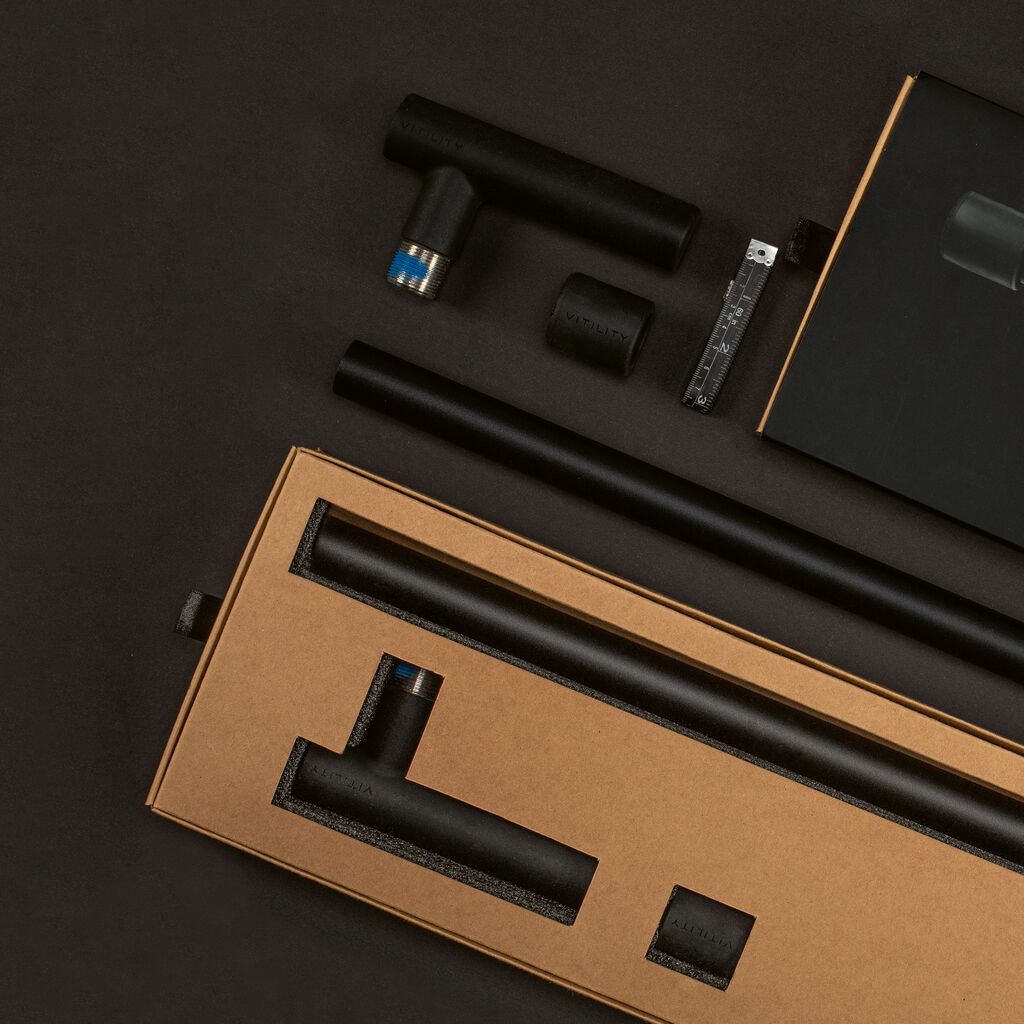
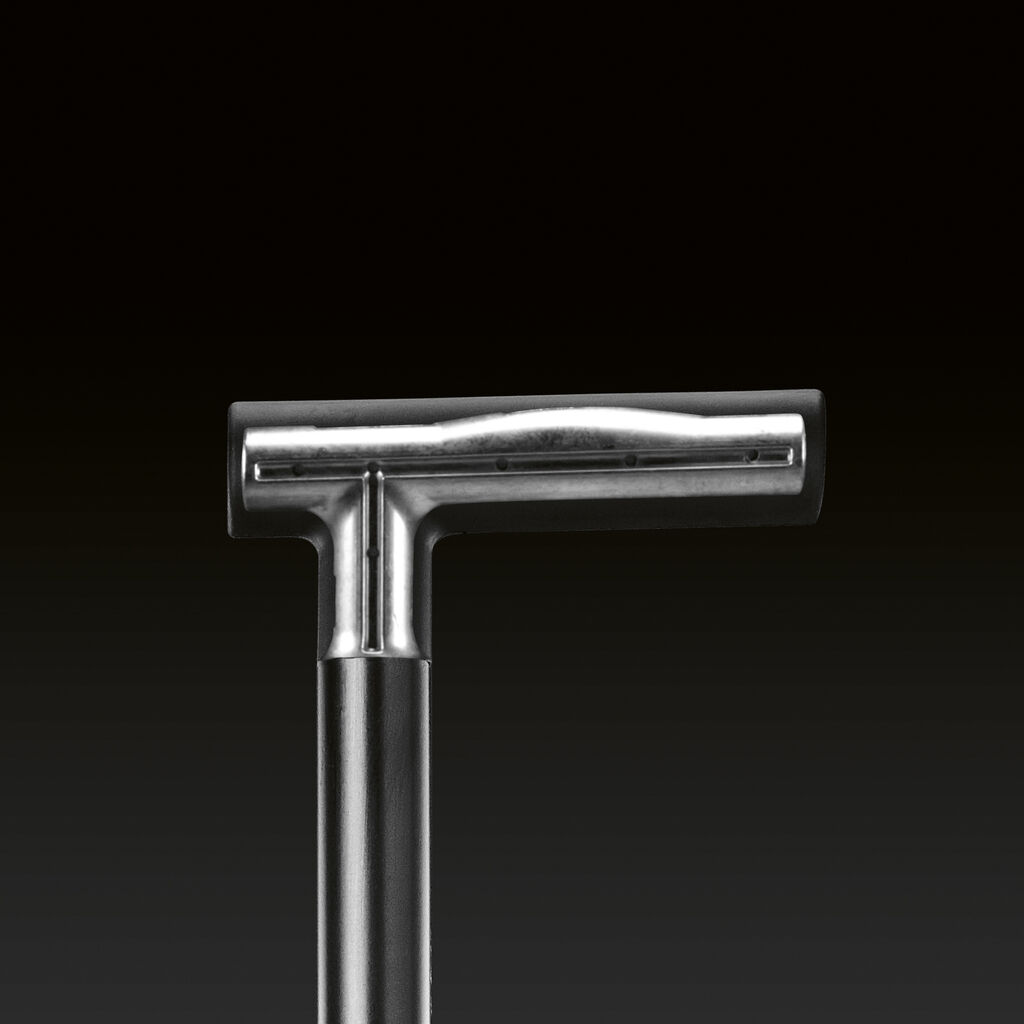
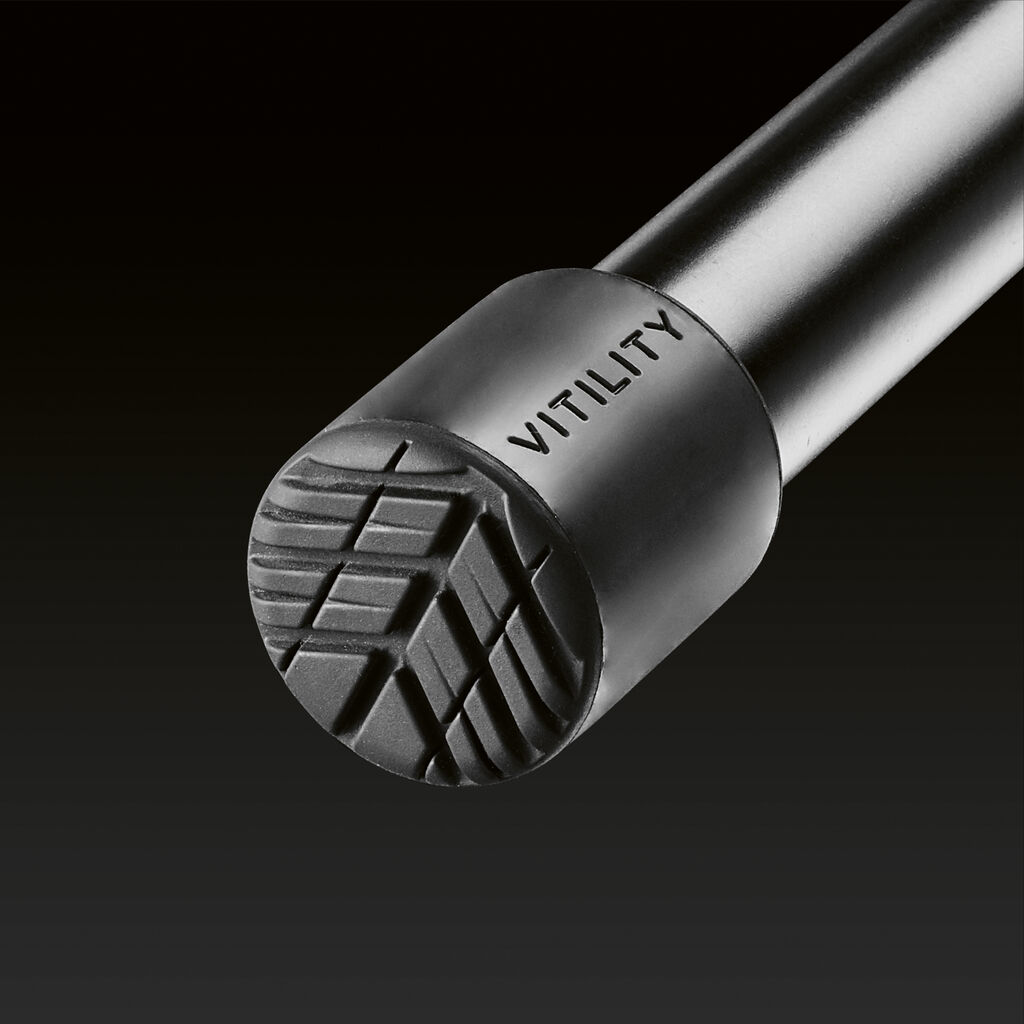
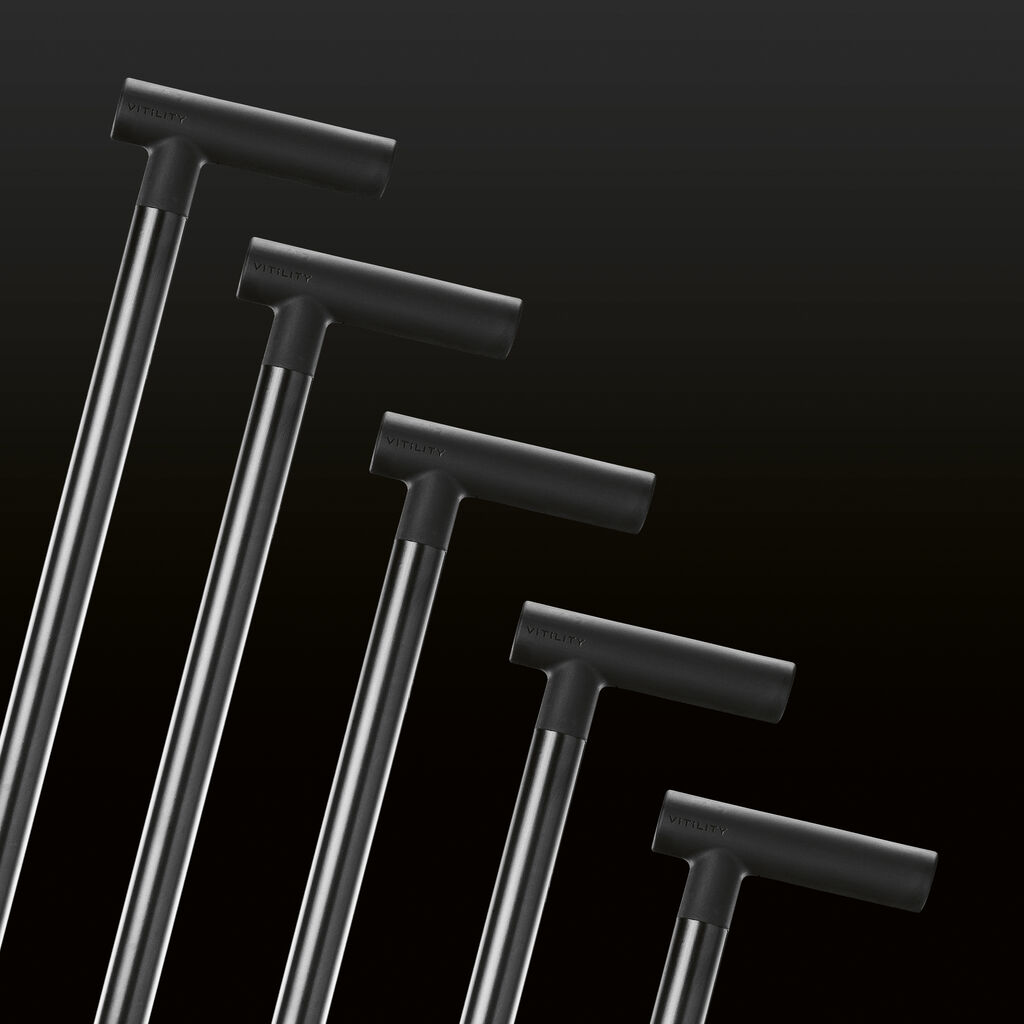
Liridon Mahalla: We didn’t see the walking stick as a medical aid, but as a personal object – comparable to a watch or a pair of glasses. Every design decision was based on the key question: Would someone feel proud to carry this walking stick in public? That’s why we opted for clean lines, high-quality materials and a timeless colour palette that suits both fashion and individual style. The balanced proportions are more reminiscent of a design object than a clinical product. The packaging and presentation are also specially tailored to reflect this lifestyle approach. For us, elegance and functionality are not mutually exclusive. The walking stick is no longer perceived as a symbol of limited ability, but as an expression of individuality.
To what extent can good design help to reduce prejudice and stigmatisation, for example in the context of ageism?
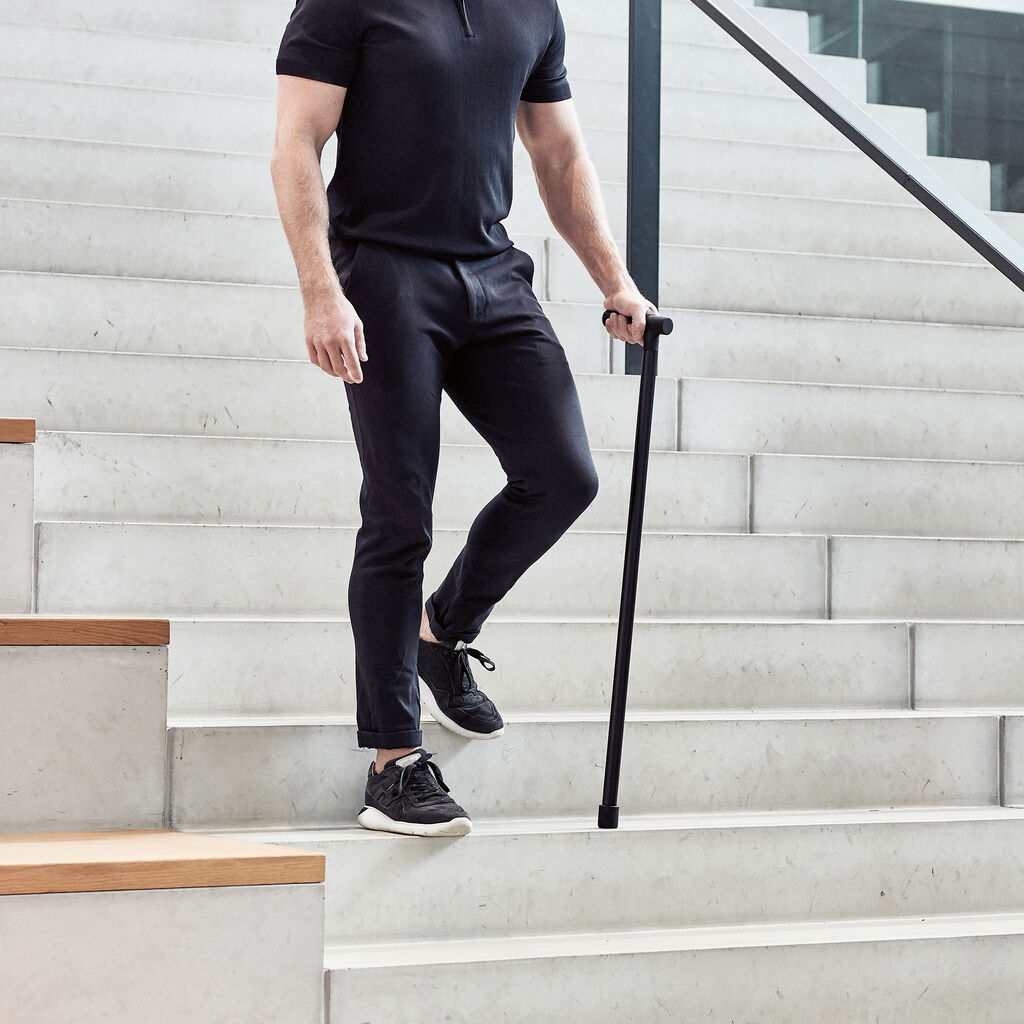
Dave Boeren: Good design can have a profound influence on social perceptions. Millions of people around the world are reluctant to use a walking stick early for fear of stigmatisation – a reluctance that can lead to unnecessary injuries and loss of mobility and confidence. By designing the walking stick so that it is perceived as a statement rather than a sign of weakness, we are accelerating acceptance. Our aim is not just to make mobility aids more acceptable, but also more desirable. Exclamations like “Cool cane!” are evidence of a small but significant change. When pride replaces shame, people act sooner, maintain their independence and improve their quality of life – and design becomes a powerful tool for social change.