Interview with Andreas Knie
Jungheinrich AG
Red Dot: The rabbit r1 AI assistant emphasises personal and intuitive use. Which design elements do you think reflect this the most?
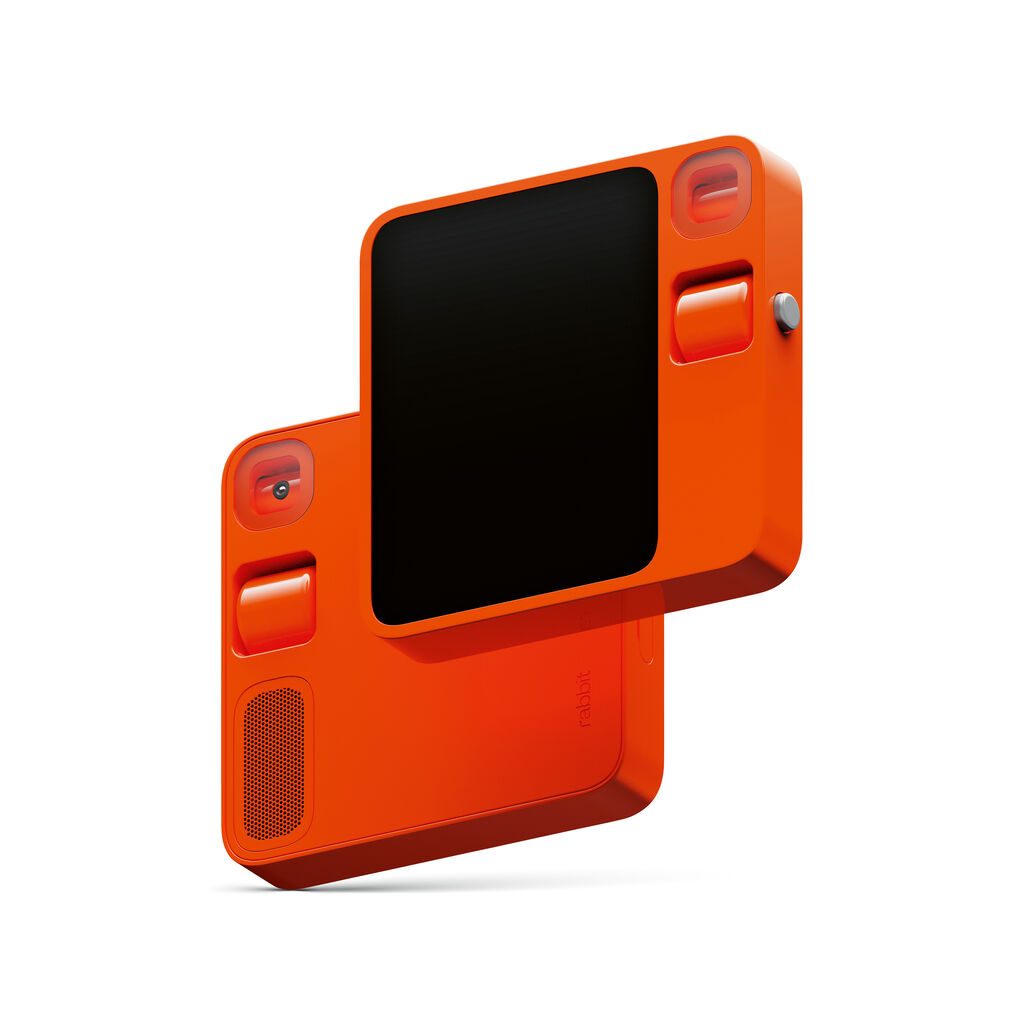
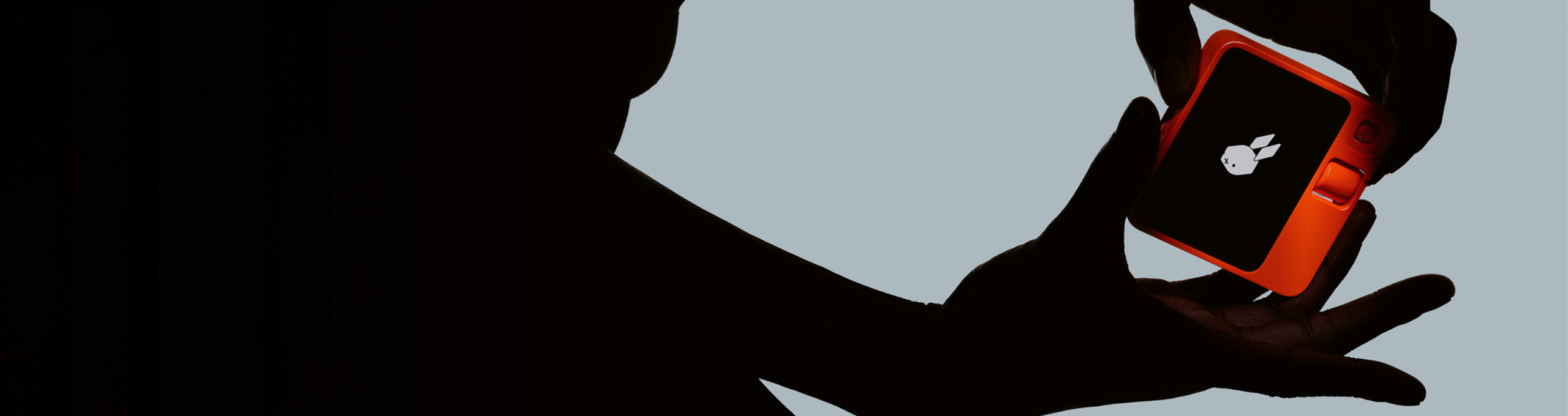
The device is built around language interactions. That’s why we went with a form factor for the hardware that’s more like a walkie-talkie – you just press the button and speak, which is very intuitive. On the software side, we added functions that let you personalise the experience according to your tastes and interests. You can customise the assistant’s voice and generate different user interfaces simply by talking to rabbit r1.
The device’s hardware has a distinctly retro aesthetic. What were the considerations behind this?
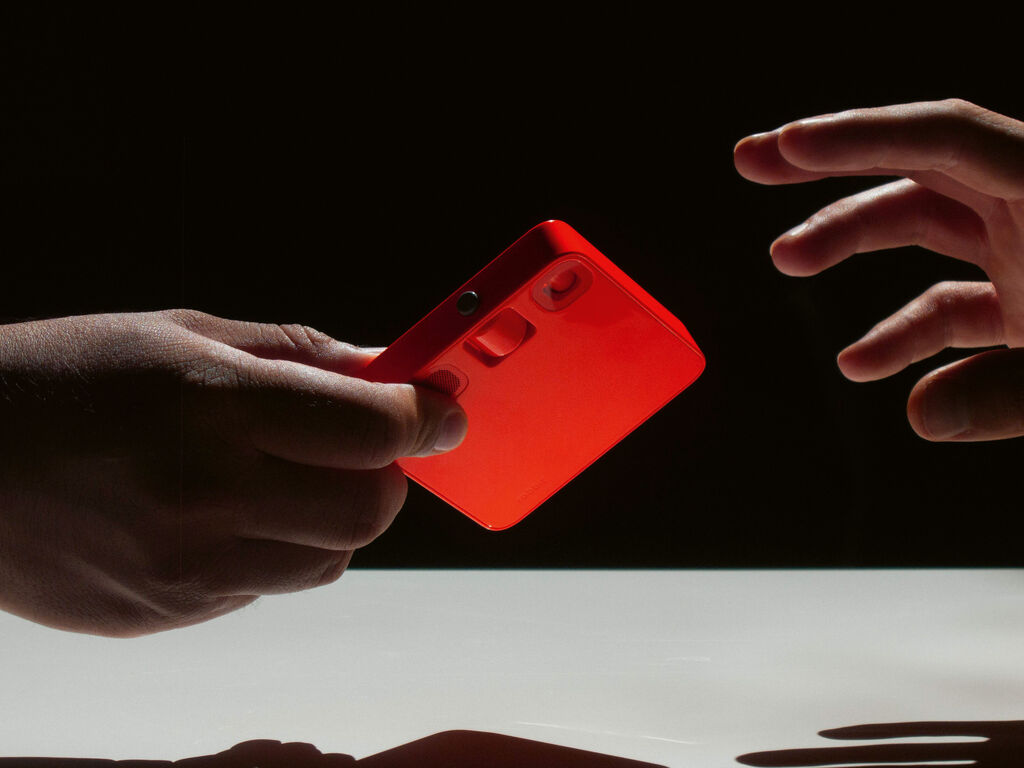
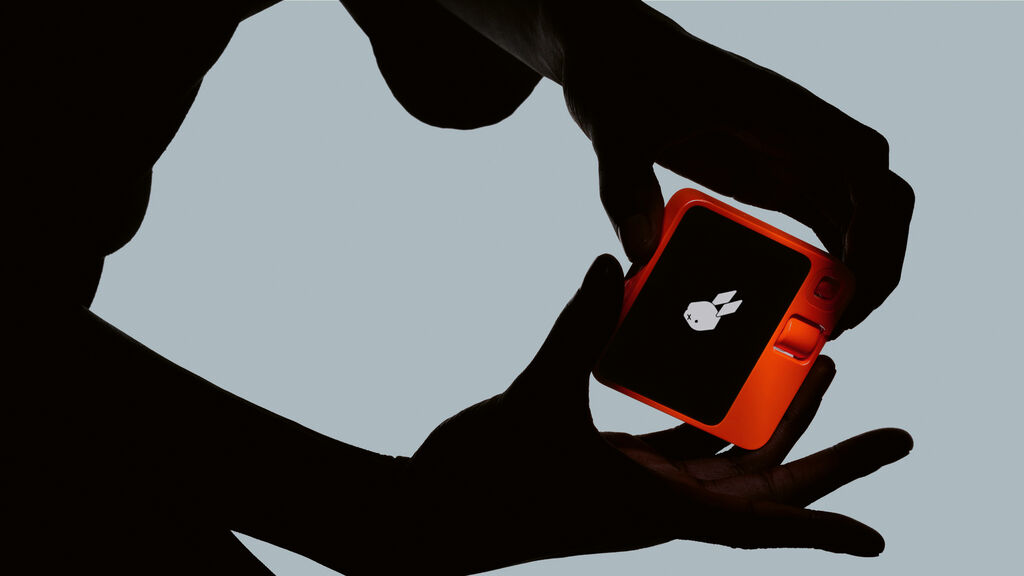
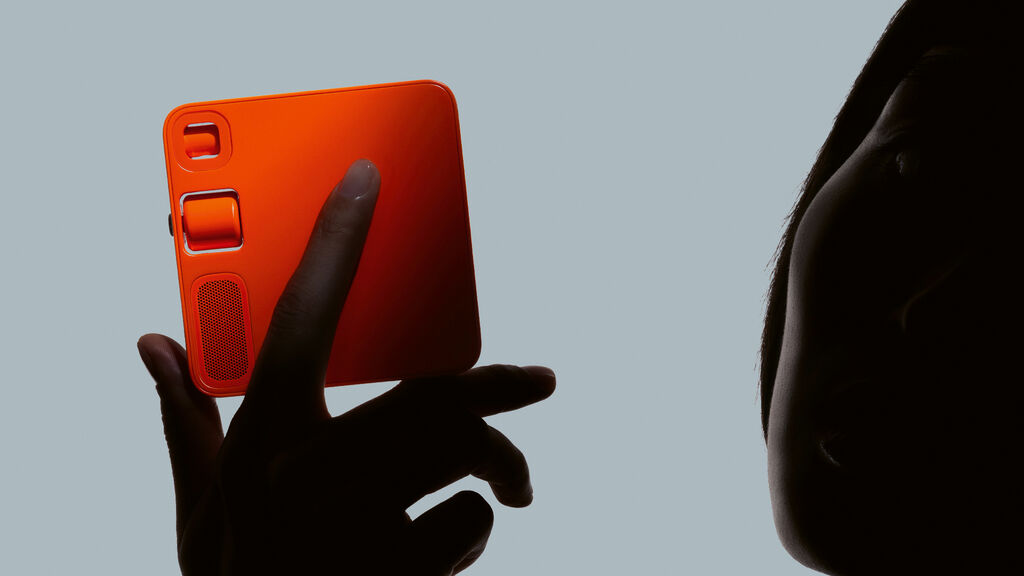
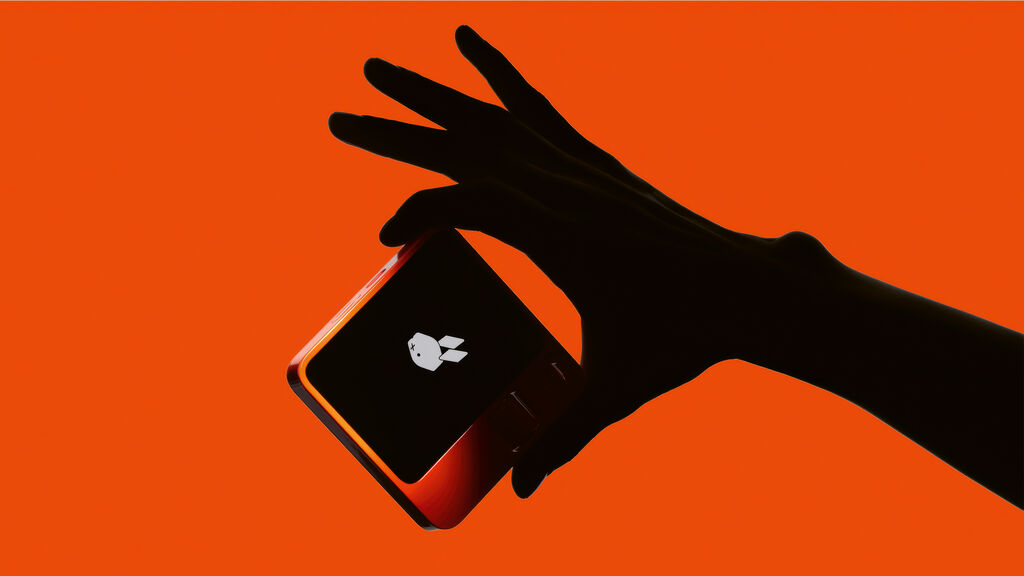
We were very inspired by early 2000s hardware, when there was a wide variety of form factors that are mostly gone today. We wanted our hardware to be fun. The bright orange colour, push-to-talk button, scroll wheel, rotating camera and Pokédex-like elements are all meant to bring joy back to using tech.
What trends and developments are you currently observing in your field?
AI agent technology is pushing us towards more intuitive ways of interacting with machines. That shift is changing how we think about hardware. Most tech companies are tied to legacy form factors like smartphones, which I think severely limits innovation. At rabbit, we have the freedom to find inspiration in the analogue age, where physical devices were purposeful, intuitive, fun and experimental. The AI and operating system live in the cloud, and any compatible device can access it. That approach gives us flexibility to play with all kinds of form factors.