Interview with Zhi Cong Kong
Guangdong Yuanchuang Zero Carbon Ecological Enviro
Red Dot: Which aspects did you focus on in the development of sMove?
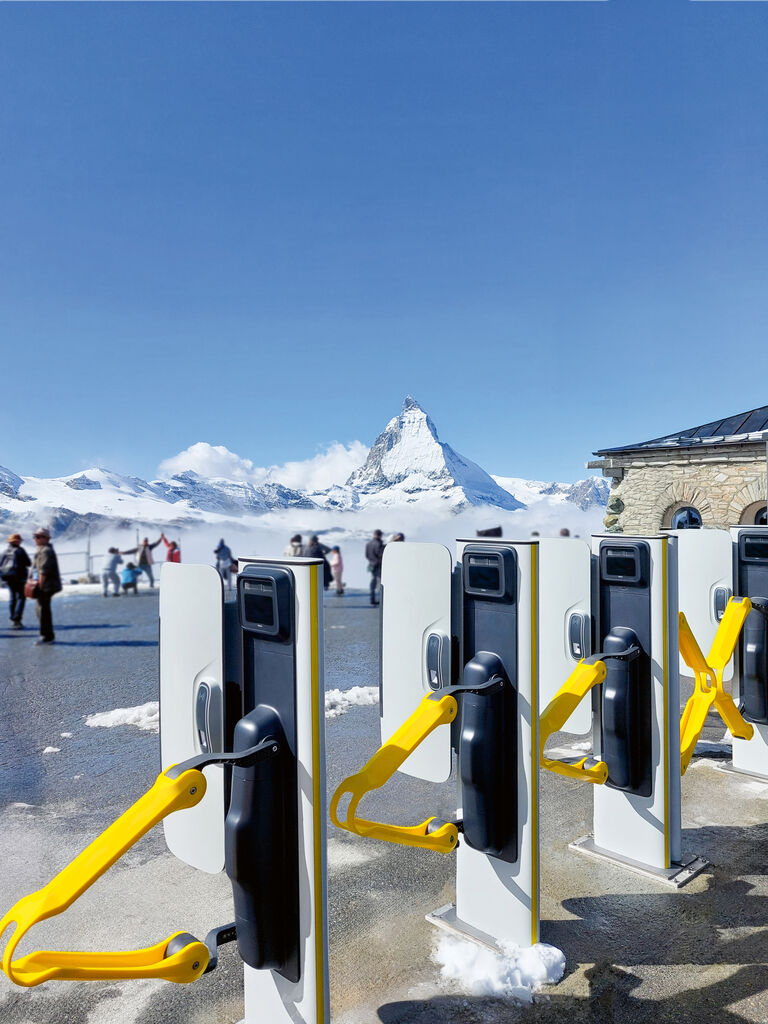
An ideal access system is one that isn’t perceived as an access system, because such systems can have negative connotations for end users if they are perceived as monitoring, restrictive or discriminatory. That’s why a key objective was to improve and simplify the access process and to transform it into a welcoming experience. Inclusiveness and accessibility were crucial features. At the same time, we focused on the security aspect and elevated convenience, in order to optimise the experience for both operators and users.
How challenging was it to reconcile the different needs?
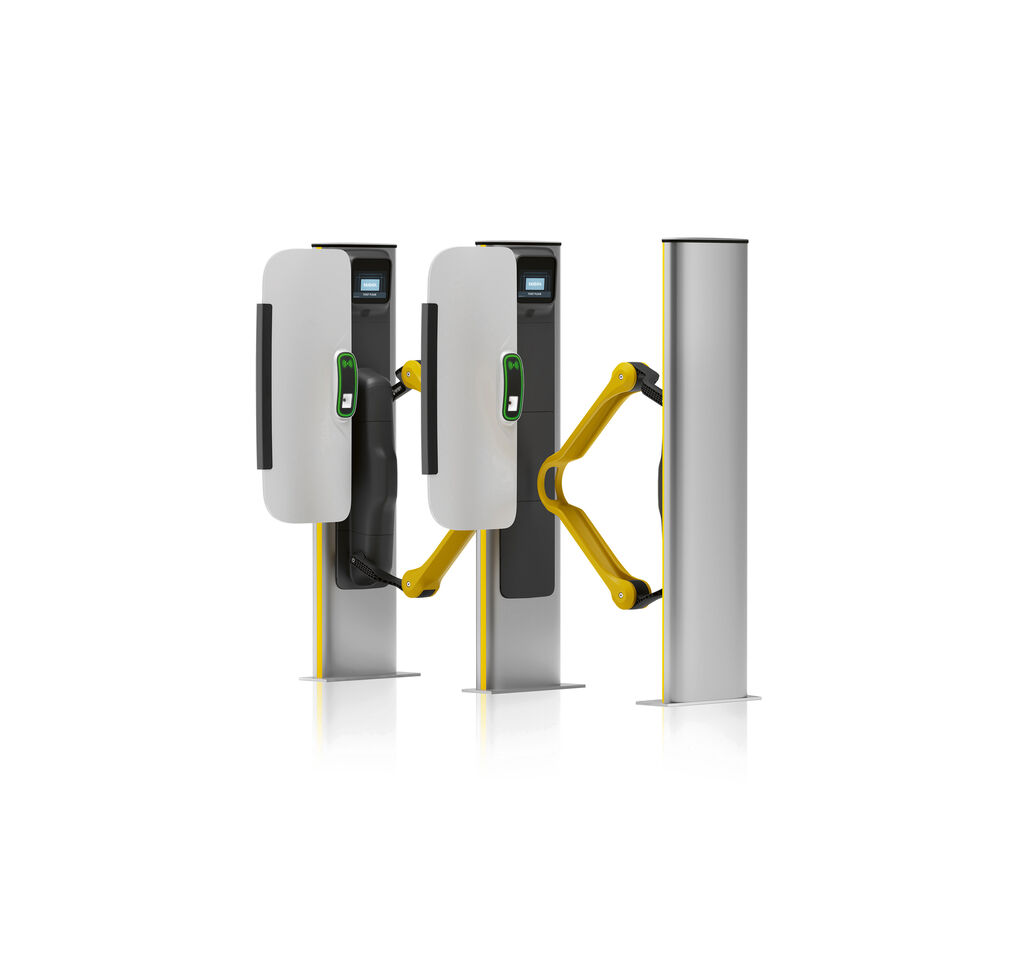
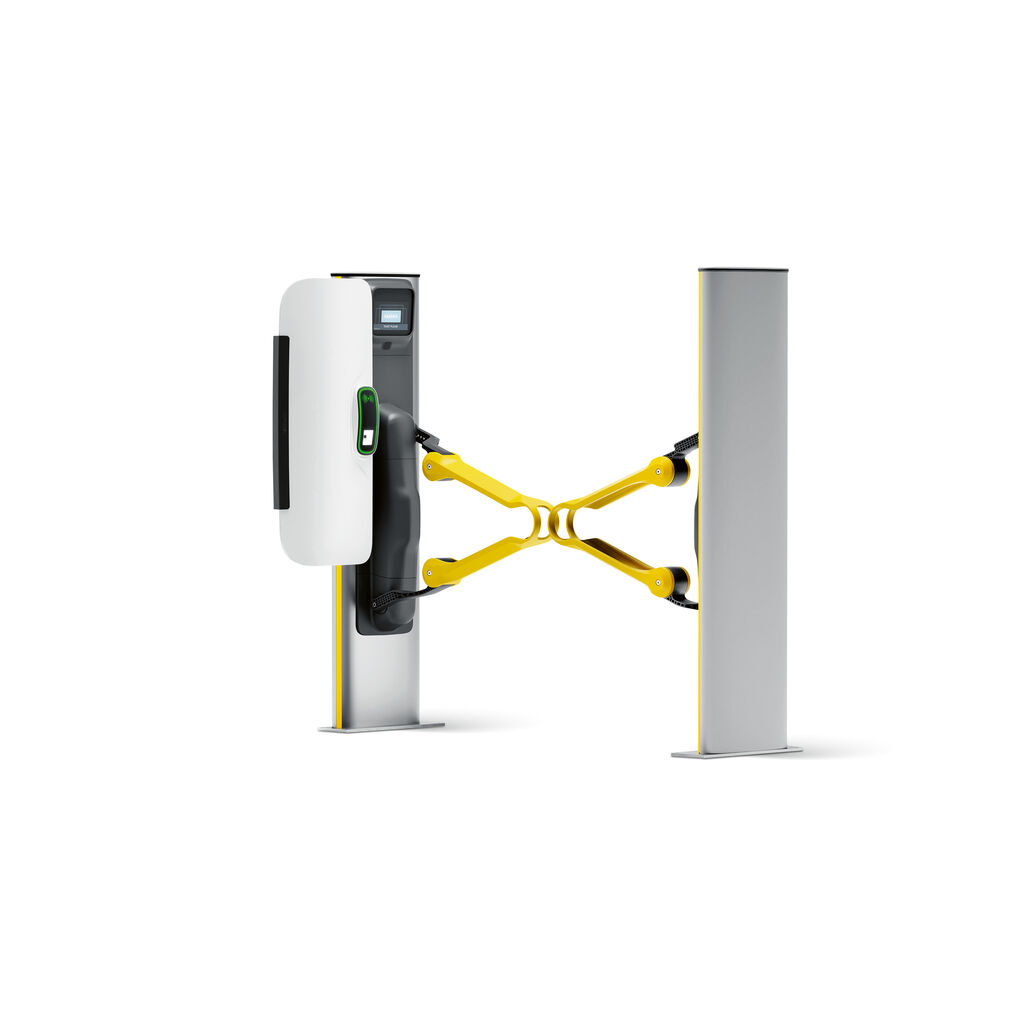
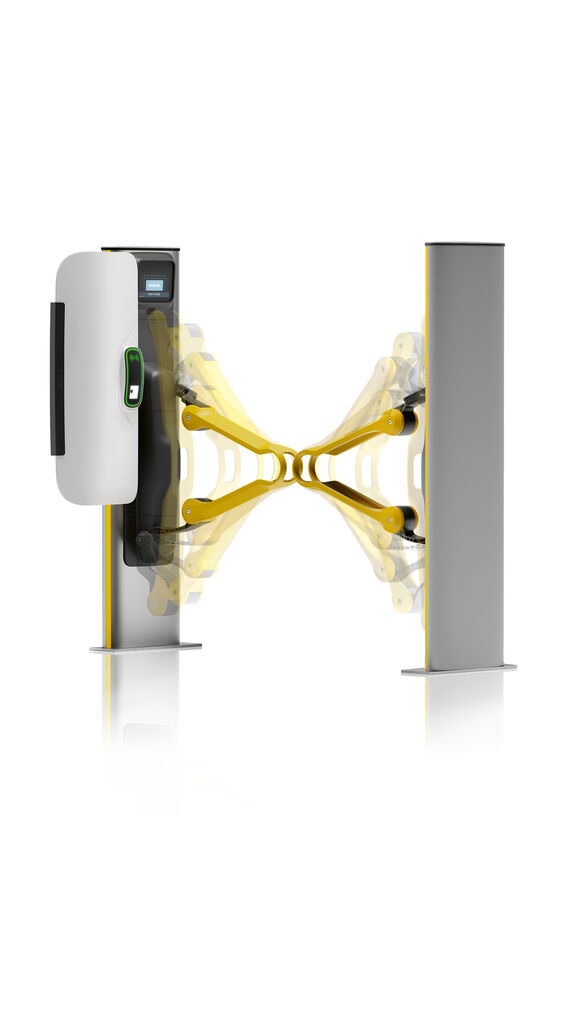
It was like putting a square peg in a round hole! At least that’s how complex the briefing felt when we were starting out. We fiddled around with the design concept for a long time. Initially, we concentrated on the WAVE barrier element so we could discover how it needed to be created to optimally perform its function. The fact that we wanted to design a single modular system that comprehensively met all requirements meant multiple reiterations and new approaches.
Which design feature of sMove are you most proud of?
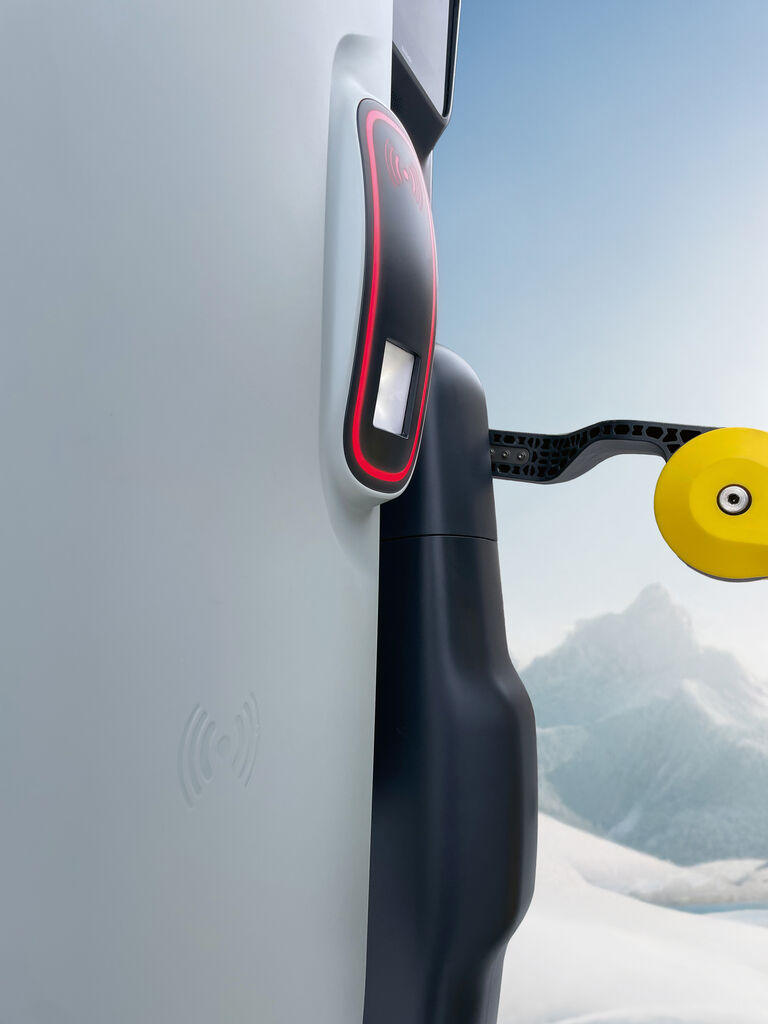
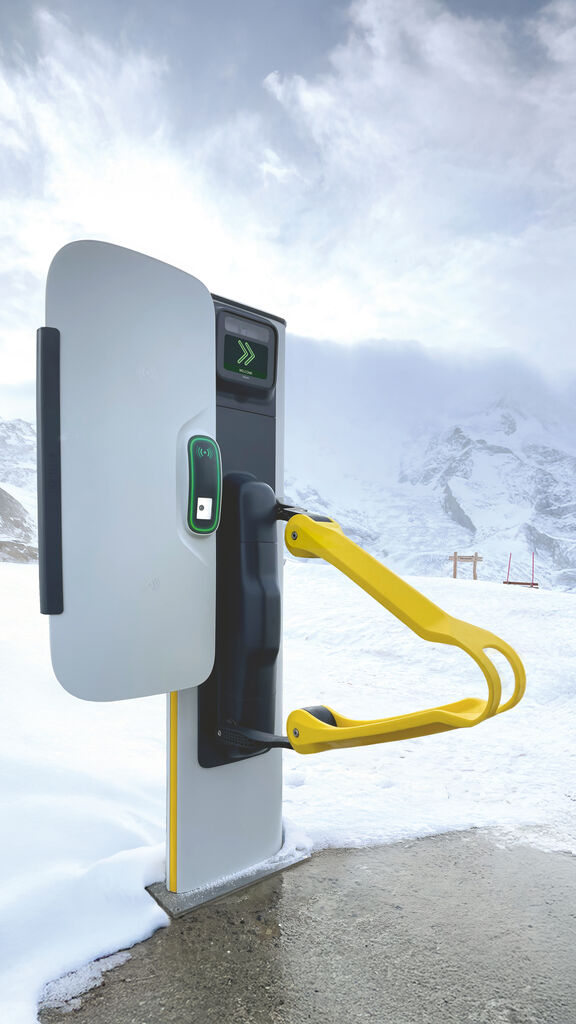
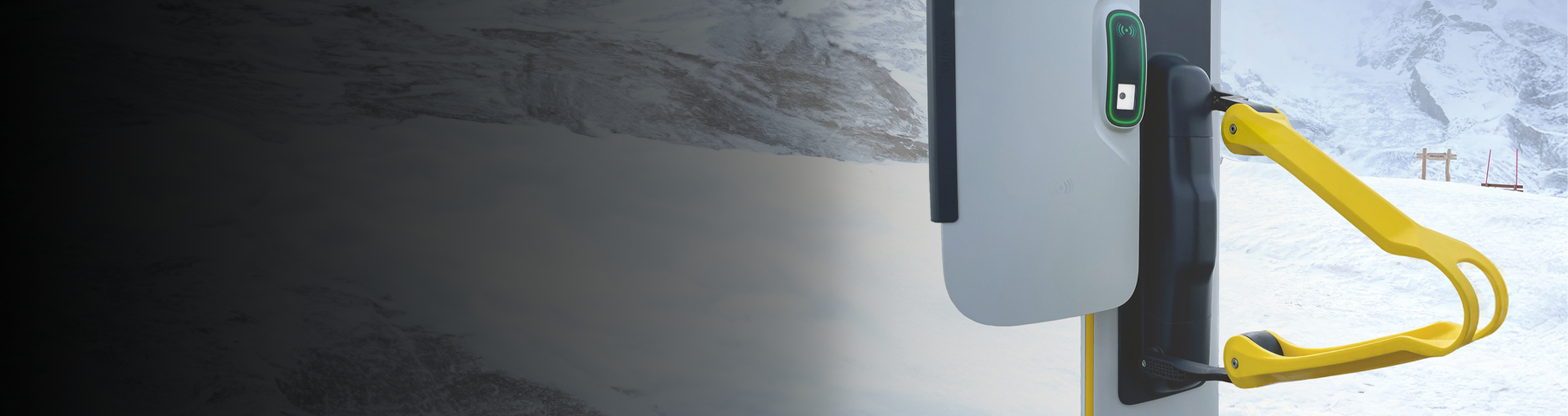
We’re especially proud of the WAVE barrier element. It was designed according to the principles of the compliant mechanism, and I think the minimalist form combined with maximum functionality results in a remarkably well-orchestrated solution. The shape of the barrier reduces its weight, yet still provides the stability that the operator needs for access system safety. At the same time, it can be flexibly adapted to specific requirements. The barrier requires little energy to move, which improves safety and enables electricity savings of up to 50 per cent compared to conventional systems.