Interview with Xiaomin Zhong
Fanttik Technology Innovation Co., Ltd.
Red Dot: What was the starting point for the development of 2050 Edible Cutlery?
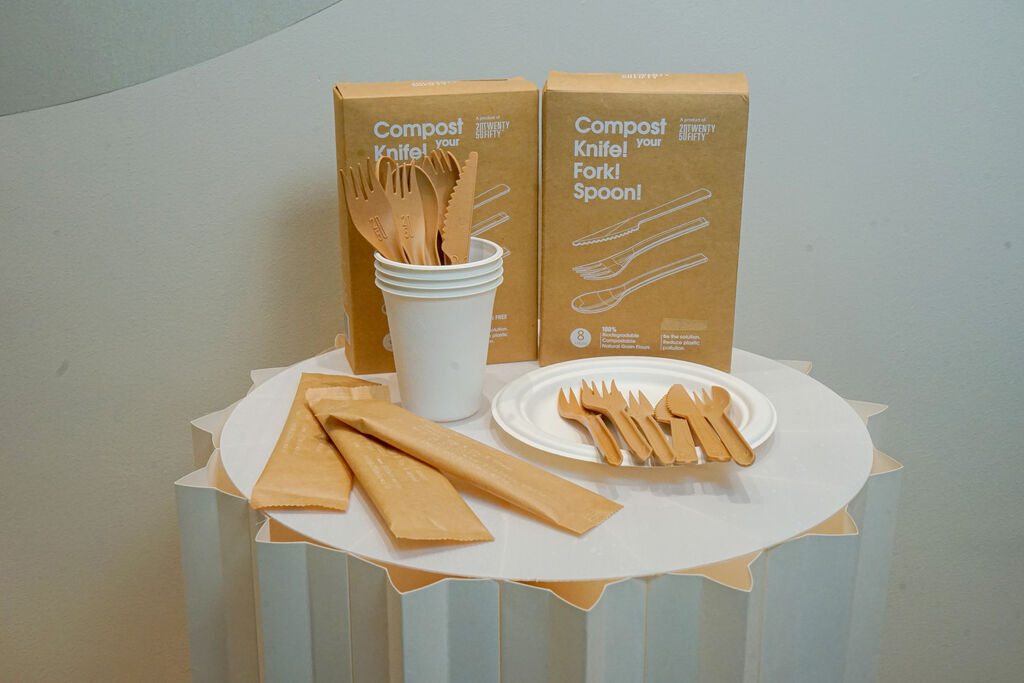
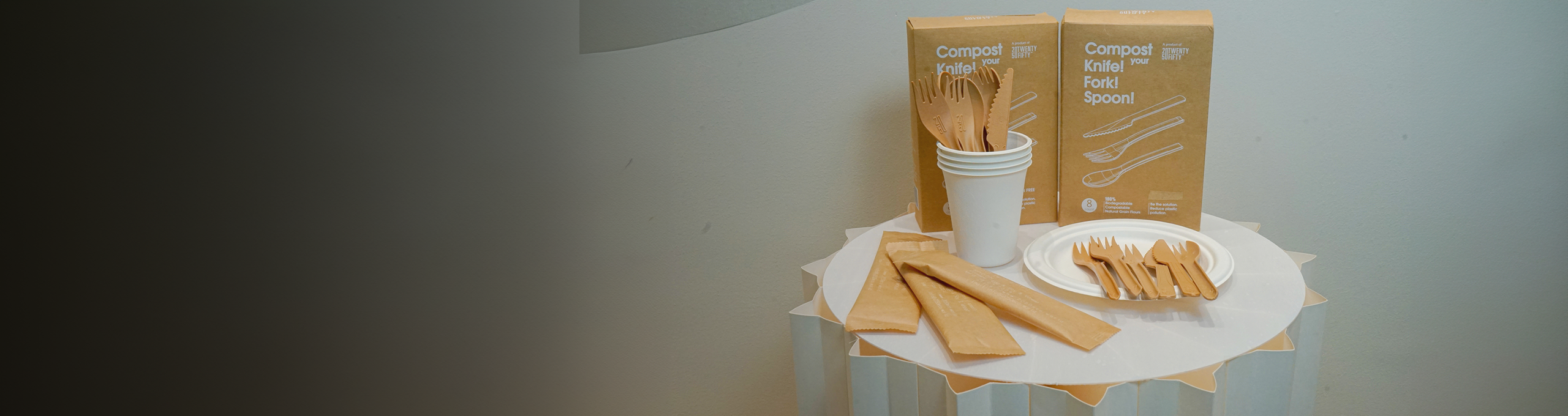
During my time studying biomedical engineering, I came across reports showing microplastics in human organs such as the brain and the heart. That made me realise this could be an underestimated health threat. At the same time, I recognised that mainstream biodegradable materials like PLA or PHA still left microplastic residues. So I decided to rethink the material system entirely – from sourcing to disposal – and developed this edible cutlery.
What was the biggest difficulty in the design and manufacturing process?
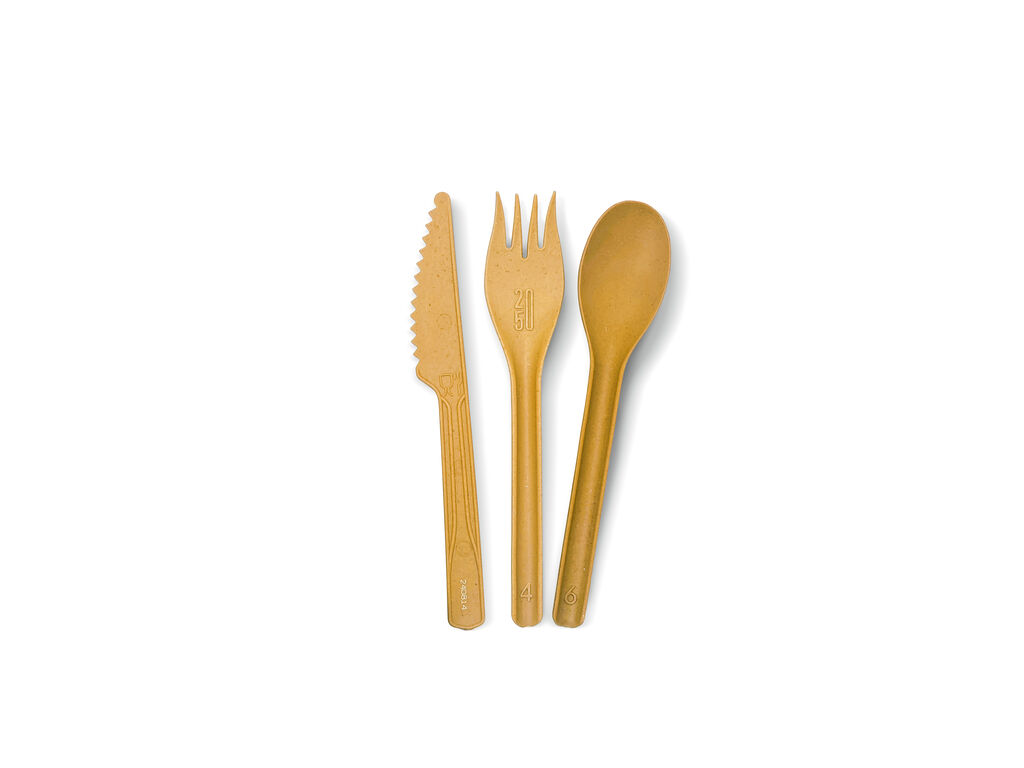
The biggest challenge was the material itself. Starch-based compounds are stiff but lack flexibility, making the product prone to breaking. The hot-melt flow was difficult to control and created bubbles, which frustrated even experienced plastics manufacturers. Together with a small but dedicated team, we optimised every detail – from mould design to adapting the processing parameters. For example, we redesigned the curvature and structure of the handles to better absorb pressure and improve durability without using synthetic reinforcements.
What do you personally consider to be good design?
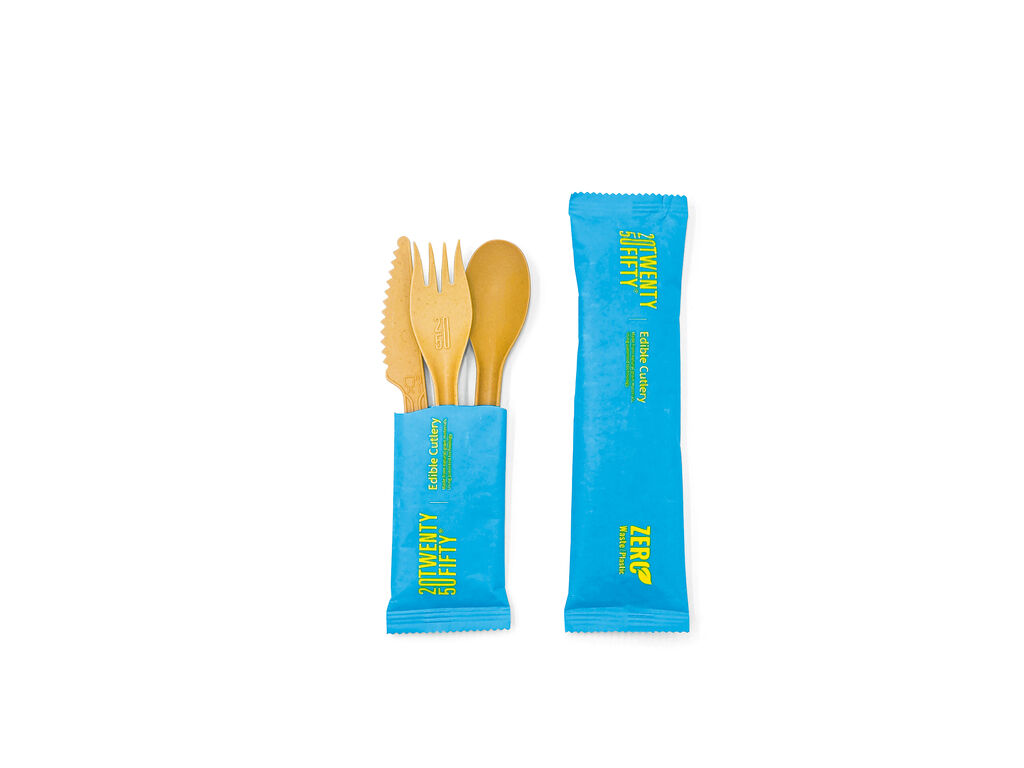
To me, good design is always human-centred. It solves problems, but also considers people’s feelings, routines and psychological well-being. I’ll never forget a moment when a child tasted our cutlery and said, “It’s like a cookie!” That showed me: sustainable products don’t need to teach people to be sustainable, they just need to be enjoyable. When design brings together function, delight and impact – that’s when it has succeeded.