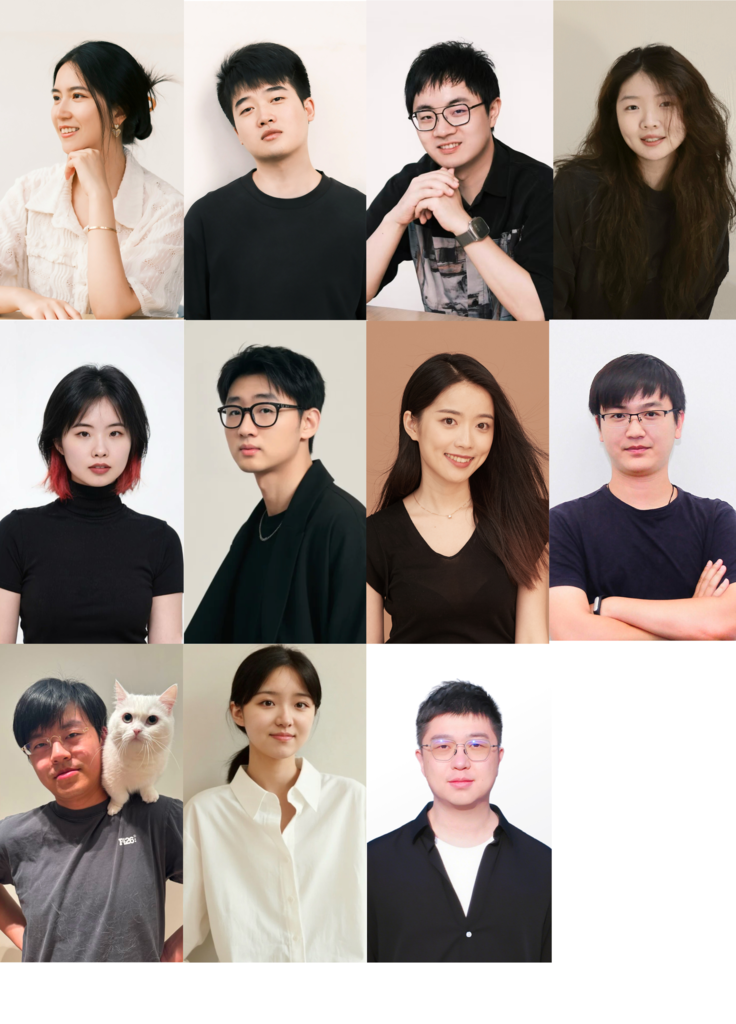

Interview with aizawa office

ByteDance’s Douyin Life Service design team is on a mission to create online-to-offline experiences for consumers. It has developed an AI-powered app called Douyin Video Genius that empowers small and medium-sized businesses with limited technical expertise and time constraints – enabling them to easily create professional-grade video content. After all, videos are the most important communication medium in today’s digital landscape. The app therefore drastically lowers the entry barrier to impactful video marketing.
Red Dot: What role does AI play in the Douyin Video Genius app?
Before AI, small businesses really struggled with knowing what to film and how to film it. The app uses AI to automatically analyse a business’s industry and location, and then it recommends relevant competitor content for instant inspiration. Our smart storyboarding feature resolves filming difficulties because when the user finds a video they like, all they have to do is tap “create similar” – then the system automatically generates customised scripts and shot lists based on their business profile. We even use AI tools to enhance existing low-quality footage.
What aspects were important to you when designing the user experience?
Many of our target users are not particularly tech-savvy, so even very simple video editing software can be a barrier for them. That’s why we focused on creating an extremely simple user onboarding and guidance system. We had to help them understand what a good video looks like, and then show them exactly how to film and edit their own videos. This meant avoiding jargon and providing clear, simple and conversational instructions at every step of the process. We also integrated smart detection capabilities to proactively identify where a user may need help, so as to provide them with relevant guidance.
Doesn’t the automation of video marketing entail the risk of standardisation?
It’s a real risk. We address this problem from two angles. On the content production side, we encourage retailers to enter more unique information about their shop and to upload high-quality material so that the AI can generate more personalised content. For example, our digital human avatar feature helps them to create a unique IP character that is authentic to their brand and solves the problem of a user’s lack of on-screen talent. We aim to encourage retailers to think for themselves, rather than thinking for them. On the content distribution side, our platform uses proprietary black box algorithms that are designed from scratch to prevent content homogenisation.

