

Interview with Peter Schmidt Group | TEAMBBDO
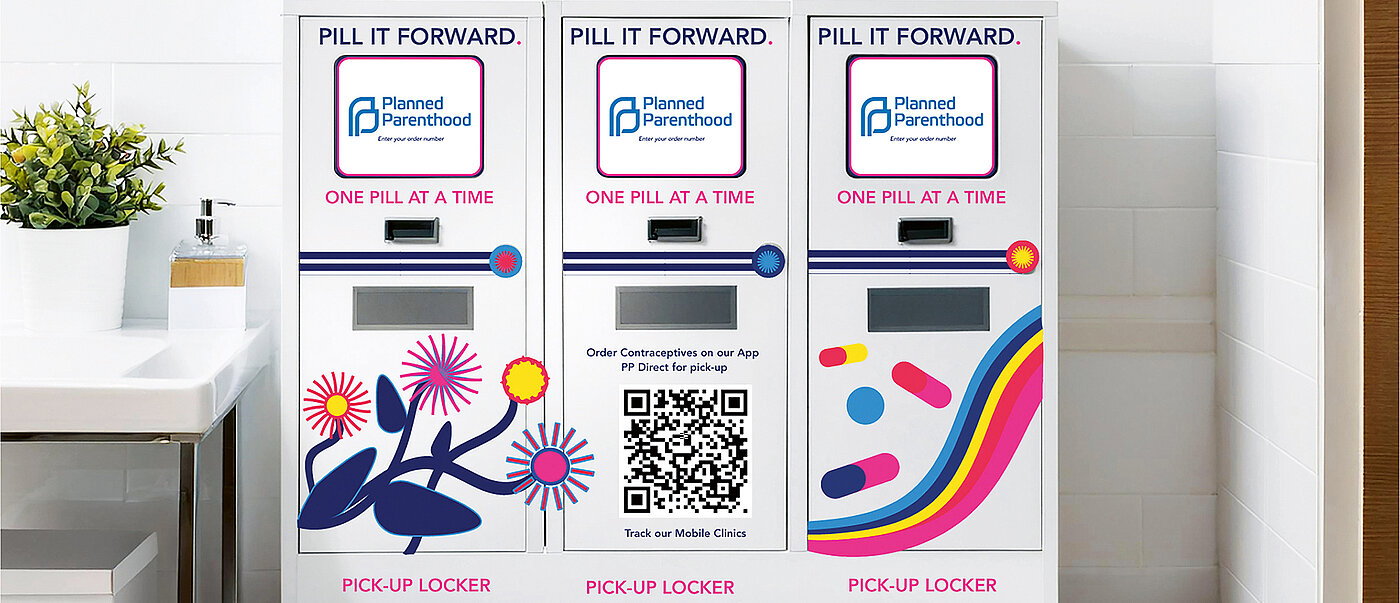
“Pill It Forward” is a campaign by students from the Savannah College of Art and Design (SCAD). It aims to tackle the increasingly taboo subject of birth control. With straightforward visuals, an approachable tone and a well-considered mix of digital and personal touchpoints, the campaign brings the topic of birth control out of isolation and positions it in the context of open, collective advocacy. The ultimate aim is to empower affected women and, above all, to make support for birth control louder than the opposition.
Red Dot: Could you tell us a bit about your storytelling ideas for the “Pill It Forward” project?
Storytelling begins with a simple truth: birth control is often a private issue that can lead to isolation. We transform it into a shared, action-led narrative in which a single pill triggers ripples of care. Simple primary design elements are used to cut through consumer fatigue. Illustrative layouts avoid sterile medical cues, combining clear facts with an approachable tone. Real stories, a plain-spoken manifesto and volunteer voices are used to demonstrate possible options in a way that users can see, follow and act upon.
In this project, low barriers are of central importance. How did you achieve that creatively?
Clarity drives every element. Real-time tracking, pre-order integration and discreet lockers make the supply of contraceptives immediate and private. Mobile clinics come to the people and volunteers create safe spaces. The Plan B packaging contains an ovulation test strip with step-by-step instructions for informed decisions. The branding uses simple graphics, straightforward shapes and a limited colour palette. Each interaction, from tapping the app to collecting items from the locker, is designed for speed, understanding and impact.
What things do you need to consider when you’re designing for Gen Z?
Gen Z may be digital-first, but it values tangible proof of action. This generation responds to authenticity, interactivity and brands that lead by example. Our campaign combines mobile tools such as real-time clinic tracking with physical touchpoints. Convenience is matched with care and controlled processes to ensure personal and trustworthy accessibility, yet at the same time it meets Gen Z’s need for visual follow-through.

