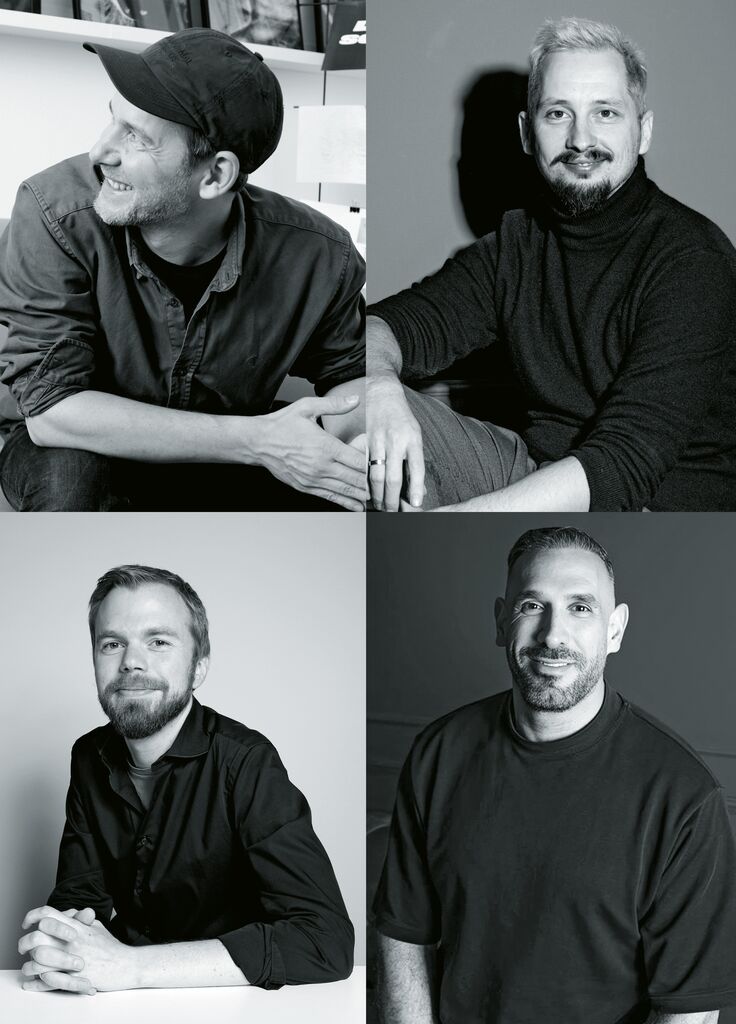

Interview with Mold-Fine
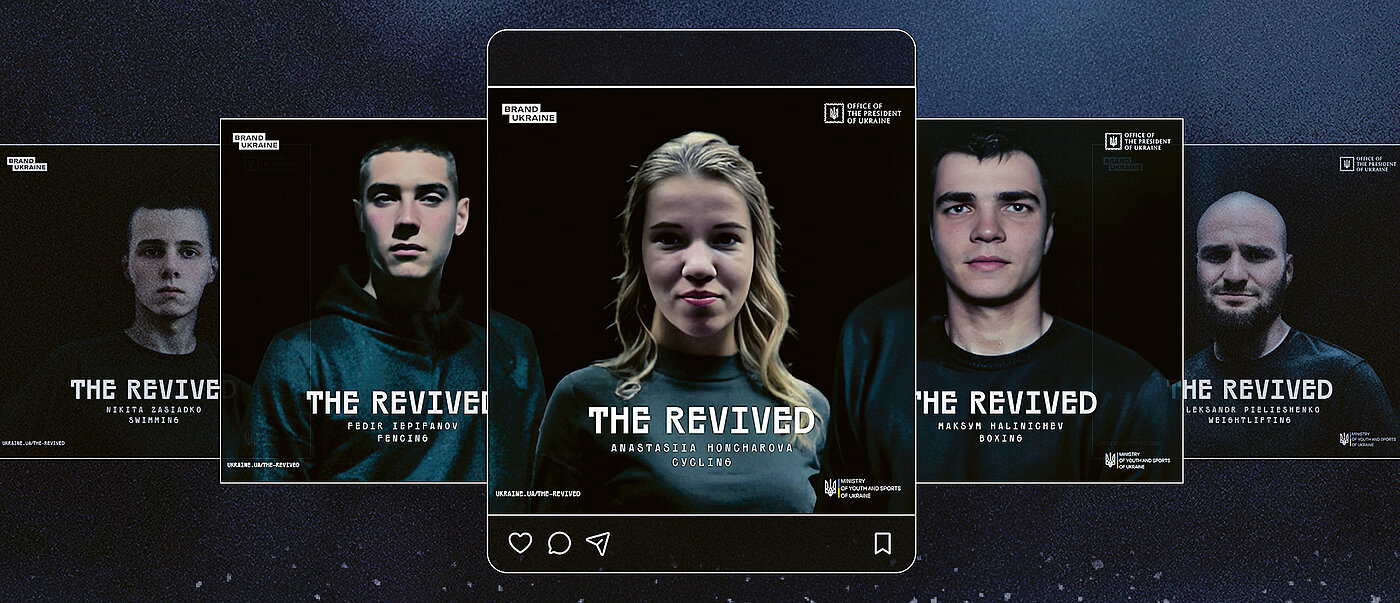
As pioneers in empathetic branding, the creative minds of the Peter Schmidt Group and TEAMBBDO consistently look far beyond the visual horizon. Their keen sense for sensitive communication on the one hand and the use of innovative technologies on the other led to another special project shortly before the Olympic Games in Paris. The highly emotional activation campaign “The Revived” quickly went viral and received great recognition in the international press. At the heart of the campaign are six Ukrainian athletes who introduce themselves and talk about their dreams and ambitions to win gold at the Olympic Games. But their stories all end with the same fate, for these six athletes died defending their homeland during the Russian invasion of Ukraine, so they were never given a chance to step onto the world’s biggest sporting stage. With the support of the athletes’ families and the use of AI, the agency partners brought these individuals back to life in a deeply moving way. The result gave even the creative team goosebumps: “It’s overwhelming when you realise that you’re not just using a technique, but making a person visible. Suddenly, events familiar from war reporting become deeply personal and emotional.” A specially designed medal box underscores this moment: instead of Olympic gold, silver or bronze, it holds the athletes’ military identification tags – making the loss and absence of the young talents physically tangible.
Red Dot: What sparked the idea for this campaign?
Around a year after the start of the Russian invasion of Ukraine, the public was in danger of becoming accustomed to it. The term “war-weariness” was doing the rounds. On top of that, the Olympic Games were just around the corner: summer, fun and sporting distraction. We wanted to reverse this momentum and draw attention to the fallen athletes, to make them visible with their dreams and voices. This seemed impossible at first, but with the help of artificial intelligence it became a reality.
You have brought six athletes back to life. Was it difficult to convince their families that this project was a good idea?
We were amazed at how openly the families approached us. It certainly helped that our team included colleagues with a personal connection to Ukraine – and that they were also on site with the families. This allowed us to quickly show that we really cared about this project and the athletes. The cooperation with the Ukrainian Ministry of Youth and Sports also lent “The Revived” a positive seriousness. It was clear that, without the families’ consent, we would never have been able to realise the project – for moral reasons – but also because the many personal photos and videos formed the basis for developing authentic AI models.
What data was used to feed the AI?
We fed the archival material provided by the families into specially trained AI models. This resulted in realistic avatars that could believably imitate each athlete’s appearance, voice and gestures. The challenge was that the subject matter was serious – whereas many of the videos and photos in our source material resonated with euphoria, enthusiasm and fun. We had to use the AI in such a way that the digital doubles looked real, yet at the same time not cheerful, but rather thoughtful.
You also developed special medal boxes. Was such a physical element essential?
It was actually about giving visibility to a digital campaign. We needed an element that would generate a strong image – because we had no media budget. In addition, the boxes round off the story. The medal ceremony is every athlete’s dream. Our medal boxes, which contain the soldier’s identification tag instead of a gold medal, illustrate at a glance the extinguished dream of sporting victory and the fate of the fallen athletes.

