
Interview with Stjepko Rošin
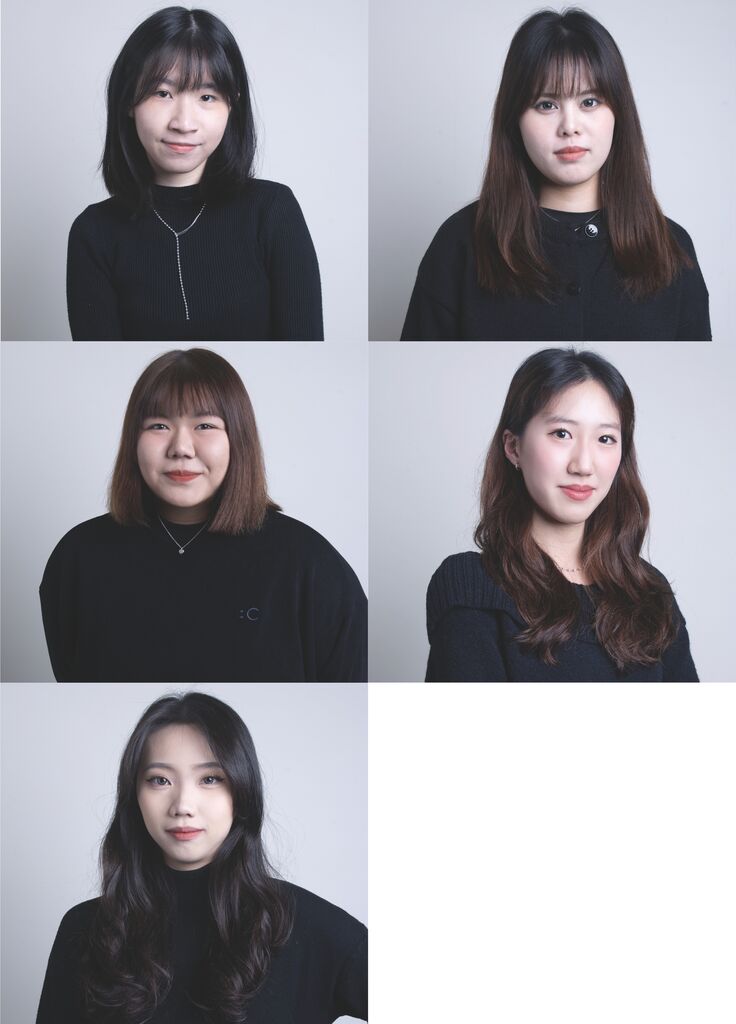
The aim of this project was to honour traditional cultural heritage – in this case, the Taiwanese sweet potato wine industry – by imagining a new brand identity that resonates with a contemporary audience. Using a succinct brand narrative, artful illustrations and a consistent sustainability agenda, the five students from the visual communication design department have not only packaged a spirit, but also “reconnected land, farmers and people through design”.
Red Dot: How did you ensure that the rebrand connected with consumers emotionally?
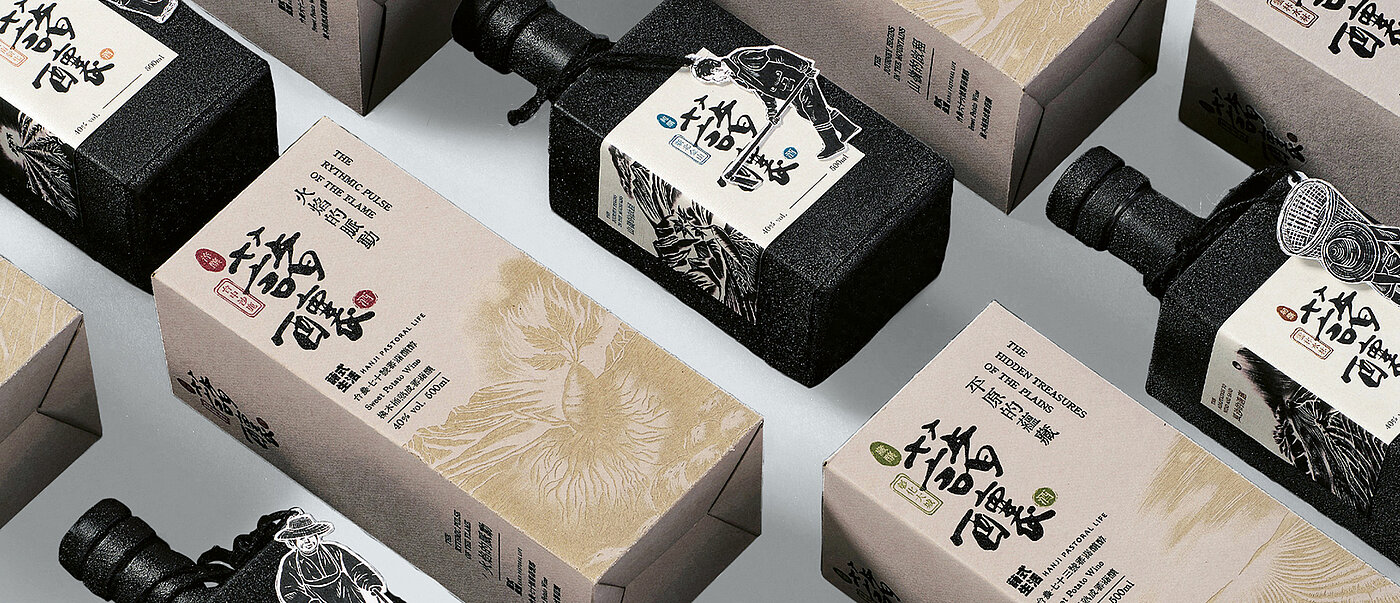
Today’s consumers are looking for empathy and shared values. Each bottle bears an authentic imprint of the land, and the packaging is decorated with woodcut-style portraits of local farmers who embody generations of wisdom and tireless work. More than just a consumer item, it is a vessel preserving the memory of Taiwan’s soil. We used tactile packaging and representations of rural life to cultivate a slow, human-centred connection and to invite everyone to share the stewardship of this cultural landscape.
You played around with a lot of pre-industrial and pre-digital imagery – why was that?
We wanted to return to something slower, warmer and more textured – something more human. We opted for woodcut-style illustrations, hand-drawn textures and visual symbols of manual labour; not to embrace a retro style, but to make a philosophical statement. For example, woodcut lines are never perfectly smooth – they carry traces of the time and effort that went into making them. The roughness and tactile quality of fibre-rich paper and the silhouettes of farmers working in the fields are more than just visuals.
Where do you see the global potential of brand design?
Consumers around the globe are increasingly drawn to brands that offer authenticity, local character and meaningful stories. Our design language transforms local Taiwanese imagery into narratives that an international audience can relate to, making the brand both exportable and expandable. For example, we are excited about working with farmers and brewers in other regions to build a “Global Terroir Exchange” network that celebrates diversity through shared values. The brand could also be extended to curatorial projects, immersive exhibitions, agricultural education and culinary tourism, allowing the culture behind the product to travel with it – not just as a commodity, but as a lifestyle.

