Interview with Axel Meyer
Nokia Technologies

Red Dot: What were the main objectives in the development of the Cayo?
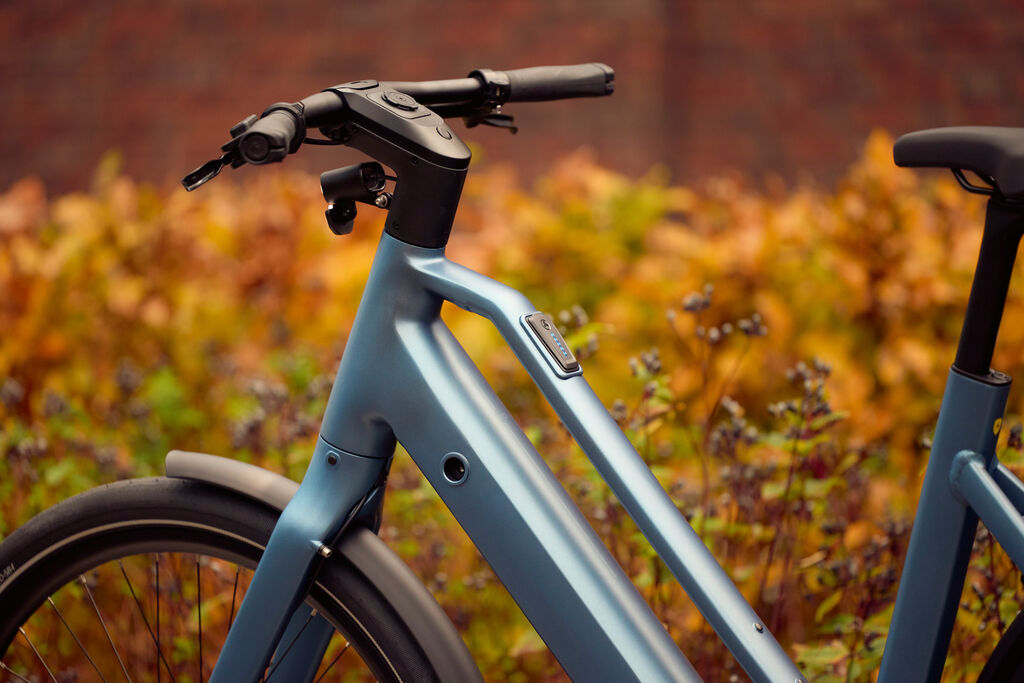
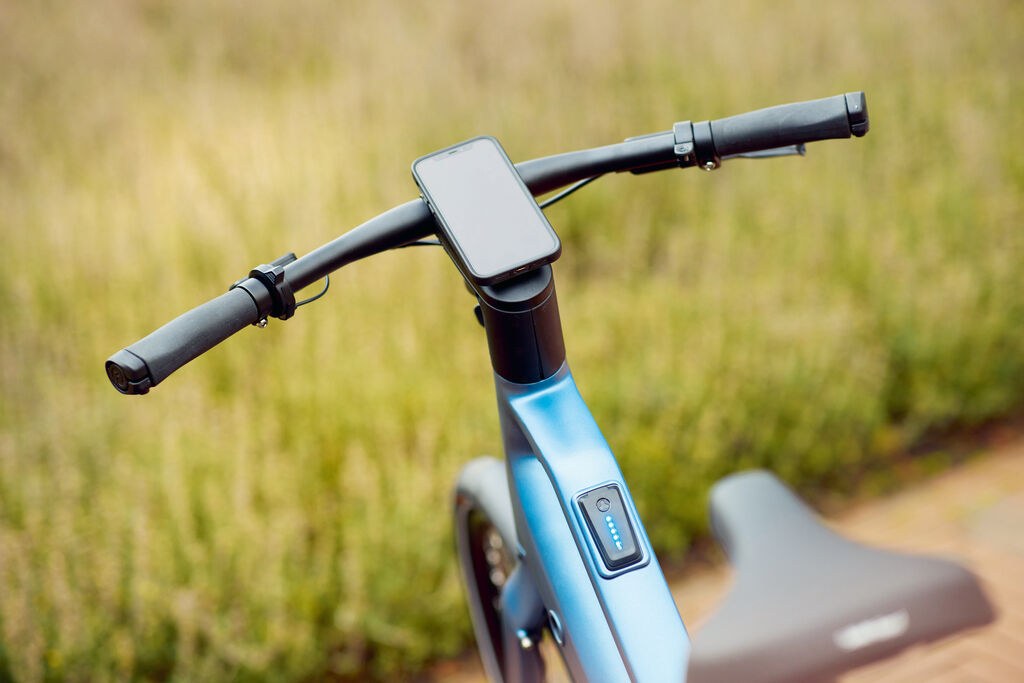
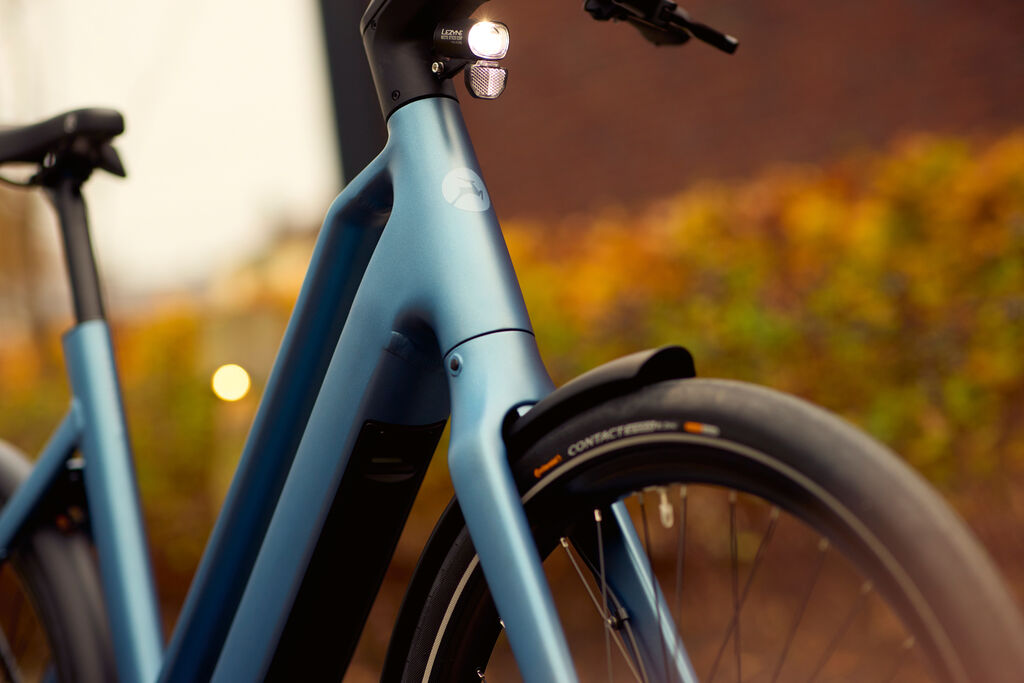
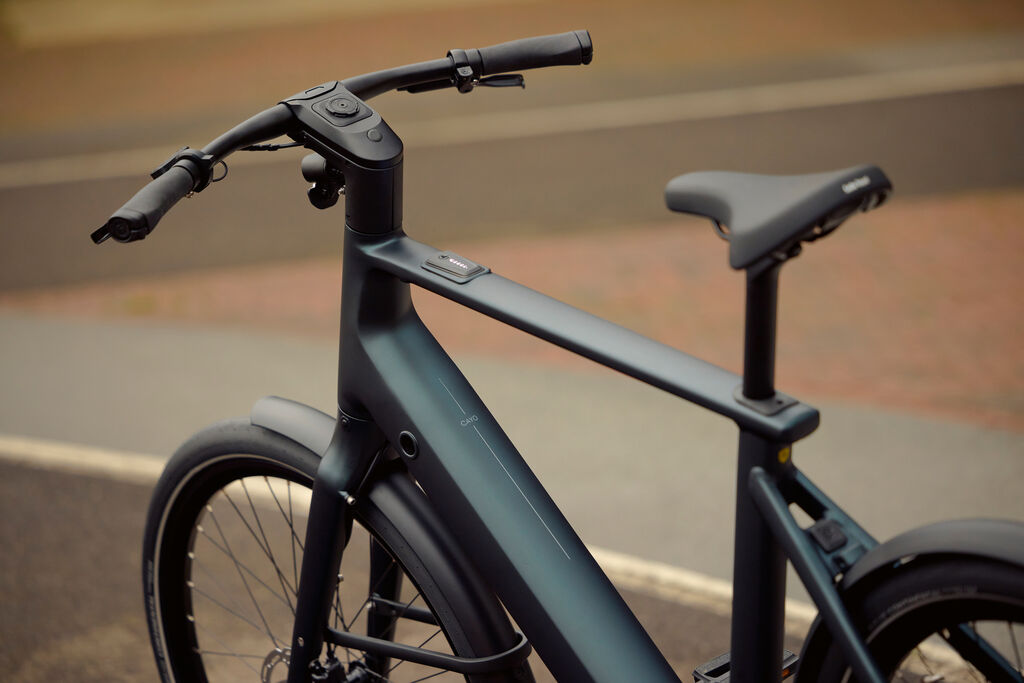
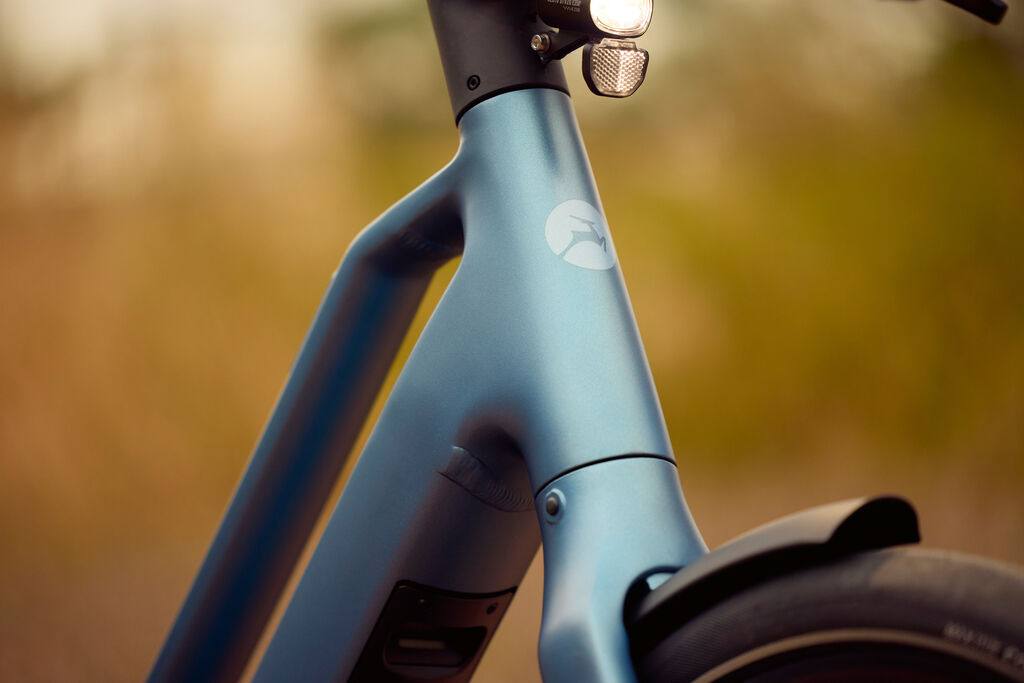
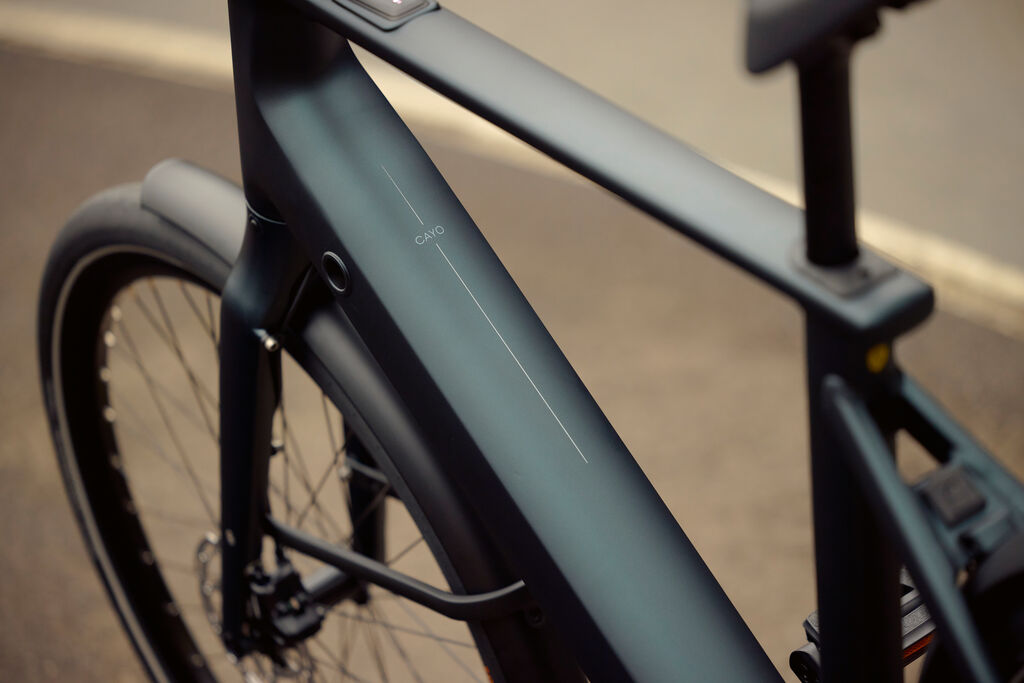
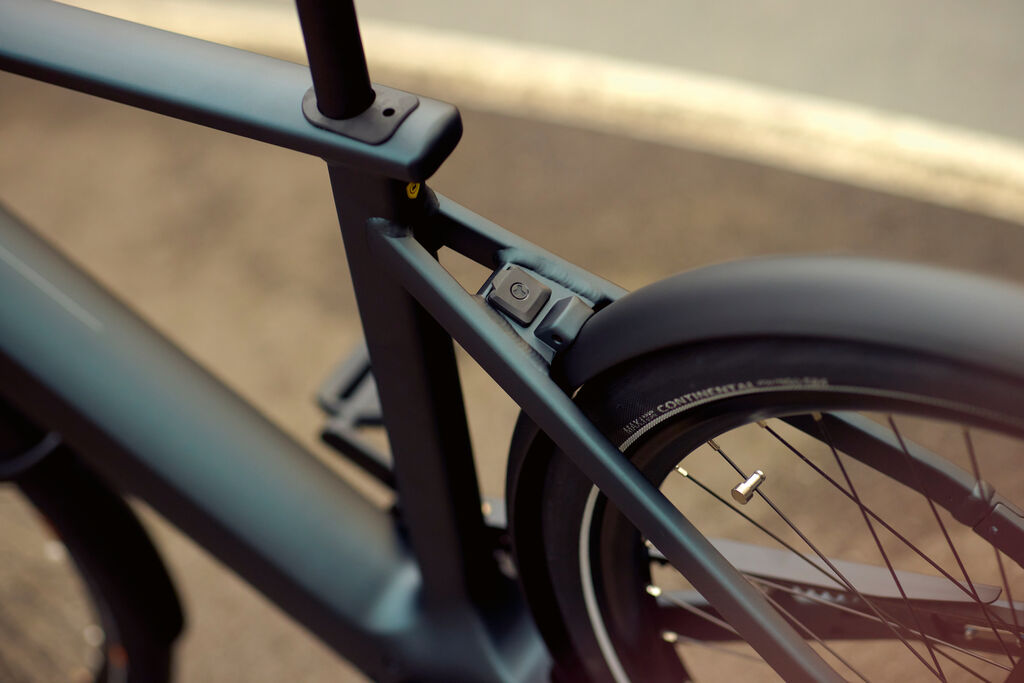
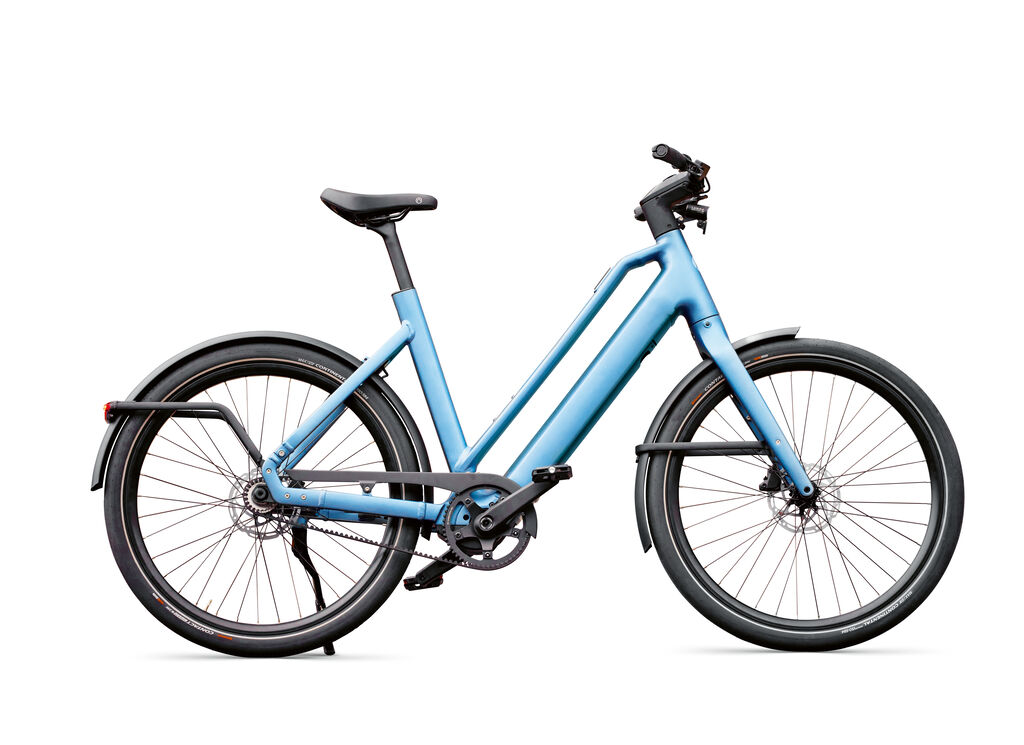
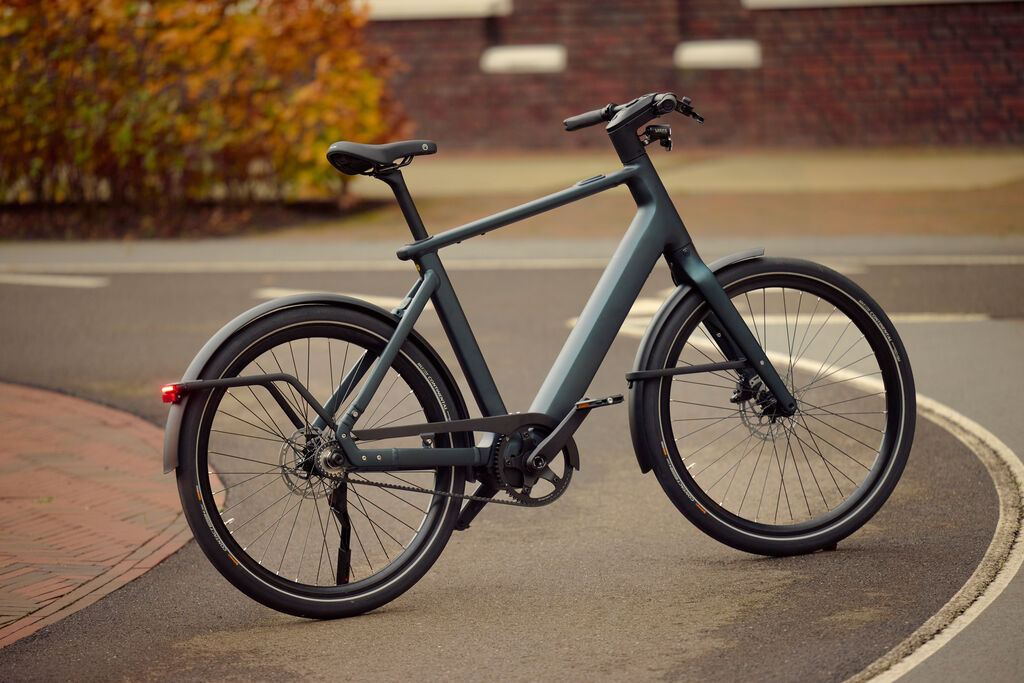
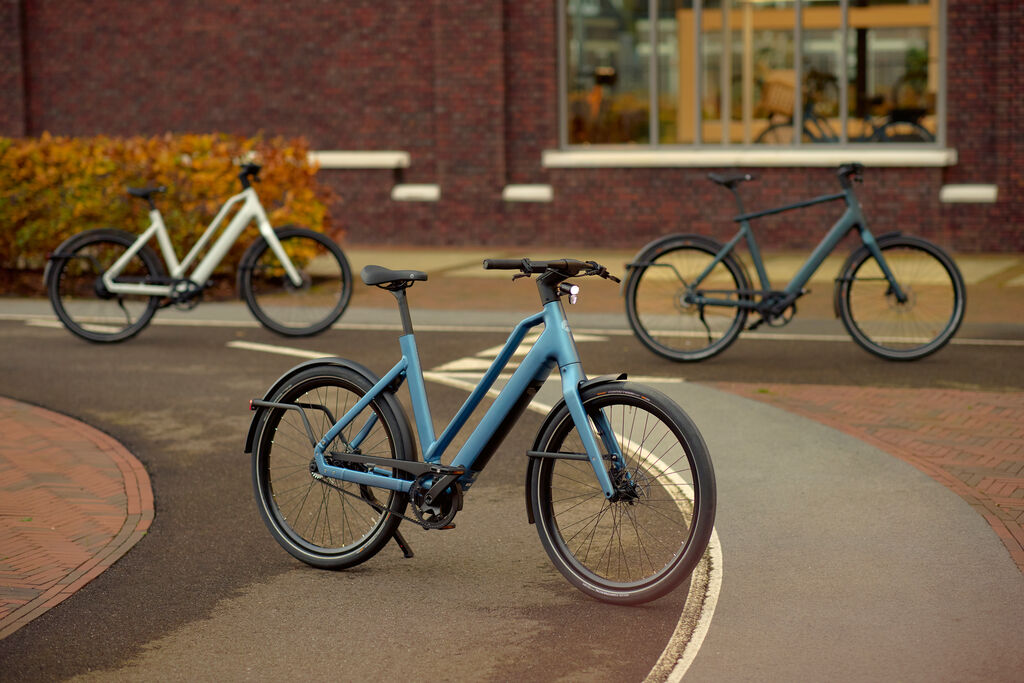
Our goal was to create a design that seamlessly blends traditional and modern elements. We wanted a design that would be instantly recognisable as a conventional bike while housing a powerful e-bike system that feels modern and detailed. The e-bike components have been integrated as much as possible to ensure that the Cayo looks as similar to a normal bike as possible. The frame design is reminiscent of Gazelle’s long-standing tradition in bicycle construction. The design details add a modern touch to the traditional silhouette. Highlights include the extended top tube with integrated seat tube adjustments, the flowing transitions with clearly defined lines in the frame and the rear light integrated into the mudguard strut. The result is a design that is instantly recognisable and contemporary at the same time.
As a brand, Gazelle is primarily known for its classic Dutch (e-)bikes. Is the development of an e-bike for this target audience a particular challenge for Gazelle?
In an urban environment, riders want a reliable, high-quality bike with a high level of riding comfort. When developing this bike, we set ourselves the goal of setting a new standard for our Gazelle design language in the urban environment, which both appeals to the urban target group and is unmistakably a Gazelle. At Gazelle, we strive for holistic designs in which the tubes flow smoothly into one another. With the Cayo, we have achieved smooth transitions while maintaining a geometric aesthetic. The design lines at the front of the frame play a crucial role in defining these seamless transitions.